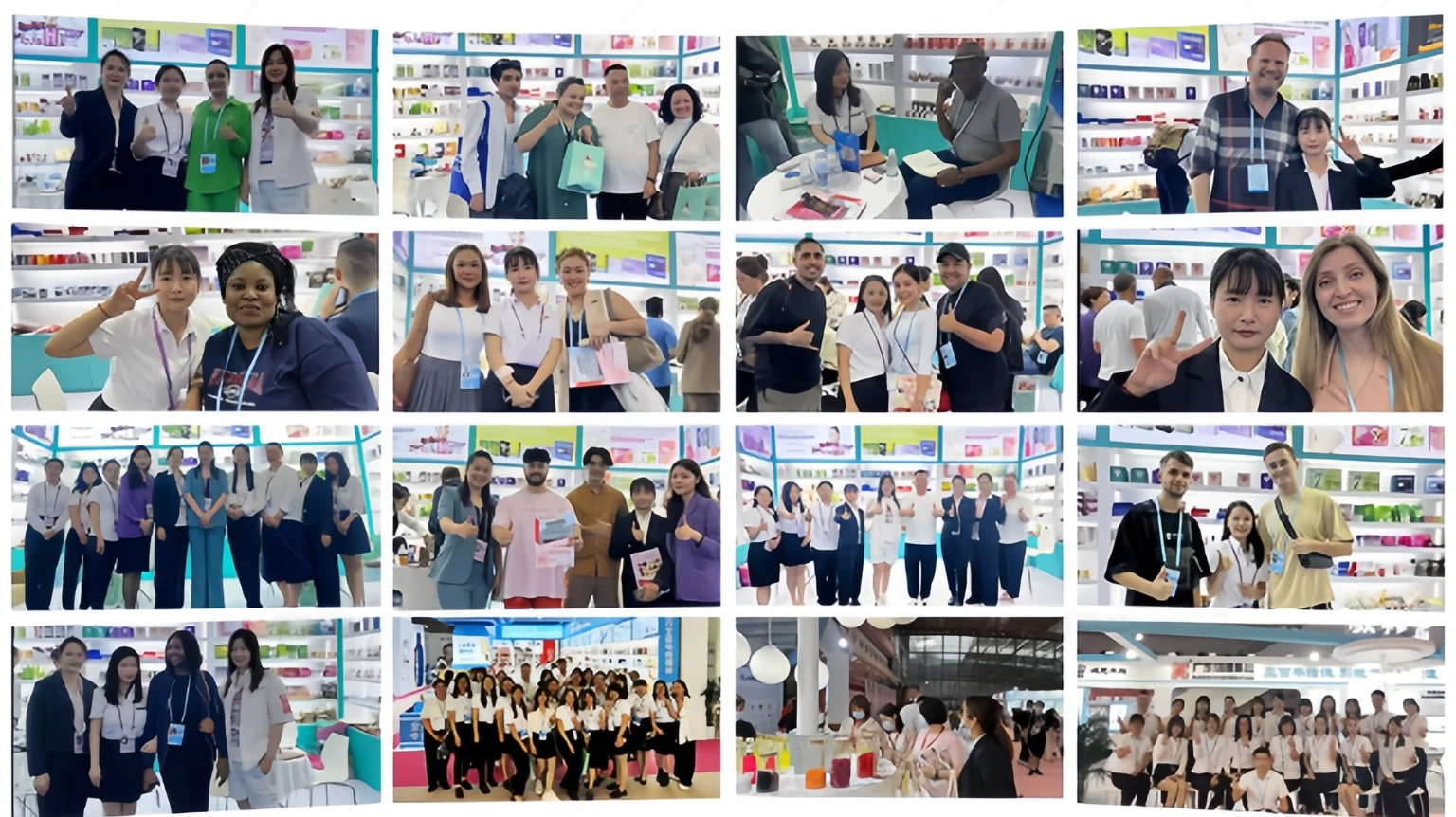
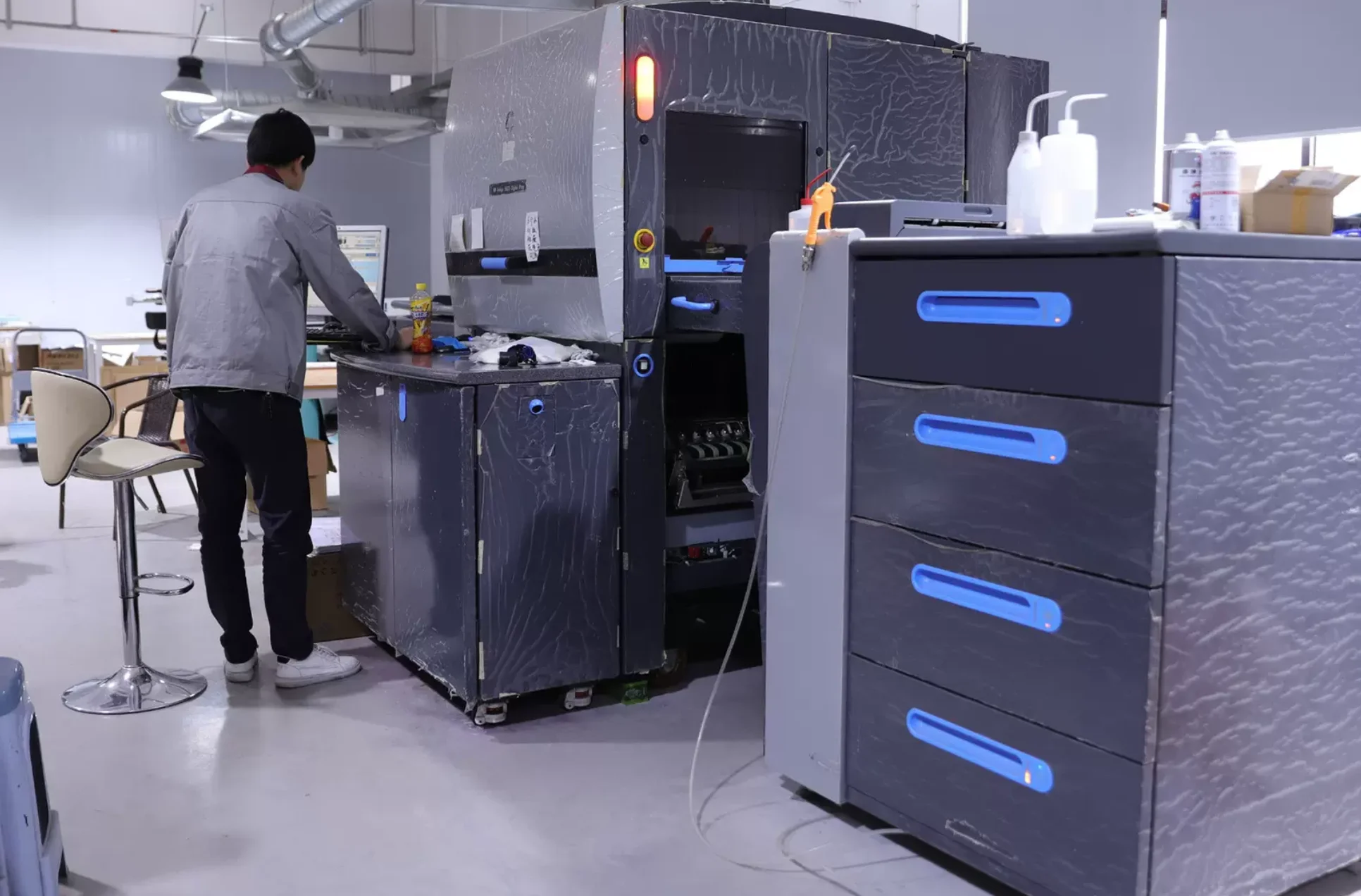
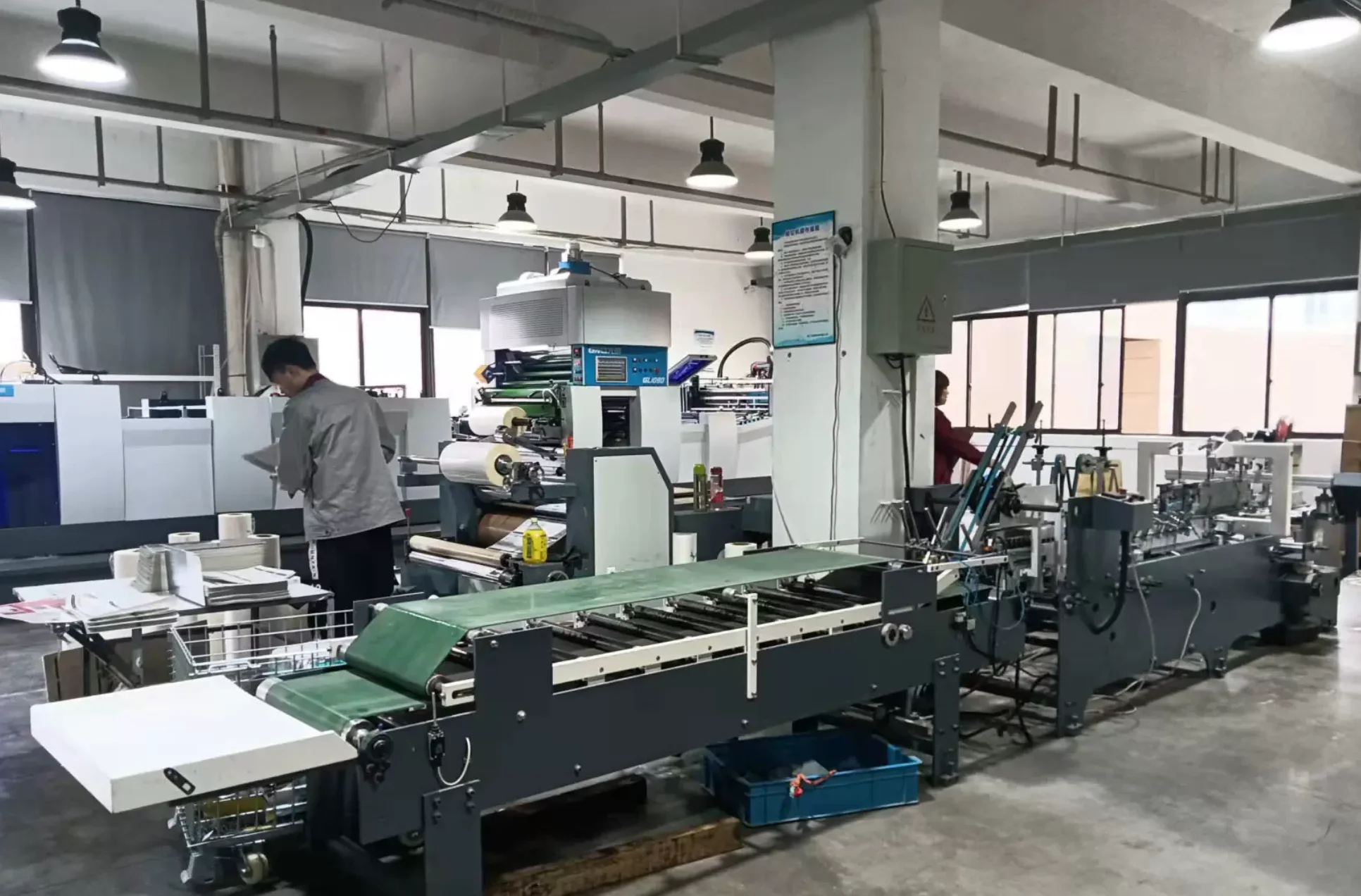
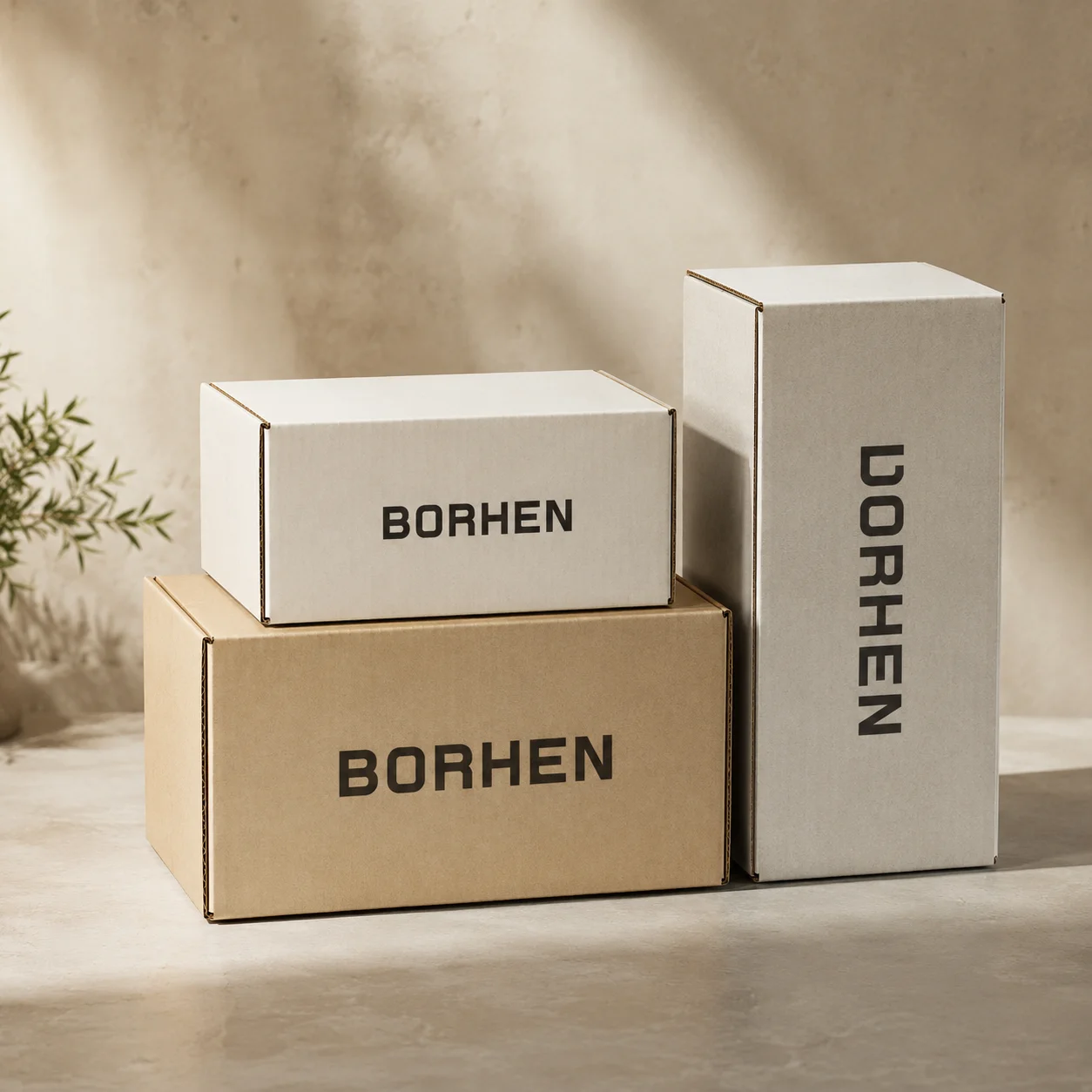
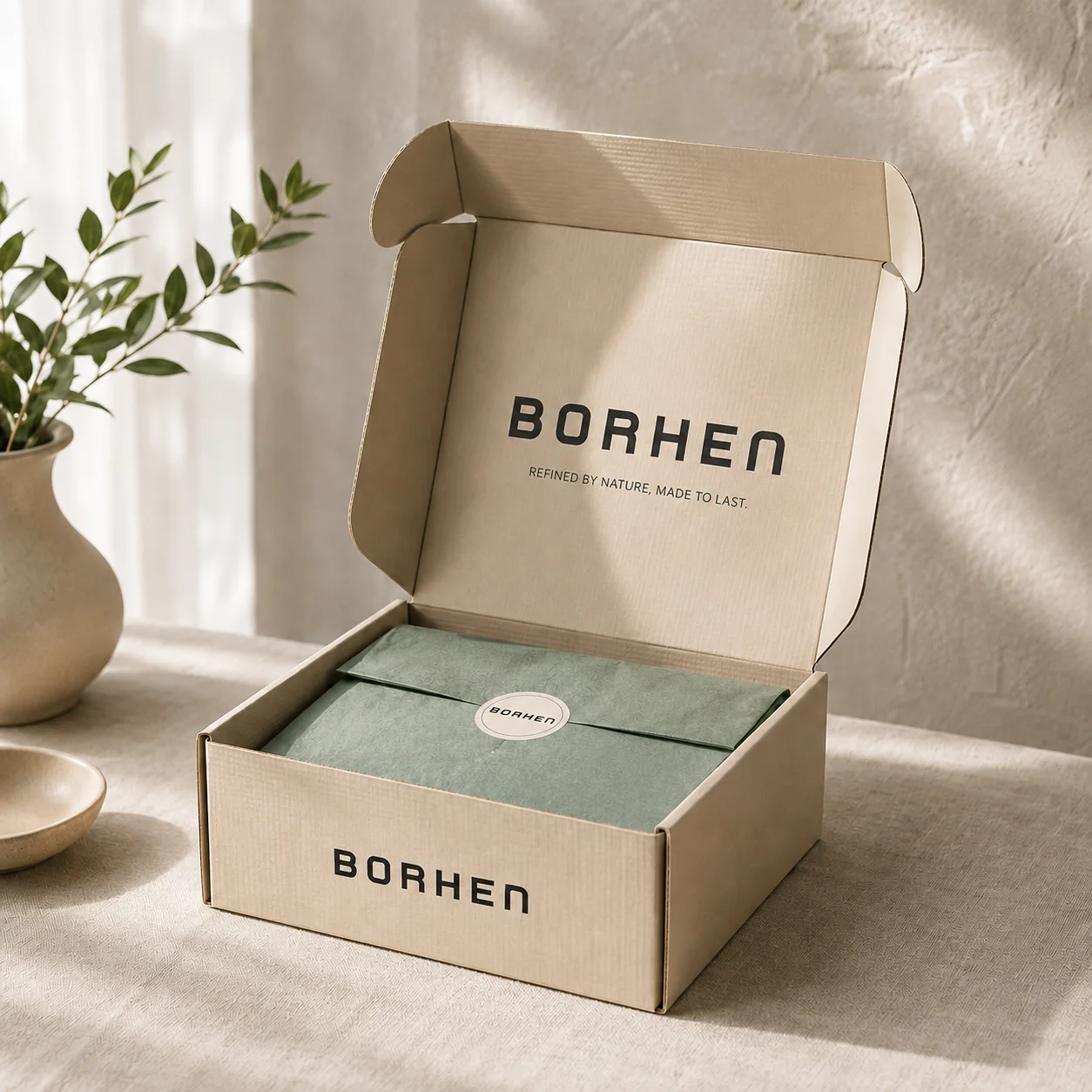
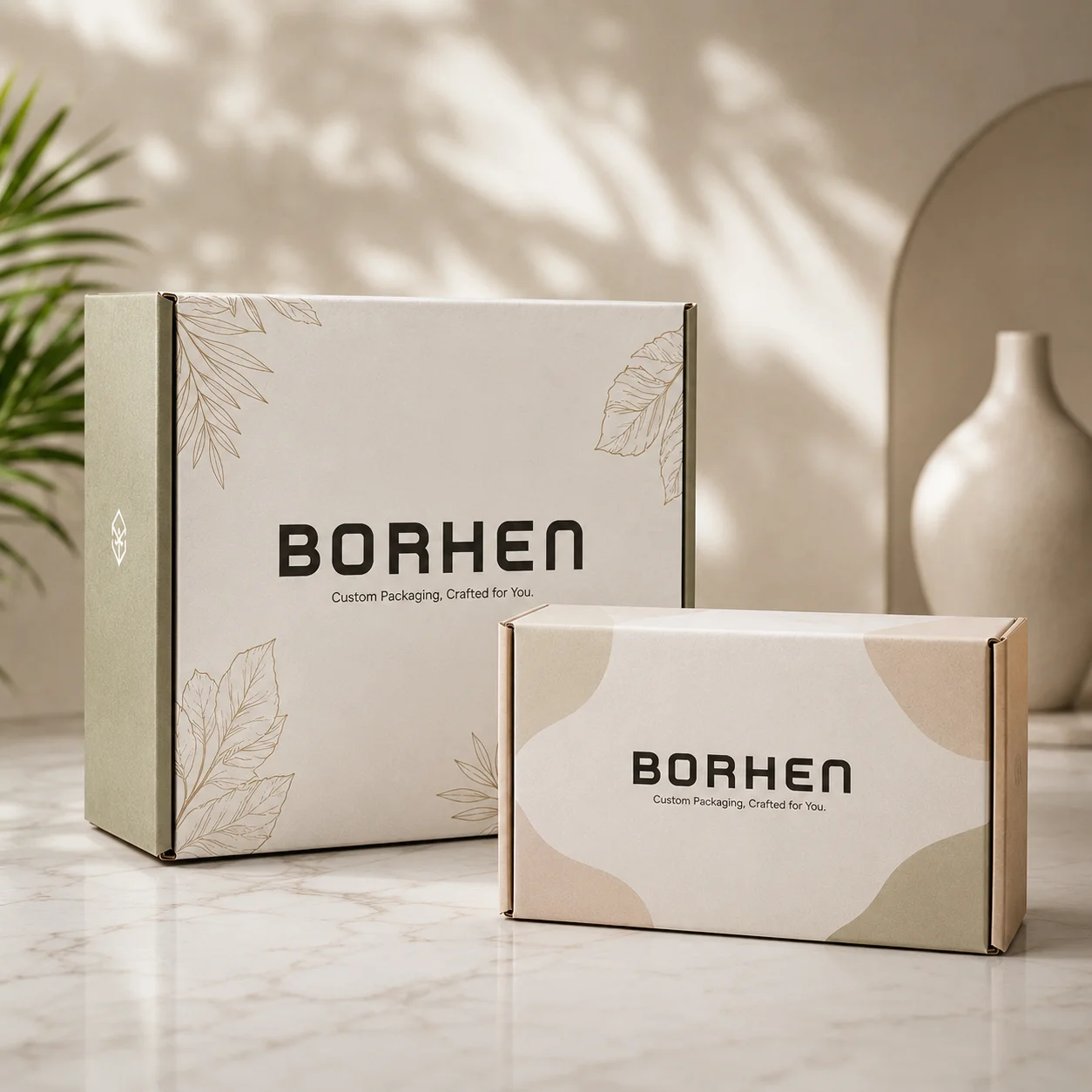
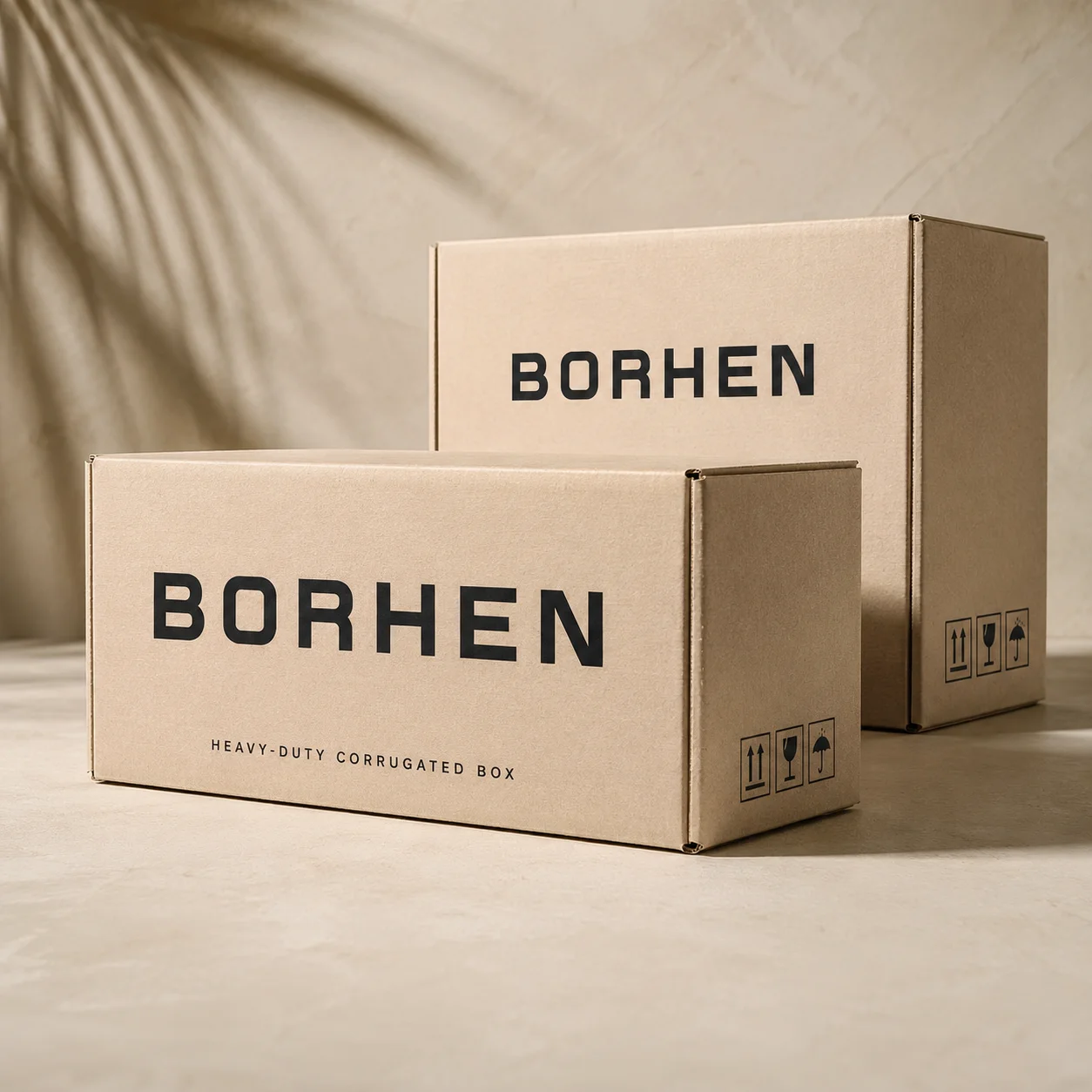
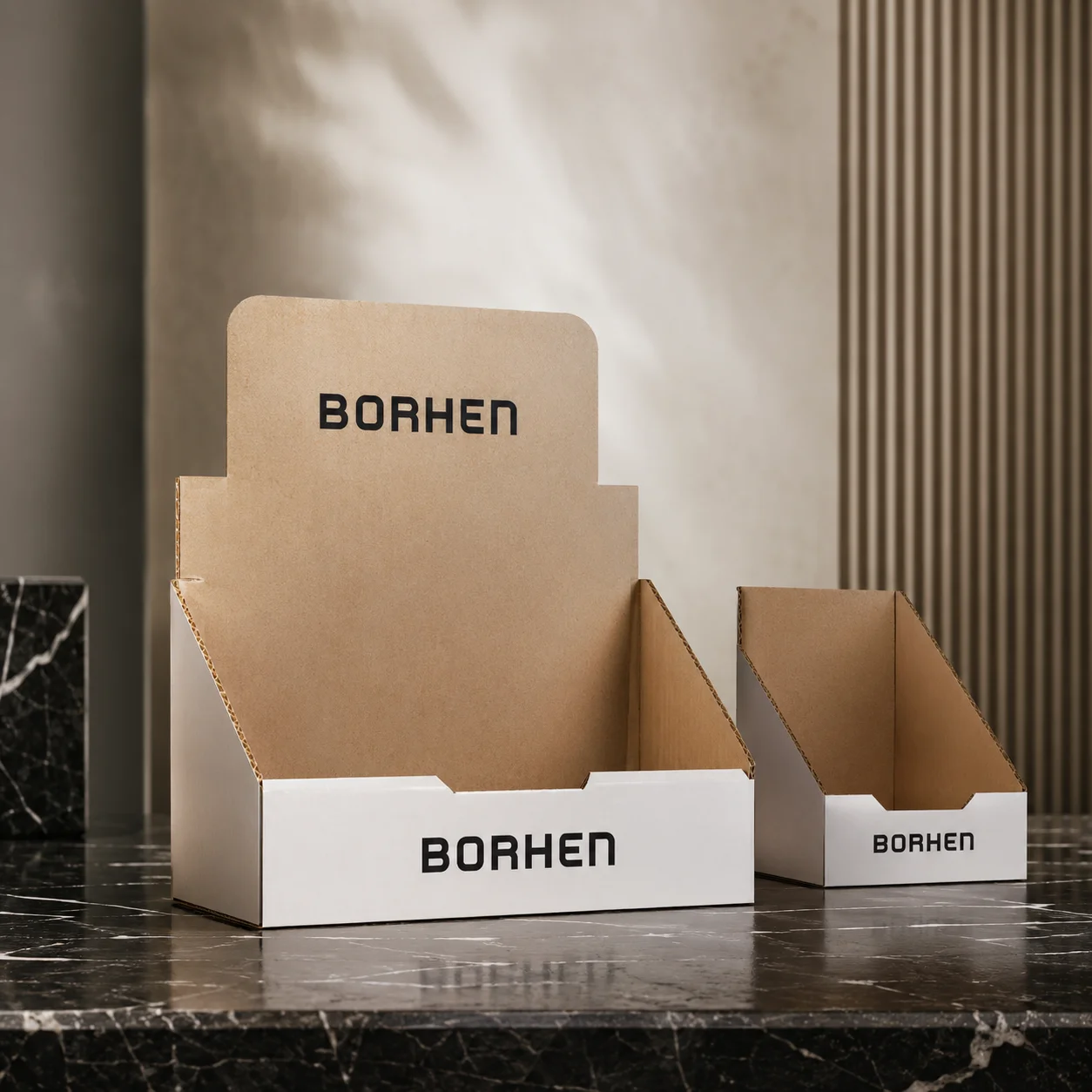
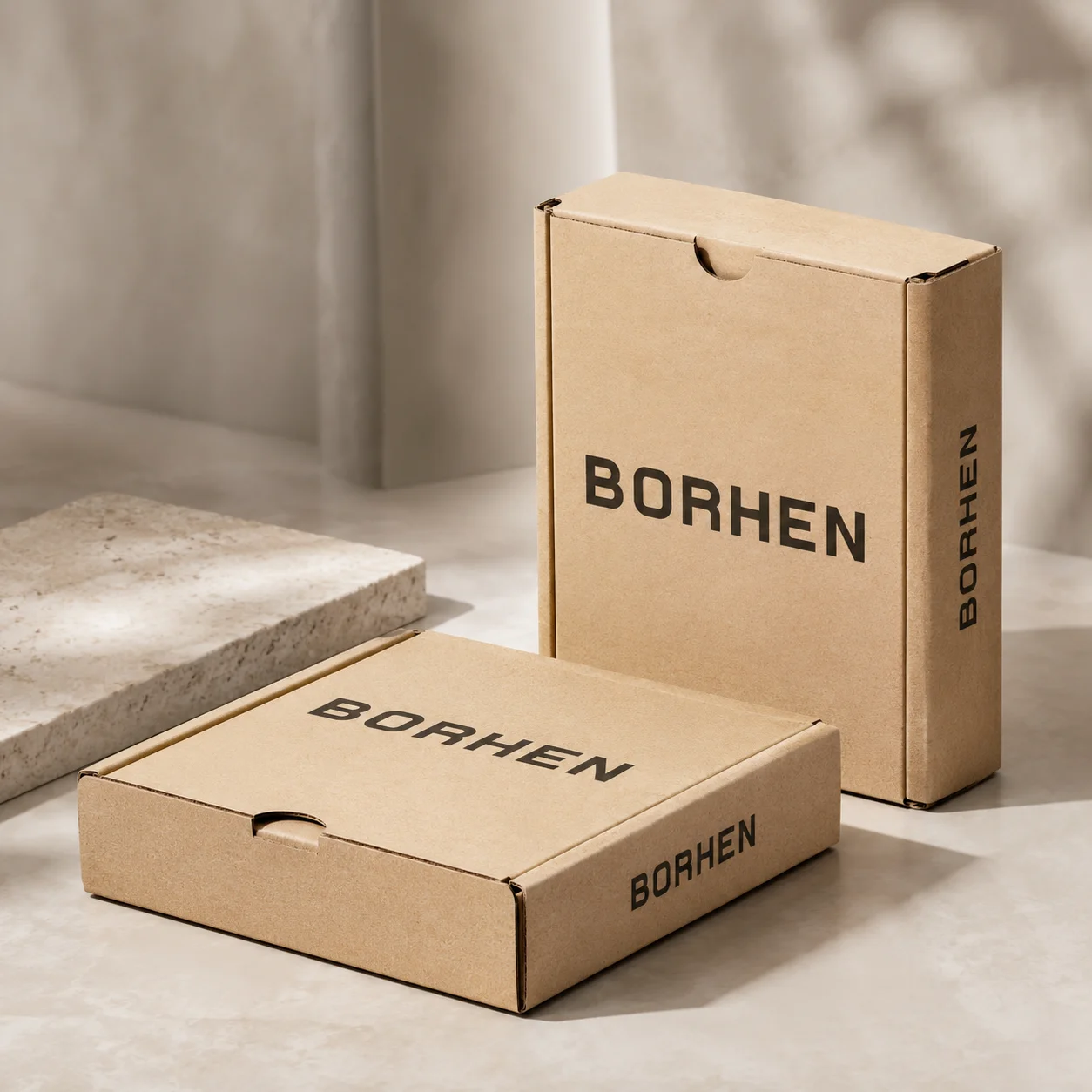
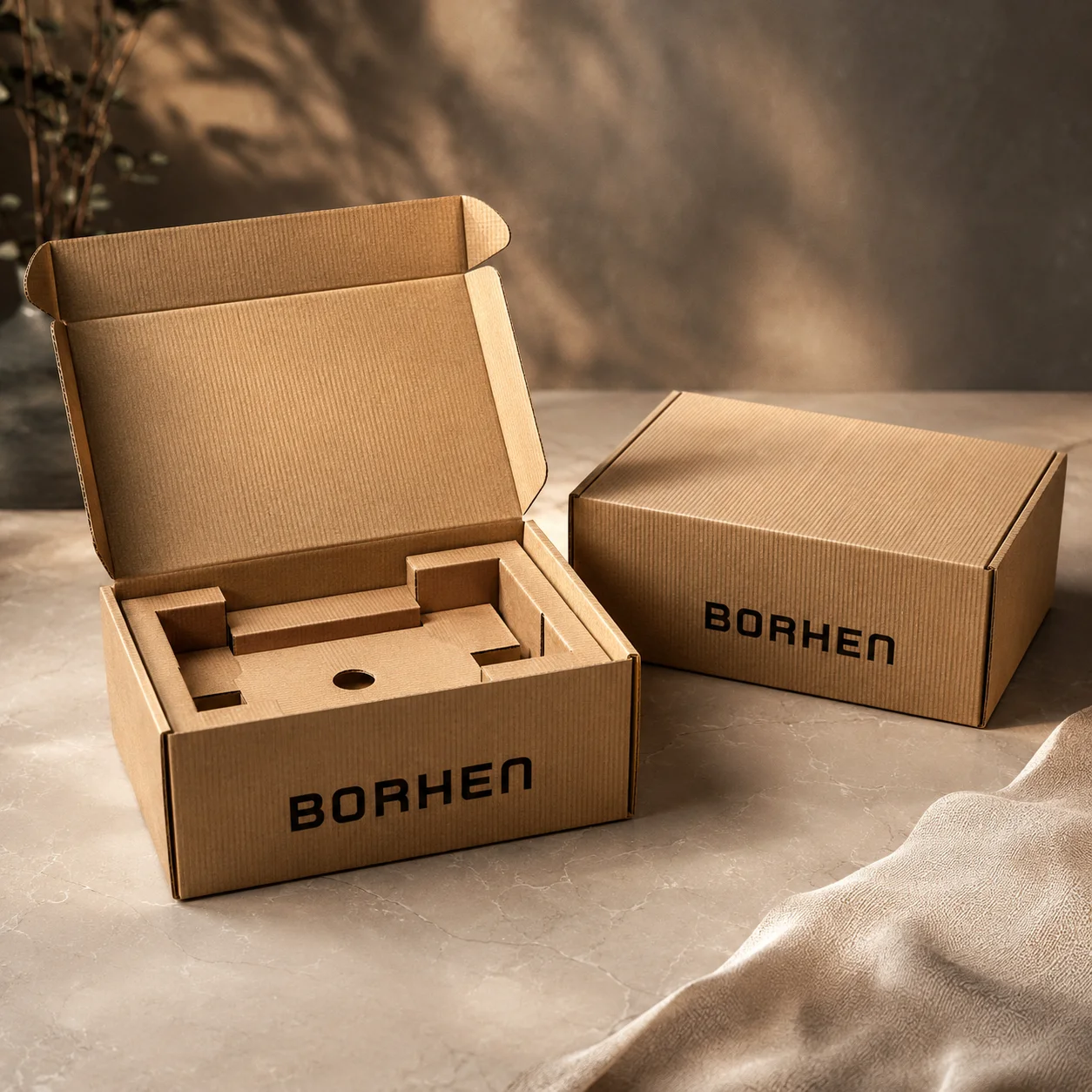
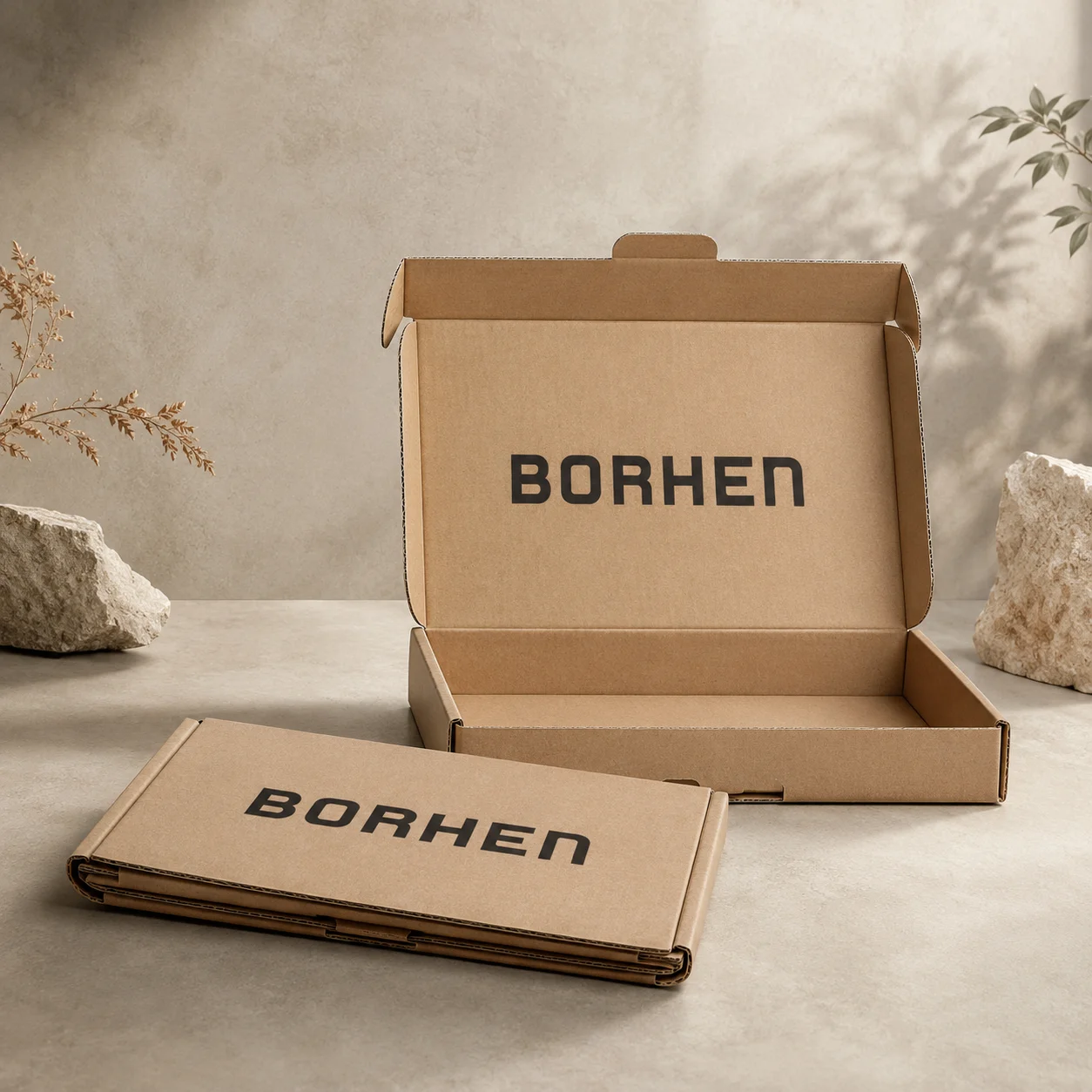
Choosing a reliable corrugated box manufacturer in China is not only about finding a supplier who can make a box at an acceptable price. In my view, it is about finding a packaging partner who can understand the product, review the structure, recommend the right corrugated board, control printing, manage sampling, maintain sample-to-bulk consistency, arrange export-ready packing, and support repeat orders with stable quality. For overseas B2B buyers, especially brands, importers, distributors, procurement teams, and e-commerce businesses, the real risk is not only whether the box can be produced. The real risk is whether the packaging can protect the product, ship safely, look consistent, arrive in good condition, and be reordered without repeated corrections.
A reliable custom corrugated packaging manufacturer should help turn a packaging idea into a production-ready, shipping-ready, and reorder-ready solution. This is the difference between a basic box supplier and a true packaging manufacturing partner. A basic supplier may quote based on size and quantity. A stronger partner will ask about the product, sales channel, shipping route, board strength, flute type, printing method, insert needs, export packing, MOQ, and long-term reorder plan. When I evaluate a corrugated packaging supplier in China, I look for this deeper level of support because it directly affects the buyer’s cost, product safety, communication efficiency, and long-term supply confidence.
Start by Looking Beyond the Lowest Price
When buyers search for a corrugated box manufacturer in China, price is often the first point of comparison. I understand this completely because packaging cost affects product margin, shipping budget, resale pricing, and long-term procurement planning. However, I do not believe the lowest price should be the only standard. A low quotation can look attractive at the beginning, but if the supplier does not understand structure, board strength, flute selection, printing control, internal protection, export packing, and repeat order consistency, the buyer may pay much more later through product damage, rework, delayed shipments, unclear communication, and unstable quality.
A reliable supplier should be able to explain the logic behind the quotation. I expect a professional corrugated packaging supplier China to discuss how box size, board type, flute type, printing method, dieline complexity, insert design, packing method, and order quantity affect the final cost. If the quotation is low because the board is weaker, the printing method is simpler, the packing is not export-ready, or the insert is not included, the buyer needs to know that before making a decision. For serious B2B buyers, a transparent quotation is more valuable than a cheap quotation with unclear assumptions.
Understand Whether the Supplier Thinks Like a Packaging Partner
A reliable corrugated box manufacturer should not behave only like an order taker. I believe the supplier should think like a packaging partner. This means they should not simply ask for size, quantity, and artwork, then move directly into pricing. They should understand why the box is needed, what product it will hold, how the product will be shipped, whether the package is customer-facing, and whether the buyer plans to reorder the same packaging in the future.
This difference matters because overseas buyers often do not need a factory that only follows instructions. They need a manufacturer who can identify risks before the project moves too far. If the box is too large, the product may move during shipping. If the board is too weak, the carton may collapse during stacking. If the dieline is too complex, packing may become slow. If the printing method does not match the board surface, the final result may disappoint the brand. A true packaging partner should help the buyer avoid these problems early instead of waiting until the sample or bulk order reveals them.
Evaluate the Manufacturer’s Structure Recommendation Ability
Structure recommendation is one of the first capabilities I look for when judging a custom corrugated packaging manufacturer. A supplier may be able to produce many types of boxes, but the more important question is whether they can recommend the right corrugated box structure for a specific product. A corrugated mailer box, standard shipping carton, die-cut corrugated box, display box, heavy-duty carton, flat-pack box, or box with inserts can all be useful, but they solve different problems.
When I evaluate a manufacturer, I look at whether they ask about product size, weight, fragility, packing direction, shipping method, sales channel, warehouse handling, and customer experience. A corrugated mailer box may work well for e-commerce delivery, but it may not be suitable for a heavy or fragile product. A die-cut corrugated box may create a better opening experience, but it may also increase tooling cost and assembly complexity. A heavy-duty corrugated box may protect export shipments, but it may be unnecessary for lightweight products. A reliable corrugated box manufacturer should help the buyer choose a structure based on real usage conditions, not only because a style looks popular.
Check Whether They Understand Product Fit and Protection
Product fit is one of the most important parts of corrugated packaging, and it reveals whether the supplier understands product protection. A box that is too large may require extra filler and still allow product movement. A box that is too tight may create pressure on the product and make packing difficult. A box that ignores product weight or weak points may look acceptable in a sample but fail during transportation.
I expect a reliable supplier to ask for product dimensions, weight, shape, fragility, and packaging direction before finalizing the structure. If the product is fragile, they should consider internal support, dividers, molded pulp inserts, paperboard inserts, honeycomb paper supports, or custom compartments. If the product is heavy, they should think about board strength, wall structure, bottom support, stacking performance, and export packing. In my view, a good China packaging manufacturer should understand that the box is not only an outer shell. It is a protection system built around the product.
Review Their Corrugated Board and Flute Selection Knowledge
Board and flute selection is one of the clearest signs of whether a supplier understands corrugated packaging performance. Corrugated board is not simply paper thickness. It affects compression resistance, cushioning, folding behavior, printing surface, shipping protection, storage performance, and cost. A supplier who cannot explain the difference between E-flute, B-flute, C-flute, BC-flute, single-wall corrugated board, and double-wall corrugated board may not be able to guide the buyer properly.
When I review a supplier’s board knowledge, I want to see whether they connect the material with the product journey. E-flute may be suitable for printed mailer boxes, subscription packaging, and customer-facing e-commerce packaging because it supports a cleaner surface and compact structure. B-flute or C-flute may be suitable for corrugated shipping boxes and general distribution packaging. BC-flute or double-wall corrugated board may be more suitable for heavier products, fragile items, and export shipping packaging. A reliable corrugated box manufacturer should not automatically recommend the cheapest board or the strongest board. They should recommend the board that balances protection, cost, printing quality, and repeat order stability.
Check Their Ability to Explain Trade-Offs Clearly
A reliable packaging supplier should be able to explain trade-offs honestly. In packaging, almost every choice affects another part of the project. A stronger board may improve shipping protection, but it may increase cost and thickness. A finer flute may improve printing, but it may not be strong enough for heavier products. Offset laminated printing may create better graphics, but it may increase MOQ and production time. A complex die-cut structure may improve presentation, but it may slow down packing. A molded pulp insert may support paper-based protection, but it may require tooling and sample testing.
I value suppliers who can explain these trade-offs before production. If a manufacturer only agrees to everything without explaining risks, the buyer may feel comfortable at first but face problems later. A reliable corrugated packaging supplier should help the buyer understand what is practical, what is risky, what will increase cost, and what may affect lead time. This kind of clarity is especially important for overseas buyers who cannot visit the factory easily and need to make decisions based on communication and samples.
Review Their Printing Control Capability
Printing control is important because custom printed corrugated boxes often need to support both brand presentation and operational clarity. A printed box may carry logos, product names, SKU marks, handling instructions, carton numbers, destination details, or full-color graphics. If the printing is poorly controlled, the packaging may look inconsistent, unclear, or different from the approved sample.
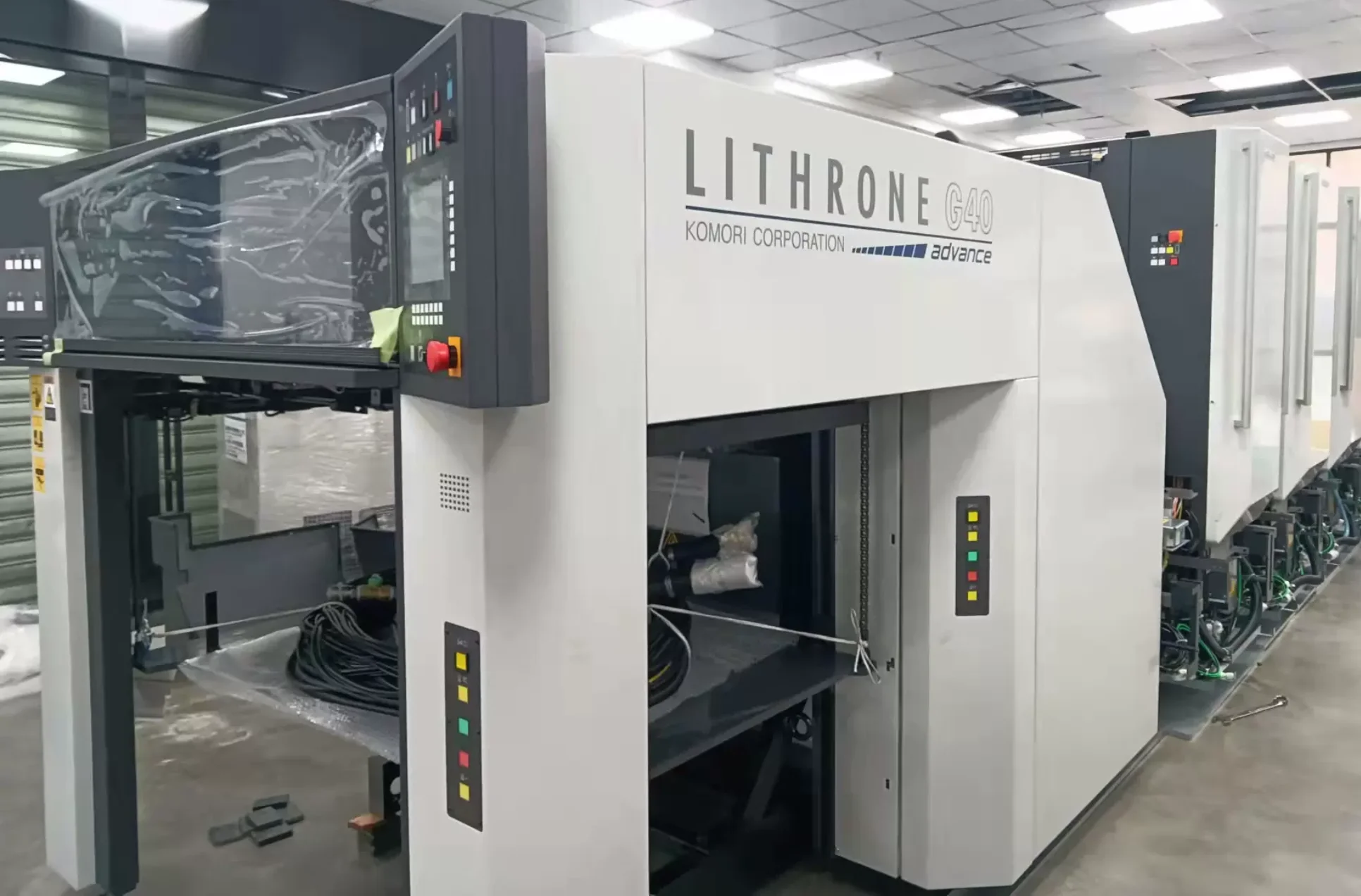
I expect a reliable custom corrugated packaging manufacturer to explain which printing method is suitable for the project. Flexographic printing may be practical for logo printed corrugated boxes, simple shipping marks, product information, and cost-efficient bulk production. Offset laminated printing may be better for full-color corrugated boxes, retail packaging, promotional boxes, and customer-facing mailer boxes that need sharper graphics. The supplier should also review board surface, flute type, artwork placement, color reference, fold lines, tape areas, label areas, and print tolerance. Good printing control begins before printing starts, not after problems appear on the finished box.
Look for Strong Artwork and Dieline Review
Artwork and dieline review are essential because many production problems begin in the file stage. A flat dieline may look correct on screen, but the final box must be folded, glued, packed, sealed, stacked, and shipped. If the artwork crosses crease lines awkwardly, if the logo is placed near a fold, if the glue area is not considered, or if the product clearance is too tight, the final packaging may not match the buyer’s expectations.
A reliable corrugated box manufacturer should review the dieline from both a visual and production perspective. They should check folding direction, glue areas, lock positions, bleed, artwork placement, printing layers, product fit, insert space, and assembly logic. If the buyer provides artwork, the supplier should not simply accept it without review. They should identify potential production risks and explain them clearly. This is especially important for die-cut corrugated boxes, corrugated mailer boxes, custom printed boxes, and packaging with inserts.
Look for a Clear Sampling Process
A clear sampling process is one of the strongest signs of a reliable corrugated packaging supplier. I see the sample as more than a visual preview. It is the first physical test of box size, board selection, flute type, structure, printing effect, insert fit, packing method, and opening experience. A sample helps the buyer understand whether the packaging idea can become a real production standard.
A reliable corrugated box manufacturer in China should confirm important details before sampling, including product size, board direction, flute type, dieline, printing method, insert layout, and packing requirements. After the sample is completed, the buyer should be able to check product fit, closure performance, insert stability, print position, folding behavior, and assembly practicality. The approved sample should become the reference for bulk production. If the supplier treats sampling casually, the buyer may approve something that cannot be repeated consistently later.
Confirm Their Sample-to-Bulk Consistency Control
Sample-to-bulk consistency is one of the biggest concerns for international buyers. A sample may look good, but the real test begins when the order moves into bulk production. If the board changes, the flute type shifts, the dimensions vary, the printing color changes, the glue strength is unstable, or the insert fit becomes loose, the buyer may face problems after the packaging has already been produced.
I believe a reliable corrugated box manufacturer should treat the approved sample as the production standard. The supplier should document the box size, board type, flute type, liner paper, printing method, color reference, dieline, insert structure, glue area, packing method, and quality expectations before bulk production begins. During production, they should control material consistency, cutting accuracy, creasing quality, folding performance, print alignment, glue strength, insert fit, and final packing. For mature brands, importers, and distributors, the ability to repeat the approved sample is often more important than the first sample itself.
Evaluate Their Bulk Production Management
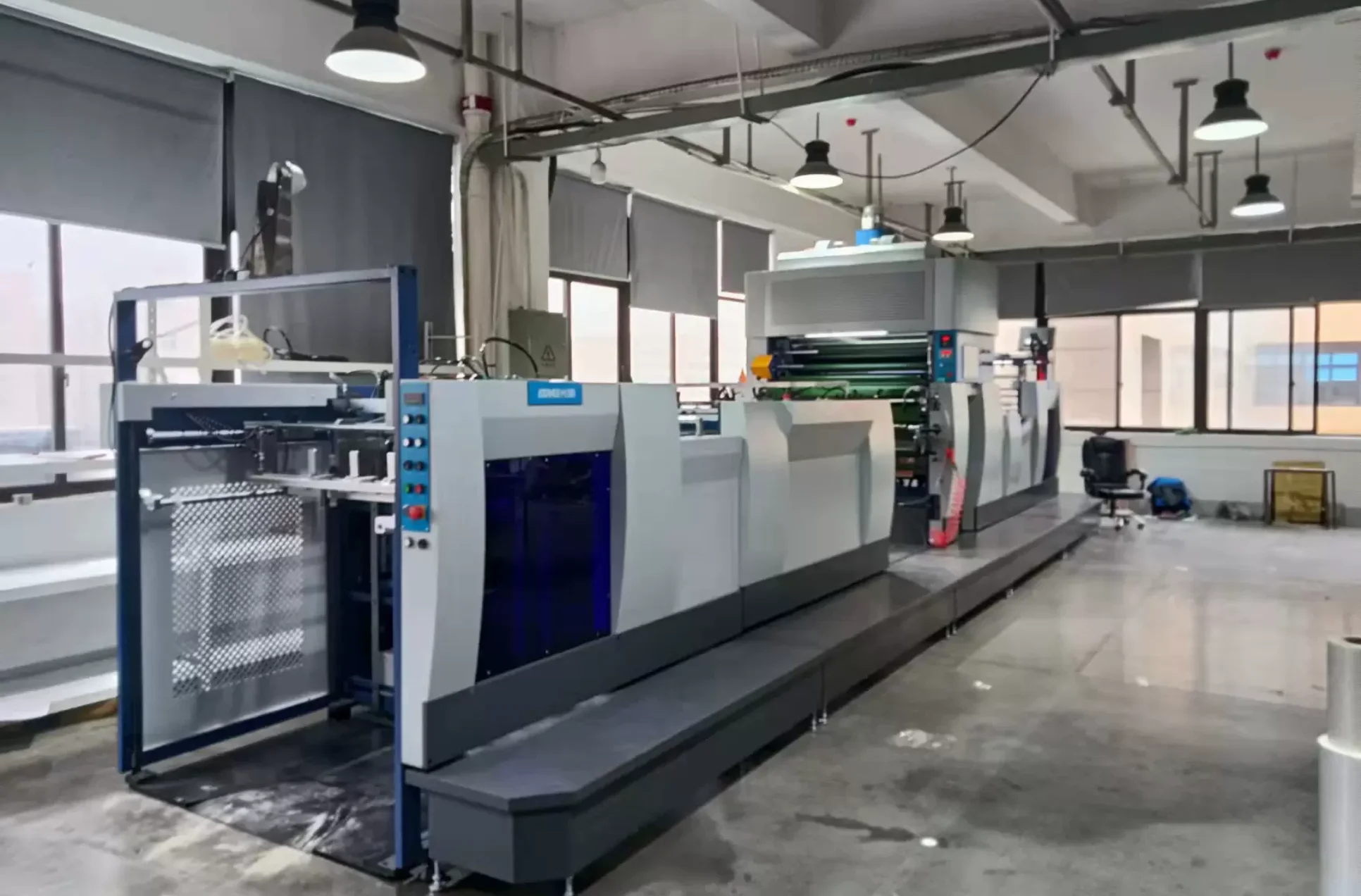
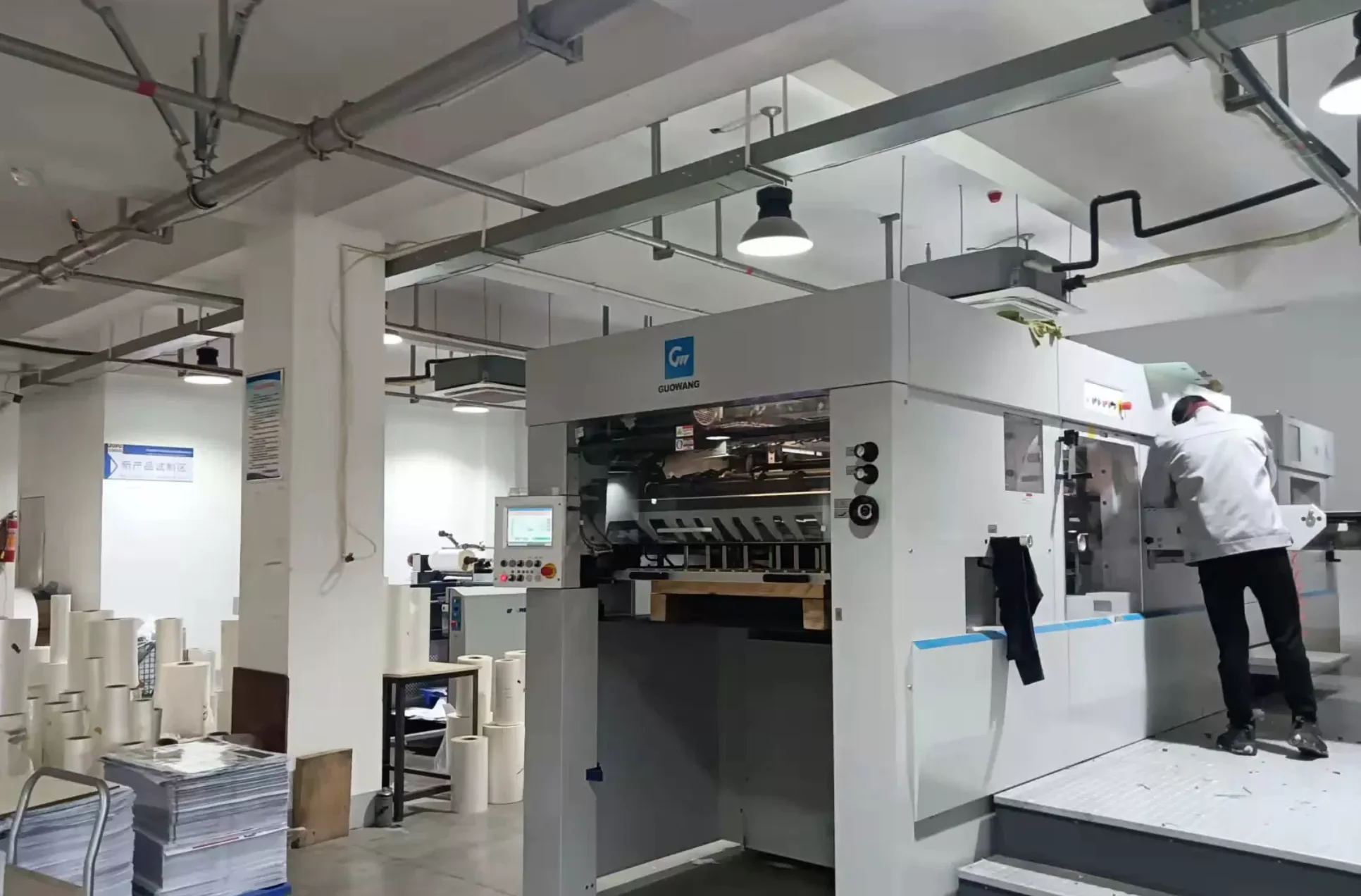
Bulk production management matters because corrugated packaging involves many connected production steps. Depending on the project, production may include paper preparation, printing, laminating, die-cutting, slotting, creasing, folding, gluing, insert manufacturing, final forming, inspection, flat packing, outer packing, and export coordination. If one step is poorly controlled, the final box may not perform correctly.
When I evaluate a corrugated packaging supplier, I look at whether they understand how each step affects the next. Board quality affects folding and stacking strength. Flute direction affects structural performance. Printing affects brand presentation and identification. Dieline accuracy affects assembly and product fit. Insert production affects protection and opening experience. Packing method affects export delivery and storage condition. A reliable custom corrugated packaging manufacturer should manage the process as a system, not as disconnected operations.
Check Their Quality Inspection Process
Quality inspection is essential because small packaging variations can create large business problems. A box that is slightly wrong in size may not fit the product. A weak crease may make assembly difficult. Poor glue strength may cause the box to open during handling. Inaccurate printing may affect brand presentation or warehouse identification. Weak board may reduce stacking performance. A poorly fitted insert may allow product movement and damage.
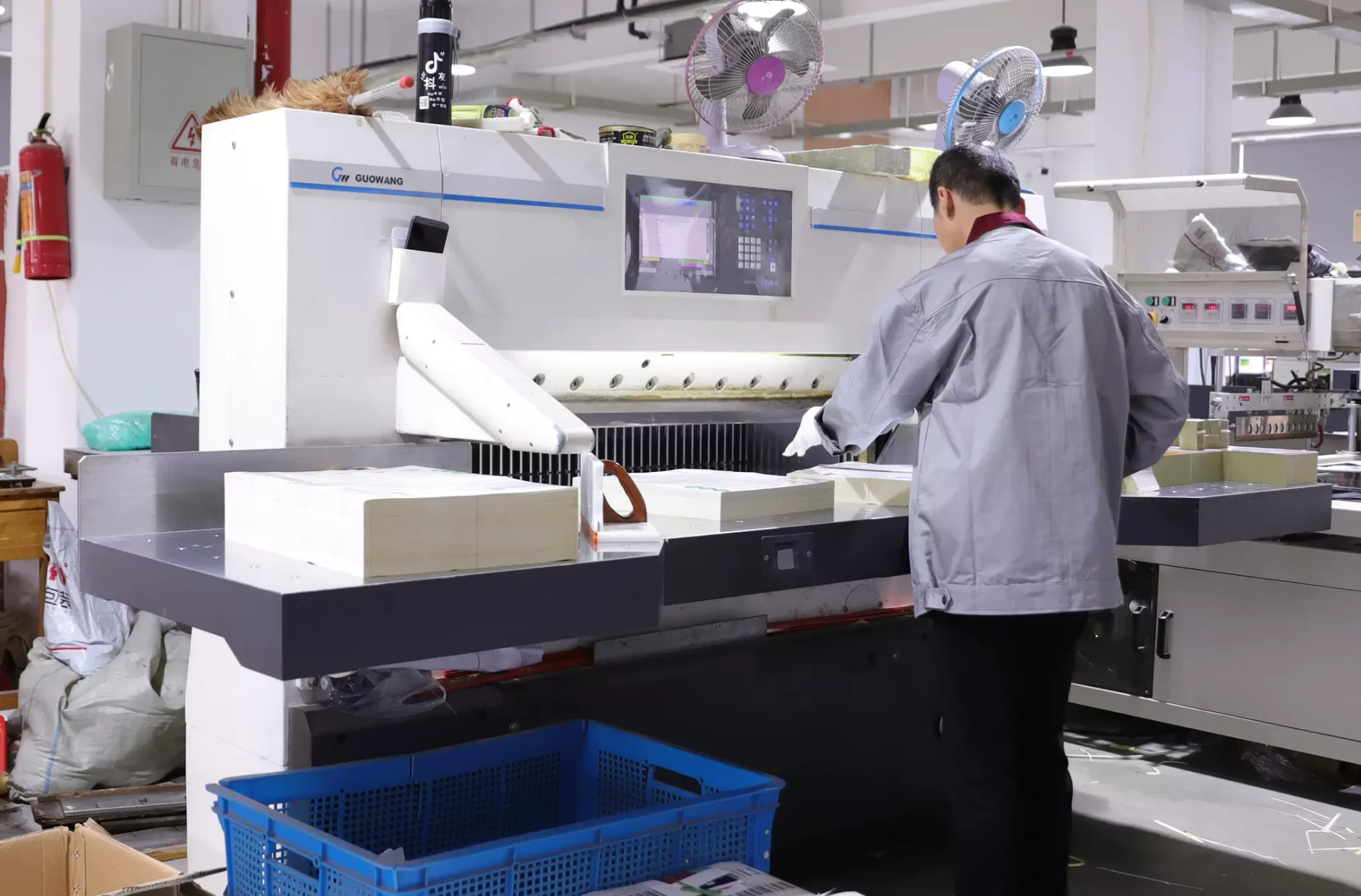
When I evaluate quality inspection, I look for practical inspection points. A reliable corrugated box manufacturer should inspect box dimensions, board quality, flute condition, printing accuracy, die-cutting position, creasing performance, folding behavior, glue strength, insert fit, packing condition, and shipment readiness. Inspection should not only happen at the end. Important details should be controlled during material preparation, production, and final packing. For overseas buyers, a clear inspection process helps reduce uncertainty before the goods leave China.
Consider Their Export Packing Experience
For international buyers, export packing experience is very important. Finished corrugated boxes may need to travel through long shipping routes before the buyer even uses them. They may be packed flat, placed in outer cartons, stacked on pallets, loaded into containers, moved through ports, stored in warehouses, and handled by freight forwarders. If the finished boxes are not packed properly, they may arrive bent, crushed, damp, dirty, or difficult to use.
A reliable corrugated packaging supplier in China should understand export packing requirements. They should consider flat packing, outer carton strength, palletizing, stacking method, moisture protection, carton labeling, and shipping coordination. If the buyer needs packaging delivered to a freight forwarder, distributor warehouse, fulfillment center, or e-commerce supply chain, the supplier should communicate packing details clearly. I see export packing as part of the packaging solution because it protects the finished boxes before they reach the buyer’s operation.
Review Their Communication Efficiency and Technical Clarity
Communication is one of the strongest signals of supplier reliability. For overseas buyers sourcing from China, unclear communication can create wrong samples, incorrect artwork, production delays, MOQ misunderstandings, quality issues, and missed shipping schedules. A supplier may have manufacturing capability, but if they cannot explain details clearly, the buyer may still face uncertainty throughout the project.
When I evaluate communication, I look at whether the manufacturer can explain technical details in a way that is practical and easy to understand. They should clarify what is realistic, what may increase cost, what may affect MOQ, what needs to be confirmed before sampling, and what should be controlled before bulk production. They should not give vague answers or avoid difficult questions. A reliable corrugated box manufacturer should make the buyer feel informed and supported, not confused or pressured.
Look for Repeat Order Management Ability
Repeat order management is especially important for mature brands, importers, distributors, and procurement teams. The first order may prove that the supplier can produce the packaging once. Repeat orders prove whether the supplier can keep producing it consistently. If board strength changes, printing color shifts, box dimensions vary, insert fit changes, or packing standards become inconsistent, the buyer may face repeated problems.
I expect a reliable supplier to document approved specifications clearly. The board type, flute type, box size, dieline, artwork, color reference, insert structure, packing method, and quality standards should be recorded and followed. If material availability changes, the supplier should explain the potential impact before production. Long-term packaging supply depends on repeatability. A reliable manufacturer should reduce repeated explanation, repeated correction, and repeated uncertainty for the buyer.
Check Whether the Supplier Understands Different Buyer Types
Different B2B buyers have different packaging priorities. A procurement manager may care most about stable quality, cost control, lead time, and repeat order reliability. An e-commerce brand may care about corrugated mailer box structure, fulfillment efficiency, unboxing experience, and customer delivery. An importer or distributor may care about scalable supply, multi-SKU management, export packing, and consistent specifications. A packaging designer or agency may care about dieline feasibility, print effect, and structure execution.
A reliable corrugated packaging supplier should understand these differences instead of giving every buyer the same answer. Some customers need practical corrugated shipping boxes. Some need custom printed corrugated boxes for brand presentation. Some need corrugated boxes with inserts for fragile products. Some need FSC-certified corrugated packaging for sustainability requirements. In my view, a strong supplier adapts their recommendation to the buyer’s real business model and project goal.
Evaluate Their Sustainability and FSC Support
Sustainability is becoming more important for international buyers, especially those selling into Europe, North America, Australia, and other markets where responsible paper-based packaging matters. If a buyer needs FSC-certified corrugated packaging, recyclable corrugated structures, kraft board, paperboard inserts, molded pulp inserts, or other eco-conscious packaging options, the supplier should be able to discuss these choices clearly.
Borhen Pack has FSC certification, which can help buyers who need more responsible paper-based packaging options. However, I always believe sustainability must be balanced with protection, printing, cost, MOQ, and production stability. A supplier should not recommend a material only because it sounds environmentally friendly. They should review whether the material can protect the product, print properly, meet order requirements, and remain stable across repeat production. A reliable China packaging manufacturer should help buyers choose sustainable options that are both responsible and practical.
Understand Lead Time and Production Planning
Lead time matters because packaging is often connected to product launches, retail schedules, distributor deliveries, seasonal campaigns, and fulfillment timelines. A reliable corrugated box manufacturer should communicate sampling time, material preparation time, printing time, bulk production time, quality inspection time, export packing time, and shipping coordination clearly. If the project involves special paper, full-color printing, molded pulp inserts, complex dielines, or large quantities, the timeline may need more planning.
I prefer realistic lead time communication over overly optimistic promises. A supplier who promises everything too quickly without reviewing project details may create risk later. It is better to understand what needs to be confirmed before sampling, what may affect production, and what should be scheduled early. For B2B buyers, predictable timing is often more valuable than an unrealistic fast promise that may fail when the project becomes more complex.
Avoid Choosing a Supplier Only from Product Photos
Product photos can help buyers understand what a supplier has produced, but photos alone cannot prove reliability. A photo shows the finished box, but it does not show whether the supplier reviewed the structure properly, selected the right board, controlled printing, corrected samples, inspected production, packed for export, or managed repeat orders well. Two suppliers may show similar product photos, but their process quality may be completely different.
When I evaluate a corrugated packaging supplier, I look at how they think and communicate. Do they ask about the product? Do they explain board and flute choices? Do they review dielines? Do they identify printing risks? Do they discuss inserts and internal protection? Do they understand export packing? Do they control sample-to-bulk consistency? These process signals often reveal more than photos alone. A reliable supplier should be able to explain the reasoning behind the packaging, not only show the result.
Why Stable Capacity Matters
Stable capacity matters because B2B buyers often need packaging aligned with production schedules, product launches, shipping windows, and repeat order cycles. A supplier may be able to produce a small sample order, but if they cannot manage larger quantities, urgent timelines, or repeat programs, the buyer may face delays when the business grows. This is especially important for importers, distributors, and mature brands that need predictable supply.
When I think about capacity, I do not only mean factory size. I also think about production coordination, material sourcing, printing scheduling, quality control, packing arrangement, and communication speed. A reliable supplier should be able to support the buyer’s growth without losing control over details. Stable capacity means the manufacturer can handle production volume while still maintaining structure accuracy, printing consistency, board quality, and packing standards.
Why Borhen Pack Is More Than a Corrugated Box Supplier
At Borhen Pack, I position corrugated packaging support as more than simply producing boxes. The goal is to help overseas B2B buyers turn packaging requirements into solutions that can be sampled, produced, shipped, and reordered with greater confidence. That means reviewing the product, structure, board type, flute selection, printing method, inserts, packing method, quality expectations, export needs, sustainability direction, MOQ, and repeat order plan before the project moves too far into production.
For buyers searching for a corrugated box manufacturer in China, this kind of support can reduce uncertainty. A customer may come with a reference box, product sample, artwork, dieline, or rough packaging idea, but the real work is turning that idea into a production-ready packaging standard. I believe Borhen Pack’s value is in helping customers think through practical details that affect real business results, including product protection, shipping performance, printing consistency, cost efficiency, production feasibility, export packing, and long-term supply stability.
How I Would Choose a Corrugated Packaging Supplier
If I were choosing a corrugated packaging supplier China for a serious B2B project, I would not make the decision only by price, product photos, or quick replies. I would look for a supplier who understands the full packaging journey. I would want a manufacturer who can review the product, recommend the right corrugated box structure, explain board and flute choices, guide printing methods, develop samples clearly, control bulk production, inspect quality, arrange export packing, and support repeat orders.
I would also look for a supplier who explains trade-offs honestly. Packaging always involves decisions between cost and strength, printing effect and board surface, MOQ and customization, sustainability and protection, structure creativity and production efficiency. A reliable corrugated box manufacturer should help prevent problems before production rather than only respond after problems appear. In my view, the right supplier is not only the one who can make the box. It is the one who can make the packaging project safer, clearer, and more scalable.
Final Thoughts on Choosing a Reliable Corrugated Box Manufacturer in China
Choosing a reliable corrugated box manufacturer in China is ultimately about choosing a partner who can reduce risk throughout the packaging project. A good supplier should support structure advice, material and flute selection, printing control, artwork and dieline review, sample development, sample-to-bulk consistency, bulk production management, quality inspection, export packing, communication clarity, sustainability options, stable capacity, and repeat order management. These factors matter because custom corrugated packaging must perform in real business conditions, not only look acceptable in a sample photo.
When I think about the role of Borhen Pack, I see it as helping overseas customers move from packaging ideas to production-ready, shipping-ready, and reorder-ready corrugated packaging solutions. For brands, importers, distributors, procurement teams, and e-commerce businesses, the right China packaging manufacturer should help make packaging more reliable, more practical, and easier to scale. That is the real value of working with a dependable custom corrugated packaging manufacturer: not only receiving boxes, but building a packaging supply system that supports product protection, shipping performance, brand presentation, operational efficiency, and long-term business growth.