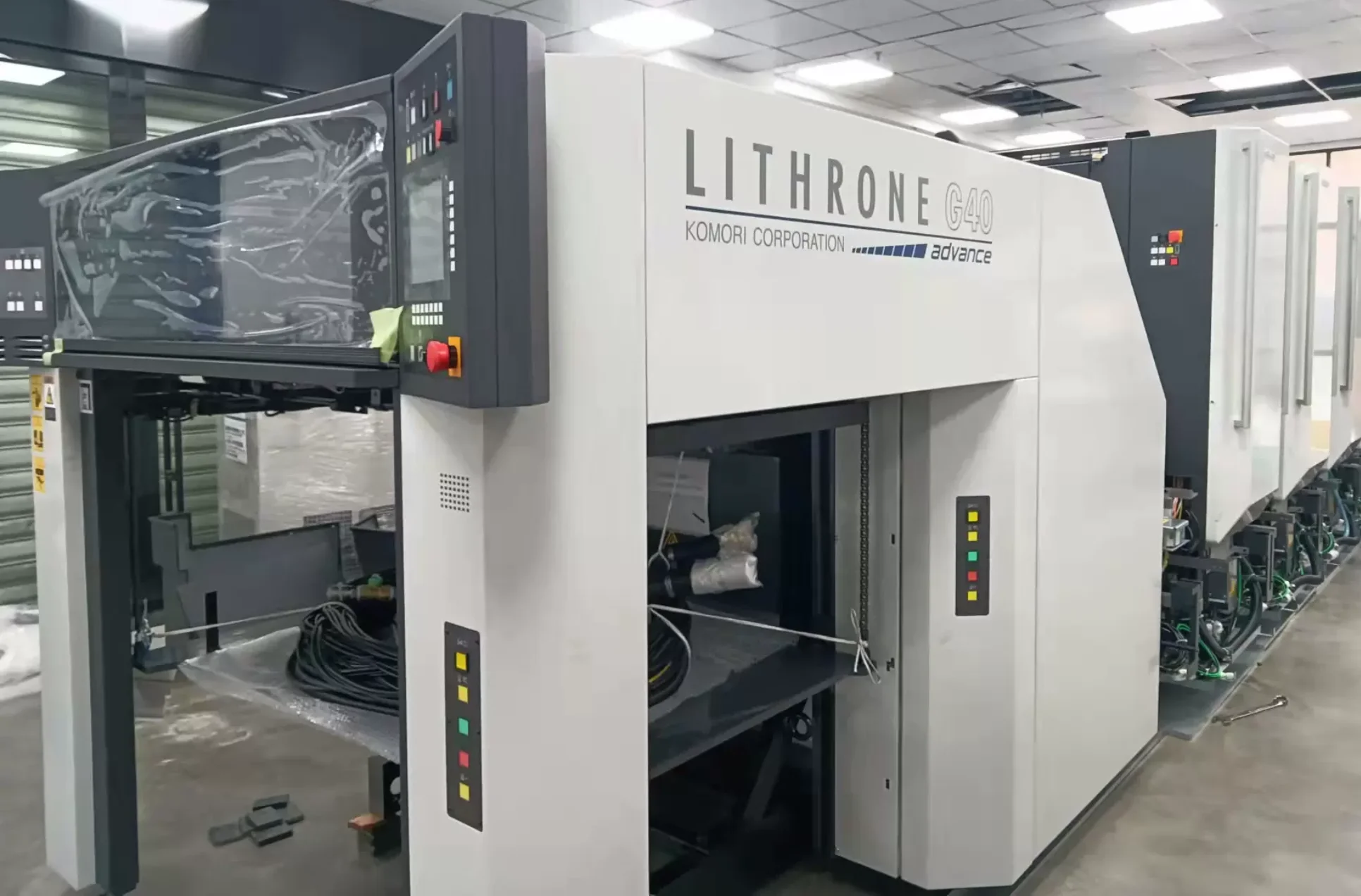
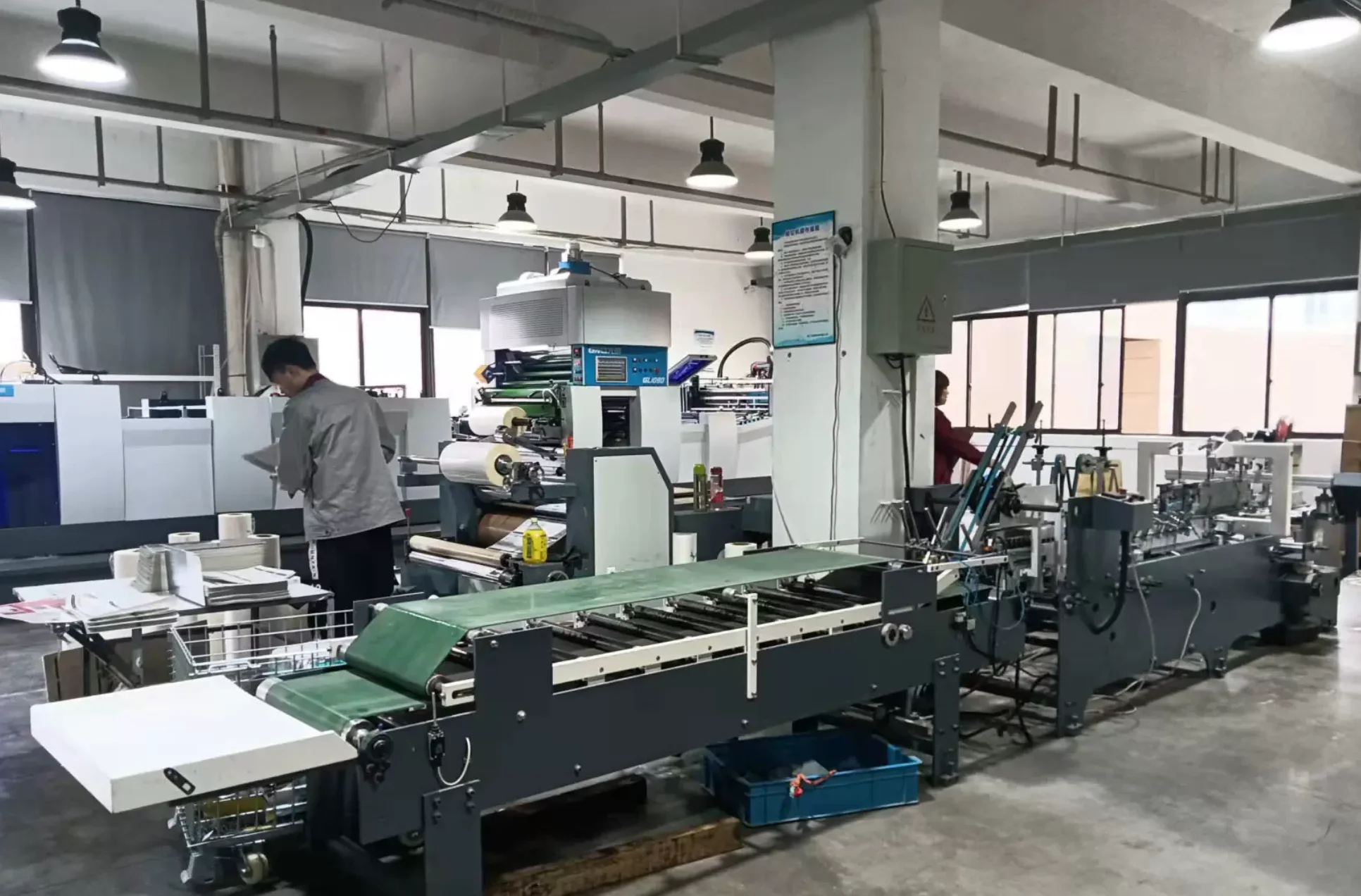
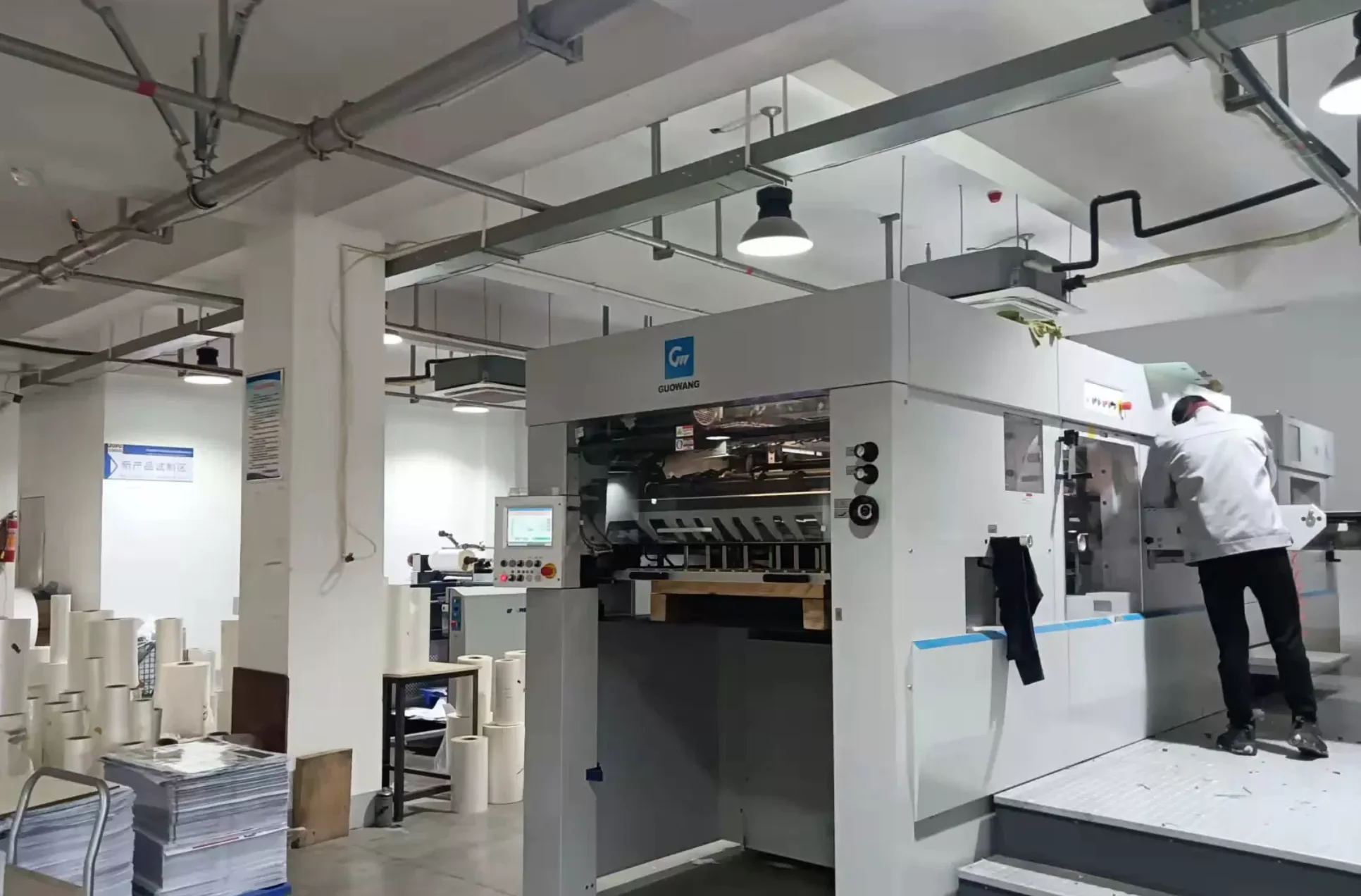
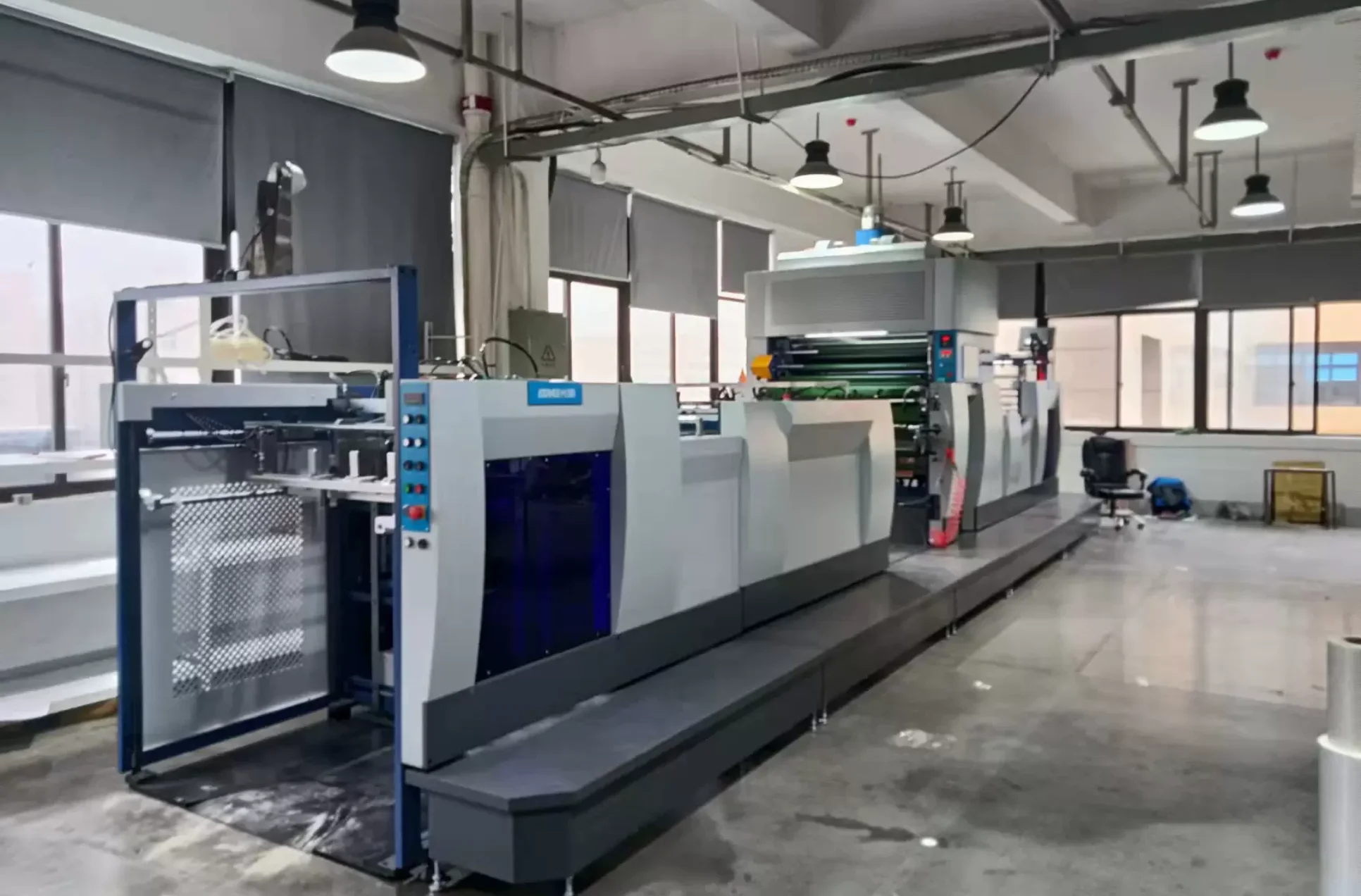
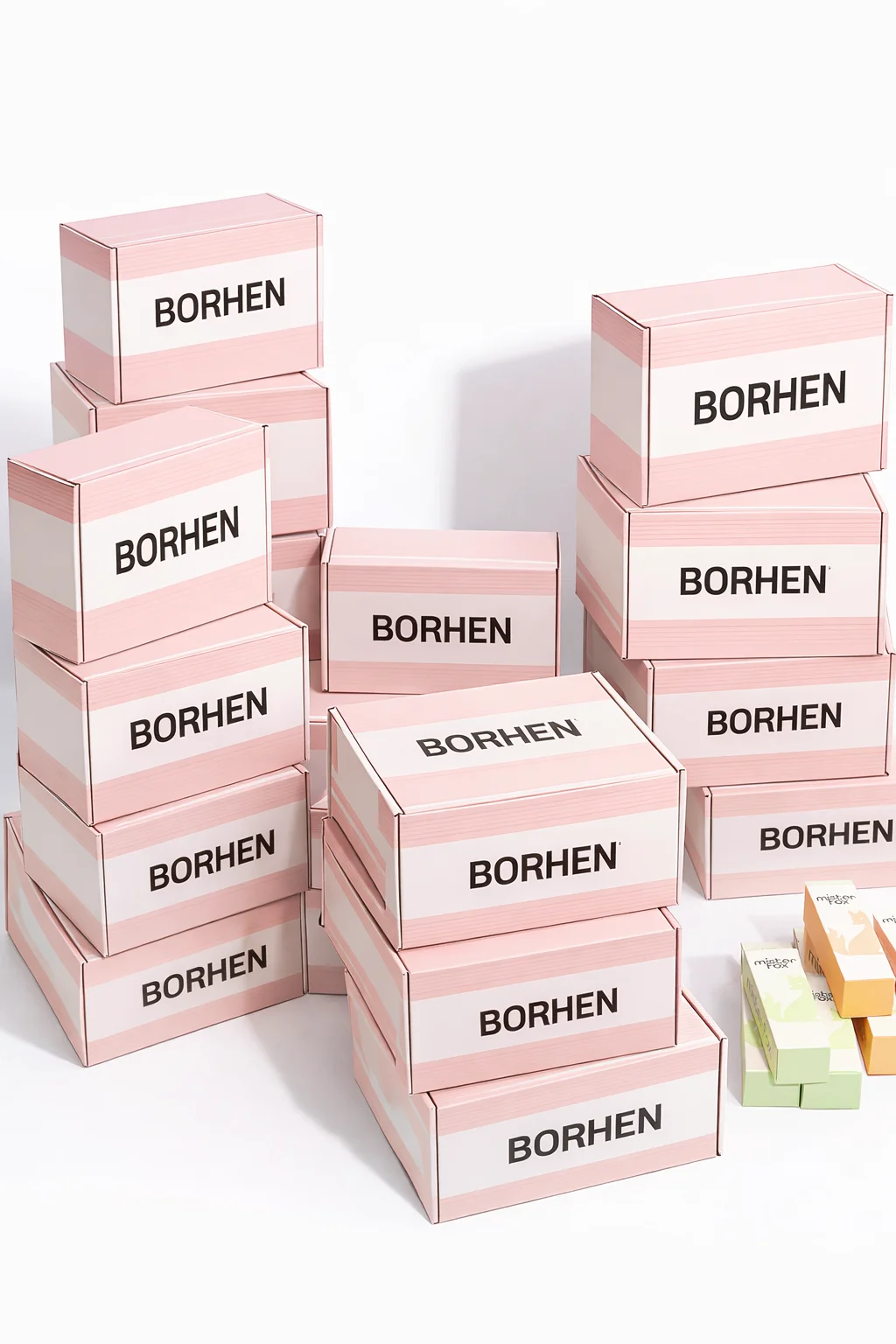
Your Trusted Mailer Boxes Manufacturer

You get custom Mailer Boxes that are built to perform at scale — with consistent structure, predictable quality, and stable repeat production, so your programs move forward without delays, rework, or supply-chain surprises.

Custom Mailer Boxes

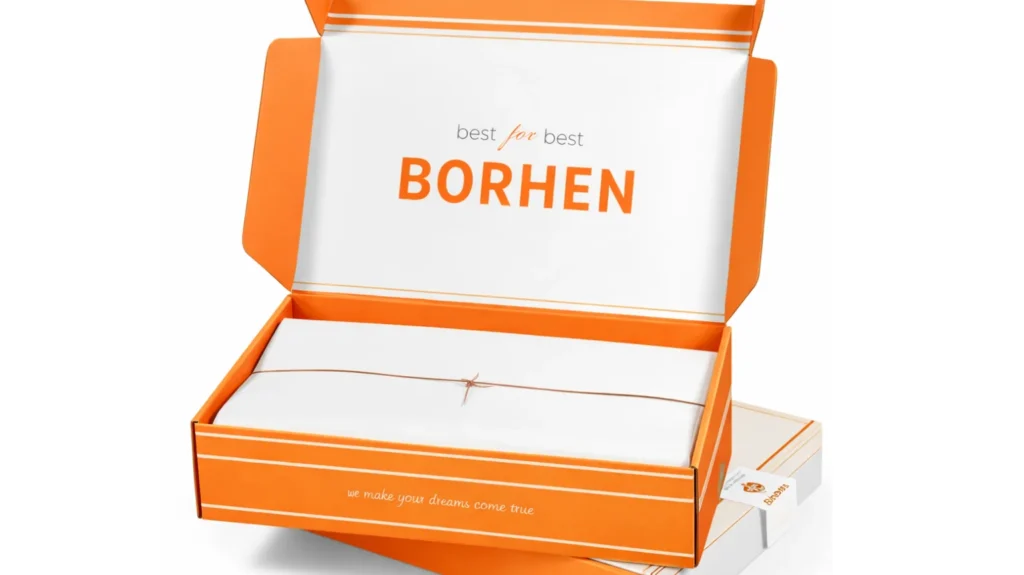
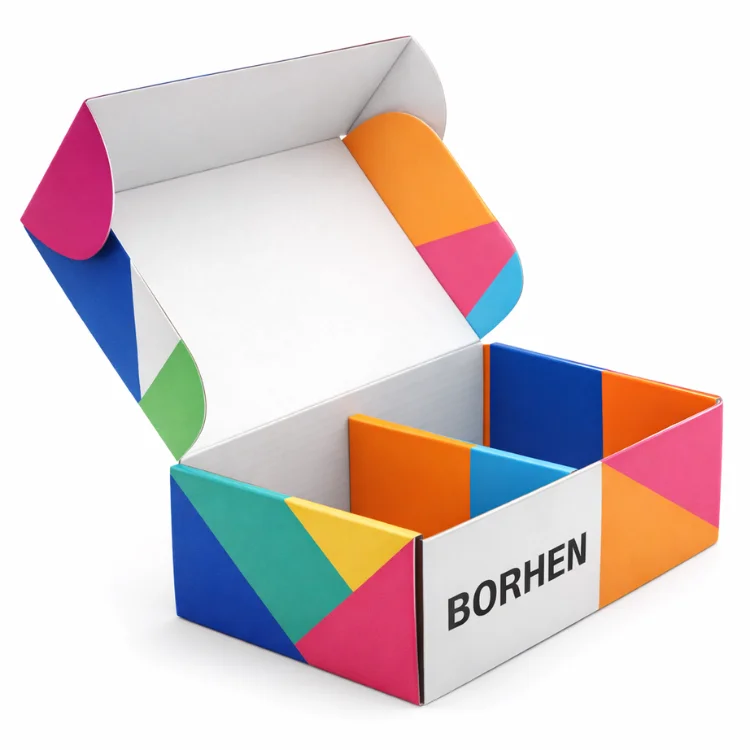
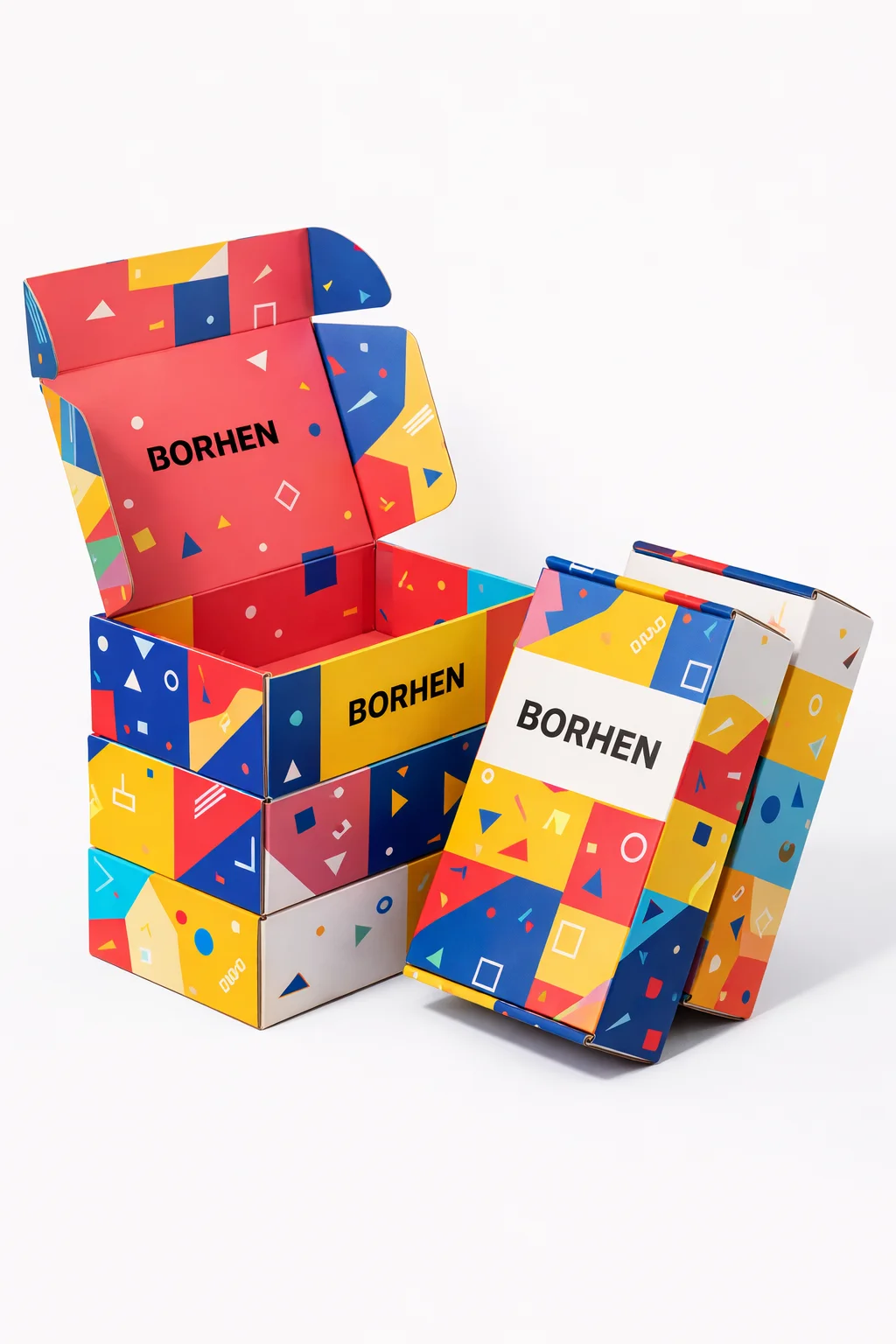
At Borhen Pack, we believe a custom mailer box is more than just outer packaging. It’s part of how your product is experienced the moment it arrives. The strength of the box, how cleanly it opens, how well everything fits inside — these small details influence whether your packaging feels reliable, well-made, and worth keeping. That’s why we approach custom mailer boxes manufacturing with a focus on both execution and long-term use, not just production.
 
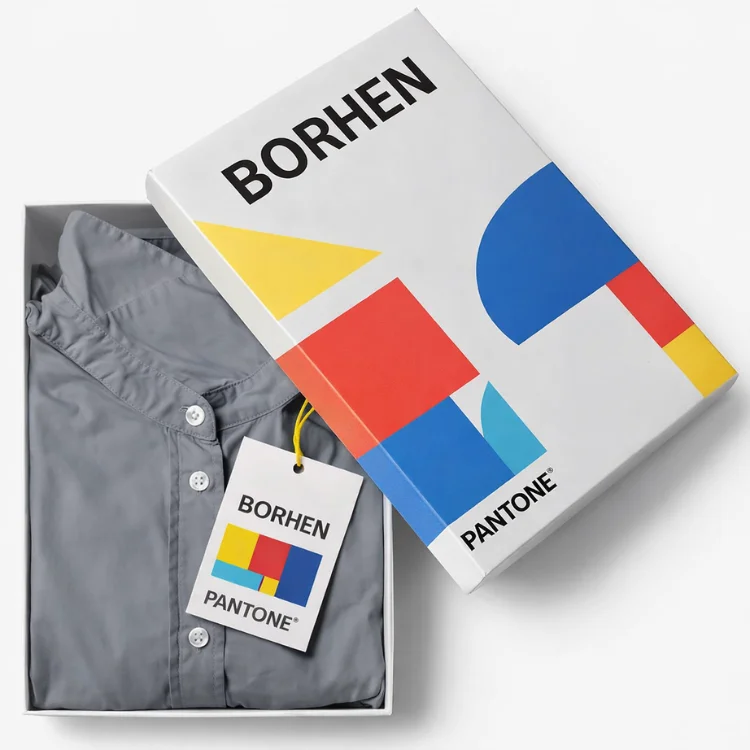
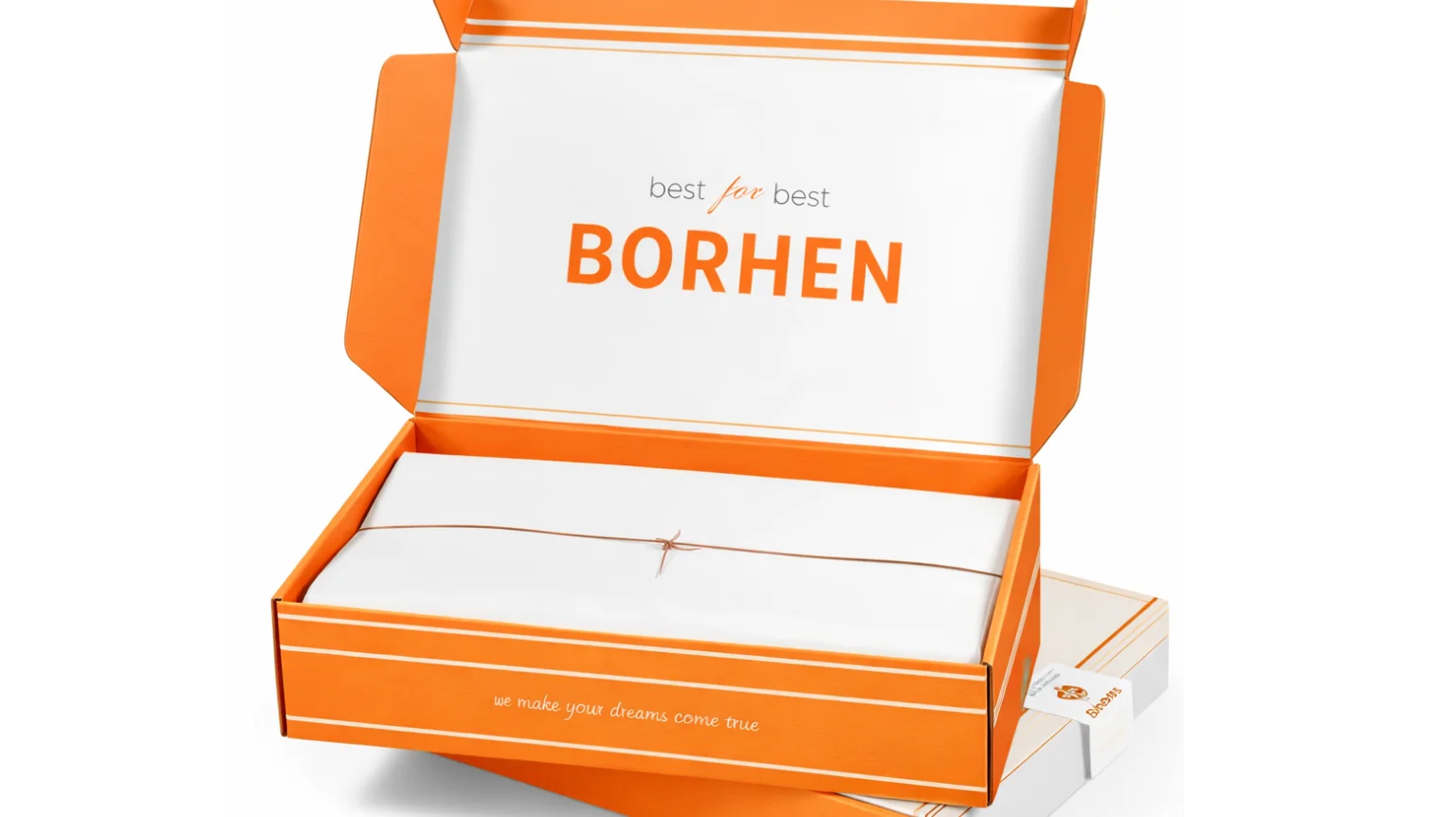
We design and manufacture custom mailer boxes that balance presentation, protection, and consistency. From branded e-commerce mailer boxes and PR boxes to shoe boxes and other structured mailer solutions, our work is guided by how the packaging is actually used — packed, shipped, stored, and reordered. We pay close attention to materials, structure, and printing details so each box performs well in transit while maintaining a clean, professional appearance.
 
As your manufacturing partner, we don’t just produce boxes and move on. We help turn your requirements into a mailer box solution that can be produced reliably, shipped internationally, and reordered without surprises. Whether the goal is a smaller initial run or a more established supply program, we guide each step with clear communication and practical recommendations — so your custom mailer boxes support your operations, protect your products, and grow smoothly over time.

Custom Apparel Boxes

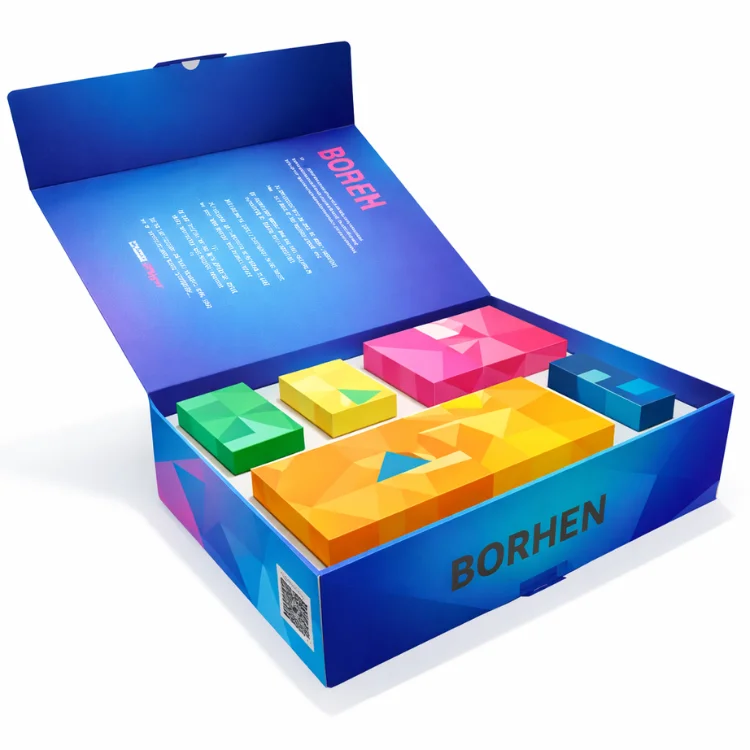
Custom PR Boxes

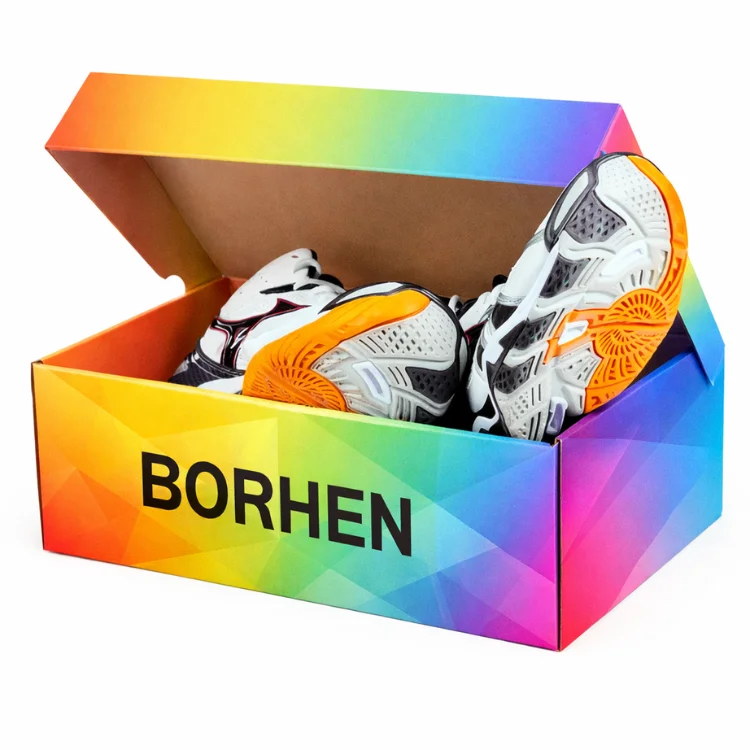
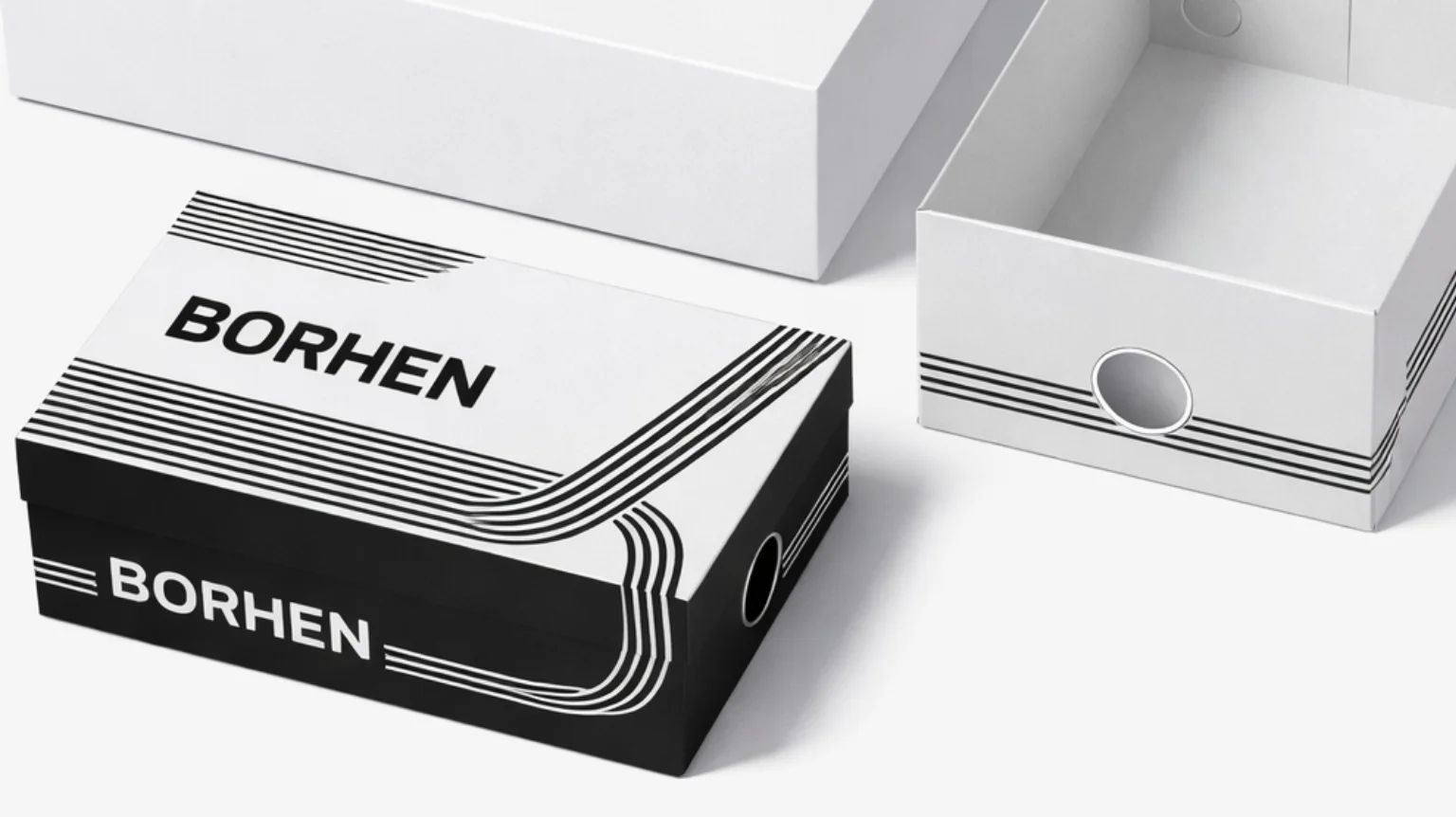
Custom Shoe Boxes

Custom E-commerce Boxes

Build Custom Mailer Boxes That Support Your Operations — Not Just Your Products

At Borhen Pack, we see custom mailer boxes as more than shipping containers. They’re part of how smoothly your operations run and how consistently your brand is delivered. Box strength, dieline accuracy, closure fit, print alignment, and how easily the box assembles all affect whether packaging performs well in transit, looks professional on arrival, and stays consistent across repeat orders. That’s why we treat custom mailer box manufacturing as a long-term packaging solution, not a one-off production task.
 
We manufacture custom mailer boxes designed for real-world use — packing lines, fulfillment centers, storage, and repeat reorders. From branded e-commerce mailer boxes and PR boxes to apparel and shoe mailer boxes, we focus on structures that balance presentation, protection, and production efficiency. Every box we produce is built with practical considerations in mind: reliable lead times, stable materials, clear specifications, and production details that prevent issues later in scaling.
artwork, and performance requirements into a mailer box solution that can be approved easily, produced consistently, shipped internationally, and reordered without surprises. Whether you’re starting with a smaller run or planning for ongoing volume, we guide material choices, structure options, printing, and finishing — so your custom mailer boxes support daily operations, protect what matters, and grow smoothly over time.
 
Our Most Requested Custom Mailer Box Types
1️⃣ Custom Apparel Mailer Boxes Designed to protect garments during shipping while maintaining a clean, branded presentation suitable for repeat orders.
2️⃣ Custom PR Mailer Boxes Built for presentation-focused programs where structure, opening experience, and print quality matter as much as protection.
3️⃣ Custom Shoe Mailer Boxes Engineered for strength and dimensional stability, ensuring consistent fit and reliable performance during transport.
4️⃣ Custom E-commerce Mailer Boxes Optimized for fulfillment efficiency, durability, and cost control across ongoing shipping programs.
 
MOQ & Customization Options (Built for Practical Scaling)
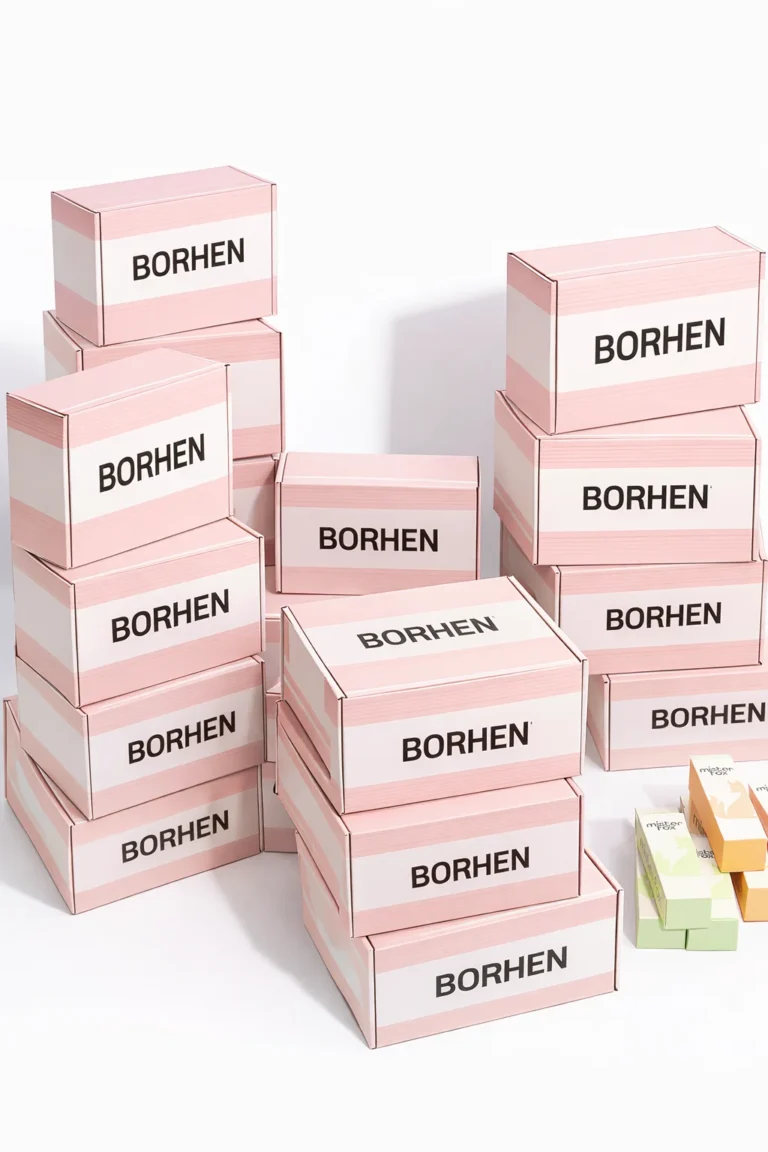
At Borhen Pack, we make it realistic to start and straightforward to scale. Our standard MOQ typically begins at 500 pieces, making it suitable for testing a new program or launching an initial run. For more complex structures, specialty materials, or premium finishes, higher MOQs may apply to ensure production stability and cost efficiency. We explain these factors clearly upfront, so expectations stay aligned.
Each project includes structure recommendations, dieline coordination, material and finish guidance, sampling support, and consistency checks — all aimed at keeping your custom mailer boxes reliable across repeat orders and scalable without disrupting your supply flow.

More Than Just a Custom Mailer Boxes Manufacturer

At Borhen Pack, we don’t see custom mailer boxes as a one-time packaging task. We see them as part of how a packaging program actually runs over time. Once packaging moves beyond a single order, details like box strength, structural accuracy, assembly speed, and repeat consistency start to matter just as much as appearance. That’s why we focus on how mailer boxes perform in real production, shipping, and reordering — not just how they look in a sample.

✅ Packaging Built for How Toy Programs Actually Run

We design and manufacture custom mailer boxes based on real distribution and fulfillment conditions. That means paying attention to structural stability, clean folds, reliable closure, and how efficiently boxes can be packed, stacked, and shipped. What gets approved at the sampling stage should be what runs smoothly in mass production — without extra adjustments, delays, or unexpected issues later.

✅ MOQs That Support Projects, Not Just Experiments

We keep entry realistic while planning for growth. Many custom mailer box projects can start from 500 pieces, which allows room for testing, pilot runs, or new packaging rollouts. When a design involves more complex structures, special paper stocks, or heavier finishing, we’ll explain clearly why a higher MOQ makes sense. The goal is to choose quantities that support stable production and cost control, without forcing unnecessary risk or redesign.

✅ Consistency You Can Rely on Across Repeat Orders

With mailer boxes, consistency is critical. We control materials, color output, structural tolerances, and finishing details so each production run stays aligned — not “close enough.” This helps reduce packing issues, avoids quality disputes, and keeps presentation stable across shipments. When it’s time to reorder, you shouldn’t need to start over or worry about variation. The process should feel predictable and repeatable.

✅ Export-Ready Production for Global Toy Distribution

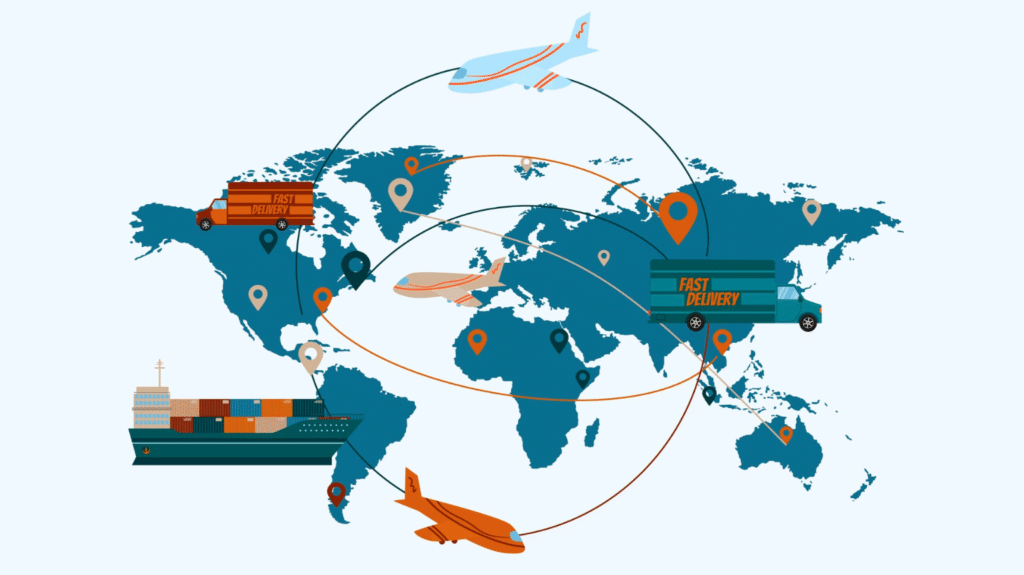
We manufacture custom mailer boxes with international shipping in mind from the beginning. From carton strength and packing methods to load efficiency and transit durability, we focus on details that help packaging travel well and arrive clean. The result is fewer surprises in logistics, better protection in transit, and packaging that supports long-term supply continuity across global markets.

Build Custom Mailer Boxes That Support Scale — Not Just Design

When you work with Borhen Pack, you’re not just choosing a custom mailer boxes manufacturer. You’re working with a team that understands how packaging behaves once it enters real operations. A mailer box isn’t just about how it looks — it affects packing speed, shipping durability, storage efficiency, and how confidently you can reorder without worrying about changes. Our focus is straightforward: build mailer boxes that run smoothly, protect your products, and stay consistent as volumes grow.
 
Whether you’re standardizing packaging across multiple SKUs, moving away from generic shipping boxes, or preparing a new rollout for e-commerce, retail, or promotional programs, we design every custom mailer box around real-world execution. From apparel and shoe mailer boxes to PR and e-commerce mailer boxes, we focus on structures that assemble cleanly, hold their shape during transit, and remain visually consistent — the kind of reliability packaging needs once it’s used at scale.
Structures Designed for Real Shipping & Fulfillment Conditions
We don’t believe in one-size-fits-all mailer boxes. Every project starts with how your products are packed, stacked, shipped, and opened. We use proven mailer box structures as a base, then fine-tune dimensions, board thickness, closure style, and internal fit to match actual use. If there’s a smarter way to improve protection, reduce damage risk, or make packing more efficient, we’ll explain it clearly and help you choose the most practical option. The goal is simple: mailer boxes that perform consistently across repeat orders, not just a sample that looks good on a desk.
 
Packaging That’s Easy to Start — and Built to Scale
We believe custom mailer boxes should be realistic to launch and easy to scale. Many projects can begin from 500 pieces, which supports pilot runs, new packaging tests, or early-stage programs. As volumes grow, moving into larger quantities, stronger materials, or upgraded finishes becomes straightforward. If a design involves heavier customization or more complex structures, we’ll recommend a higher MOQ upfront so production stays stable and cost-effective. That way, growth doesn’t require changing suppliers or redesigning your packaging halfway through.
 
A Production Process Focused on Reliability
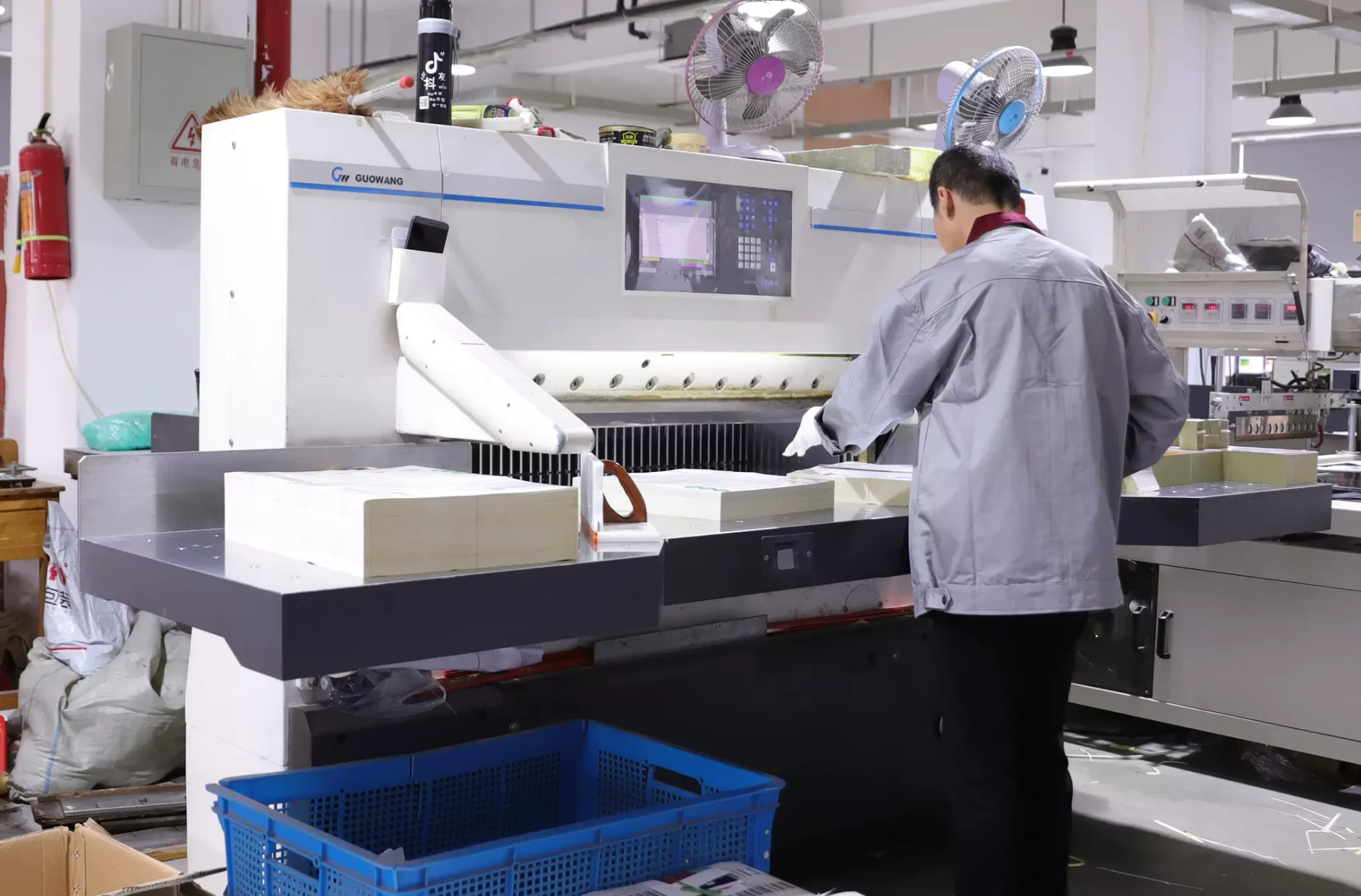
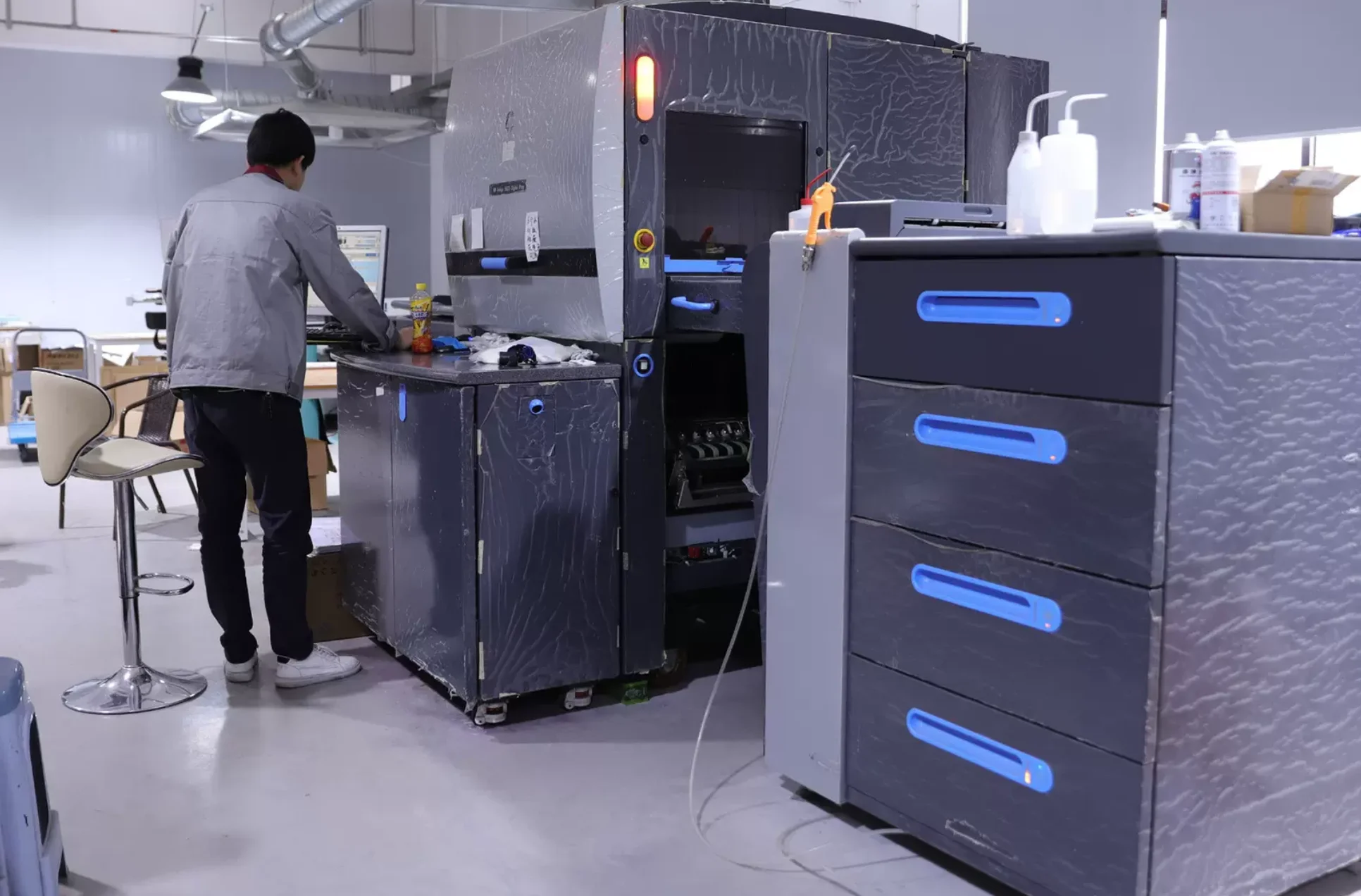
Our production workflow is structured and transparent. From structure confirmation and sampling to material approval, printing, finishing, and quality checks, we keep communication clear and timelines realistic. We flag potential risks early and control key details during production so what you approve is what you receive. Consistency matters — especially when it’s time to reorder. The goal is packaging you can repeat with confidence, not results that vary from batch to batch.
 
Built for Ongoing Programs, Not One-Off Orders
We measure success by how well your mailer boxes perform over time. Stable structures, consistent materials, controlled print output, and packaging that travels well shipment after shipment are what keep programs running smoothly. Whether your mailer boxes are used for direct shipping, promotional campaigns, or international distribution, we help you build packaging that executes cleanly, scales reliably, and supports long-term growth — not just one shipment, but every reorder that follows.

Who We Work With (And Why They Choose Us)

We work with scalable buyers who manage multi-SKU programs, multiple markets, or time-sensitive toy launches — and need packaging that stays stable across repeat orders, shipping routes, and changing timelines.

For Regional Distributors & Master Agents

You’re supplying multiple markets and channels — and packaging consistency directly affects your downstream partners.
We help you standardize toy packaging boxes without losing flexibility across SKUs and destinations.

  • Repeatable structures and specs across markets

  • Carton optimization to reduce shipping waste and damage

  • Stable materials and controlled reorders for long-term programs

💡 Why it works: fewer variations, fewer disputes, and smoother multi-country execution.

For Trading Companies & Product Integrators

You coordinate brands, factories, and timelines — often across several SKUs at once.
We make packaging coordination easier by turning requirements into production-ready specs that can scale.

  • Clear dielines, tolerances, and production-friendly artwork checks

  • Insert and structure matching for mixed toy sets and accessories

  • Documentation-ready workflow for export and client approvals

💡 Why it works: less back-and-forth, faster approvals, and fewer “sample vs. mass” surprises.

For Campaign Buyers & License Holders

Your project has a deadline — and packaging delays can kill the whole program.
We focus on proven structures, realistic timelines, and early risk control to protect launch windows.

  • Fast sampling with structured decision checkpoints

  • Controlled materials/finishes to avoid late-stage changes

  • Production planning built for seasonal and promotional timing

💡 Why it works: higher first-time-right execution and fewer last-minute reworks under pressure.

FAQs Mailer Boxes

For your convenience, we’ve gathered the most commonly asked questions about our Mailer Boxes . However, should you have any further queries, please don’t hesitate to reach out to us.
1. What types of custom mailer boxes do you manufacture?
We manufacture a full range of custom mailer boxes, including corrugated mailer boxes, foldable mailer boxes, tuck-top mailer boxes, auto-lock bottom mailers, and custom-sized structures. We also support internal inserts, dividers, and fit solutions when protection or presentation matters. If you have a reference or a use case in mind, we can adapt the structure to match how your product is shipped and handled.
Yes — this is a big part of what we do.
You don’t need to know box structures or board grades in advance. We’ll walk you through options based on product weight, shipping distance, packing method, and cost expectations. Our role is to recommend a structure that performs well in real use, not just something that looks good on a screen.
Most custom mailer box projects start from 500–1,000 pieces, depending on size, structure, and printing requirements. If your project involves special paper stocks, complex structures, or premium finishes, the MOQ may be higher. We always explain the reasons clearly so you can decide what makes sense for your program.
Yes, and many projects do.
We design mailer boxes with scaling in mind, so moving from a smaller first run to higher volumes doesn’t require redesigning the structure or switching suppliers. The goal is to make reorders smoother as your volume grows.
Sampling usually takes 2–3 weeks, depending on structure and materials. After sample approval, mass production typically takes 20–30 days. If you’re working toward a launch date or fixed delivery window, let us know early so we can help plan the timeline realistically.
Yes. We support Pantone color matching and common printing techniques used for mailer boxes. During sampling, we confirm materials, print output, and finishes so what you approve is what goes into production. Consistency across repeat orders is something we pay close attention to.
Yes. We offer FSC-certified paper, recyclable materials, and plastic-free structure options. If sustainability is important for your market or compliance requirements, we’ll help you choose materials that balance environmental goals with durability and cost.
We design mailer boxes with cross-border shipping in mind. That includes board strength, closure stability, packing methods, and carton loading efficiency. The aim is to reduce damage risk, avoid unnecessary shipping costs, and make sure the boxes arrive clean and usable.
Yes. If you already have artwork, we’ll review it to make sure it’s production-ready. If adjustments are needed for printing, dielines, or structure alignment, we’ll explain them clearly. Our focus is making sure designs translate correctly into finished mailer boxes.
Yes. We work with international buyers and support export-ready production, documentation coordination, and shipping arrangements. Our process is built to keep communication clear and timelines predictable, especially for repeat orders and long-term programs.

Borhen Pack in Numbers

Happy Clients
0 +
Million-dollar Buyers
0 +
Formulation
0 +
Professional Staffs
0 +

Your Ultimate Guide to Mailer Boxes

If you’re planning to introduce custom mailer boxes into your packaging system—whether it’s for a new product launch, an e-commerce upgrade, or an international distribution program—you’re not just choosing a box. You’re making a decision that affects shipping performance, cost control, customer experience, and how confidently you can scale. Mailer boxes are often the first physical touchpoint with your brand, and in many cases, they’re also the most stressed part of the packaging journey.
 
We’ve watched mailer boxes evolve from simple shipping cartons into fully integrated brand and logistics tools. At Borhen Pack, we’ve worked with startup and DTC brands building their first packaging system, e-commerce operators optimizing for fulfillment speed and damage reduction, and importers and distributors managing repeat orders across multiple markets. And in every case, mailer boxes require far more strategic thinking than most people expect—especially once volume grows and cross-border shipping comes into play.
 
This guide is built from what we’ve learned behind the scenes while developing and producing custom mailer boxes at scale. It reflects the real questions buyers face but don’t always ask early enough: how structure affects shipping reliability, how material and finish choices influence cost and reorders, where sustainability claims actually matter, and how small design decisions can either support long-term programs or quietly create friction later.

Table of Contents

How to Choose the Right Mailer Box Structure for Your Products

Choosing the right mailer box structure is one of the most important decisions in any packaging program, yet it’s often underestimated. I’ve seen many projects focus heavily on size and printing while assuming structure is interchangeable. In reality, structure determines how a box performs during packing, shipping, handling, and reordering. The same product in two different structures can experience completely different outcomes in cost, damage rates, and operational efficiency. That’s why I always treat structure selection as a functional decision first, not a design detail.
 
Why Mailer Box Structure Directly Impacts Shipping and Fulfillment
When I evaluate a mailer box structure, I always think beyond the sample stage. A box will move through packing stations, courier systems, trucks, and warehouses long before it reaches the end user. Structure affects how well a box resists compression, how securely it stays closed, and whether it keeps its shape after repeated handling. A structure that looks clean but lacks support can collapse or open under stress, while a well-designed structure maintains integrity throughout transit. This difference becomes especially visible once order volume increases and shipping conditions vary.
 
Understanding Tuck-Top Mailer Boxes in Real Use
Tuck-top mailer boxes are widely used because they are simple and efficient, but they are not universal solutions. I usually see them perform best with lightweight to medium-weight products and shorter shipping distances. Their advantage lies in easy assembly and clean presentation, which helps maintain packing speed. However, tuck-top structures rely heavily on accurate sizing and appropriate board thickness. If the product weight increases or the shipping route becomes more demanding, this structure may require reinforcement or material upgrades to remain reliable.
 
When Auto-Lock Bottom Mailer Boxes Are the Better Choice
Auto-lock bottom mailer boxes are designed for situations where strength and consistency matter more than minimal material use. I often recommend this structure when products are heavier or when stacking pressure during shipping is unavoidable. The automatic locking base improves load distribution and reduces assembly errors, which becomes important in fulfillment environments. Over time, this structure tends to offer more predictable performance across repeat orders, making it suitable for programs that value stability over minimal cost.
 
Reinforced Mailer Box Structures for Higher-Risk Conditions
In some cases, standard structures are not enough. When products are fragile, shipping distances are long, or handling conditions are less controlled, reinforced mailer box structures become necessary. I consider reinforcement as a way to manage risk rather than add unnecessary complexity. Additional panels or layered walls increase rigidity and reduce deformation during transit. While these structures often come with higher unit costs, they frequently reduce overall losses by preventing damage and returns, which is why I see them as an investment rather than an expense.
 
Matching Structure to Product Weight and Internal Movement
One of the most common mistakes I encounter is choosing a structure without fully considering how the product behaves inside the box. Product weight alone is not the only factor; internal movement matters just as much. If a product shifts during transit, the structure must compensate through tighter tolerances, stronger panels, or internal support. I always assess how the product sits, whether it stays centered, and how force is distributed when the box is handled. Proper structure selection at this stage prevents costly redesigns later.
 
How Packing Speed Influences Structure Decisions
Mailer box structure directly affects packing efficiency, especially once order volume grows. I pay close attention to how easily a box opens, holds its shape during filling, and closes without resistance. A structure that slows packing by even a small margin can create operational bottlenecks over time. That’s why I evaluate structure choices based on real packing workflows, not just theoretical performance. The best structure is one that integrates naturally into daily operations without adding friction.
 
Balancing Cost With Long-Term Performance
Cost is always part of the conversation, but I rarely recommend choosing a structure based solely on unit price. The least expensive structure on paper can lead to higher costs through shipping damage, slower packing, or inconsistent performance. I focus instead on total cost over time, including efficiency, durability, and repeatability. In many cases, a slightly stronger or more refined structure delivers better overall value by reducing hidden operational risks.
 
Choosing a Structure That Supports Reorders and Scaling
Finally, I always think about what happens after the first production run. A good mailer box structure should be easy to reproduce, easy to standardize, and stable across batches. Structures that are overly sensitive to material variation or assembly conditions often create inconsistency during reorders. When structure is chosen with scalability in mind, reordering becomes predictable and smooth, allowing packaging to support growth rather than limit it.

Mailer Box Materials Explained: Strength, Weight, and Cost Trade-Offs

When I talk about mailer box materials, I’m rarely talking about paper alone. What I’m really talking about is how a packaging program behaves over time. Material decisions influence shipping performance, freight cost, packing efficiency, and how consistent your boxes will feel six months or a year later. I’ve seen many mailer box projects run into trouble not because the structure was wrong, but because the material choice didn’t match real usage conditions. Understanding how board thickness, flute type, and paper quality interact is one of the most important steps in building mailer boxes that actually work at scale.
 
Why Board Thickness Is About Load, Not Just Strength
Board thickness is often treated as a simple “thicker is better” decision, but that approach usually leads to unnecessary cost. When I evaluate thickness, I’m thinking about load paths rather than brute strength. I look at how weight is distributed when boxes are stacked, how much compression they experience during transit, and how long they stay under load. A board that is too thin will collapse or lose shape, but a board that is too thick can increase shipping weight and reduce packing efficiency without adding meaningful protection. The right thickness is the one that carries the load it actually faces, not the one that feels strongest in hand.
 
How Flute Type Changes the Way a Box Absorbs Stress
Flute structure plays a bigger role in performance than many people expect. From my experience, flute type directly affects how a box reacts to vibration, impact, and stacking pressure. Smaller flutes tend to create cleaner folds and tighter tolerances, which helps with appearance and dimensional control. Larger flutes provide better cushioning and resistance to crushing, especially in longer shipping routes. I always choose flute types based on how the box will be handled, not just how it looks. A box that travels far or goes through automated sorting often benefits from a different flute profile than one used for short-distance delivery.
 
Paper Quality and Why Consistency Matters More Than Appearance
Paper quality is one of the most overlooked factors in mailer box production. Many people focus on surface feel or print clarity, but I pay close attention to fiber stability and supplier consistency. Paper that performs well in one batch but varies in the next can cause folding issues, color shifts, or structural weakness. Over time, these inconsistencies create operational friction and quality disputes. I prefer paper sources that deliver predictable behavior, even if the visual difference seems minor. Consistency is what allows a packaging program to scale without constant adjustment.
 
How Material Choices Affect Shipping Weight and Freight Cost
Shipping cost is not just about box size; it’s also about material efficiency. I often see projects where stronger materials were chosen without considering how much extra weight they add at scale. A few grams per box may not seem important at first, but across thousands of units, the freight impact becomes significant. I always balance protection needs with shipping efficiency, aiming for materials that deliver strength through structure and flute design rather than unnecessary mass. This approach helps keep logistics costs under control while maintaining protection.
 
Material Behavior During Packing and Assembly
Mailer box materials also influence how smoothly packing operations run. I pay close attention to how materials respond during assembly, whether they hold shape when opened, and how they behave when products are inserted. Materials that are too soft may flex and slow packing, while materials that are overly rigid can resist folding and increase assembly time. The best material choices support consistent packing speed and reduce fatigue or errors on the line. This becomes especially important as order volume increases and efficiency matters more.
 
Cost Decisions That Look Cheap but Become Expensive
One of the most common mistakes I see is choosing materials based on the lowest quoted price. In practice, cheaper materials often introduce variability, higher damage rates, or rework costs that are not visible upfront. I always encourage looking at total cost over time, including shipping, damage reduction, and production stability. In many cases, slightly better materials reduce long-term cost by avoiding disruptions and maintaining consistency across repeat orders.
 
Material Stability Across Repeat Production Runs
Mailer box programs rarely stop at one order. That’s why I always evaluate whether a material can be sourced consistently over time. Changes in board composition or paper supply can affect how boxes fold, print, and perform. When materials are stable, reorders become predictable and stress-free. When they’re not, every new order becomes a risk. Choosing materials with reliable supply chains is one of the simplest ways to protect long-term packaging performance.
 
Choosing Materials With Future Scaling in Mind
I never select materials only for current volume. I think about how they will perform as production scales, shipping routes expand, and handling conditions change. Materials that work well at low volume may struggle when stacked higher or shipped farther. By choosing materials that can handle growth from the beginning, it becomes much easier to scale without redesigning the box or changing suppliers later. That’s how material selection turns into a strategic decision rather than a recurring problem.

Designing Mailer Boxes for E-commerce Shipping & Fulfillment

When I design mailer boxes for e-commerce, I don’t start from branding or appearance. I start from movement. E-commerce packaging lives in motion, not on shelves. Boxes are scanned, pushed, stacked, dropped, compressed, and rerouted before they ever reach a customer. The difference between a mailer box that works and one that fails usually comes down to how well it was designed for these realities. In my experience, successful e-commerce mailer box design is about anticipating stress, friction, and repetition long before the first order ships.
 
Why E-commerce Fulfillment Is Harder on Boxes Than Most People Realize
One of the biggest misunderstandings I see is assuming that courier delivery is the only challenge a box faces. In reality, the most damaging moments often happen earlier, inside sorting centers and fulfillment hubs. Boxes are moved quickly, often without regard to orientation, and stacked in ways that create uneven pressure. A structure that looks stable in isolation may fail when placed under mixed loads or sudden impact. That’s why I always design e-commerce mailer boxes to survive imperfect handling, not ideal conditions.
 
Closure Security and Why It Determines Shipping Success
Closure design is where many e-commerce mailer boxes quietly fail. I’ve seen boxes arrive crushed not because the material was weak, but because the closure loosened during transit and redistributed stress. When I evaluate a closure, I test how it behaves under vibration, how well it resists outward pressure from the contents, and whether it stays locked after repeated handling. A good closure holds the box together structurally, not just visually. At the same time, it must remain intuitive and fast for packing teams, because speed matters as volume grows.
 
Stacking Strength Is About Load Paths, Not Thickness Alone
Stacking strength is often misunderstood as simply choosing thicker board. In practice, I focus on how load travels through the box. The way panels align, how corners transfer weight, and how the top and bottom surfaces support compression all matter more than raw material thickness. In e-commerce environments, boxes are rarely stacked perfectly. Uneven pressure exposes weak points quickly. A well-designed mailer box distributes weight through its structure, maintaining shape even when stacking conditions are unpredictable.
 
Dimensional Stability and Its Impact on Fulfillment Costs
Dimensional stability affects more than protection; it directly influences cost. I pay close attention to how a box holds its shape from assembly to delivery. Boxes that flex or bow can trigger issues in automated sorting systems and create inefficiencies in carton packing and palletization. Even small dimensional changes can result in wasted space, higher shipping fees, or inconsistent presentation at delivery. Stable dimensions help maintain predictable logistics and avoid hidden costs that compound over time.
 
Designing for Packing Speed Without Sacrificing Performance
Packing speed becomes critical once e-commerce operations scale. I always observe how a box behaves in real packing conditions. Does it pop open cleanly? Does it hold its shape when filled? Can it be closed in one smooth motion? Boxes that require constant adjustment slow fulfillment and increase fatigue. The best e-commerce mailer boxes almost disappear in the packing process. They support fast, repeatable motion without drawing attention to themselves, which is exactly what efficient operations need.
 
Accounting for Both Manual and Automated Fulfillment Systems
Not every operation uses the same fulfillment setup, and many evolve over time. I design mailer boxes with flexibility in mind, knowing that a system that is manual today may introduce automation later. Automated systems demand tight dimensional control and predictable behavior, while manual systems benefit from ergonomic design and intuitive handling. A box that works well in both environments provides long-term flexibility and reduces the need for redesign as operations change.
 
Managing Damage Risk Through Design, Not Overengineering
It’s easy to respond to shipping damage by adding material everywhere, but I rarely see that approach succeed. Overengineering increases cost and shipping weight without necessarily addressing the real problem. I focus instead on understanding where damage occurs and reinforcing those specific areas. Improving closure logic, adjusting panel overlap, or tightening internal fit often reduces damage more effectively than thicker board. Smart design choices manage risk without creating new inefficiencies.
 
Designing the Opening Experience for E-commerce Customers
Even in highly operational environments, the opening experience still matters. I think about how a customer encounters the box after it arrives. Does it feel intact and secure? Does it open in a controlled way? A box that survives shipping but opens awkwardly can undermine trust just as much as visible damage. Good e-commerce mailer box design balances protection with a confident, deliberate opening that reinforces reliability.
 
Planning for Reorders in High-Volume E-commerce Programs
E-commerce packaging rarely stays static. Volumes increase, shipping routes expand, and fulfillment pressures intensify. I design mailer boxes with reorders in mind from the start. That means choosing structures and dimensions that can be reproduced consistently and materials that behave predictably across batches. A box that only works for a first run becomes a liability. Consistency is what allows e-commerce programs to scale without constant troubleshooting.
 
Why E-commerce Mailer Box Design Is a Long-Term System
I don’t see e-commerce mailer boxes as individual products. I see them as part of a system that connects fulfillment speed, shipping economics, damage control, and customer experience. Every design decision influences multiple outcomes, sometimes in ways that aren’t obvious at first. When these elements are considered together, mailer boxes become tools that support growth rather than sources of friction. That’s the difference between packaging that survives e-commerce and packaging that truly supports it.

How MOQ Impacts Cost, Lead Time, and Scalability

MOQ is one of those topics that looks simple on the surface but quietly controls how a packaging program behaves over time. When I talk with teams about MOQ, I’m rarely just answering “what’s the minimum.” I’m usually helping them understand how quantity choices influence pricing stability, production behavior, material availability, and the ease of scaling later. In my experience, MOQ decisions made early tend to either remove friction from future growth or create it.
 
Why MOQ Reflects How Production Actually Works
I always start by reframing MOQ as a reflection of production reality rather than a commercial barrier. Every mailer box order requires fixed steps such as machine setup, tooling alignment, color calibration, and quality checks. These steps take time and effort regardless of whether the order is small or large. When quantities fall below a certain threshold, production becomes less predictable, and costs fluctuate. That’s why MOQ exists. It marks the point where production shifts from being improvised to being stable and repeatable.
 
Why Some Mailer Box Projects Can Start With Lower MOQs
Not all mailer box designs behave the same at low quantities, and this is something I’ve learned through experience rather than theory. Projects that use standard board grades, common flute types, and straightforward structures are much easier to run in smaller batches. These designs fit into existing workflows and don’t require special material sourcing or extended setup time. That’s why certain projects can realistically begin with lower MOQs while still maintaining quality. The key is that simplicity and standardization make low-volume production feasible.
 
When Low MOQ Becomes a Hidden Risk
While low MOQs are useful for testing, I’m always cautious when they become the default approach. Very small runs often behave differently from scaled production. Materials may be sourced from alternate stock, setup tolerances may be looser, and quality variation is harder to control. I’ve seen teams approve samples and first runs at low quantities, only to encounter surprises when scaling. This happens because the production conditions change. Low MOQ is valuable, but it should be used deliberately, not endlessly repeated.
 
Why Higher MOQs Can Improve Cost Stability
Higher MOQs are often misunderstood as a cost burden, but in many cases they create stability rather than risk. When quantities increase, material sourcing becomes more consistent, setup costs are spread across more units, and production parameters stay within tighter control. I’ve seen unit prices drop, lead times shorten, and quality variation decrease simply because the order size allowed production to run efficiently. In these situations, higher MOQ is less about commitment and more about creating a predictable system.
 
The Relationship Between MOQ and Material Sourcing
Material sourcing is one of the least visible but most important factors behind MOQ. I always look at how paperboard and liner materials are supplied. Some materials are readily available in small quantities, while others require mill-level planning or bulk purchasing. When MOQ aligns with how materials are sourced, production flows smoothly. When it doesn’t, substitutions, delays, or inconsistencies become more likely. That’s why I never evaluate MOQ without considering the supply behavior of the materials involved.
 
How MOQ Influences Lead Time Reliability
MOQ doesn’t just affect price; it affects scheduling. Smaller orders are often fitted into production gaps, which can make lead times less predictable. Larger, well-defined orders are easier to plan and schedule efficiently. I’ve seen cases where increasing quantity slightly resulted in more reliable delivery because the order fit cleanly into the production plan. Lead time reliability matters just as much as speed, especially for programs with fixed launch dates or ongoing replenishment needs.
 
Testing With MOQ That Reflects Real Use
When using MOQ for testing, I always ask what the test is meant to validate. If the goal is to check appearance or basic fit, a small run may be enough. But if the goal is to evaluate packaging performance for long-term use, the test quantity should resemble real production conditions. I’ve seen teams misinterpret test results because the test run was too small to reflect actual behavior. Effective testing uses MOQ as a tool to simulate future reality, not just minimize upfront cost.
 
The Cost of Staying Too Small for Too Long
One of the most common patterns I see is programs that remain stuck at low MOQ for too long. Each small order requires fresh coordination, setup, and approval, which adds hidden cost and administrative burden. Over time, this slows down decision-making and prevents pricing from stabilizing. I encourage planning MOQ with a path toward consolidation, so early flexibility eventually leads to long-term efficiency rather than ongoing friction.
 
MOQ as a Tool for Predictable Reorders
Reordering is where good MOQ planning really pays off. When quantities align with stable production conditions, reorders become routine instead of stressful. Materials stay consistent, production parameters remain unchanged, and quality stays within expected limits. I always think ahead to the second and third order when discussing MOQ. The easier it is to repeat an order, the healthier the packaging program usually is.
 
Planning MOQ With Growth in Mind
I never treat MOQ as a fixed number. I see it as part of a progression. Starting smaller can make sense, but there should be a clear path toward quantities that support efficiency, stability, and cost control. When MOQ planning accounts for future volume increases, scaling feels natural rather than disruptive. That’s when packaging stops being an experiment and becomes a dependable operational asset.
 
Why MOQ Decisions Shape Long-Term Packaging Strategy
In the end, MOQ is not just about minimums. It’s about how confidently a packaging program can grow. Poorly planned MOQ decisions often lead to redesigns, supplier changes, or cost shocks later. Thoughtful MOQ planning, on the other hand, creates stability, predictability, and room to scale. I’ve seen the difference many times, and it’s one of the clearest indicators of whether a packaging program is built for the long term or just the next order.

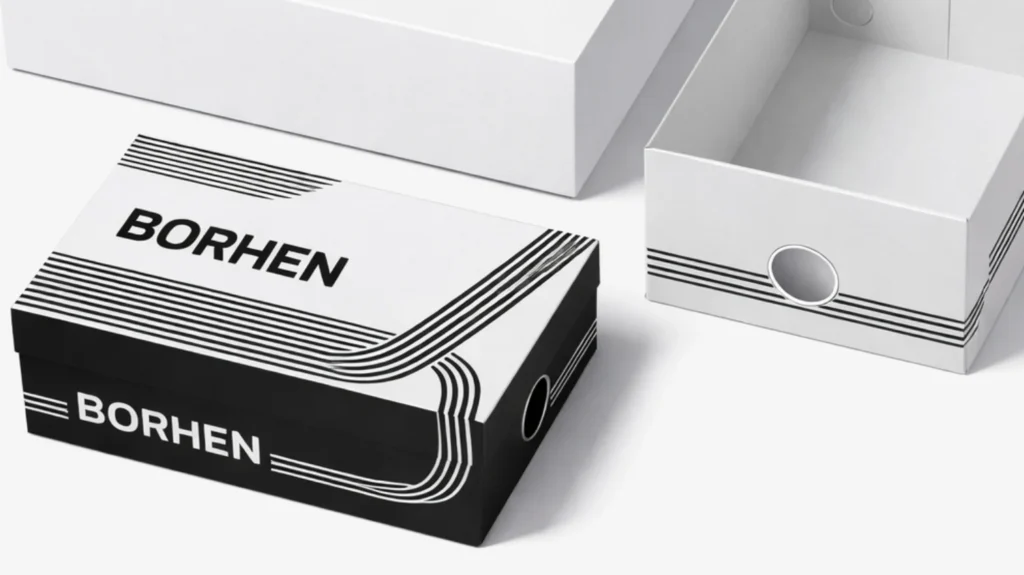
Branding vs. Performance: What Actually Matters in Mailer Box Design

In mailer box design, branding decisions are often made early, while performance issues appear later. I’ve seen this pattern repeatedly. A design looks impressive at the sampling stage, everyone approves the visuals, and only after shipping or scaling does the real cost of those decisions become visible. That’s why I don’t see branding and performance as separate topics. To me, they are inseparable. Every branding choice has a performance consequence, and understanding that relationship is what separates packaging that merely looks good from packaging that actually works long term.
 
Why Visual Design Alone Is a Poor Decision-Maker
When I review a new mailer box concept, I intentionally slow the conversation down at the visual stage. Clean graphics and strong branding are important, but they don’t tell me how the box will behave under pressure, friction, or repetition. I’ve seen designs that photograph beautifully but fail structurally once packed and shipped. Visual design is persuasive, but it’s also misleading if it’s not grounded in physical reality. That’s why I treat visuals as an entry point, not proof of success.
 
How Printing Coverage Changes the Behavior of Paperboard
Printing decisions affect more than color. Heavy ink coverage, large solid areas, and dense backgrounds all change how paperboard absorbs moisture, bends, and creases. I’ve seen fold lines crack or lose sharpness because printing loads were too aggressive for the chosen board. When I evaluate print design, I look at where stress will occur during folding and closure. Printing that ignores these zones often weakens the box in subtle but damaging ways. Good branding works with the board’s natural behavior rather than forcing it.
 
Finishing Techniques and Their Long-Term Stability
Finishes are where branding ambition often collides with reality. Many finishes look excellent on a single sample but behave unpredictably at scale. I’ve dealt with coatings that scuff during packing, soft-touch layers that show fingerprints after shipping, and specialty treatments that vary between batches. When choosing finishes, I think less about how they look on day one and more about how they survive handling, stacking, and reorders. A finish that stays consistent across thousands of units is far more valuable than one that only impresses once.
 
Color Accuracy Versus Color Consistency Over Time
Color matching is one of the most sensitive branding topics, and also one of the easiest to destabilize. I’ve learned to separate color accuracy from color consistency. Absolute precision can be achieved in controlled conditions, but maintaining it across different paper batches, production runs, and timelines is far harder. I design branding systems that tolerate small variations without breaking visual identity. This approach reduces friction during reorders and protects brand perception in the long run.
 
When Branding Elements Create Structural Weak Points
Some branding features introduce risk where it’s least expected. Deep embossing, aggressive debossing, large cutouts, or heavy surface treatments can weaken critical load-bearing areas. I always evaluate where stress travels through a mailer box and make sure branding elements don’t interrupt that path. If a design compromises corners, closures, or stacking zones, I adjust it. Protecting structure is not limiting creativity; it’s ensuring the box survives real use.
 
Simplicity as a Performance Strategy
Over time, I’ve become a strong believer in simplicity as a performance strategy. Complex branding systems increase the chance of variation, misalignment, and quality disputes. Simple, well-executed designs are easier to reproduce accurately and harder to get wrong. When volume increases, simplicity becomes a form of control. It allows branding to remain consistent without constant supervision or correction.
 
How Branding Choices Affect Packing and Handling
Branding doesn’t stop at printing; it affects how boxes feel in the hands of packing teams. Certain coatings increase friction, others reduce grip. Dark surfaces show wear faster, while lighter ones hide minor scuffs. I always consider how a box will be touched hundreds or thousands of times before it reaches a customer. Branding that survives this process maintains its impact far better than branding designed only for presentation.
 
Performance as an Invisible Branding Signal
From my perspective, performance itself is branding. When a mailer box arrives intact, feels solid, and opens cleanly, it communicates reliability without saying a word. Customers rarely praise packaging that works, but they always notice when it fails. That silent success builds trust. I prioritize performance because it reinforces brand credibility in ways that graphics alone never can.
 
Designing Branding That Can Scale Without Redesign
One of the most common problems I see is branding that works at low volume but collapses under scale. Designs that rely on rare materials, unstable finishes, or extreme tolerances often require changes later. I design branding systems that anticipate growth. That means choosing treatments and layouts that can be repeated consistently as quantities increase. Scaling should feel like repetition, not reinvention.
 
Why the Best Mailer Box Designs Don’t Force a Trade-Off
In the end, I don’t believe strong branding and strong performance are in conflict. The best mailer box designs integrate both from the beginning. They look intentional, feel reliable, and behave predictably across shipping, handling, and reorders. When branding decisions respect structure, materials, and production realities, performance becomes an extension of the brand rather than a constraint. That’s when mailer box design truly supports long-term success.

Preparing Artwork and Dielines for Production-Ready Mailer Boxes

In my experience, most packaging problems don’t start on the factory floor. They start much earlier, inside artwork files that were never prepared for real production. I’ve worked on many mailer box projects where the design idea was strong, the brand direction was clear, and everyone felt confident—until the first mass production revealed issues that no one expected. That’s why I treat artwork and dielines as production tools, not design deliverables. How these files are prepared determines whether a mailer box can be made accurately once, and more importantly, repeated consistently later.
 
Why “Looks Approved” and “Production-Ready” Are Not the Same Thing
One of the most common gaps I see is the belief that visual approval equals readiness for production. A design can look perfect on screen and still fail when printed, cut, and folded. Screens don’t show how ink behaves on fiber, how paperboard stretches slightly under pressure, or how fold lines affect alignment. When I review artwork, I’m not asking whether it looks good. I’m asking whether it will behave predictably once it leaves the digital environment and enters a mechanical one.
 
How I Read a Dieline Beyond the Flat Layout
I never look at a dieline as a flat drawing. I mentally fold it before I approve anything. I imagine how each panel rotates, where stress accumulates, and which areas will become load-bearing once the box is assembled. Artwork that ignores this movement often ends up distorted or partially hidden. I pay close attention to where graphics cross fold lines, where glue flaps sit, and how visual elements align once the box is closed. A production-ready dieline anticipates the final three-dimensional form, not just the flat sheet.
 
Why Small Placement Errors Become Big Production Problems
Some of the most expensive issues I’ve seen started with very small artwork decisions. Text placed a few millimeters too close to a fold line can warp after creasing. Patterns that seem centered on the dieline can shift visually once panels wrap around corners. These issues rarely appear in mockups but become obvious in mass production. That’s why I insist on building margin into artwork placement. Production is never perfectly static, and artwork must tolerate that reality.
 
Bleed and Tolerance as Tools for Quality Control
Bleed and tolerance are often treated as technical formalities, but I see them as quality safeguards. Paperboard moves during printing and cutting, even in well-controlled environments. If artwork is designed without enough bleed or with overly tight tolerances, small shifts become visible defects. I always allow space for movement, especially on dark backgrounds and edge-heavy designs. Clean edges are not achieved by precision alone; they’re achieved by planning for imperfection.
 
How Fold Lines Change Color and Texture
Folding changes how printed surfaces look and feel. I’ve seen dark colors lighten, coatings crack, and textures behave unexpectedly along crease lines. When I prepare artwork, I treat fold zones as high-risk areas. I avoid placing critical visual elements exactly where stress concentrates, and I adjust color expectations in those zones. Designing with folding behavior in mind is one of the clearest signs that artwork is truly production-ready.
 
Matching Artwork to Material Reality
Artwork doesn’t exist independently from material choice. The same design can behave very differently on different boards or surface finishes. Smooth paper reflects ink cleanly, while textured paper diffuses it. Some coatings amplify minor misalignment, while others hide it. I always evaluate artwork together with material selection, because separating the two leads to mismatched expectations. Production-ready artwork anticipates how the chosen material will influence the final appearance.
 
Why Color Systems Matter More Than Exact Color Values
Color disputes are one of the most common sources of frustration in packaging. I’ve learned to focus less on exact color values and more on color systems that remain stable over time. Screen colors, printed colors, and perceived colors under different lighting will never match perfectly. When artwork relies on extreme precision, reorders become difficult to control. I design color approaches that remain recognizable even with slight variation, which protects consistency across batches and markets.
 
Sampling as a Reality Check, Not a Formality
I don’t treat sampling as a box to check. Sampling is where artwork meets physics. It shows how colors shift, how folds behave, and how finishes react to handling. I use samples to stress-test artwork, not just approve it visually. Adjustments made at this stage are far cheaper than corrections after mass production. Rushing sampling or skipping it entirely is one of the fastest ways to turn a good design into a production problem.
 
Preparing Files With Reorders in Mind
Artwork preparation should never be limited to the first order. I always ask whether the files can be reused cleanly six months later without reinterpretation. Artwork that depends on undocumented tweaks or manual adjustments is fragile. Production-ready files are stable, clearly structured, and easy to reproduce. That stability is what makes reorders smooth instead of stressful.
 
Why Production-Ready Artwork Is a Strategic Advantage
From my perspective, production-ready artwork is not just about avoiding mistakes. It’s about creating confidence in the entire packaging process. When artwork translates accurately into finished mailer boxes, timelines stabilize, quality disputes decrease, and teams spend less time fixing problems. Over time, that reliability becomes a competitive advantage. It allows packaging to support growth instead of slowing it down.

Ensuring Consistency Across Repeat Mailer Box Orders

Consistency is where most packaging partnerships are quietly tested. I’ve seen many mailer box projects start strong and then slowly drift off course after a few reorders. Nothing dramatic happens. The boxes are still usable, but something feels slightly different. The color looks off, the fit feels tighter, the finish behaves differently. Over time, those small differences add friction. That’s why I don’t treat consistency as a quality checkbox. I treat it as an operational system that must be designed intentionally if repeat orders are going to stay reliable.
 
Why Repeat Orders Expose Weak Systems
The first order usually benefits from fresh attention. Everyone remembers the details, samples are close in time, and expectations are clear. Repeat orders remove that safety net. People change, timelines stretch, and assumptions replace confirmation. I’ve learned that if a packaging program depends on memory, it will eventually fail. True consistency exists when the process works even after months of silence, staff turnover, or volume changes. That’s the standard I design for.
 
Material Stability as the Hidden Driver of Consistency
When consistency breaks down, materials are often the quiet cause. I always start by confirming whether the same board grade, flute profile, and paper source are still being used. Even small material substitutions can affect stiffness, folding behavior, and surface appearance. These changes are rarely visible until boxes are compared side by side. I prioritize materials with stable supply and predictable behavior because no amount of process control can compensate for unstable inputs.
 
Why Color Consistency Is a Range, Not a Point
Color issues are one of the most common sources of frustration in repeat orders. I’ve learned to stop chasing exact matches and start managing acceptable ranges. Paper absorbs ink differently over time, ink formulations evolve, and lighting conditions change perception. I design color systems that remain visually consistent even with minor variation. This approach reduces disputes and makes reorders smoother, because the goal shifts from perfection to reliability.
 
Structural Tolerances and the Cost of Being Too Precise
Structure consistency isn’t just about using the same dieline. It’s about how much variation the design can tolerate. I’ve seen mailer boxes with very tight tolerances perform beautifully in one run and then become difficult to assemble in the next. Cutting and creasing always involve small variation, and those tolerances must be designed into the structure. A box that only works under ideal conditions is fragile. A box that tolerates variation is scalable.
 
Documentation as the Backbone of Repeatability
One of the clearest differences between stable and unstable programs is documentation. I never rely on verbal understanding or past emails alone. Clear records of materials, finishes, print references, and structural specifications turn repeat orders into execution instead of interpretation. When documentation is weak, every reorder becomes a negotiation. When it’s strong, reorders feel routine and predictable.
 
Why Reorder Sampling Still Has Value
Skipping samples on repeat orders is tempting, especially when timelines are tight. I approach this cautiously. Sampling doesn’t always need to be extensive, but it remains a valuable signal. It confirms that materials haven’t changed, that finishes behave the same way, and that no silent adjustments were made in production. Sampling is not about distrust. It’s about maintaining control as time passes.
 
Managing Inevitable Change Without Breaking Consistency
Change is unavoidable. Materials evolve, suppliers adjust, and volumes grow. The challenge is knowing which changes matter and which don’t. I always evaluate whether a change affects appearance, structure, or performance. Some changes are neutral, others compound over time. Consistency doesn’t mean freezing everything forever. It means understanding which variables must remain fixed and which can adapt without consequence.
 
Communication Discipline as a Quality Control Tool
Clear communication is one of the most underrated tools for maintaining consistency. I never assume that “same as last time” is sufficient. Restating key parameters before reordering may feel redundant, but it prevents drift. Consistency is protected when both sides explicitly agree on what stays the same. Silence is often where variation begins.
 
What I Always Review Before Confirming a Repeat Order
Before I approve a reorder, I slow down briefly. I check that materials match the original specification, that print references are current, and that structural details haven’t been altered. These checks take minutes but prevent weeks of correction later. Reordering should feel boring in the best possible way. When it doesn’t, something is wrong.
 
Consistency as a Signal of a Mature Packaging Partnership
Over time, consistency becomes more than a technical outcome. It becomes a signal of trust. When mailer boxes arrive looking and performing the same across multiple orders, teams plan more confidently. They order larger quantities, commit earlier, and spend less time checking details. I see consistency as the clearest indicator that a packaging partnership has matured. When it’s achieved, packaging stops demanding attention and quietly supports growth in the background.

Sustainable Mailer Boxes: FSC, Recyclability, and Practical Trade-Offs

Sustainability is one of the most requested requirements I hear today, but it’s also the area where expectations and reality diverge the fastest. I’ve worked on many mailer box projects where sustainability was positioned as a core value, yet the initial ideas didn’t survive the first round of production or shipping. Over time, I’ve learned that sustainable packaging is not about chasing the most “eco-sounding” option. It’s about making choices that reduce environmental impact while still functioning reliably in real logistics, real budgets, and real repeat orders.
 
Why I Always Start With How the Box Will Actually Be Used
Before I discuss certifications or materials, I always look at the full life cycle of the mailer box. How far will it ship, how many times will it be handled, and under what conditions will it travel. Sustainability that ignores these realities often creates more waste, not less. A box that fails in transit and needs replacement has already lost its environmental advantage. For me, durability is not the opposite of sustainability; it is a prerequisite for it.
 
What FSC Certification Solves and What It Doesn’t
FSC certification is one of the most widely recognized sustainability signals, especially in Europe and the UK. I often explain that FSC addresses how raw materials are sourced, not how the box performs or how it is disposed of. FSC-certified paper ensures responsible forest management and traceability, which is important for compliance and brand credibility. However, it does not guarantee recyclability, low emissions, or suitability for all applications. I treat FSC as a solid baseline rather than a complete sustainability strategy.
 
Recyclability Depends on Design, Not Just Material Claims
Many people assume that if a box is made of paper, it is automatically recyclable. In practice, recyclability depends heavily on design decisions. I look closely at coatings, laminations, inks, and adhesives because these determine whether fibers can be recovered in standard recycling streams. Overdesigned finishes often complicate recycling even when the base material is paper. I prioritize designs that keep material separation simple and avoid elements that undermine recyclability in real waste systems.
 
The Reality of Recycled Fiber and Performance Variability
Recycled fiber is often requested for sustainability reasons, but it behaves differently from virgin material. I’ve seen recycled boards vary more in stiffness, surface smoothness, and moisture response. These variations can affect folding accuracy, print clarity, and stacking strength. When I recommend recycled content, I always evaluate whether the performance trade-offs are acceptable for the specific use case. Sustainable choices only work when their limitations are understood and accounted for in the design.
 
Why “Plastic-Free” Needs Context to Be Meaningful
The push for plastic-free packaging is understandable, but I’ve learned to approach it carefully. Removing plastic elements without redesigning structure can weaken moisture resistance and durability. In some cases, a carefully chosen paper-based barrier or minimal coating improves performance and reduces overall waste by preventing damage. I don’t see sustainability as eliminating materials at all costs. I see it as optimizing the system so fewer resources are wasted over time.
 
Cost Is Part of Sustainability, Whether We Like It or Not
Sustainable packaging that cannot be afforded or maintained is not sustainable in practice. I’m always transparent about how FSC papers, recycled content, or specialized finishes affect cost and MOQ. At the same time, I’ve seen sustainability improve cost efficiency when it leads to simpler structures or fewer materials. I evaluate sustainability in terms of total cost over time, including damage reduction, reorder stability, and supply continuity, not just unit price.
 
Avoiding Sustainability Claims That Don’t Survive Scrutiny
One of the biggest risks I see is sustainability messaging that cannot be defended operationally. Overstated claims may satisfy marketing in the short term but create problems later, especially in regulated markets. I encourage choices that can be explained clearly and honestly. FSC-certified sourcing, high recyclability, and reduced material complexity are all defensible positions. Practical sustainability builds trust because it aligns claims with reality.
 
Supply Stability as an Often-Ignored Sustainability Factor
Sustainable materials must also be available consistently. I always check whether a chosen paper grade or finish can be sourced reliably for future orders. Some eco materials face supply volatility, which can disrupt production or force substitutions. Sustainability that introduces uncertainty into the supply chain often creates more environmental and operational cost later. I prioritize options that support long-term planning and repeatability.
 
Designing Sustainable Mailer Boxes That Still Feel Premium
There is a misconception that sustainable packaging must look basic or unfinished. I’ve seen the opposite when sustainability is integrated thoughtfully. Clean layouts, restrained printing, and intentional material choices often result in packaging that feels modern and credible. Sustainability becomes part of the brand story without relying on excessive finishes or decoration. When done right, eco-conscious design enhances perception rather than limiting it.
 
Why Sustainable Mailer Box Design Is a Long-Term Discipline
I don’t view sustainable packaging as a one-time decision. It’s an ongoing discipline that evolves with materials, regulations, and customer expectations. The most successful sustainable mailer boxes are those that quietly perform well, reorder smoothly, and align with responsible sourcing principles year after year. When sustainability is grounded in practicality, it stops being a compromise and starts becoming a strength.

Mailer Boxes for International Shipping: What to Plan in Advance

International shipping is where packaging decisions are tested the hardest. I’ve seen mailer boxes that worked perfectly in domestic delivery fail dramatically once they entered cross-border logistics. Longer transit times, heavier stacking, climate changes, and multiple handovers expose weaknesses that never appear in local fulfillment. In my experience, international-ready mailer boxes are not designed to “look strong.” They are designed to remain stable when nothing else in the logistics chain is gentle or predictable.
 
Why Cross-Border Transit Turns Minor Issues Into Major Failures
What surprises many teams is how quickly small design compromises escalate during international shipping. A closure that loosens slightly, a panel that flexes under load, or a board that absorbs moisture slowly can all become serious problems when transit lasts weeks instead of days. I design international mailer boxes assuming extended exposure to stress rather than isolated events. This mindset changes everything, from material selection to structural tolerance.
 
Thinking Beyond the Mailer Box as a Single Unit
When shipping internationally, I never evaluate a mailer box in isolation. I always think in systems. How will multiple boxes behave inside a master carton, and how will those cartons behave inside a pallet or container. I’ve seen strong individual boxes collapse because outer cartons failed first. International shipping applies vertical pressure for long durations, especially during sea freight. Designing with the full packaging hierarchy in mind is essential for avoiding compression-related damage.
 
Packing Orientation and Movement Control Inside Cartons
One of the most underestimated causes of damage is internal movement. Over long distances, even slight shifting inside cartons compounds through vibration and repeated handling. I always plan packing orientation carefully, considering how mailer boxes align with each other and with carton walls. The goal is to reduce movement, not just cushion impact. Boxes that stay aligned and immobilized survive international transit far better than those relying on padding alone.
 
Load Efficiency as Both a Cost and Safety Strategy
Load efficiency is often framed purely as a cost issue, but I see it as a structural risk factor as well. Poorly optimized loads create uneven pressure inside containers, which increases the chance of deformation. I look at how weight is distributed vertically, whether cartons interlock securely, and how voids affect stability. Efficient loads reduce freight cost and lower damage risk at the same time, making them one of the most effective international shipping optimizations.
 
Long-Term Climate Exposure and Material Fatigue
International shipping exposes packaging to conditions that are rarely considered during design. Humidity changes, temperature swings, and long storage periods slowly affect material behavior. I’ve seen paperboard lose stiffness, coatings soften, and structural integrity weaken after weeks at sea. When designing for international shipping, I prioritize materials that maintain performance over time rather than those that only look good initially. Durability over duration matters more than peak strength.
 
Why Adding Strength Everywhere Usually Increases Risk
Overengineering is a common response to international shipping challenges, but it often backfires. Thicker board and heavier structures increase freight costs and can transmit impact rather than absorb it. I focus instead on reinforcing the right areas, such as load-bearing panels and closure zones. Smart reinforcement improves resilience without adding unnecessary weight. International-ready packaging should flex intelligently, not resist blindly.
 
How Packaging Failures Cause Delays, Not Just Damage
Damage is not the only risk in international shipping. I’ve seen shipments delayed because collapsed cartons made loads unsafe to handle, labels became unreadable, or boxes deformed enough to trigger inspections. These delays create costs far beyond replacement packaging, including demurrage, storage fees, and missed delivery windows. Designing mailer boxes that maintain shape and legibility throughout transit helps prevent these hidden logistics penalties.
 
Designing for Rough Handling Without Sacrificing Appearance
International shipments pass through many hands and machines, and at least one of those touchpoints will be rough. I assume that reality from the beginning. That assumption influences how I design edges, corners, and closures. Protection does not have to look industrial, but it must be intentional. Boxes designed only for careful handling are not suitable for cross-border logistics.
 
Preventing Damage Instead of Managing It Later
I always aim to reduce damage probability rather than plan for damage response. Once products arrive damaged, the cost is already incurred in returns, replacements, and lost trust. Preventive design decisions, such as improved alignment, controlled tolerances, and stable load planning, consistently outperform reactive solutions. International shipping rewards preparation far more than correction.
 
Why International Shipping Considerations Must Start at Design
The biggest mistake I see is treating international shipping as a logistics issue that can be solved after packaging is finalized. By that point, most structural and material decisions are locked in. I design international mailer boxes with shipping realities in mind from the very beginning. When shipping considerations are built into the design stage, cross-border logistics become manageable rather than stressful. That’s when packaging stops being a risk factor and starts supporting global expansion confidently.

From Sample to Scale: Managing Mailer Box Production as a Program

I’ve learned over time that mailer box production only becomes difficult when it’s treated as a series of isolated orders. The first sample often looks good, the first run goes smoothly, and everyone feels confident. Problems usually appear later, when volume increases, timelines overlap, or markets expand. That’s why I never approach mailer boxes as one-off purchases. From the very first conversation, I think in terms of a program that needs to operate reliably over months or years, not just deliver one shipment.
 
Why Sampling Is the First Stress Test, Not the Final Goal
When I work on samples, I’m not trying to prove that the design looks good. I’m trying to discover where it might fail later. I pay attention to how the structure behaves when opened repeatedly, how materials respond to folding, and whether finishes feel stable rather than delicate. Samples that only focus on visual approval often hide weaknesses that emerge under repetition. For me, sampling is valuable precisely because it reveals imperfections early, when they are still inexpensive to fix.
 
Turning Samples Into Predictable Production References
A common mistake I see is treating samples as unique artifacts rather than production references. I always ask whether the sample can realistically be reproduced using normal production conditions. If the sample relies on special handling, unusual materials, or excessive manual adjustment, it sets the program up for trouble. My goal is to make the sample boring in the best sense, something that can be repeated without heroics once production scales.
 
Locking Specifications Before Volume Creates Pressure
Once samples are approved, I focus on locking down specifications while everything is still calm. Materials, board grades, finishes, colors, and structural tolerances all need to be clearly defined before volume adds pressure. I’ve seen too many programs drift because early decisions were left open to interpretation. Clear specifications protect the project later, when time is tight and assumptions start replacing discussion.
 
Understanding How Production Behavior Changes at Scale
Production behaves differently when quantities increase. Setups are longer, material sourcing changes, and small inefficiencies become visible. I always anticipate these shifts when planning scale. What works smoothly at a few hundred units may behave very differently at several thousand. By understanding these dynamics early, I can adjust structure, materials, or timelines before scale turns minor issues into major disruptions.
 
Managing Timelines as a Living System
Timelines are not static in a growing program. As volume increases or new SKUs are added, dependencies multiply. I don’t plan production timelines as isolated schedules. I treat them as a living system that needs buffer, sequencing, and contingency. This approach prevents constant firefighting and makes it easier to absorb unexpected delays without breaking downstream commitments.
 
Designing Once So Scaling Doesn’t Require Redesign
One of my core goals is to avoid redesign as volume grows. Redesign introduces risk, inconsistency, and lost learning. I design mailer boxes with enough tolerance and structural logic to move from small runs to larger production without fundamental changes. When a design anticipates scale, growth becomes repetition rather than reinvention, which is far healthier for any program.
 
Material and Finish Choices That Survive Growth
Materials and finishes that feel exciting at low volume can become liabilities at scale. I always evaluate whether they can be sourced consistently and whether their behavior remains stable across larger runs. Novelty fades quickly when supply becomes unpredictable. I prioritize choices that support continuity, because stable inputs are what allow a program to grow smoothly without constant adjustment.
 
Building Repeatability Into Daily Production
Repeatability is the quiet engine behind scalable packaging. I focus on creating conditions where production does not rely on individual memory or special instructions. Clear documentation, stable tolerances, and consistent processes allow different production runs to produce the same outcome. When repeatability is built in, scaling feels controlled instead of chaotic.
 
Treating Risk as Something That Evolves Over Time
Risk does not disappear after the first successful run. It changes shape. Early risks often involve design or material behavior, while later risks relate to supply continuity, lead time pressure, or logistics complexity. I treat risk management as an ongoing discipline, revisiting assumptions as the program grows. This mindset prevents surprises and keeps the program resilient as conditions change.
 
Aligning Packaging Programs With Business Expansion
As businesses grow, packaging needs change. New markets, new channels, and new SKUs place different demands on the same box. I always consider whether the packaging program can adapt without disruption. A well-managed mailer box program supports expansion rather than slowing it down. When packaging is treated as infrastructure, not decoration, it becomes an enabler of growth.
 
Why a Program Mindset Changes the Outcome Completely
The biggest shift I’ve seen is what happens when teams stop treating packaging as a task and start treating it as a system. Costs stabilize, quality becomes predictable, and timelines feel manageable. Instead of reacting to problems, teams plan around known constraints. In my experience, this program mindset is what separates packaging that constantly needs attention from packaging that quietly supports long-term success.

Why Partner With Borhen Pack for Your Custom Mailer Boxes Program?

When you plan a custom mailer boxes program—whether it’s for a new product launch, an e-commerce upgrade, or a more stable long-term supply—you’re not just buying packaging. You’re setting up a system that affects fulfillment speed, shipping performance, cost control, and how confidently you can reorder again and again. Once volumes increase or SKUs multiply, small packaging decisions stop being small. They show up as delays, damaged goods, inconsistent quality, and constant adjustments that drain time and energy from your team.
 
Built for Buyers Who Need Stability at Scale
We work with brands, e-commerce operators, importers, and sourcing teams who all face the same pressure: mailer boxes have to perform consistently in real operations, not just look good in a sample. What we’ve seen repeatedly is that packaging programs rarely fail because of one obvious mistake. They struggle because early decisions weren’t made with scale in mind—structures that slow packing, dimensions that waste shipping space, materials that vary between batches, or specifications that were never fully locked for long-term reorders.
 
Real Production Insight, Not Generic Style Lists
Our recommendations come from daily production experience, not catalogs or trend lists. We know which mailer box structures hold up under repeated handling, which board grades balance strength and freight cost, and where quality issues tend to appear once volume increases. Instead of offering endless options, we focus on helping you choose formats that actually work for your supply model—easy to assemble, strong enough for shipping, and stable enough to reproduce without constant corrections.
 
Packaging That Feels Reliable the Moment It’s Used
Mailer boxes send a signal the moment they’re handled. If the box feels flimsy, deforms easily, or looks inconsistent, that impression sticks. We design mailer boxes around real-world use—warehouse handling, fulfillment lines, parcel shipping, and repeat deliveries. The goal is straightforward: your packaging should feel solid, look consistent, and perform the same way every time, so it builds confidence instead of raising questions.
 
Structure and Specifications Aligned With Your Channel
There is no single “best” mailer box for every program. What works for an Amazon fulfillment flow is different from what works for wholesale distribution or a multi-SKU sourcing project. We help you align structure, board thickness, printing coverage, and finishing level with how and where your products are actually sold and shipped. Just as importantly, we plan with reorders in mind, so the box you approve today doesn’t become difficult or costly to reproduce later.
 
Production Control That Protects Quality and Timelines
At scale, details decide outcomes. Small changes in board stock, die-cut tolerance, folding behavior, or print control can quickly affect performance. We manage this through clear specifications, controlled sampling, and realistic production planning. This reduces the risk of “sample versus mass production” gaps, avoids last-minute fixes, and keeps your projects moving forward with predictable results.
 
Designed to Ship Well, Not Just Look Good
Mailer boxes don’t live on a desk—they travel. We design with shipping efficiency in mind, considering stacking strength, master carton setup, space utilization, and damage risk. A box that looks perfect but arrives crushed creates costs far beyond packaging itself. Our focus is mailer boxes that pack cleanly, ship efficiently, and arrive in the same condition they left the factory.
 
Flexible MOQs That Support Testing and Growth
Strong packaging programs don’t always start big. Many begin with a controlled run and scale as demand grows. We support practical starting MOQs from 500 pieces for many mailer box formats, especially when proven structures and standard materials are used. When a project requires more complex construction or special finishes, we explain the realistic MOQ requirements upfront, so you can plan quantities and budgets with clarity. As volume increases, we keep the transition smooth by maintaining structure and material consistency.
 
A Long-Term Custom Mailer Boxes Partner
Working with Borhen Pack means more than securing production capacity. It means working with a team that understands how mailer boxes behave over time, across shipments, and through repeat orders. Many of our partners start with a single project and expand into ongoing programs because they want stable quality, predictable supply, and fewer operational surprises. We don’t just manufacture custom mailer boxes—we help you build packaging programs that scale cleanly, ship reliably, and support long-term growth.

Looking for a Reliable Box Manufacturer?

🔒 Borhen Pack takes your privacy seriously. All information is strictly confidential and used only for technical and commercial communication.
Tell us about your product and volume.
We help brands source structured, bulk-ready packaging with clear quotes and timelines.

Looking for a Reliable
Box Manufacturer?

Tell us about your product and volume.
We help brands source structured, bulk-ready packaging with clear quotes and timelines.

🔒 Borhen Pack takes your privacy seriously. All information is strictly confidential and used only for technical and commercial communication.