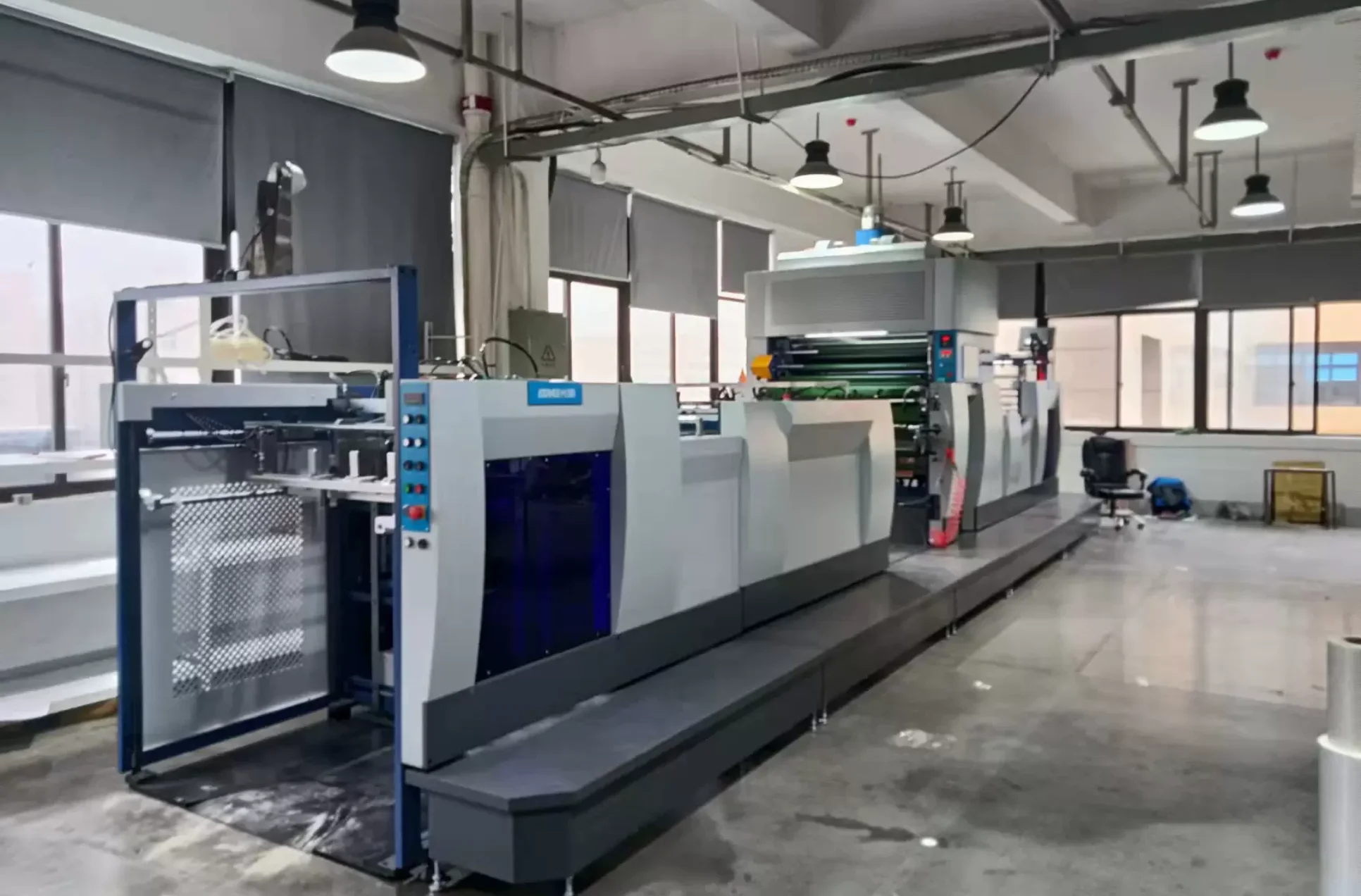
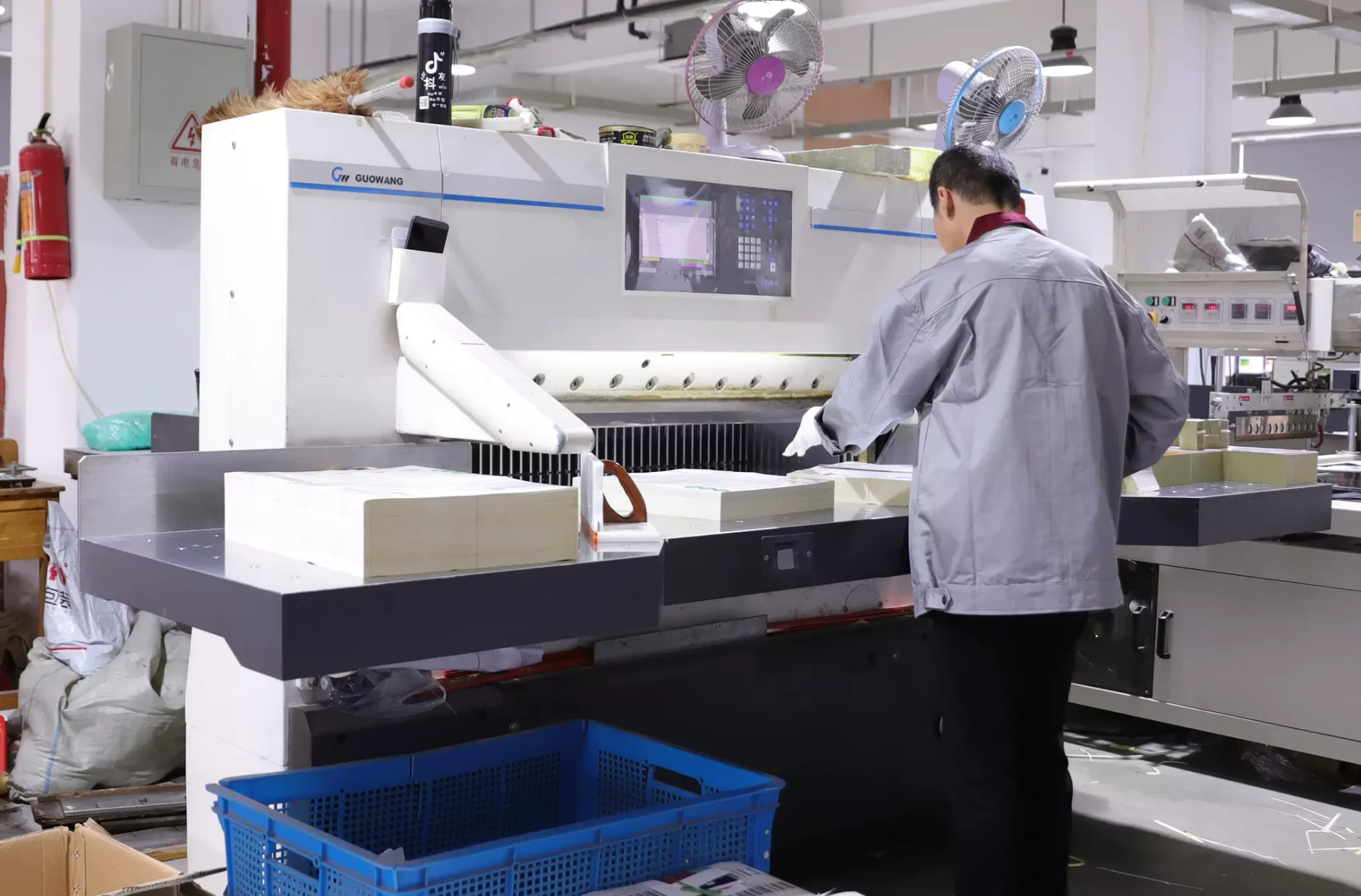
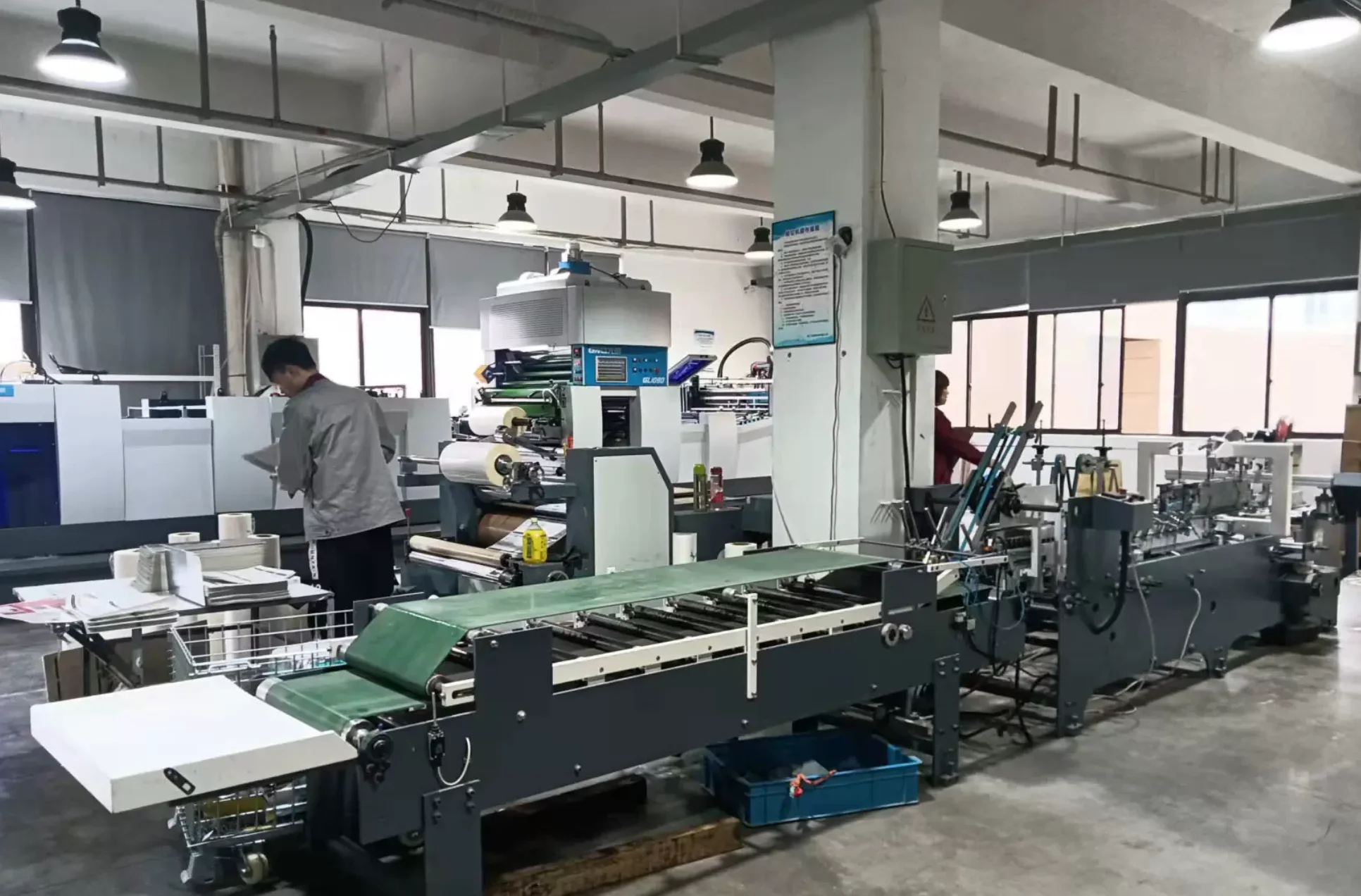
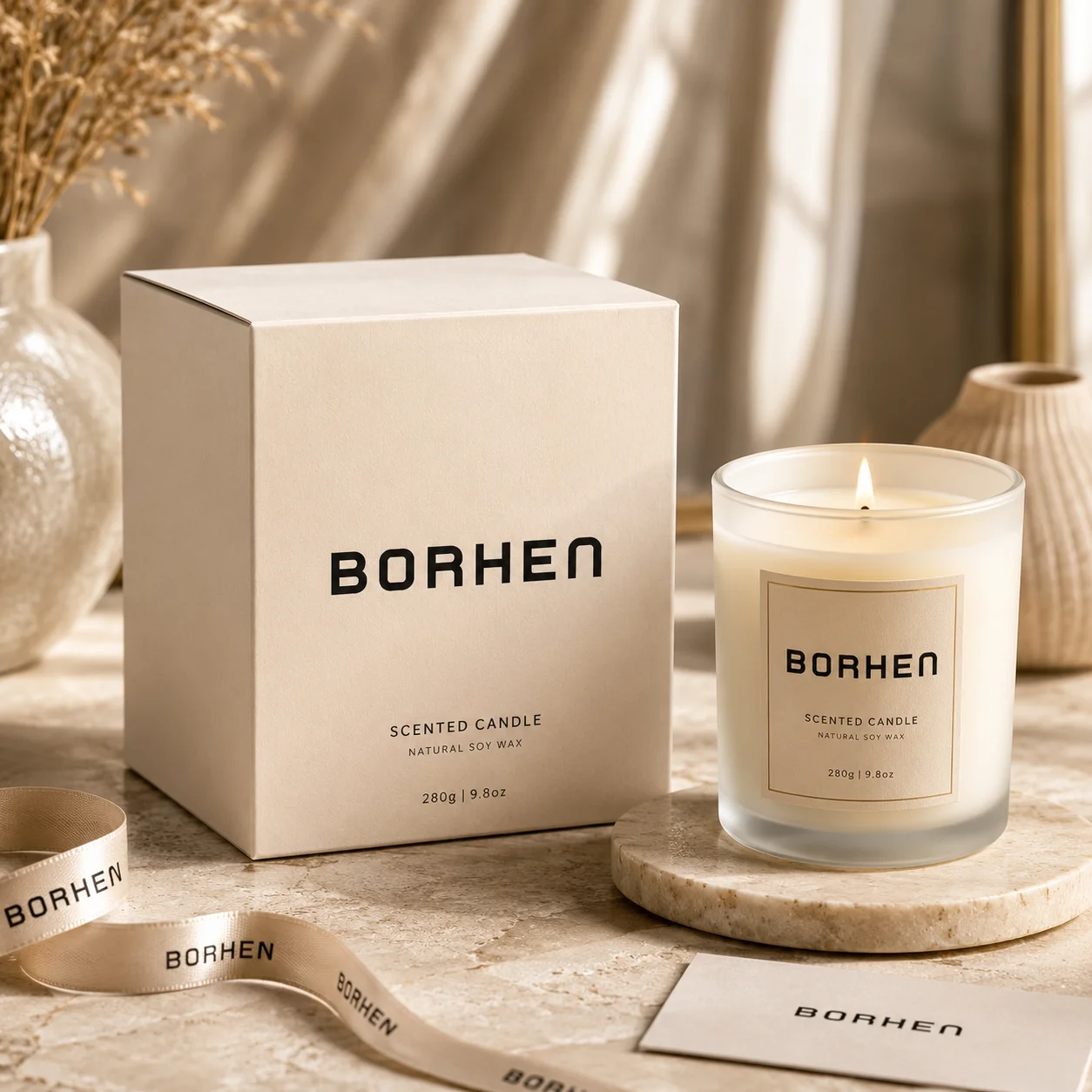
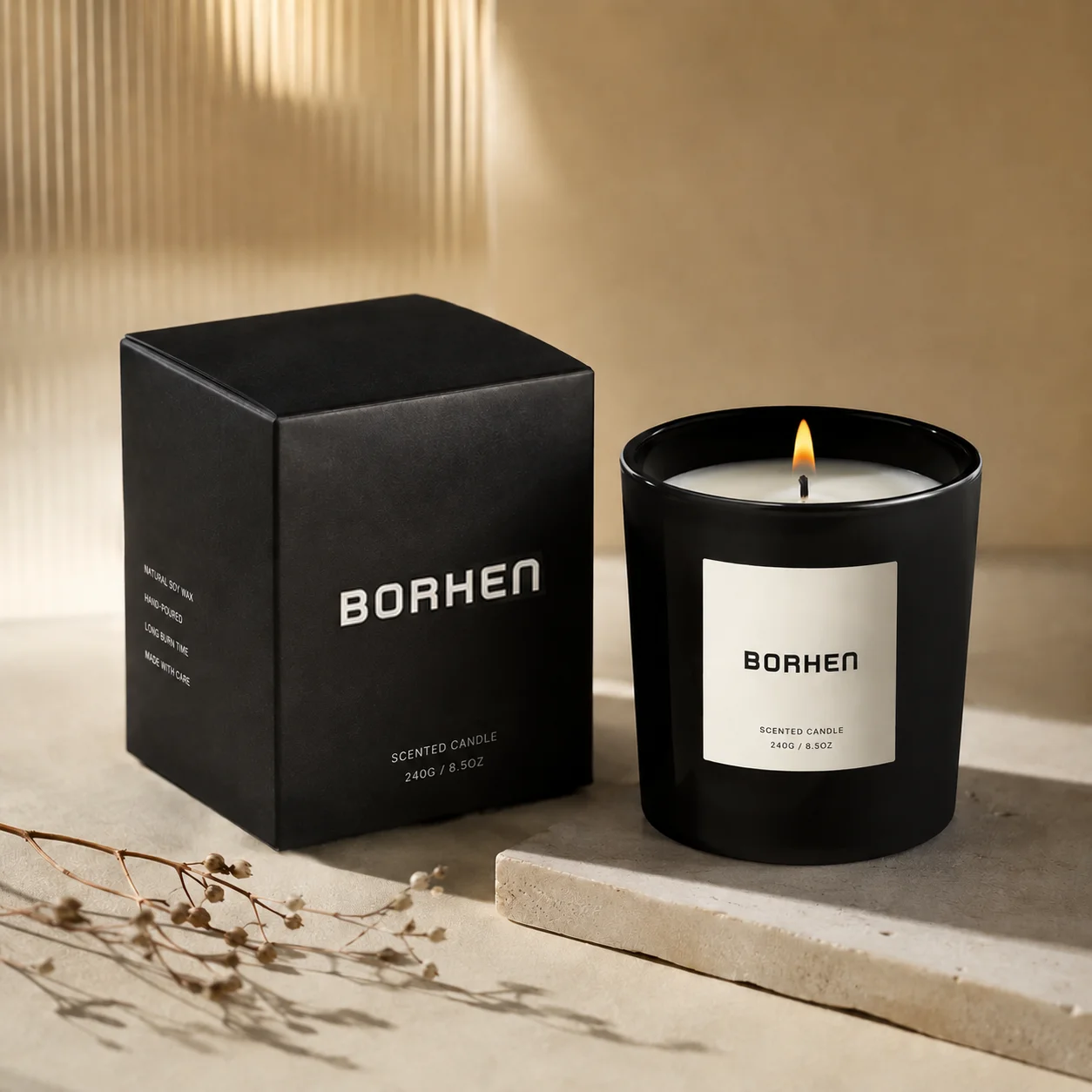
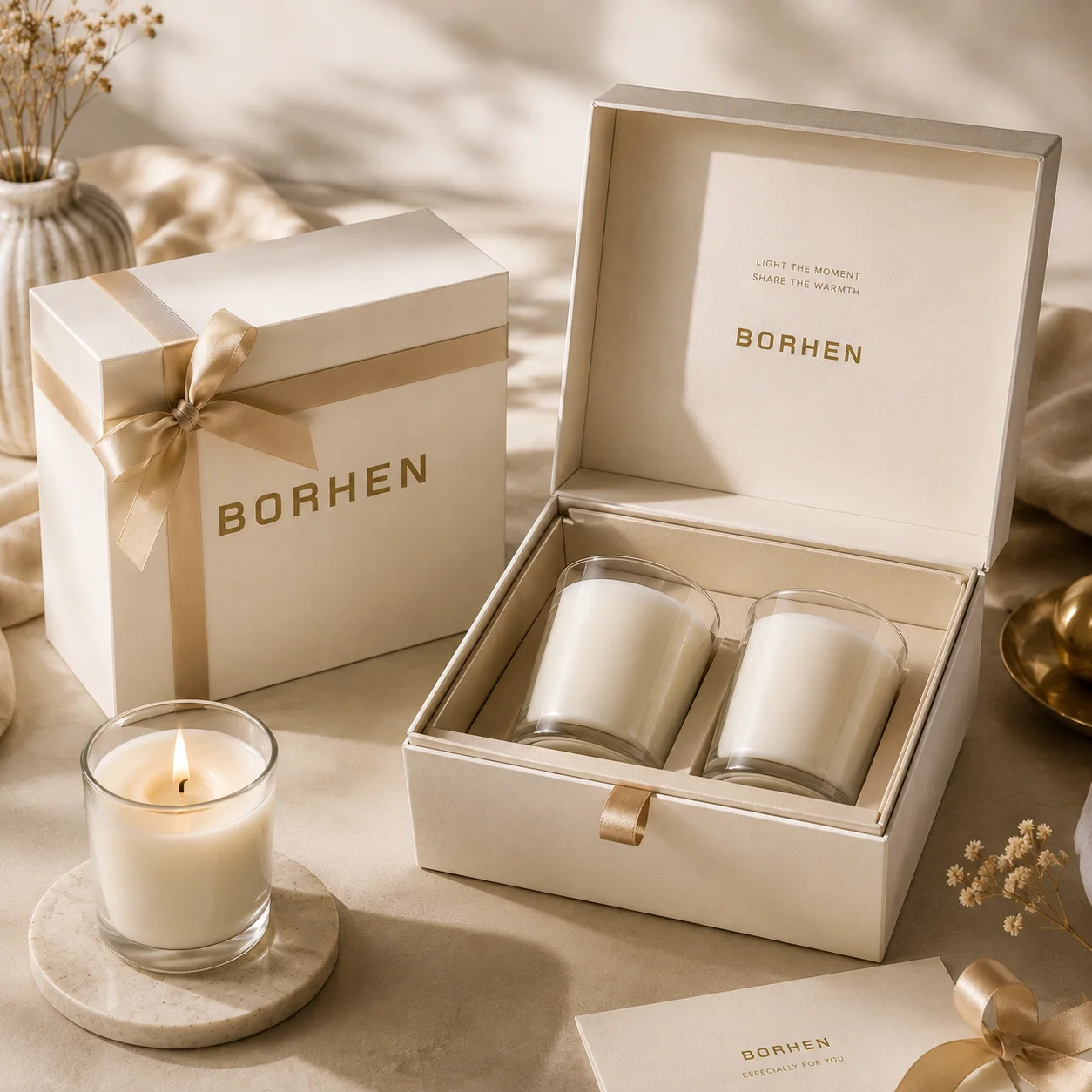
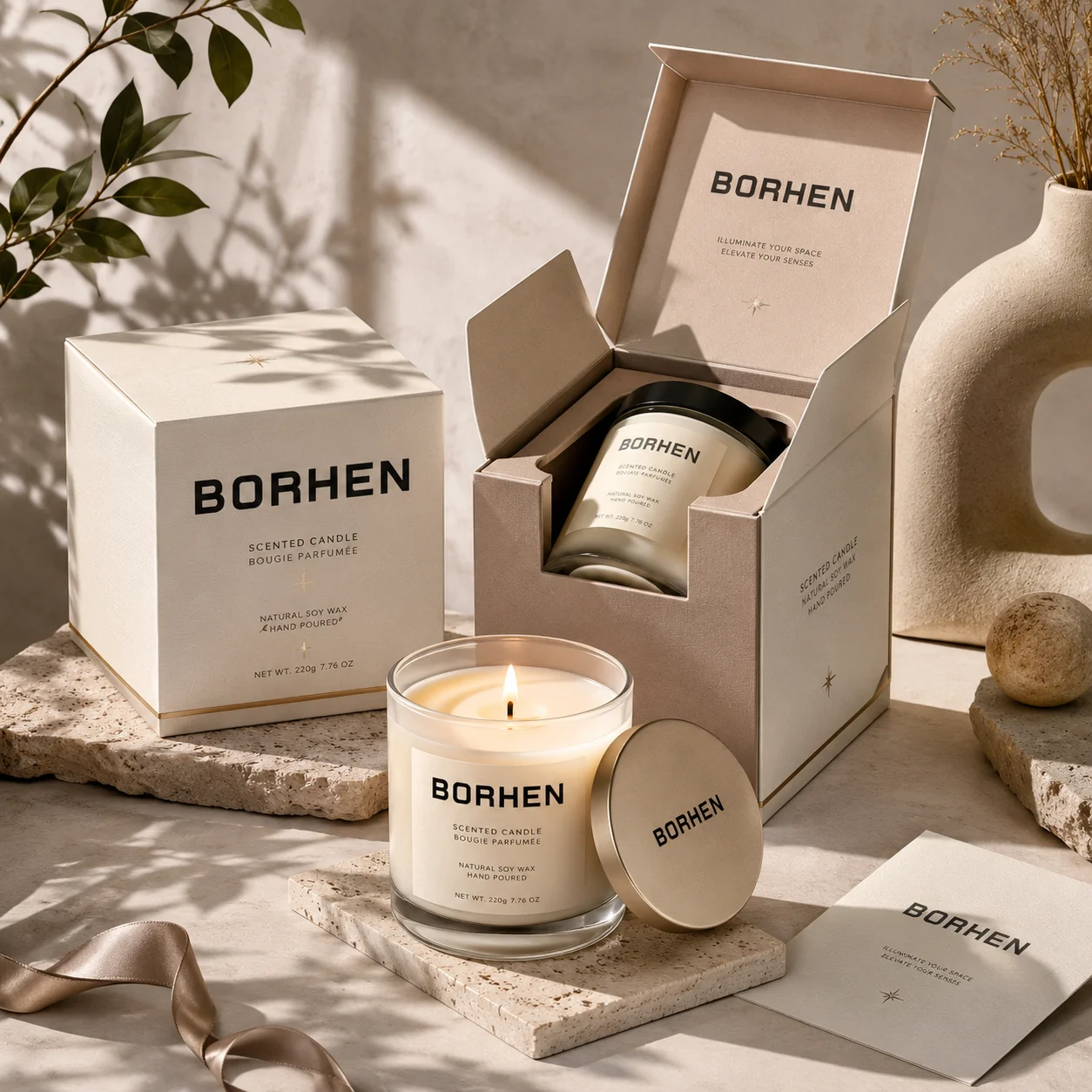
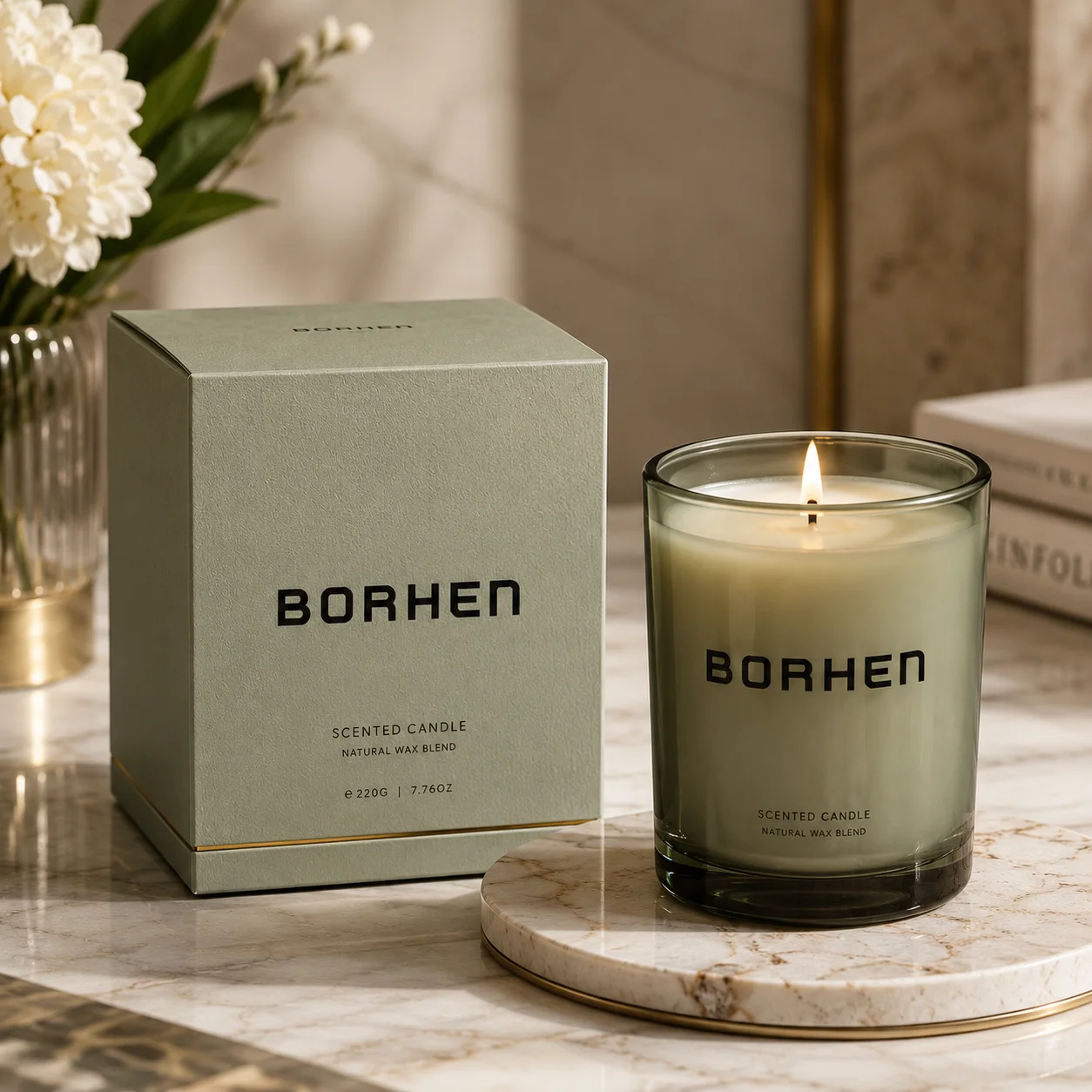
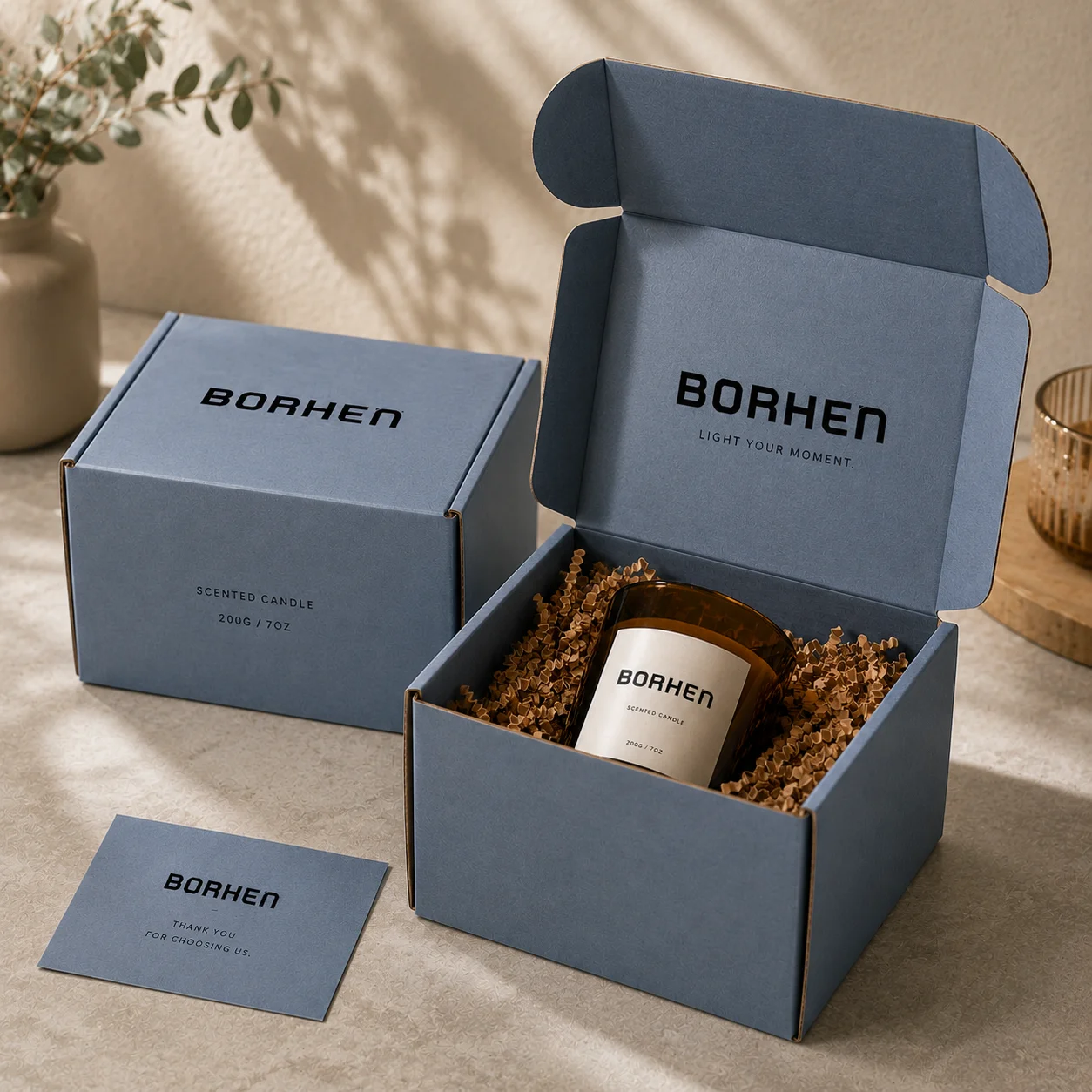
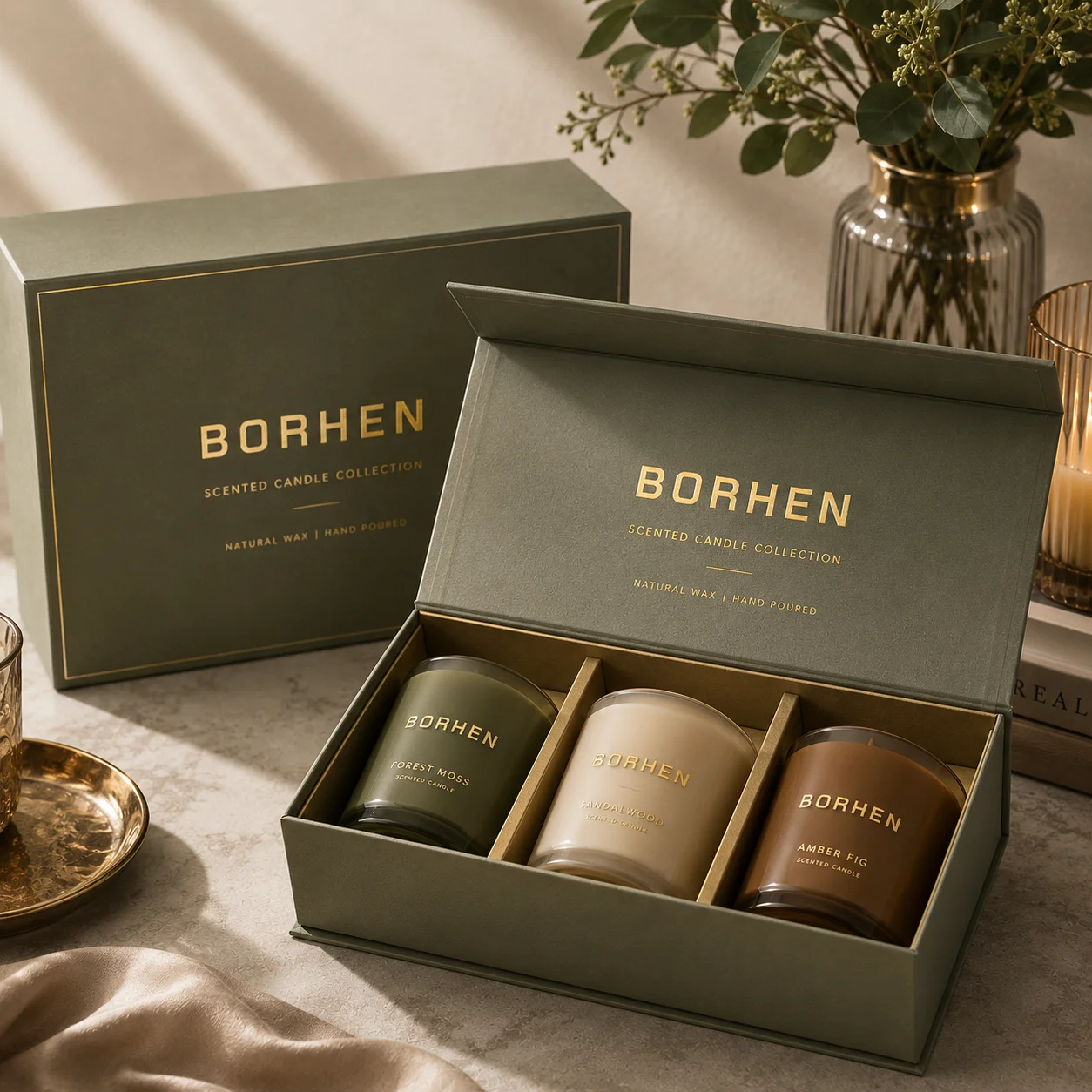
When I think about the cost and MOQ of custom candle boxes, I never see them as simple numbers that can be answered only by box size or quantity. In real packaging projects, cost is built from many connected decisions, and MOQ is often influenced by how practical those decisions are for material purchasing, machine setup, printing, finishing, assembly, inspection, and packing. A candle box may look simple in a product image, but behind that box there may be paperboard selection, structure development, insert fitting, artwork adjustment, Pantone matching, foil stamping, sample correction, export packing, and several SKU versions. This is why I always encourage candle brands to understand cost drivers before finalizing the design. When a brand understands how box type, material, paper thickness, inserts, printing coverage, finishing, FSC-certified paper options, SKU count, sample requirements, production complexity, and packing method affect price, it can make smarter packaging decisions without sacrificing the customer experience.
Why Cost and MOQ Should Be Discussed Before Design Is Finalized
I believe cost and MOQ should be discussed before the candle box design becomes too detailed because packaging ideas can become expensive very quickly when every attractive detail is added without a production plan. A brand may start with a beautiful concept that includes a rigid box, specialty paper, soft-touch lamination, foil stamping, embossing, custom insert, and several scent versions. Each element may make sense individually, but together they may create a higher MOQ, longer sample time, more complicated production, and a unit cost that does not match the product’s retail price. When this happens late in the project, the brand often has to redesign under pressure.
I prefer to treat budget and MOQ as part of the creative brief, not as a restriction that appears after the design is complete. If the brand is testing a new candle line, the structure should be realistic for a first order. If the brand is preparing a premium gift set, the packaging can justify more investment because the box directly supports perceived value. If the brand has many scents, the design should consider how variation affects setup and printing cost. In my view, early cost planning does not weaken design. It makes design more useful because every packaging detail has a commercial reason.
How Box Type Creates Different Cost Levels
Box type is one of the strongest cost drivers because each structure requires a different production process. A folding carton candle box is usually more efficient because it can be printed, die-cut, folded, glued, and shipped flat. This makes it practical for retail candle lines, multi-scent collections, seasonal launches, and larger production programs. A rigid candle box usually costs more because it requires thicker greyboard, wrapping paper, more assembly steps, corner control, and more careful packing. A corrugated candle mailer may have a different cost logic because it focuses more on shipping strength, board grade, flute type, and fulfillment efficiency.
I always compare box type with the candle’s business purpose. If the candle is a premium home fragrance product sold as a gift, a rigid box may support the price point and customer expectation. If the candle line includes many scents and needs efficient retail packaging, folding cartons may create a better balance between appearance and cost. If the product is sold mainly online, a mailer box may be worth the investment because it can reduce shipping damage and simplify packing. I do not think the cheapest structure is always the smartest choice, but I also do not think the most expensive structure is always necessary. The right box type is the one that matches product value, sales channel, and order plan.
How Material Choice Affects Both Price and Brand Perception
Material choice affects cost because paper materials differ in price, availability, printing behavior, texture, strength, and repeat stability. SBS paperboard may support clean printing and retail presentation. CCNB may be suitable for certain cost-conscious carton projects. Kraft paper may create a natural and warmer feeling, but it can make colors appear more muted. Greyboard is commonly used in rigid boxes and helps create a stronger structure, but it adds material usage and assembly work. Textured paper and specialty paper can improve tactile value, but they may also raise cost, affect print clarity, and require more careful sourcing.
When I evaluate material, I always connect it with the brand’s positioning and long-term supply plan. A luxury candle brand may need a material that feels substantial and refined. A natural candle brand may care more about kraft paper, uncoated paper, or FSC-certified paper options. A multi-SKU retail candle line may need material that prints consistently and stays available for repeat orders. A material that looks beautiful in one sample but is difficult to source later can create reorder problems. In my view, material selection should not only answer the question of how the box looks. It should also answer whether the box can be produced, shipped, and repeated reliably.
Why Paper Thickness Changes Cost, Protection, and Production Difficulty
Paper thickness affects cost because thicker paperboard usually uses more raw material and may require more suitable machine handling. For candle boxes, this decision matters because candles are often heavier than many other small packaged products. A candle in a glass jar, tin, or ceramic vessel can put pressure on the bottom, walls, and insert of the box. If the paper is too thin, the packaging may feel weak or deform during handling. If the paper is too thick, folding carton production may become harder, creasing may need more control, and the unit cost may rise unnecessarily.
I usually choose paper thickness by looking at product weight, box size, structure, sales channel, and shipping route. A small lightweight candle may not need the same paperboard as a large jar candle. A folding carton for retail display needs enough stiffness to stand properly on the shelf. A rigid candle box needs enough greyboard thickness to create a premium hand-feel. A corrugated mailer needs board strength that matches the shipping risk. In my opinion, thicker is not automatically better. The best thickness is the one that provides enough support without creating unnecessary cost, bulk, or production difficulty.
How Inserts Influence Cost and Packaging Performance
Inserts can increase cost, but they often solve problems that are more expensive if ignored. I see inserts as one of the most important parts of candle packaging because they control product movement, internal presentation, and shipping stability. A candle box without a proper insert may look fine from the outside, but the product may shake, rub, tilt, or feel loose inside. For gift sets, inserts also organize multiple candles or accessories so the box feels curated rather than empty or random. This means inserts affect both protection and perceived value.
Different insert materials create different cost and production implications. A paper insert may be more scalable and suitable for paper-based packaging goals. A cardboard divider can work well for candle sets or multi-piece boxes. Molded pulp may support a more responsible material direction but may require tooling and project review. EVA or foam can provide stronger positioning for certain premium products, but they may increase cost and may not match every sustainability direction. I usually recommend deciding insert needs early because the insert affects box size, dieline, sample development, packing method, and final cost. In my view, an insert should be judged by how much risk it reduces and how much value it adds to the opening experience.
How Printing Coverage Affects Ink Use, Color Control, and Inspection
Printing coverage affects cost because a simple logo print and a full-surface printed candle box require very different levels of production control. A box with one-color logo printing may be relatively straightforward. A box with large-area dark background printing, full-color illustrations, gradients, or different artwork for many scents requires more ink, more color control, more drying attention, and more inspection. The larger and more complex the printing area, the more sensitive the project becomes to color variation, rubbing, and surface defects.
I pay special attention to printing coverage when brands plan multi-SKU candle collections. If every scent has a different full-color design, the production team must control several versions, each with its own color balance. If the brand uses dark navy, black, deep green, or burgundy backgrounds, surface marks may become more visible after packing and shipping. Pantone matching can help maintain important colors, but paper material and lamination still affect the final result. In my view, printing coverage should be planned not only for visual impact but also for production repeatability. A design that is too difficult to control may create hidden cost in inspection, waste, and rework.
How Finishing Processes Add Value and Complexity
Finishing processes can add perceived value, but they also add cost and production complexity. Matte lamination, gloss lamination, soft-touch finishing, foil stamping, embossing, debossing, spot UV, and textured effects all require additional setup, equipment, alignment, pressure control, drying time, handling, and inspection. A candle box with several finishing effects may look premium, but each added process increases the chance of variation or defect. This is especially important when the project includes multiple SKUs or repeat orders.
I believe finishing should be selected according to brand value, not simply because the effect looks attractive. A small foil logo may add a strong premium signal. Embossing may add tactile detail. Soft-touch lamination may suit a calm luxury candle. Spot UV may create useful contrast on a matte surface. But if a box uses foil, embossing, spot UV, specialty paper, and soft-touch all at once, the cost may rise faster than the perceived value. In my opinion, the best finishing plan is focused. It uses one or two meaningful effects that support the candle’s positioning and remain realistic for bulk production.
Why FSC-Certified Paper Options Can Change MOQ and Planning
FSC-certified paper options can affect cost and MOQ because certified materials may involve specific sourcing, documentation, availability, and production planning. Many candle brands want FSC-certified candle packaging because responsible paper sourcing supports their market expectations, especially in Europe, North America, and Australia. I think this is a strong direction, but it needs to be planned from the start. Adding FSC requirements after the material, structure, and finish are already selected can create delays or force changes.
When I review FSC-certified paper options, I think about whether the certified material works for the selected box type, printing coverage, paper thickness, insert, and finish. Some standard certified paperboards may be easier to source, while special textured or colored FSC papers may require higher MOQ or longer lead time. For rigid boxes, both the wrapping paper and internal board direction may need review. For folding cartons, paperboard printability and folding performance matter. In my view, FSC-certified paper should be part of the full packaging specification, not just a statement added to the marketing copy.
How the Number of SKUs Affects Production Efficiency
The number of SKUs can change cost and MOQ because every scent version adds coordination. Even if all candle boxes share the same size and structure, each SKU may require different artwork, color matching, labels, sleeves, barcodes, fragrance notes, sample checks, or printing control. A five-scent candle collection is not always the same as one box ordered in a larger quantity. It may involve five artwork files, five color approvals, and five separate inspection concerns. If each scent also uses a different finish or paper, complexity increases even more.
I usually suggest keeping the main packaging standard stable and allowing only controlled SKU variation. The structure, material, logo placement, and main finishing direction can stay consistent, while scent names, accent colors, fragrance notes, and sleeve artwork change. This helps reduce production setup pressure and makes repeat orders easier. In my view, multi-SKU packaging should be designed as a system. The more the brand controls unnecessary variation, the more realistic the cost and MOQ become.
How Sample Requirements Influence Development Cost
Sample requirements affect cost because different sample levels serve different purposes. A plain structural sample can help confirm size, fit, opening method, and insert layout. A printed sample can help review artwork position and general color direction. A full-finish sample can show actual paper, printing, lamination, foil stamping, embossing, insert, and opening experience, but it requires more time and cost. Brands sometimes ask for a complete sample too early, before the structure is finalized, which can lead to unnecessary revisions and repeated sample charges.
I prefer matching the sample level to the decision that needs to be made. If the product fit is uncertain, the first sample should focus on structure. If the artwork direction is being tested, a printed sample may be enough. If the packaging is for a premium retail or gift launch, a full-finish sample may be necessary because the customer needs to approve the real hand-feel and visual effect before bulk production. I see sampling as risk control, not only as a cost. A good sample can reveal problems before they become expensive mistakes.
How Production Complexity Affects Price and Lead Time
Production complexity affects price because every additional process requires more coordination and control. A simple folding carton with basic printing may move through production relatively efficiently. A rigid candle box with specialty paper, custom insert, foil stamping, embossing, soft-touch lamination, multiple SKUs, and export packing requires more steps, more communication, more inspection, and more time. The more complex the project becomes, the more important it is to confirm details before production begins.
I do not think complexity is bad when it serves a clear purpose. A premium gift candle may need a more complex structure to support perceived value. A fragile candle product may need a more developed insert to reduce shipping risk. A seasonal campaign may need special finishing to create gift appeal. But complexity becomes a problem when it is added without improving customer experience or business performance. In my view, a well-controlled simple box can sometimes be more valuable than an overcomplicated design that is expensive, slow, and difficult to repeat.
How Packing Method Adds Hidden Cost
Packing method can add hidden cost because it affects labor, carton size, protective material, shipping volume, storage space, and damage risk. Candle boxes often require careful packing because they may use premium surfaces, rigid structures, or heavier products. A soft-touch rigid box may need protective wrapping to avoid rubbing. A dark printed box may need careful carton arrangement to reduce scratches. A folding carton may be packed flat or assembled depending on the project. A corrugated mailer may need to be packed in a way that protects its shape.
I always include packing method in cost thinking because a low box price can become expensive if the packaging arrives damaged. If boxes are packed too tightly, surfaces may show pressure marks. If they are packed too loosely, movement may cause dents and rubbing. If the outer carton is too weak, the boxes inside may deform during stacking. If the carton is too large, freight cost may increase. In my opinion, the final cost of candle packaging includes not only production but also how well the packaging survives storage and transport.
Why Lead Time Can Change With Materials and Finishing
Lead time is closely connected to cost and MOQ because material sourcing, sample approval, printing setup, finishing, assembly, inspection, and packing all take time. A simple folding carton with standard paper and basic printing can usually move faster than a rigid box with specialty paper and several finishing effects. If FSC-certified paper, custom inserts, Pantone matching, or multiple SKU versions are involved, the timeline may need more planning. I think brands should understand lead time as part of the cost of packaging because delays can affect product launches, seasonal campaigns, and retailer commitments.
When a candle brand has a fixed launch date, I always prefer to simplify unnecessary risks. If the timeline is short, using standard materials, a stable structure, fewer finishes, and controlled SKU variation may be smarter than developing a highly complex box. If the project is for a major gift campaign, sample approval should happen early enough to leave time for correction. In my view, lead time reliability is part of packaging value. A beautiful box that arrives too late can still fail the business goal.
Why the Cheapest Quote Is Not Always the Best Cost Decision
I believe the cheapest quote is not always the best cost decision because packaging cost should be judged by total performance, not only unit price. A low price may mean thinner paper, weaker structure, poor color control, loose insert fit, limited inspection, or insufficient packing. At first, the savings may look attractive. Later, the brand may face product movement, damaged boxes, inconsistent colors, customer complaints, retailer dissatisfaction, or reorder problems. These costs are not always visible in the quotation, but they are real.
At the same time, I do not believe brands should automatically choose the most expensive packaging either. Overspending on unnecessary structure, excessive finishes, or overly complex materials can also weaken profitability. The best cost decision is the one that fits the product value, protects the candle, supports the sales channel, and remains repeatable. In my view, packaging cost should be evaluated through commercial suitability. A good custom candle box should make sense for the product, the customer, the brand, and the long-term supply plan.
How Brands Can Keep Cost and MOQ More Realistic
Brands can keep cost and MOQ more realistic by clarifying the packaging direction before adding too many details. I usually start with product size, product weight, sales channel, target market, order quantity, and brand positioning. Once these are clear, it becomes easier to choose the right box type, material, thickness, insert, printing coverage, finishing, FSC paper requirement, SKU system, sample level, and packing method. When decisions are made in the right order, the packaging becomes easier to control.
I believe good cost planning does not mean removing all premium details. It means choosing the details that matter most. A candle brand may choose a folding carton with excellent printing instead of a rigid box if scalability is more important. It may choose one foil logo instead of several finishing effects if the goal is refined gift value. It may use a sleeve system to support multiple scents instead of producing completely different boxes. It may invest in better inserts if shipping protection is the main concern. In my view, realistic packaging cost comes from clear priorities, not from cutting corners.