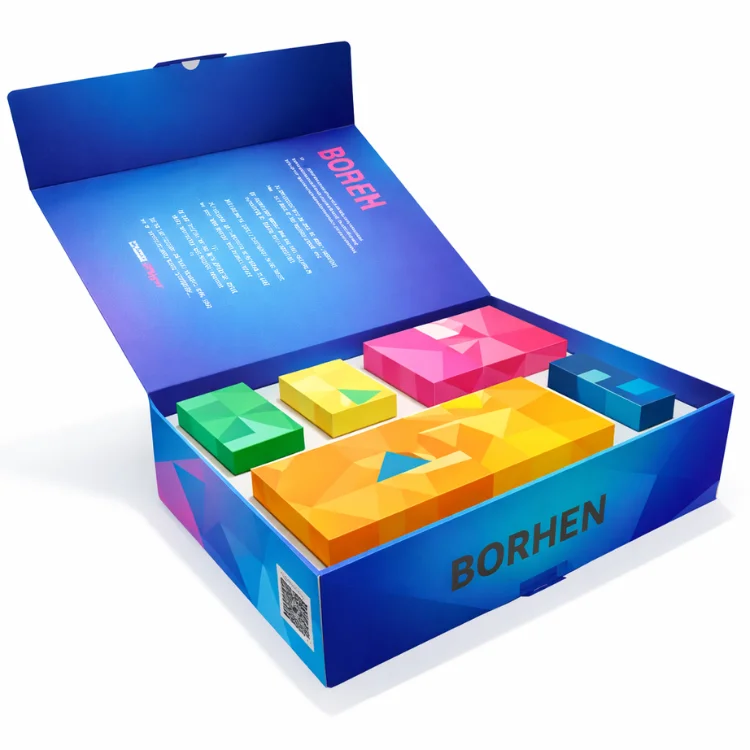
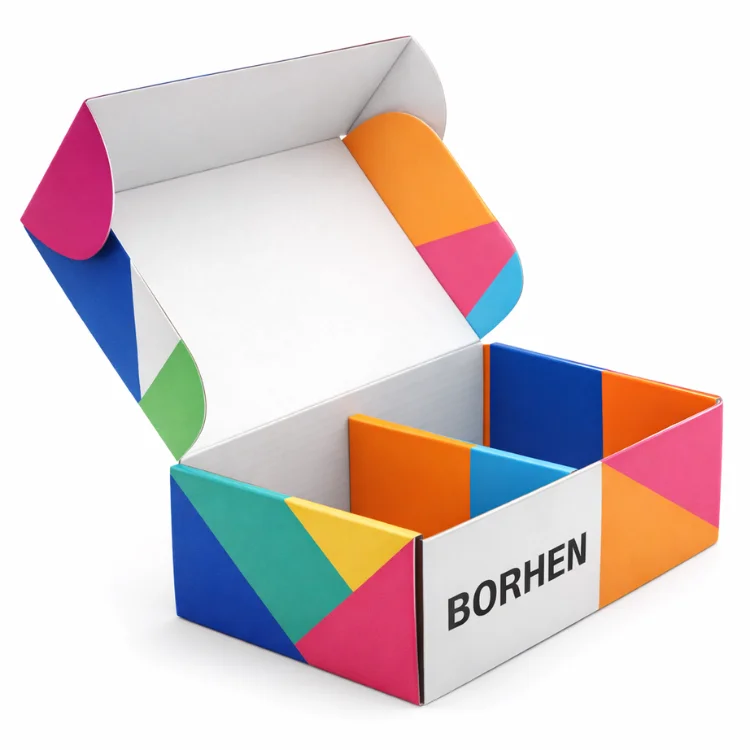
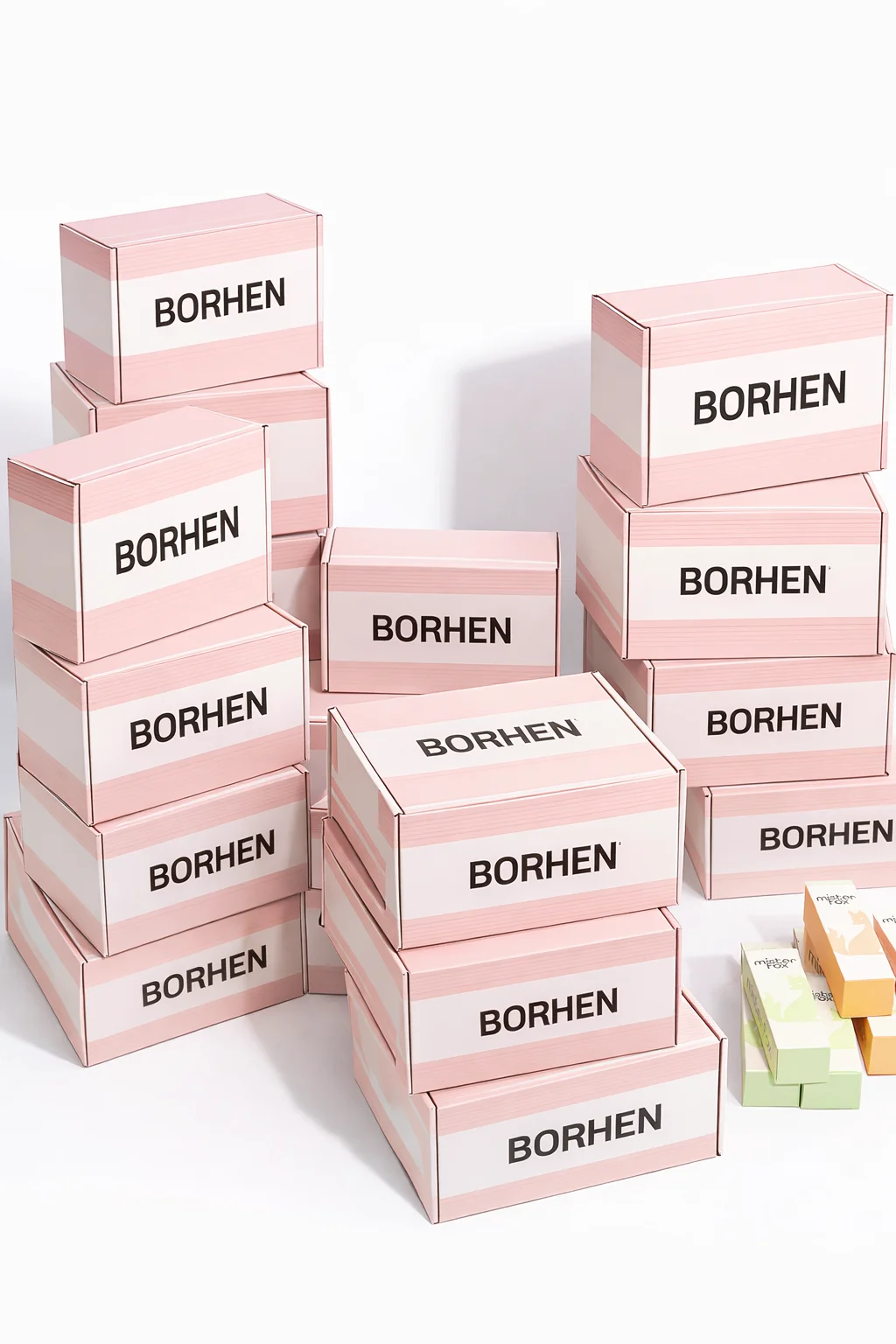
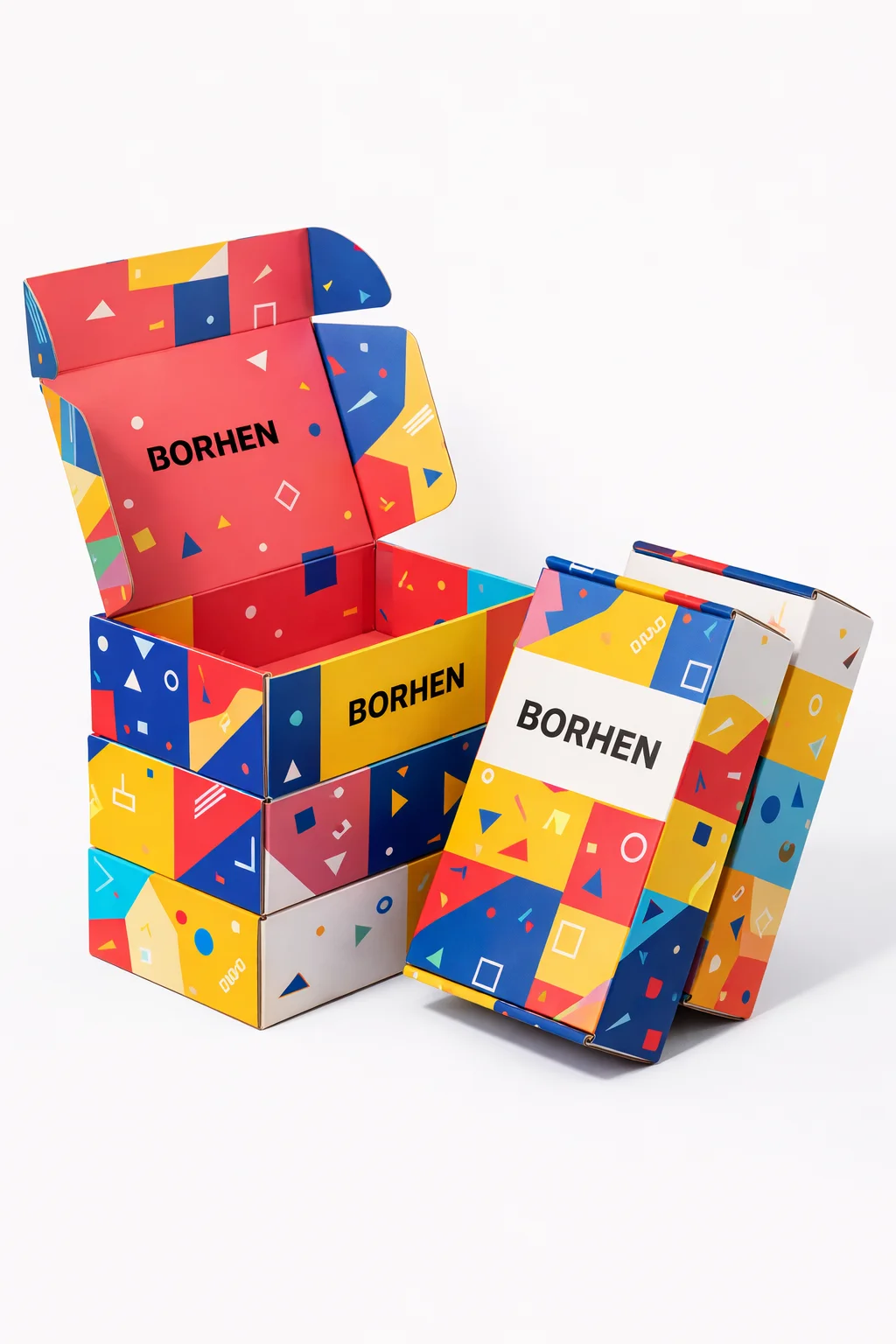
MOQ is one of those topics that looks simple on the surface but quietly controls how a packaging program behaves over time. When I talk with teams about MOQ, I’m rarely just answering “what’s the minimum.” I’m usually helping them understand how quantity choices influence pricing stability, production behavior, material availability, and the ease of scaling later. In my experience, MOQ decisions made early tend to either remove friction from future growth or create it.
Why MOQ Reflects How Production Actually Works
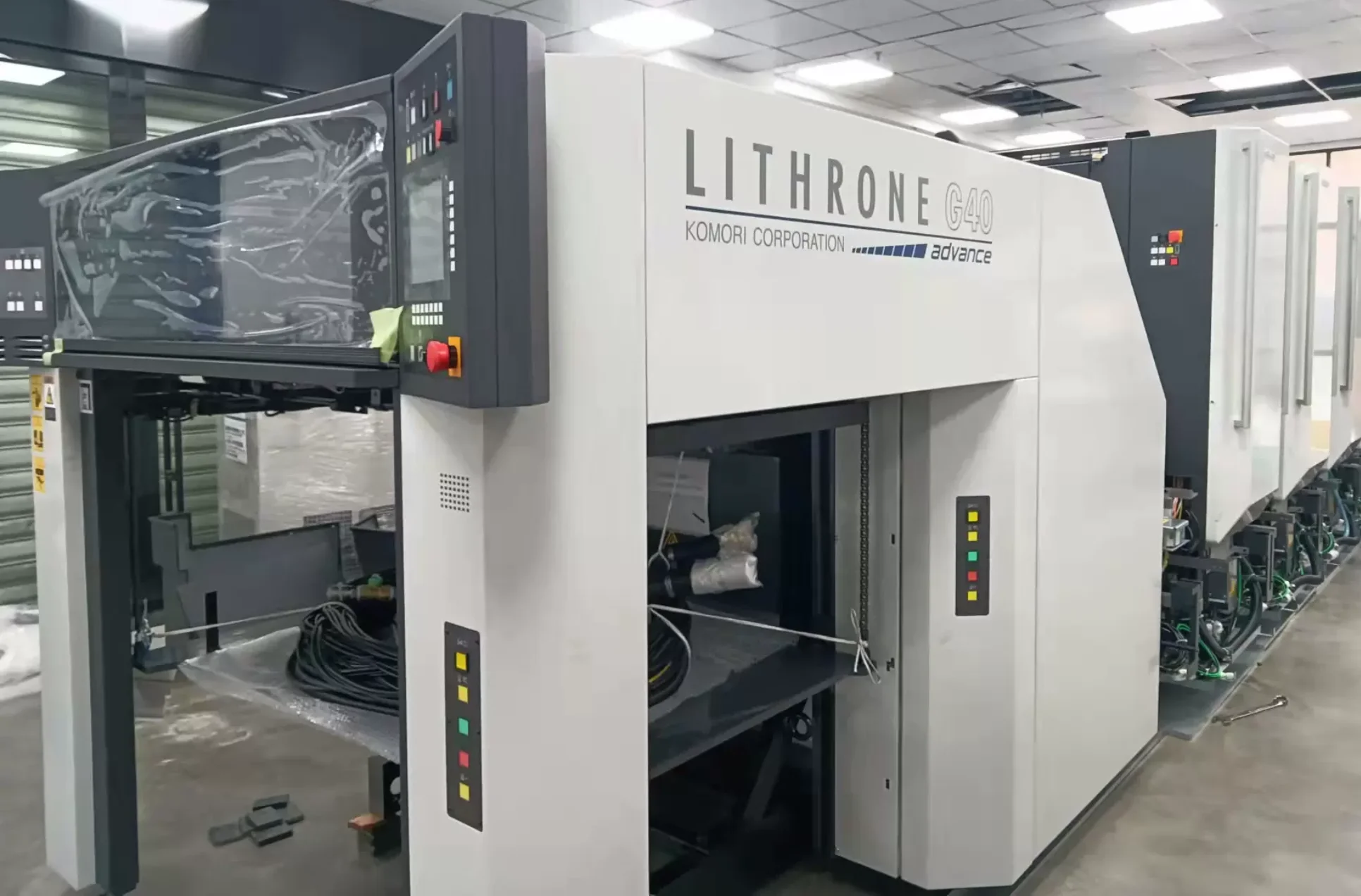
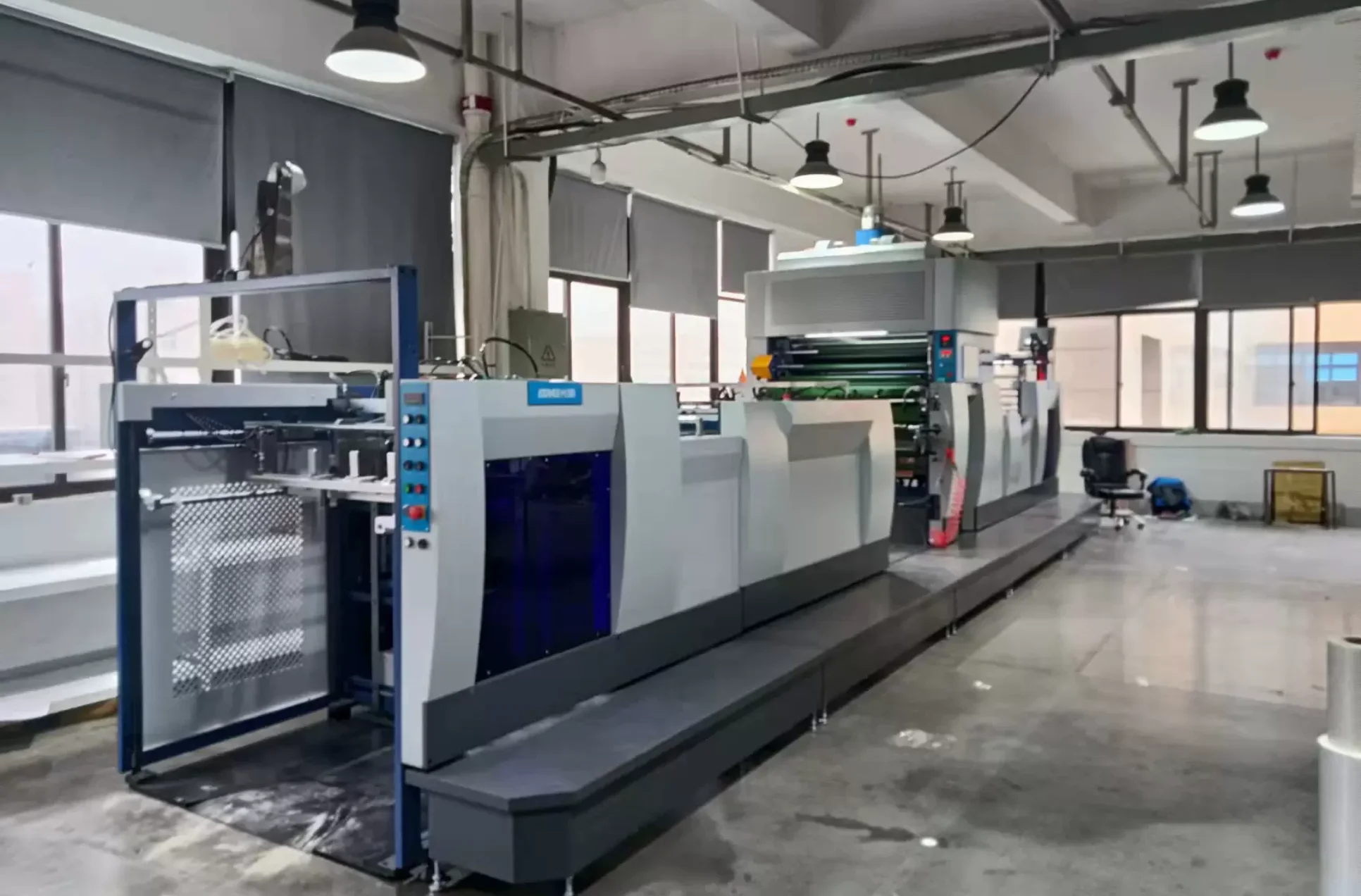
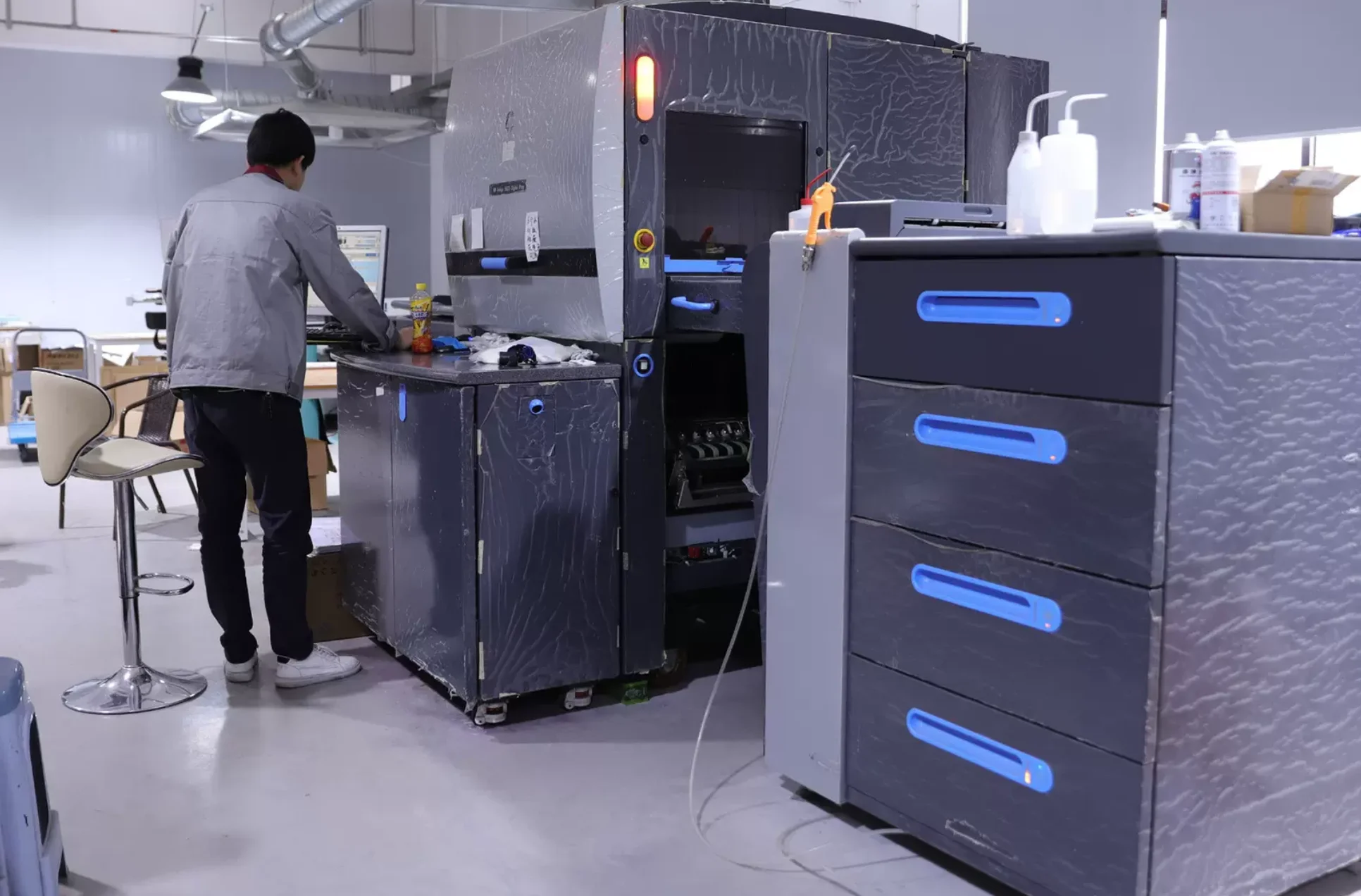
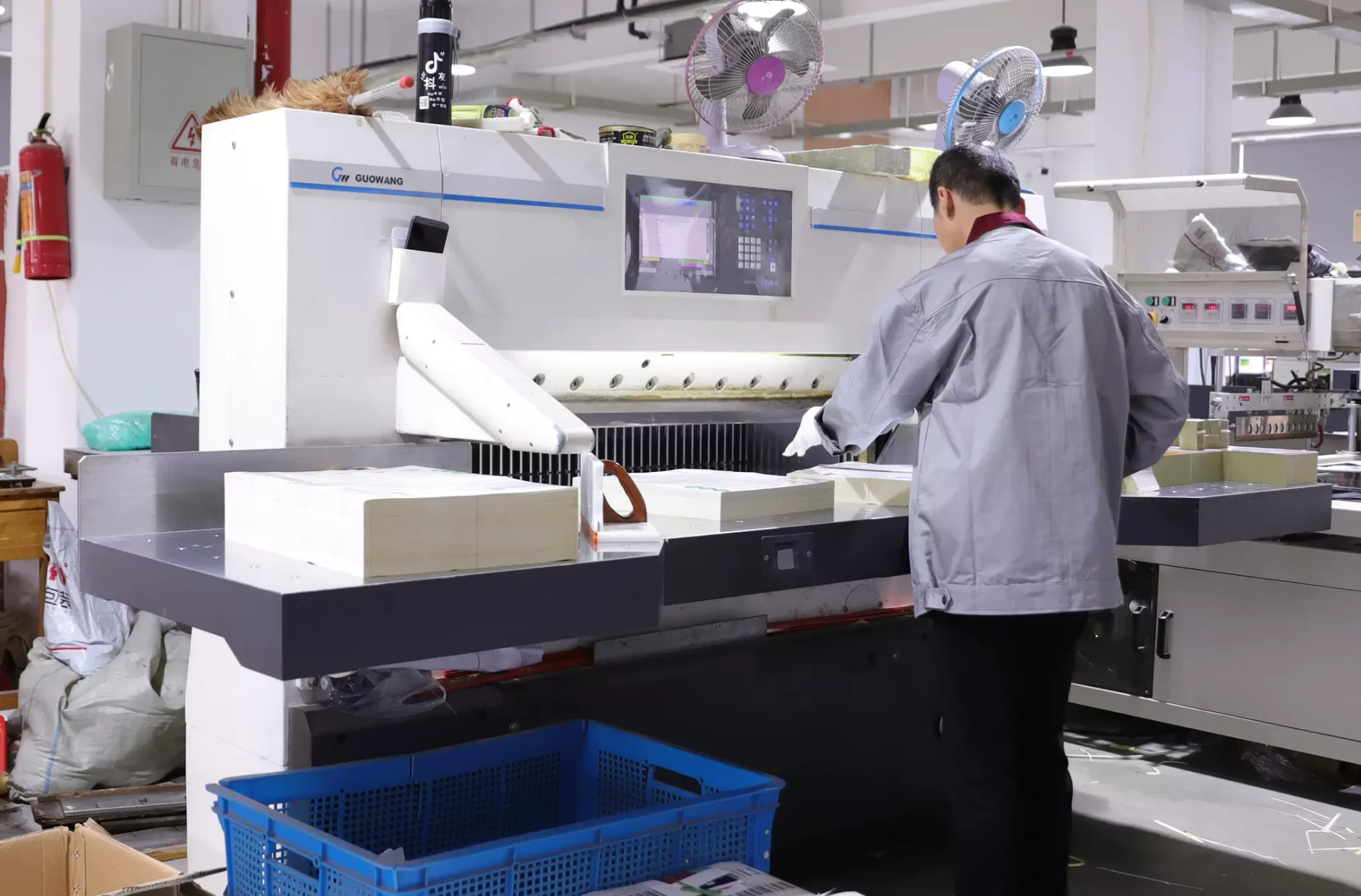
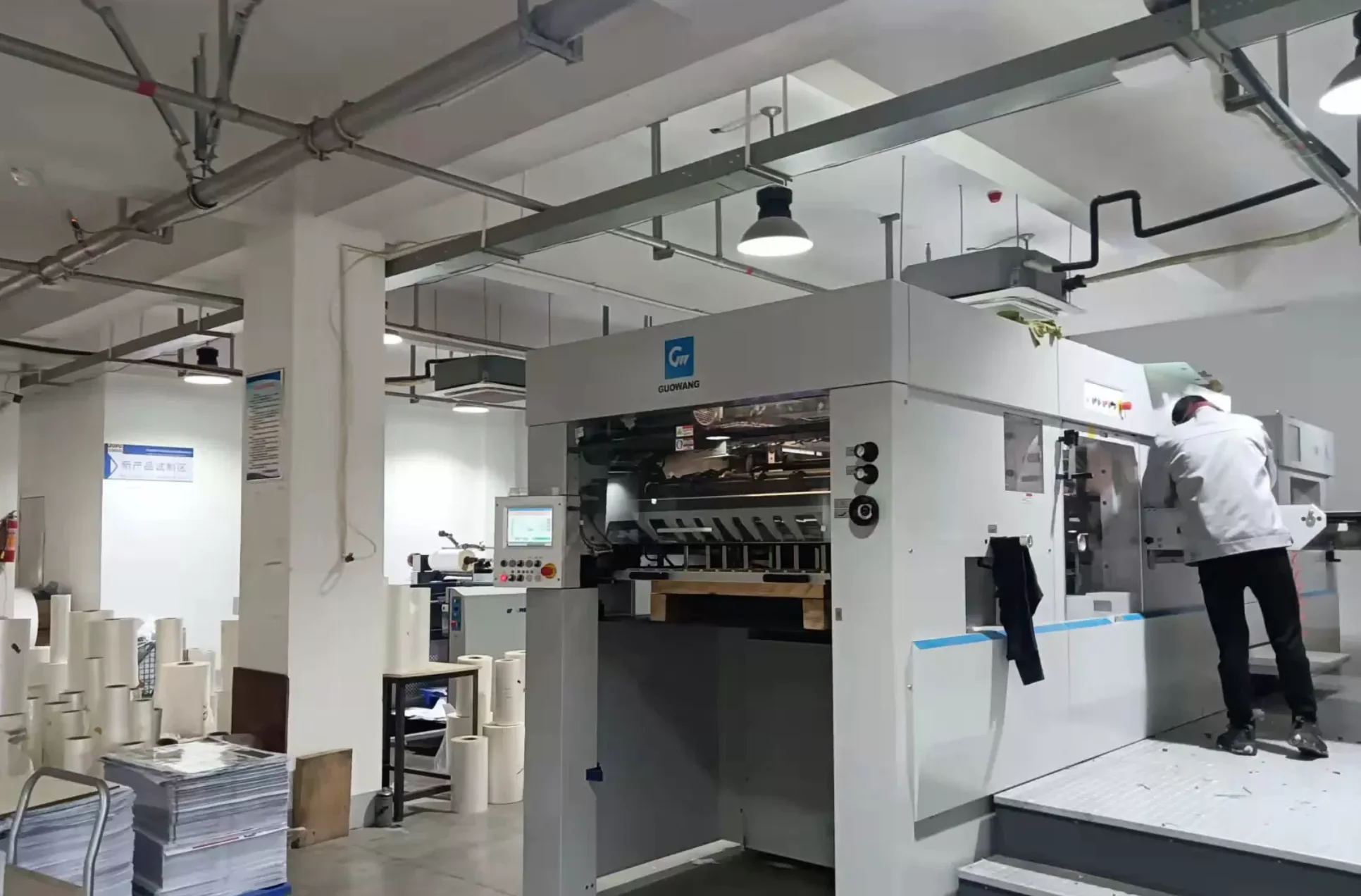
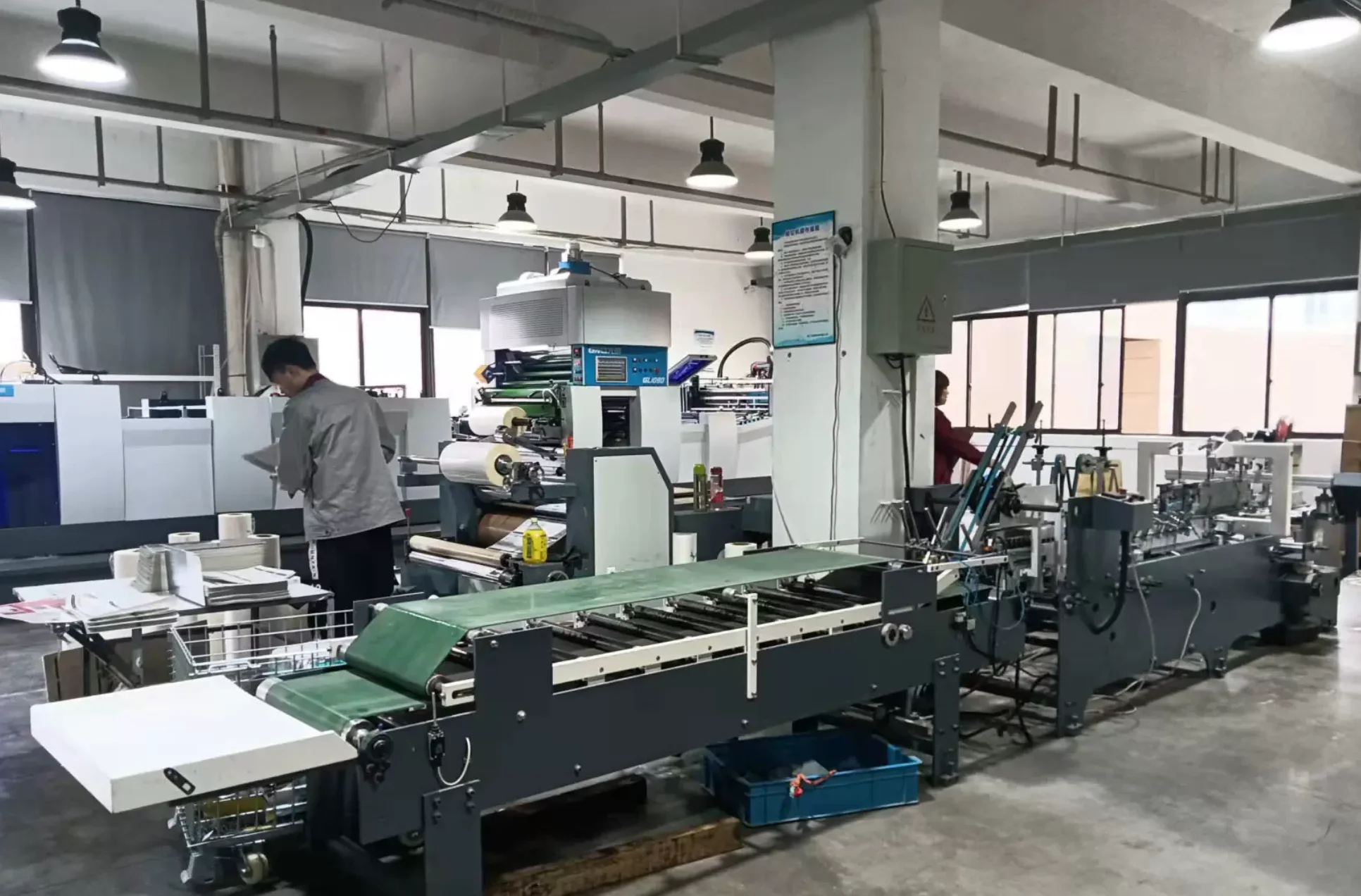
I always start by reframing MOQ as a reflection of production reality rather than a commercial barrier. Every mailer box order requires fixed steps such as machine setup, tooling alignment, color calibration, and quality checks. These steps take time and effort regardless of whether the order is small or large. When quantities fall below a certain threshold, production becomes less predictable, and costs fluctuate. That’s why MOQ exists. It marks the point where production shifts from being improvised to being stable and repeatable.
Why Some Mailer Box Projects Can Start With Lower MOQs
Not all mailer box designs behave the same at low quantities, and this is something I’ve learned through experience rather than theory. Projects that use standard board grades, common flute types, and straightforward structures are much easier to run in smaller batches. These designs fit into existing workflows and don’t require special material sourcing or extended setup time. That’s why certain projects can realistically begin with lower MOQs while still maintaining quality. The key is that simplicity and standardization make low-volume production feasible.
When Low MOQ Becomes a Hidden Risk
While low MOQs are useful for testing, I’m always cautious when they become the default approach. Very small runs often behave differently from scaled production. Materials may be sourced from alternate stock, setup tolerances may be looser, and quality variation is harder to control. I’ve seen teams approve samples and first runs at low quantities, only to encounter surprises when scaling. This happens because the production conditions change. Low MOQ is valuable, but it should be used deliberately, not endlessly repeated.
Why Higher MOQs Can Improve Cost Stability
Higher MOQs are often misunderstood as a cost burden, but in many cases they create stability rather than risk. When quantities increase, material sourcing becomes more consistent, setup costs are spread across more units, and production parameters stay within tighter control. I’ve seen unit prices drop, lead times shorten, and quality variation decrease simply because the order size allowed production to run efficiently. In these situations, higher MOQ is less about commitment and more about creating a predictable system.
The Relationship Between MOQ and Material Sourcing
Material sourcing is one of the least visible but most important factors behind MOQ. I always look at how paperboard and liner materials are supplied. Some materials are readily available in small quantities, while others require mill-level planning or bulk purchasing. When MOQ aligns with how materials are sourced, production flows smoothly. When it doesn’t, substitutions, delays, or inconsistencies become more likely. That’s why I never evaluate MOQ without considering the supply behavior of the materials involved.
How MOQ Influences Lead Time Reliability
MOQ doesn’t just affect price; it affects scheduling. Smaller orders are often fitted into production gaps, which can make lead times less predictable. Larger, well-defined orders are easier to plan and schedule efficiently. I’ve seen cases where increasing quantity slightly resulted in more reliable delivery because the order fit cleanly into the production plan. Lead time reliability matters just as much as speed, especially for programs with fixed launch dates or ongoing replenishment needs.
Testing With MOQ That Reflects Real Use
When using MOQ for testing, I always ask what the test is meant to validate. If the goal is to check appearance or basic fit, a small run may be enough. But if the goal is to evaluate packaging performance for long-term use, the test quantity should resemble real production conditions. I’ve seen teams misinterpret test results because the test run was too small to reflect actual behavior. Effective testing uses MOQ as a tool to simulate future reality, not just minimize upfront cost.
The Cost of Staying Too Small for Too Long
One of the most common patterns I see is programs that remain stuck at low MOQ for too long. Each small order requires fresh coordination, setup, and approval, which adds hidden cost and administrative burden. Over time, this slows down decision-making and prevents pricing from stabilizing. I encourage planning MOQ with a path toward consolidation, so early flexibility eventually leads to long-term efficiency rather than ongoing friction.
MOQ as a Tool for Predictable Reorders
Reordering is where good MOQ planning really pays off. When quantities align with stable production conditions, reorders become routine instead of stressful. Materials stay consistent, production parameters remain unchanged, and quality stays within expected limits. I always think ahead to the second and third order when discussing MOQ. The easier it is to repeat an order, the healthier the packaging program usually is.
Planning MOQ With Growth in Mind
I never treat MOQ as a fixed number. I see it as part of a progression. Starting smaller can make sense, but there should be a clear path toward quantities that support efficiency, stability, and cost control. When MOQ planning accounts for future volume increases, scaling feels natural rather than disruptive. That’s when packaging stops being an experiment and becomes a dependable operational asset.
Why MOQ Decisions Shape Long-Term Packaging Strategy
In the end, MOQ is not just about minimums. It’s about how confidently a packaging program can grow. Poorly planned MOQ decisions often lead to redesigns, supplier changes, or cost shocks later. Thoughtful MOQ planning, on the other hand, creates stability, predictability, and room to scale. I’ve seen the difference many times, and it’s one of the clearest indicators of whether a packaging program is built for the long term or just the next order.


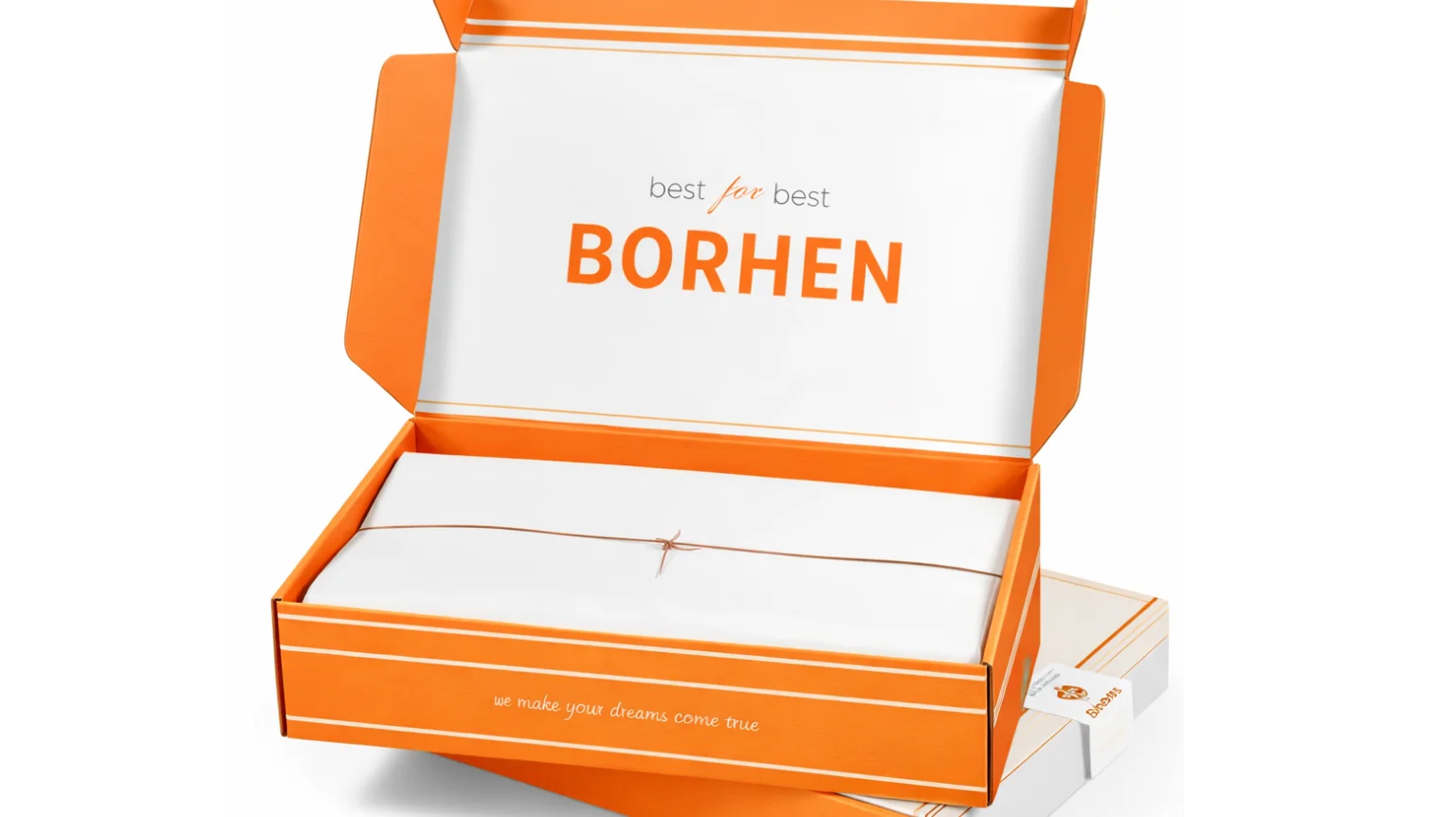
 Custom Apparel Mailer Boxes Designed to protect garments during shipping while maintaining a clean, branded presentation suitable for repeat orders.