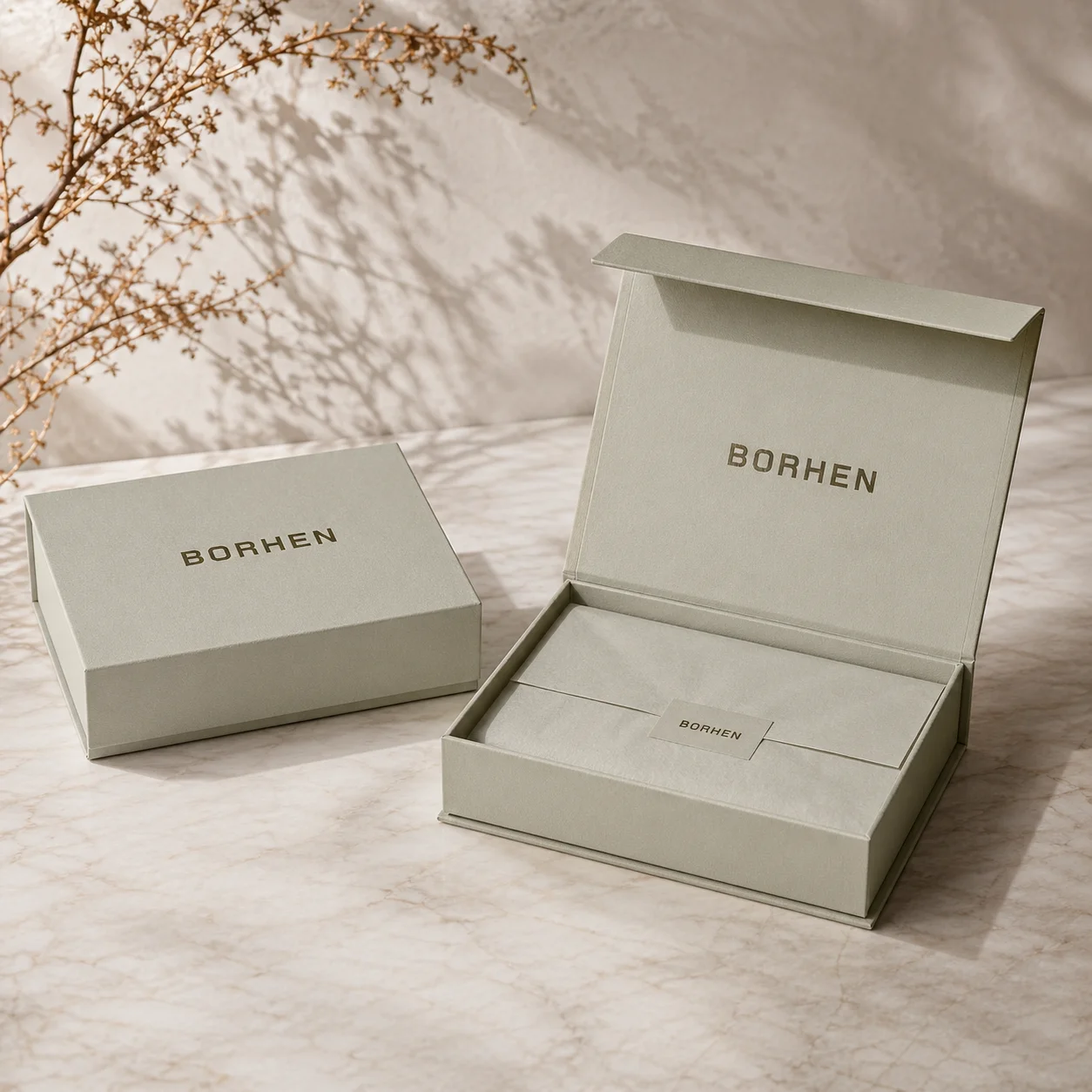
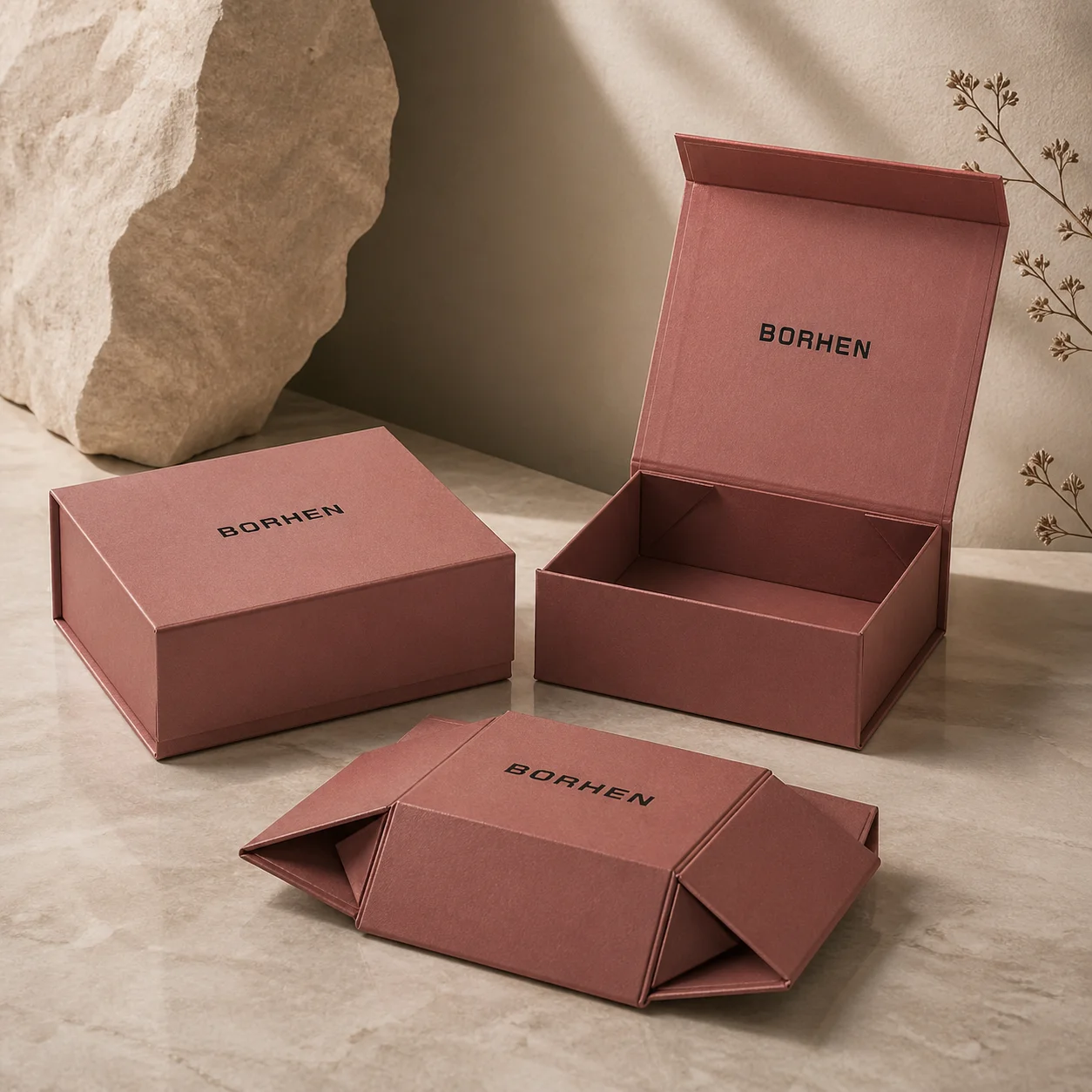
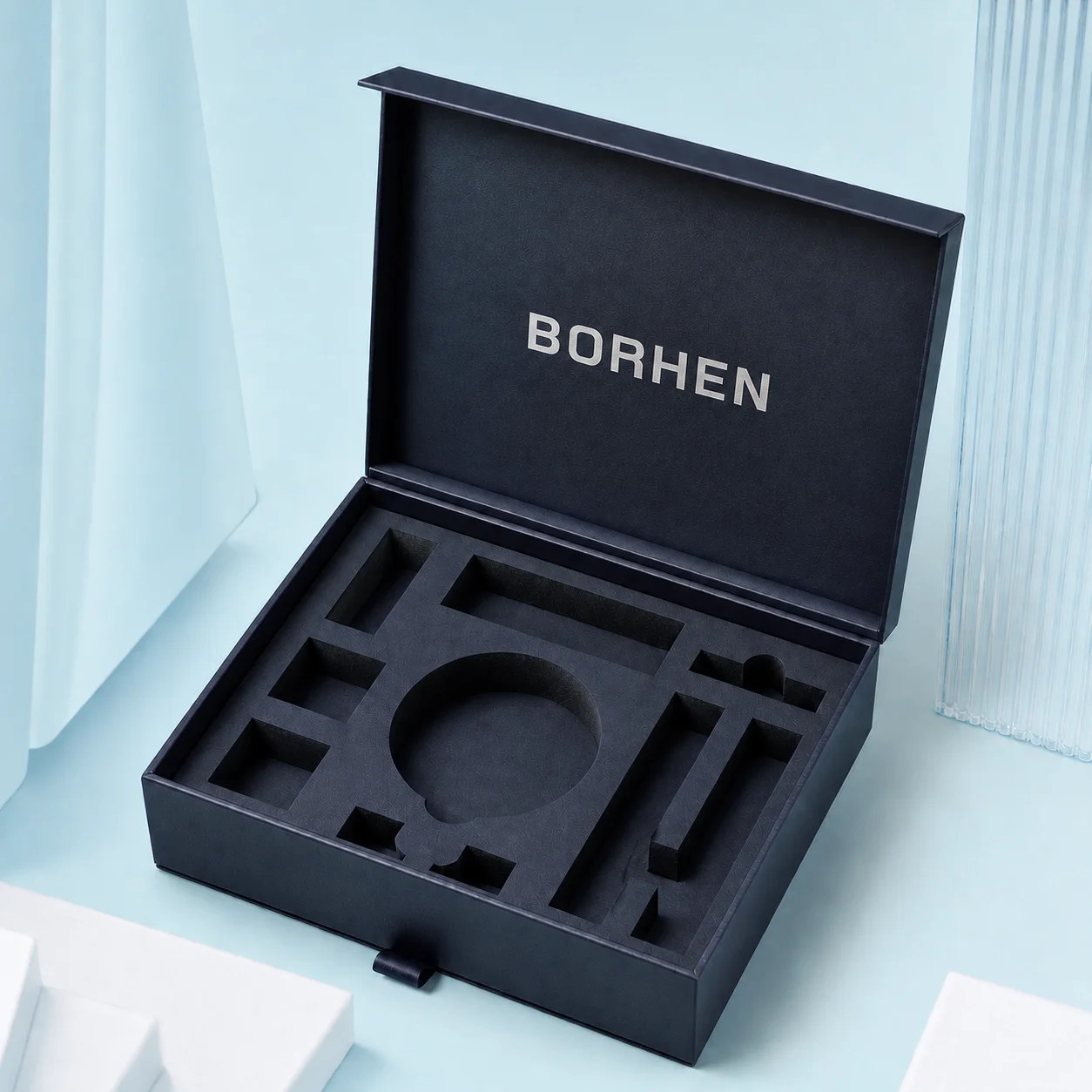
Choosing a reliable custom rigid box manufacturer in China is not simply about finding a factory that can make a good-looking box. From my experience, serious B2B buyers are usually trying to answer a deeper question: can this supplier help me reduce packaging risk, control quality, protect my brand image, and support repeat orders over time? A custom rigid box may look simple when it is finished, but behind that finished packaging are many decisions about structure, chipboard strength, wrapping paper, color control, finishing accuracy, insert fit, sampling, quality inspection, export packing, communication, and production capacity. If a manufacturer cannot manage these details clearly, the project may still face delays, inconsistent quality, sample-to-bulk differences, damaged packaging, or problems during future reorders. That is why I believe a reliable rigid box manufacturer in China should not only produce boxes. It should help customers make better packaging decisions before sampling, during production, and across long-term cooperation.
Start with Whether the Manufacturer Understands Your Product and Business Goal
When I judge whether a custom rigid box manufacturer is reliable, I first look at how they understand the project before giving a quotation. A professional supplier should not only ask for box size, logo file, and quantity. They should want to understand what product goes inside the box, how heavy it is, whether it is fragile, how it should be displayed, where it will be sold, how it will be shipped, and whether the packaging will be reordered in the future. These details affect the rigid box structure, board thickness, wrapping paper, insert material, finishing process, and export packing method.
If a manufacturer gives a quick price based only on a reference photo, I would be careful. A reference image can show the visual style, but it cannot explain the real packaging requirements. The same-looking box may use different greyboard thickness, different wrapping paper, different insert materials, different finishing processes, and different packing standards. A low quotation may look attractive at first, but if the supplier has not understood the product and the project clearly, the price may change later or the final packaging may not match expectations. In my view, a reliable rigid box supplier in China should begin with project clarification, not just a fast quote.
A Reliable Manufacturer Should Help You Choose the Right Rigid Box Structure
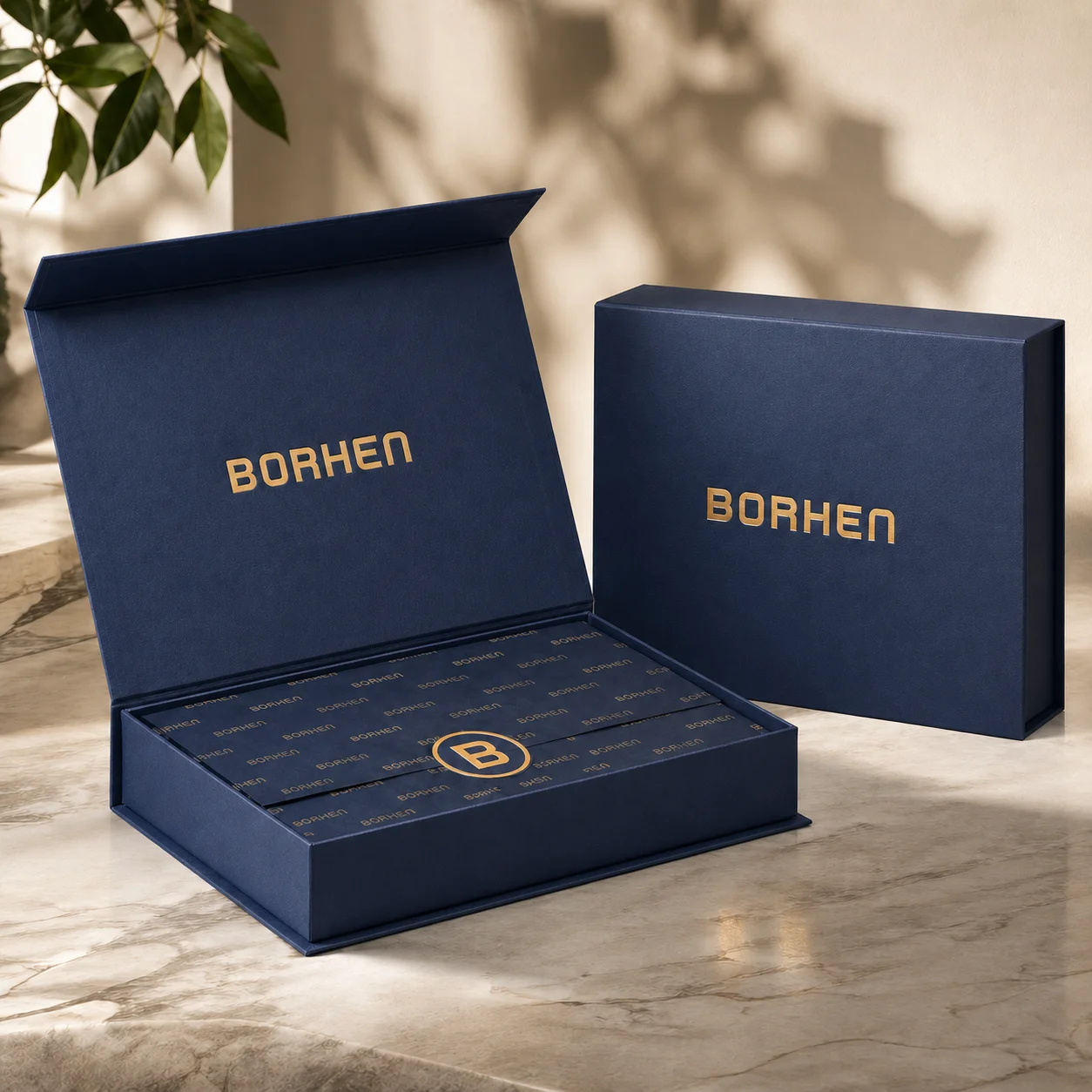
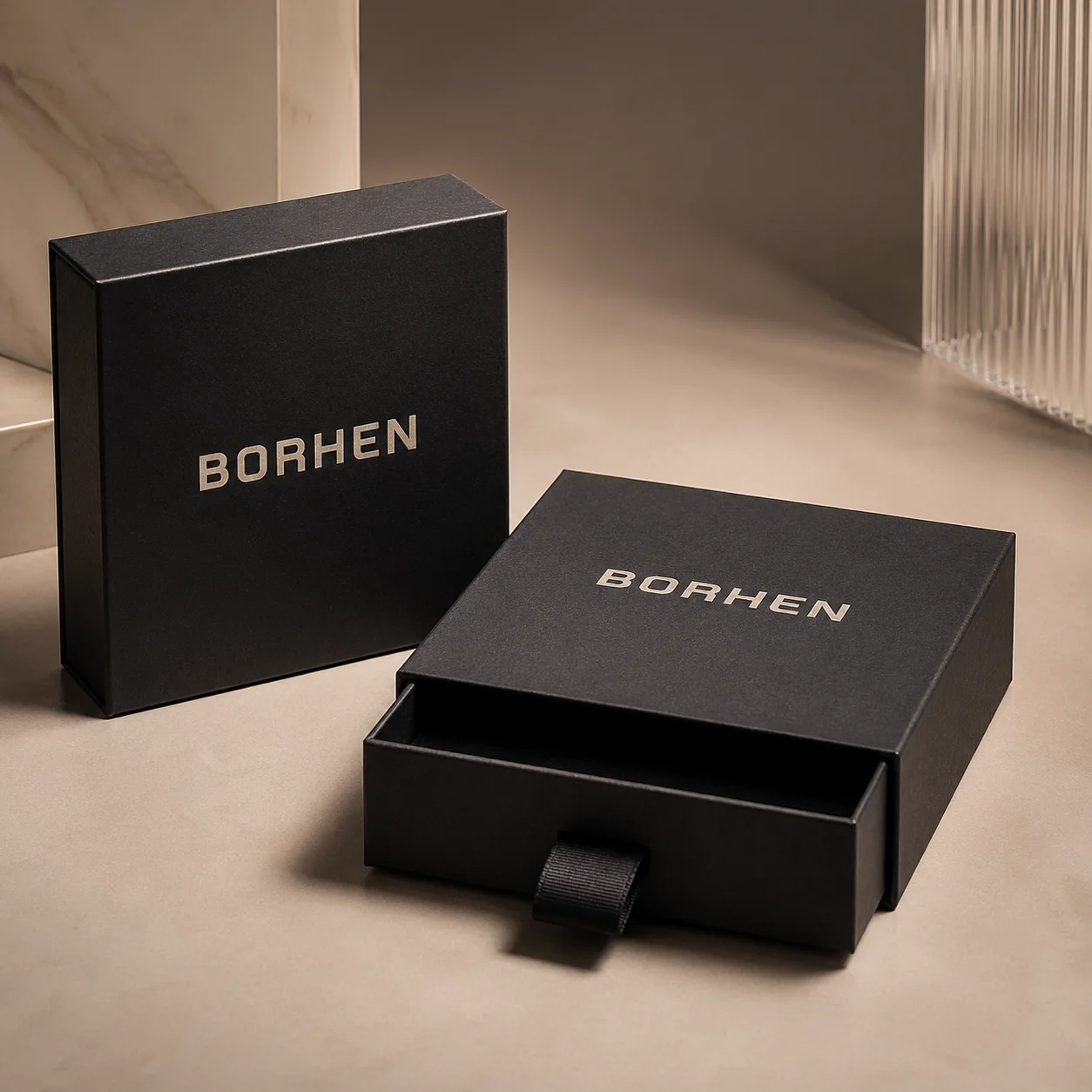
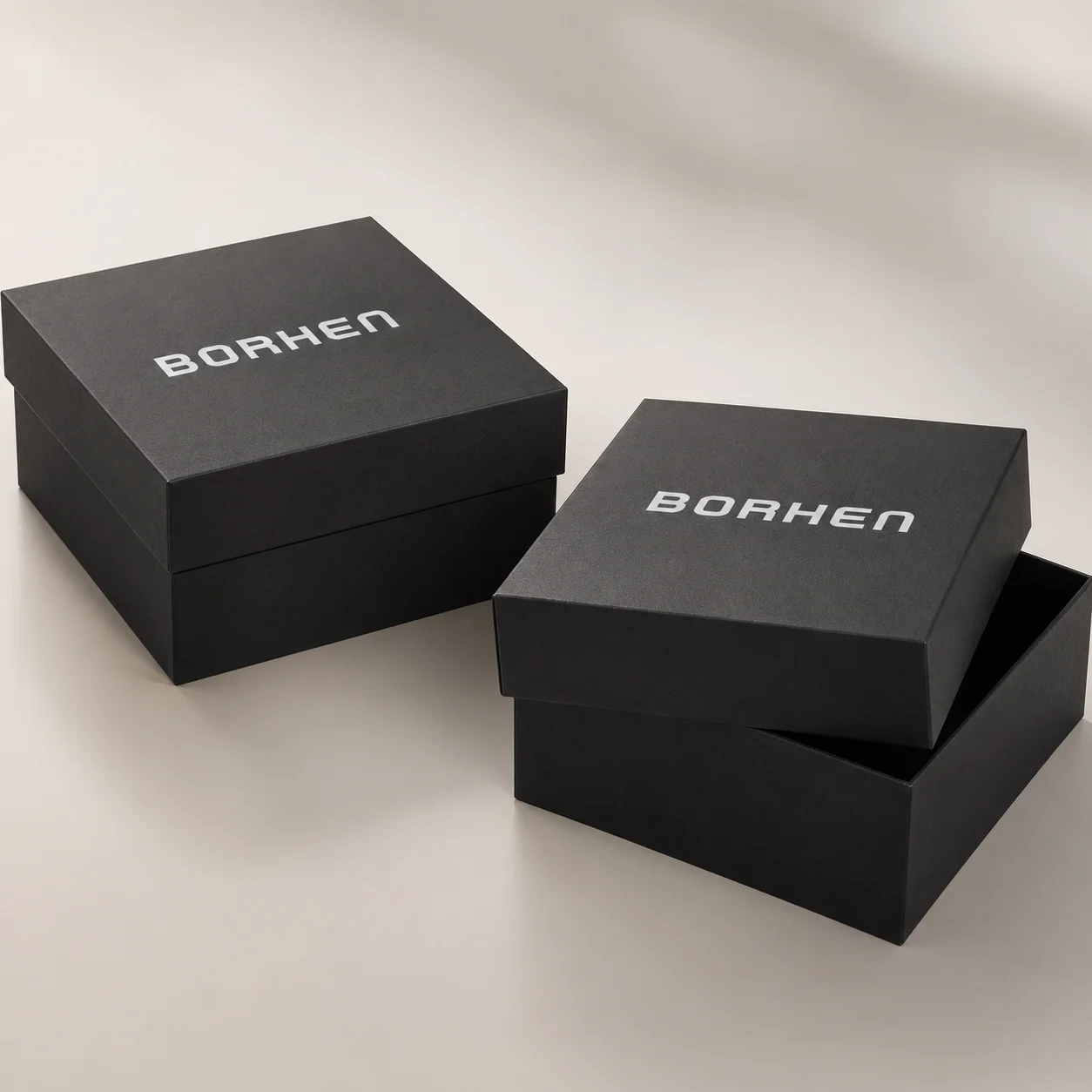
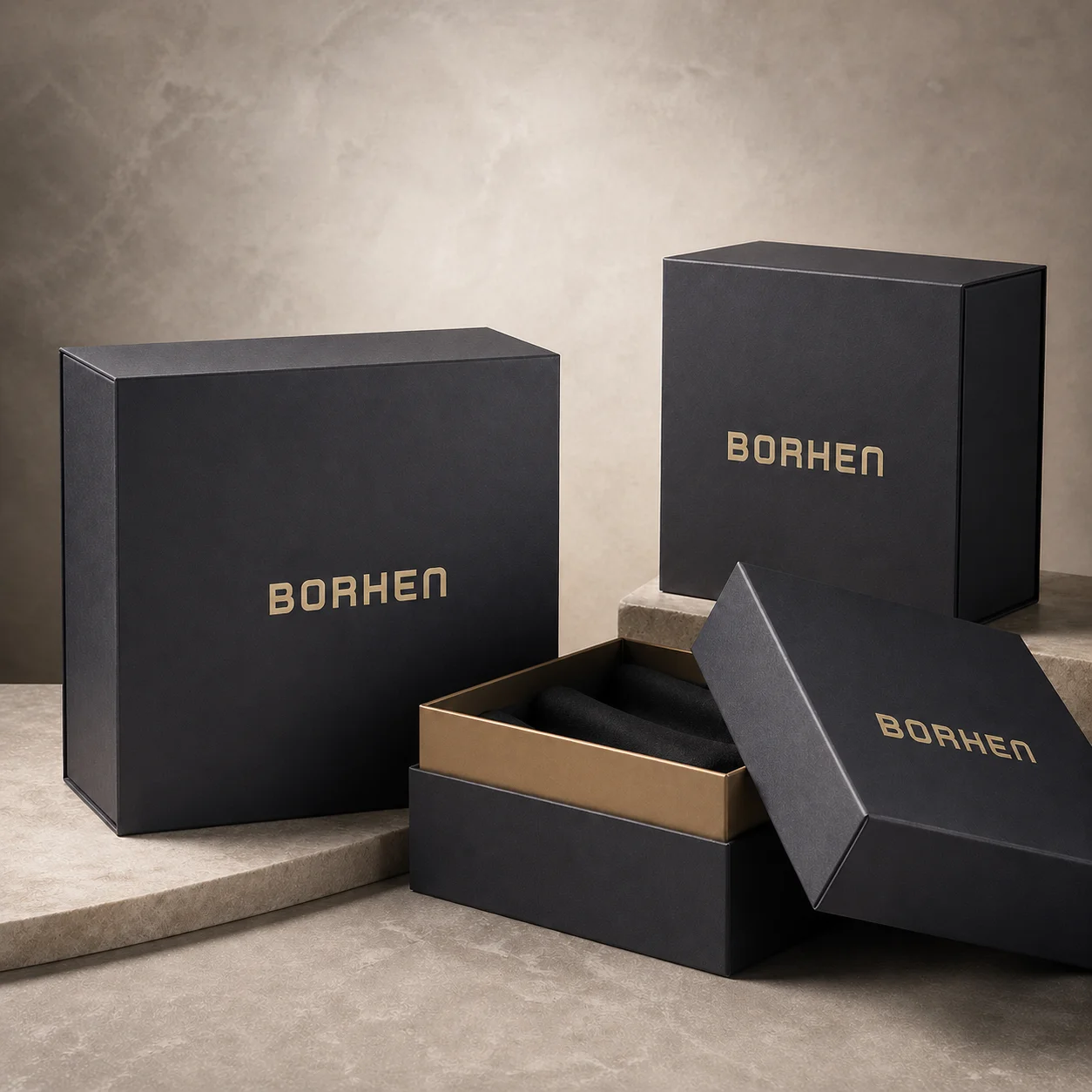
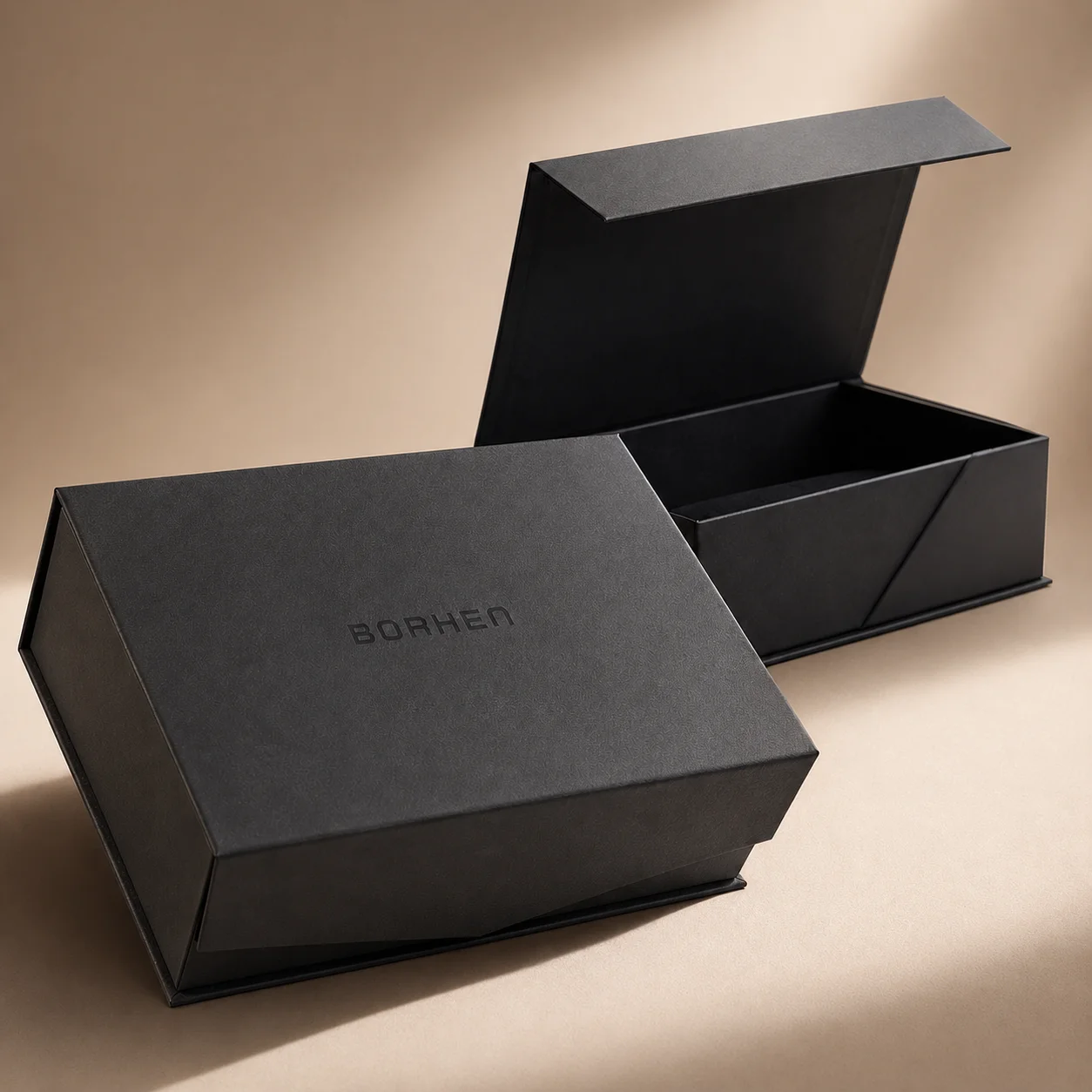
Many customers know they want premium rigid packaging, but they may not know which rigid box structure is right for their product. They may be choosing between magnetic closure rigid boxes, drawer rigid boxes, two piece rigid boxes, shoulder neck rigid boxes, book style rigid boxes, flip top rigid boxes, collapsible rigid boxes, or rigid boxes with inserts. A reliable custom rigid box manufacturer should be able to explain the difference between these structures from a real production and business perspective.
When I help customers choose a structure, I look at product size, product weight, fragility, opening experience, insert needs, packing efficiency, shipping route, warehouse space, budget, MOQ, and repeat order plans. A magnetic closure rigid box can create a premium unboxing experience, but it may not always be the most cost-efficient or space-efficient choice. A drawer rigid box can create a beautiful product reveal, but it needs accurate tray and sleeve fitting. A two piece rigid box may look simple, but it can be very stable and repeatable for long-term production. A collapsible rigid box can help reduce shipping volume, but it must still feel strong after assembly. A good rigid box manufacturer should not simply agree with every structure the customer suggests. It should help the customer understand which structure actually fits the product and business goal.
Structure Advice Should Be Based on Real Use, Not Only Appearance
I believe structure advice should always consider how the box will be used in real conditions. A rigid box does not exist only for a product photo. It will be opened by customers, packed by workers, stored in warehouses, shipped in cartons, handled by distributors, displayed in retail, and sometimes reordered many times. If the structure is chosen only because it looks attractive, hidden problems may appear later.
For example, a large magnetic closure box may look premium, but if the product is heavy and the hinge area is weak, the box may not feel stable. A drawer box may create a refined opening experience, but if the sleeve is too tight, customers may struggle to open it. A shoulder neck rigid box may look luxurious, but if the inner shoulder alignment is not controlled, the premium feeling will be weakened. A collapsible rigid box may save freight space, but if the assembly process is too complicated, the customer may spend more time and labor during packing. This is why I value manufacturers who can explain structure trade-offs clearly. Good structure advice helps prevent problems before the design becomes too fixed.
Material Judgment Is a Key Sign of Professional Manufacturing
A reliable custom rigid box manufacturer in China should understand materials deeply. Custom rigid boxes are usually made from chipboard or greyboard, wrapping paper, printing surfaces, lamination, finishing materials, inserts, magnets, ribbons, glue, and outer packing materials. These materials affect not only how the packaging looks, but also how it feels, protects, ships, costs, and repeats.
When I review a manufacturer, I look at whether they can explain how board thickness affects structure and price, how wrapping paper affects color and texture, how specialty paper affects MOQ and sourcing stability, and how insert materials affect product protection and presentation. If a customer wants FSC-certified paper options, recycled paper, kraft paper, EVA foam, molded pulp, paperboard inserts, or fabric-covered inserts, the supplier should be able to explain which options are practical for the product and market. Material selection should never be treated as a simple catalog choice. It should be connected to structure, cost, MOQ, production feasibility, shipping protection, and repeat order consistency.
A Good Manufacturer Should Warn You About Material Risks Early
One thing I appreciate in a reliable supplier is the ability to warn customers about material risks before sampling. Some materials look beautiful but are difficult to source consistently. Some specialty papers may have higher material MOQ. Some textured papers may not work well with fine foil stamping. Some dark soft-touch surfaces may show fingerprints or rubbing marks more easily. Some recycled or kraft papers may affect color accuracy. Some insert materials may protect the product well but may not match the brand’s sustainability direction or premium presentation.
A manufacturer who explains these issues early is protecting the customer’s project. A supplier who only says “yes, we can do it” may sound flexible, but that does not always mean they are reliable. In real packaging production, every material choice has a consequence. I believe a strong rigid box manufacturer should help customers understand those consequences clearly so they can choose materials that are attractive, practical, repeatable, and suitable for the product.
Finishing Knowledge Separates Premium Packaging Suppliers from Basic Box Suppliers
Finishing is one of the areas where the difference between a basic supplier and a professional premium packaging manufacturer becomes obvious. Many customers want foil stamping, embossing, debossing, spot UV, matte lamination, gloss lamination, soft-touch lamination, or special texture effects because these processes can make rigid boxes feel more premium. But finishing also affects artwork preparation, tooling, sampling time, production cost, surface durability, and bulk production stability.
A reliable manufacturer should not only list finishing options. It should help judge whether the finishing is suitable for the selected material and structure. Foil stamping may look beautiful on smooth paper but become uneven on heavily textured paper. Embossing may need enough design area and suitable pressure. Debossing may look refined on soft-touch paper but weak on some surfaces. Spot UV needs a separate artwork layer and accurate alignment. Soft-touch lamination can feel premium, but dark colors may need careful handling and packing protection. A good manufacturer should help customers choose finishing options that match the brand effect, not simply add more processes to make the box look expensive.
Premium Finishing Should Be Controlled from Artwork to Bulk Production
Premium finishing requires control from the first artwork file to the final inspection. If the foil stamping layer is not separated clearly, the sample may not match the design. If the logo is too close to the edge, alignment may become difficult. If the embossing area is too detailed, the effect may not appear cleanly. If spot UV is not aligned properly, the packaging may look careless. These are not small details for premium rigid boxes, because customers judge quality through these visible and tactile details.
When I choose a manufacturer, I want to see whether they review finishing files before sampling. I want to know whether they understand safe logo placement, line thickness, separate finishing layers, material compatibility, and process tolerance. A supplier who can explain these points is more likely to control finishing in mass production. A supplier who only says “send us the artwork” without checking feasibility may create problems later. In my view, finishing knowledge is one of the clearest signs of whether a manufacturer truly understands premium rigid box packaging.
A Clear Sampling Process Is Essential
Sampling is one of the most important steps in custom rigid box manufacturing. The sample is where the structure, material, color, finishing, insert fit, lid clearance, closure feeling, and unboxing presentation become real. A reliable manufacturer should have a clear sampling process, because the approved sample should become the production standard for bulk orders.
When I review a sampling process, I look at whether the manufacturer confirms the dieline, artwork, material direction, finishing layers, insert layout, and product fit before making the sample. I also want to know whether they explain what the sample can confirm and what details still need tolerance control during mass production. For example, a sample can confirm the general paper feel, box structure, color direction, foil effect, and insert fit. But bulk production still needs process control to keep these details consistent across thousands of boxes. A good supplier should help customers understand this clearly instead of treating the sample as a casual preview.
The Sample Should Become a Production Standard, Not Just a Nice Display
I always tell customers that a rigid box sample should not be seen only as a beautiful display item. It should become a standard. Once the sample is approved, the structure, dimensions, board thickness, wrapping paper, printing color, finishing effect, insert layout, product position, and packing method should be recorded clearly. Without this standard, the bulk order may depend too much on memory or interpretation.
This matters especially for brands, importers, distributors, and procurement teams that need repeat orders. If the approved sample is not documented properly, the second order may use a slightly different paper, a slightly different color, or a slightly different insert fit. These differences may seem small, but they can weaken brand consistency. A reliable custom rigid box manufacturer should know how to turn sample approval into production control. That is one of the most important differences between sample-making ability and real manufacturing ability.
Sample-to-Bulk Consistency Shows the Manufacturer’s Real Capability
For B2B buyers, one good sample is not enough. The real question is whether the bulk production can match the approved sample. Sample-to-bulk consistency is one of the strongest signs of a reliable rigid box manufacturer in China. A supplier may produce a beautiful sample, but if the mass production has color shifts, loose lids, poor wrapping, uneven foil stamping, weak magnets, drawer friction problems, insert movement, or surface damage, the project has not truly succeeded.
A reliable manufacturer should control structure, material, color, finishing, wrapping, glue, insert fit, closure function, and packing during bulk production. They should understand that a rigid box is both a structure and a brand presentation tool. The customer expects the bulk order to match the approved standard as closely as possible. In my view, sample-to-bulk consistency is where manufacturing discipline becomes visible. It shows whether the supplier can move beyond making one impressive sample and manage repeatable production quality.
Quality Inspection Should Cover More Than Appearance
Quality inspection for custom rigid boxes should be more detailed than checking whether the box looks clean from a distance. A rigid box needs to function properly and protect the product. When I think about quality inspection, I look at structure strength, box shape, lid fit, drawer sliding movement, magnetic closure, shoulder alignment, wrapping quality, edge control, glue marks, printing color, finishing accuracy, insert fit, product placement, surface protection, and export carton packing.
For example, a magnetic closure box should close smoothly and consistently. A drawer rigid box should not be too tight or too loose. A two piece rigid box should have a comfortable lid-and-base fit. A shoulder neck box should show clean internal alignment. A foil stamped logo should not break, shift, or look uneven. A soft-touch surface should not have obvious rubbing marks. An insert should hold the product securely but still allow easy removal. A reliable manufacturer should inspect the box from the customer’s point of view, not only from the factory’s production checklist.
Quality Control Should Begin Before Final Inspection
Final inspection is important, but quality control should begin earlier. If a problem is only found after all boxes are produced, the cost of correction is much higher. A reliable manufacturer should control quality during material preparation, printing, finishing, wrapping, assembly, insert fitting, and packing. This helps reduce defects before they become large-scale problems.
For example, material checking can prevent wrong paper or board from entering production. Printing checks can catch color issues early. Finishing checks can identify foil alignment or embossing pressure problems before the full batch is completed. Assembly checks can control lid fit, drawer movement, magnet placement, and edge wrapping. Packing checks can prevent surface damage during transportation. In my view, quality control is not one final step. It is a process that should run through the entire rigid box manufacturing workflow.
Export Packing Experience Matters for International Buyers
For overseas customers, export packing experience is extremely important. A rigid box may look perfect when it leaves the production area, but it still needs to survive warehouse handling, carton loading, sea freight, air freight, customs inspection, distributor storage, retail delivery, or e-commerce fulfillment. If the packing method is not suitable, the box surface, corners, finishing, or inserts may be damaged during transit.
A reliable rigid box supplier in China should understand how to pack premium boxes for international shipping. They should consider tissue wrapping, polybag protection, dividers, inner cartons, outer carton strength, carton weight, stacking direction, and whether the boxes are shipped fully assembled or flat-packed. If the boxes use dark matte paper, soft-touch lamination, foil stamping, textured paper, or delicate surfaces, the packing method should protect those finishes from rubbing and pressure marks. In premium packaging, the box itself is part of the product experience. It must arrive looking professional, not only leave the factory looking good.
Shipping Protection Should Be Discussed Before Production Is Finished
I prefer to discuss shipping protection before production is completed, not after everything is already packed. The packing method may affect carton size, freight volume, surface protection, and delivery risk. A fully assembled rigid box may need more carton space but may be easier for the customer to use immediately. A collapsible rigid box may reduce shipping volume but needs proper assembly instructions and packing. Boxes with delicate finishes may need individual protection. Heavy products may need stronger cartons and careful stacking.
If the manufacturer does not discuss these details, the customer may only discover shipping-related problems when the goods arrive. That is too late. A reliable manufacturer should understand that export packing is part of the packaging solution. It protects the product, the rigid box, and the customer’s brand image. For international buyers, this is a major part of supplier reliability.
Clear Communication Is a Practical Form of Quality Control
Communication is often underestimated, but I see it as part of quality control. Custom rigid box projects involve many decisions, including structure, dimensions, materials, printing, finishing, inserts, MOQ, sampling, lead time, QC, packing, and shipping. If communication is unclear, the risk of misunderstanding increases. This is especially true when buyers are sourcing from China and cannot be physically present at every step.
A reliable manufacturer should communicate clearly, directly, and practically. If a structure increases cost, they should explain why. If a specialty paper may raise MOQ, they should say so before sampling. If a finishing effect may not work well on the selected material, they should point it out early. If the timeline is too tight, they should give a realistic assessment instead of making an easy promise. In my view, good communication is not only about fast replies. It is about helping the customer understand the project and make better decisions.
The Best Supplier Does Not Say Yes to Everything
I do not believe the best supplier is the one who says yes to every request. In custom rigid box manufacturing, saying yes too quickly can create problems. A customer may request a structure that is not suitable for the product. They may want a finishing effect that does not work well on the selected paper. They may want a low MOQ with a highly customized material. They may want a tight deadline with a complex sample. A reliable manufacturer should be honest about risks instead of accepting everything without explanation.
I respect suppliers who can say, “This is possible, but it may increase cost,” or “This material looks good, but it may not be stable for repeat orders,” or “This structure can work, but we need to test the insert fit first.” This kind of communication protects the customer. It helps avoid decisions that look good at the beginning but become difficult later. For me, professional honesty is a major part of reliability.
Stable Production Capacity Supports Real Business Needs
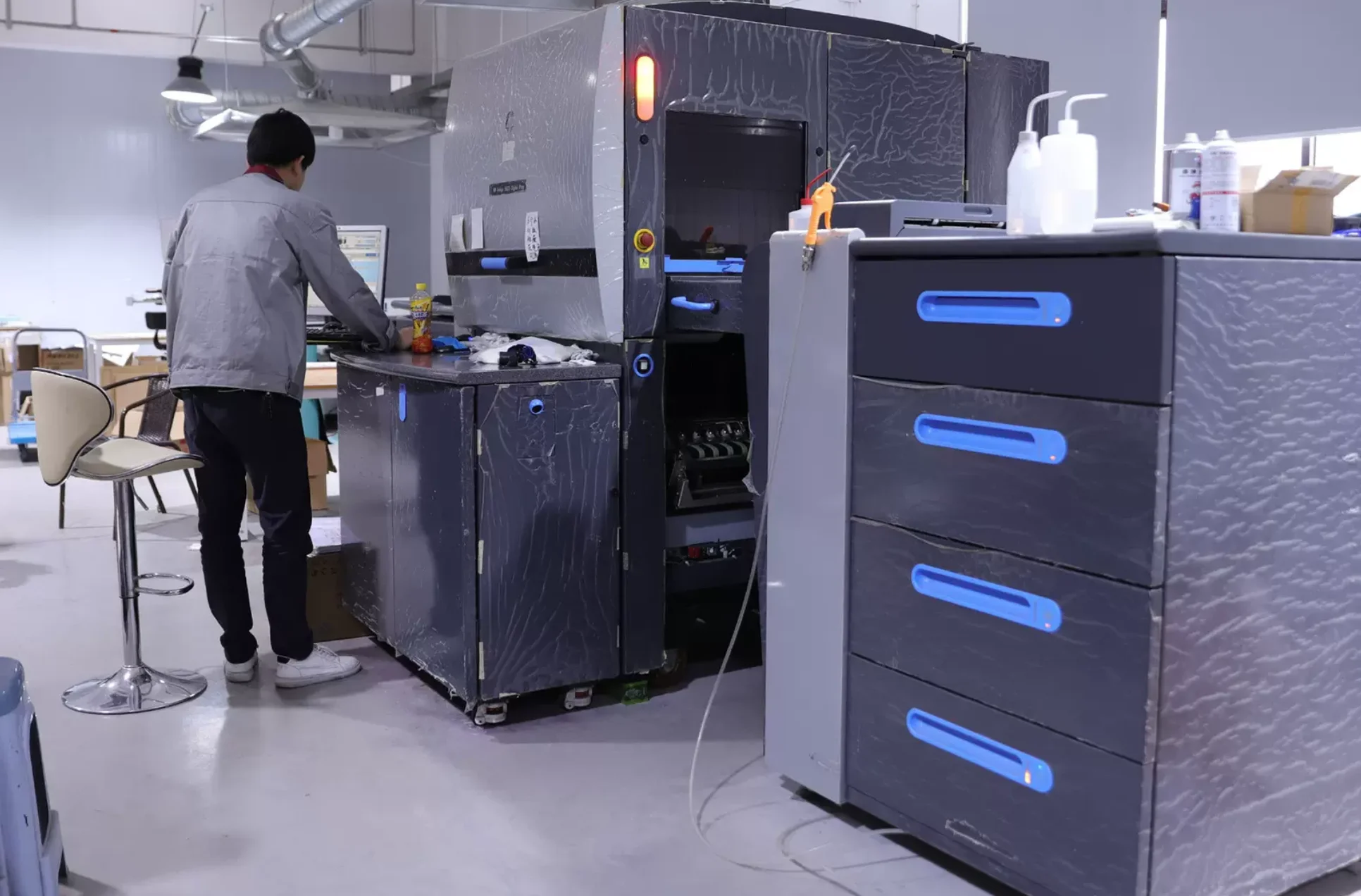
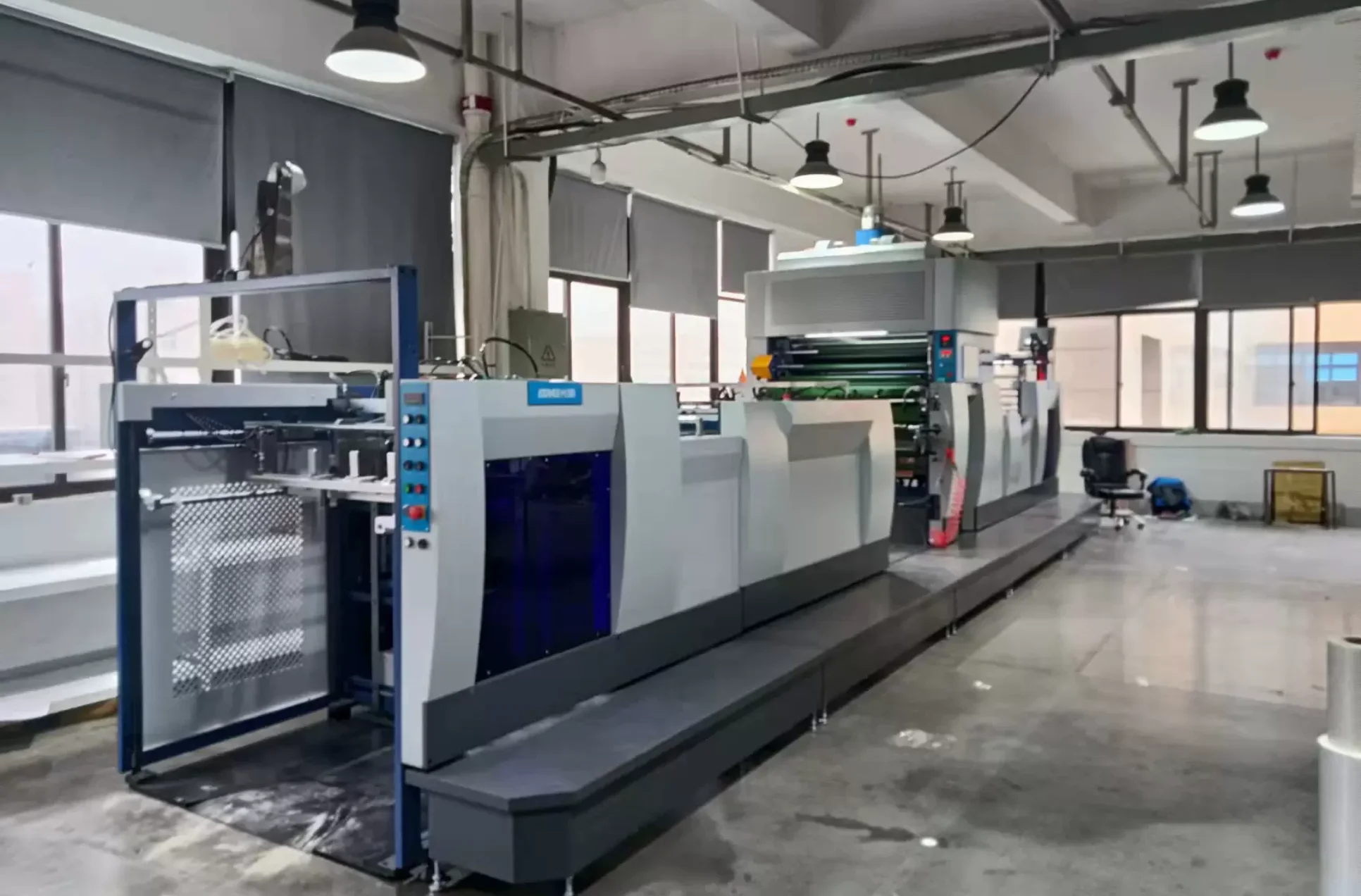
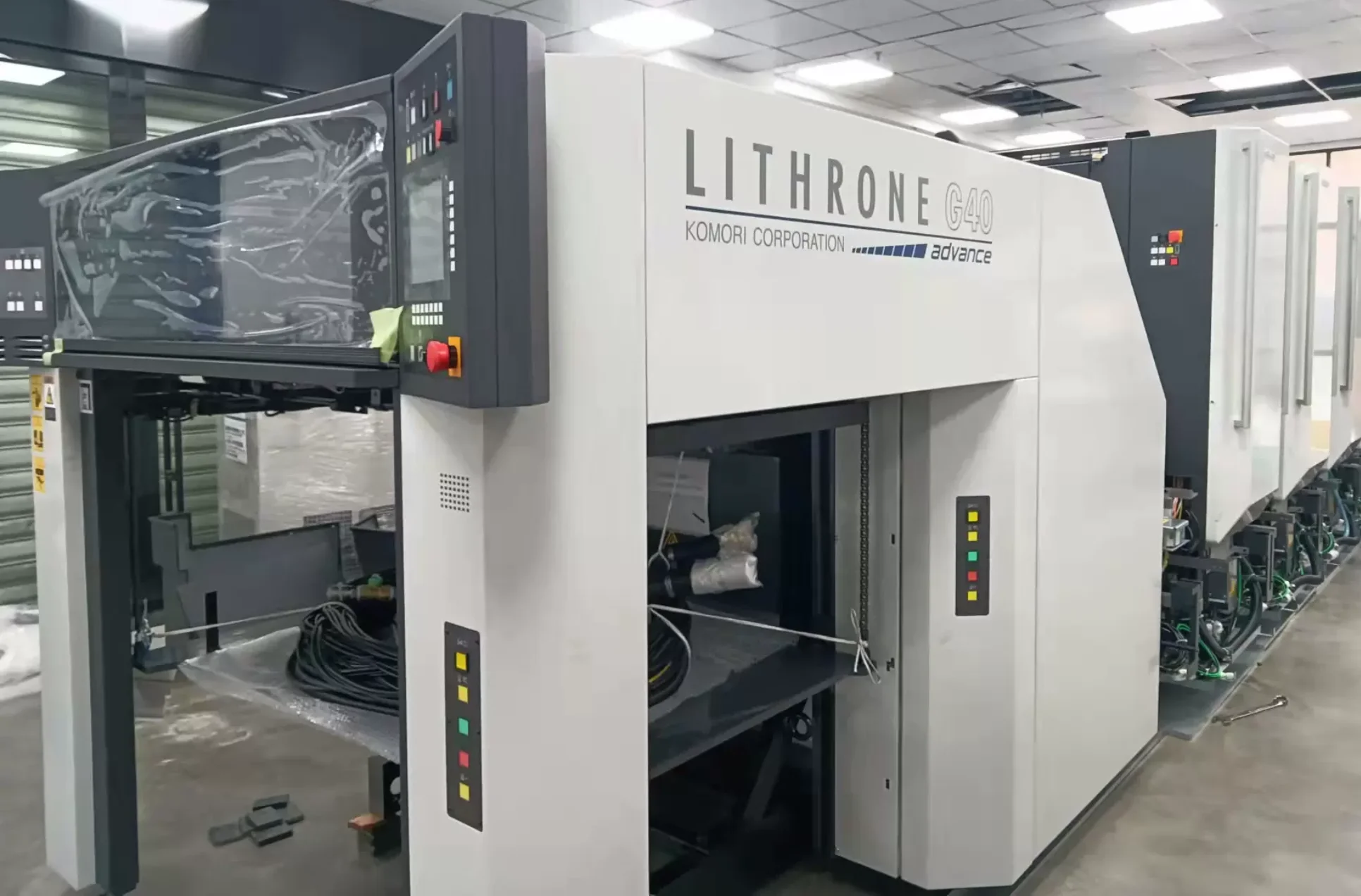
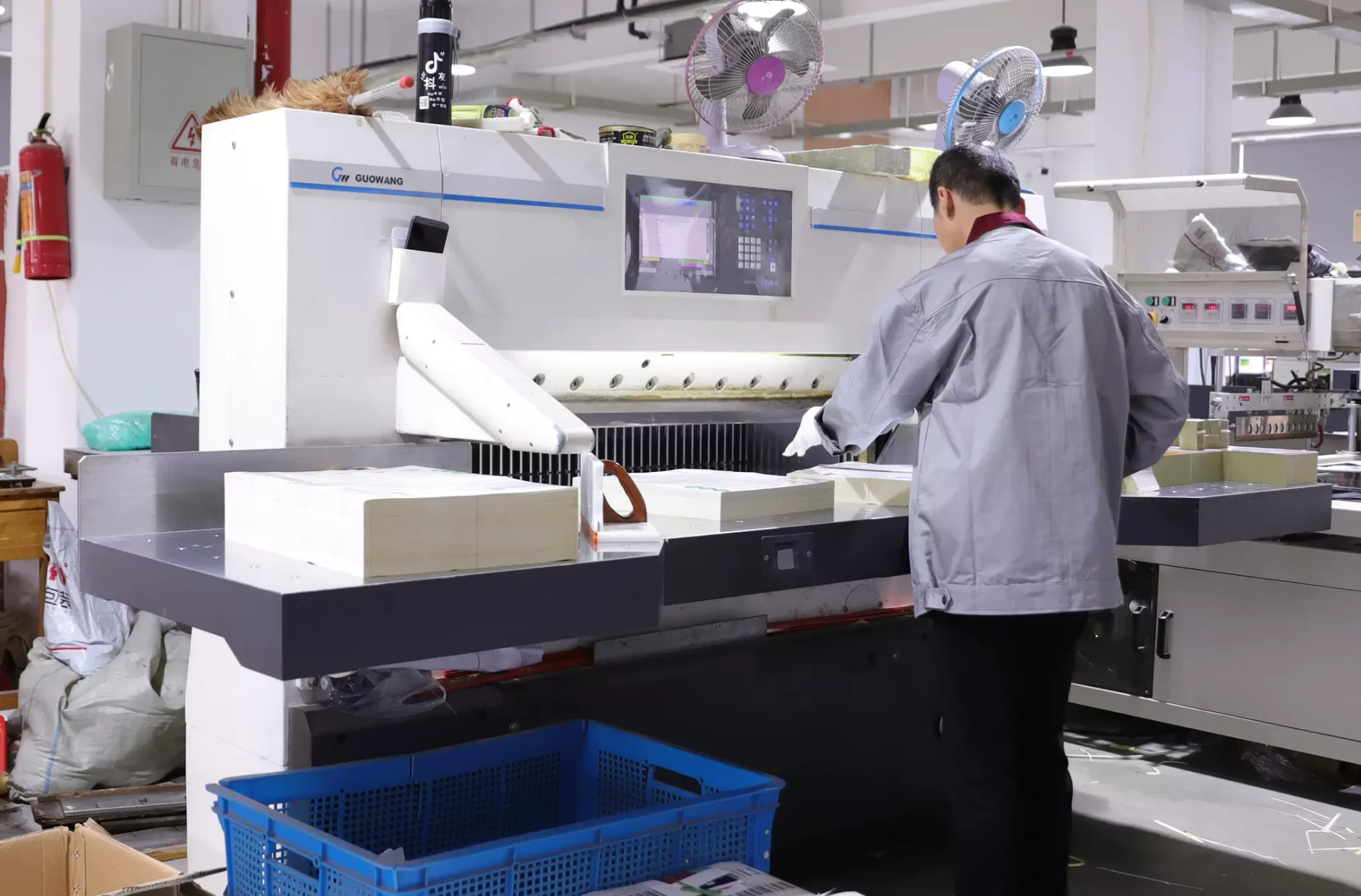
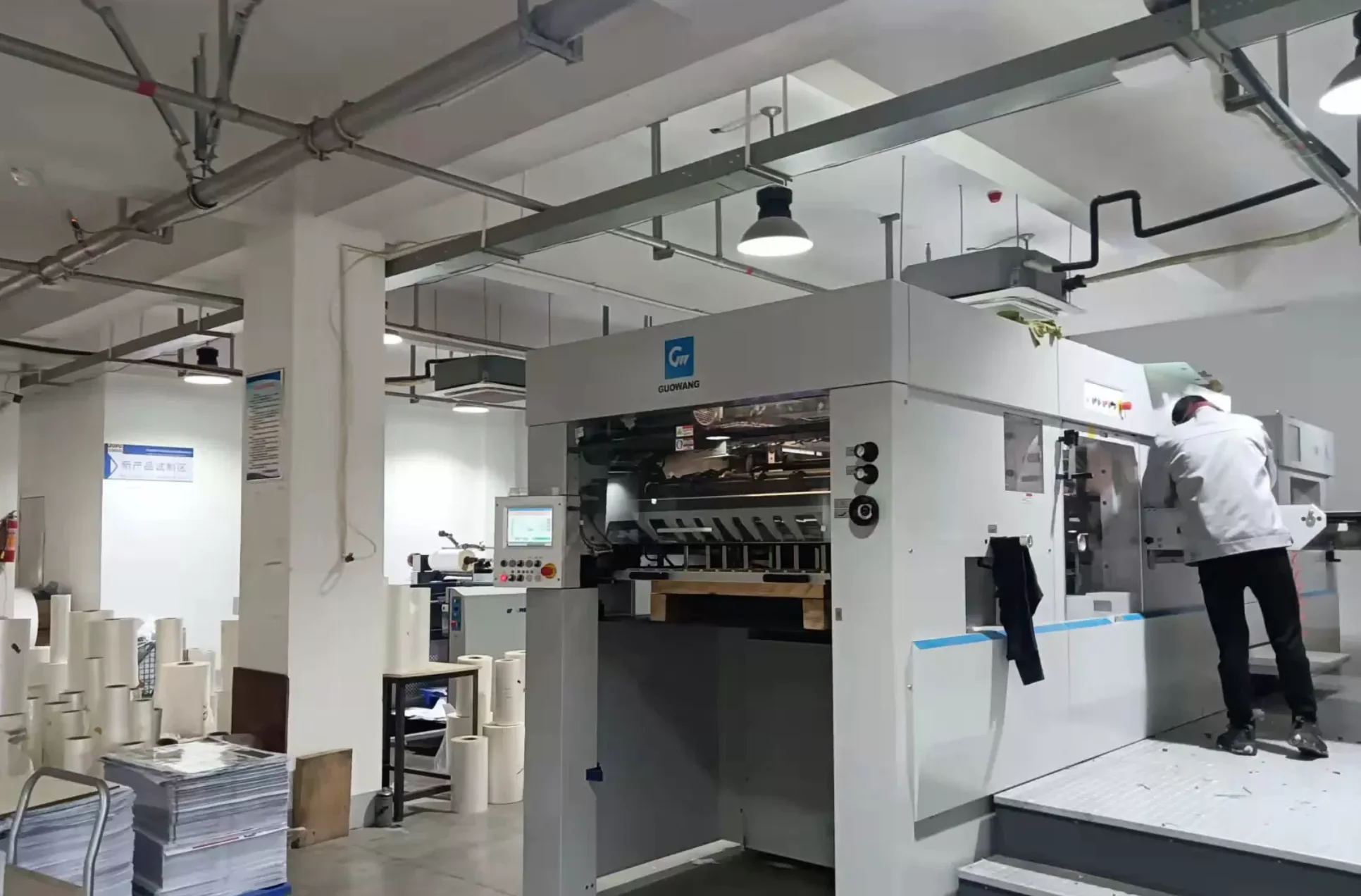
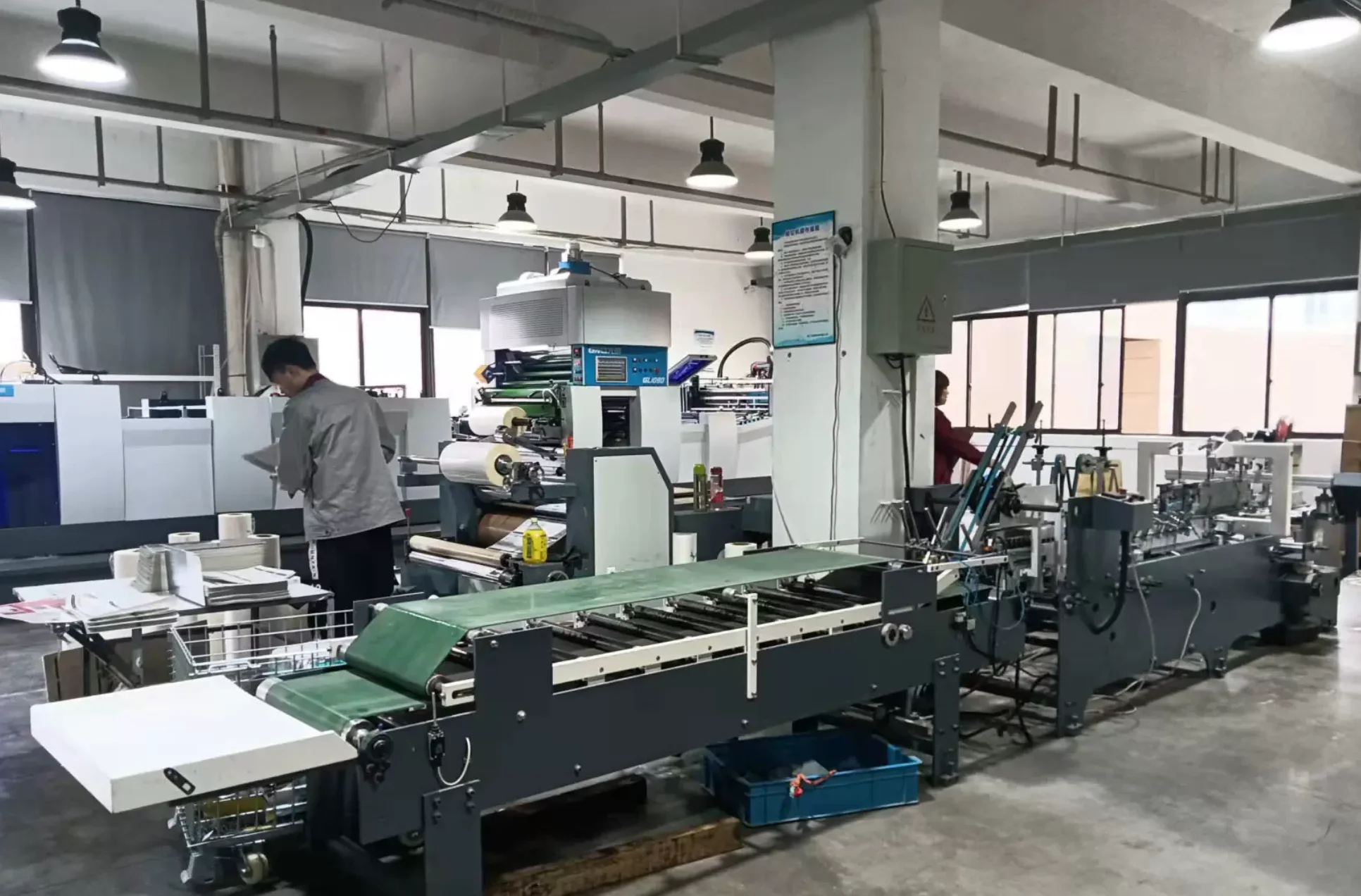
Production capacity matters because B2B packaging projects often have launch dates, retail schedules, distributor deadlines, and repeat order requirements. A reliable premium packaging manufacturer in China should have enough space, equipment, workers, production lines, quality control procedures, and workflow management to support real orders, not only samples. Capacity helps reduce delay risk, especially when projects involve multiple SKUs or larger quantities.
However, I do not judge a factory only by size. A large factory without a clear workflow can still create problems. I also look at whether the manufacturer has a structured process for requirement review, artwork checking, sampling, material preparation, production, inspection, packing, and shipment. Stable production is not only about machines. It is about coordination. In my view, the best manufacturer combines capacity with process discipline.
Workflow Stability Helps Reduce Mistakes
A structured workflow is one of the most important signs of a reliable manufacturer. Custom rigid box projects involve many handoff points. The sales team collects requirements. The engineering team reviews structure. The design or prepress team checks artwork. The purchasing team prepares materials. The sampling team develops the sample. The production team handles printing, finishing, wrapping, and assembly. The QC team checks the final result. The packing team prepares export cartons. If this workflow is not clear, details can be lost between steps.
A stable workflow helps reduce mistakes because each stage has a clear purpose. Artwork review reduces file problems. Sampling confirms real structure and material. Production planning controls timing. In-process inspection catches problems early. Final inspection confirms the approved standard. Export packing protects the shipment. For B2B buyers, this workflow stability creates confidence because the project feels managed rather than improvised.
Repeat Order Management Is Essential for Long-Term Buyers
Repeat order management is one of the biggest differences between a one-time supplier and a long-term packaging partner. A mature brand may reorder the same rigid boxes several times a year. An importer may need consistent packaging across different shipments. A distributor may need the same packaging standard across multiple markets. If every repeat order feels like starting from zero, the supplier is not supporting the buyer properly.
A reliable manufacturer should keep production records, approved samples, material references, color standards, finishing details, insert layouts, and packing methods. If a material changes, the supplier should communicate early. If the customer expands into new SKUs, the supplier should help adjust the structure while maintaining brand consistency. If the customer reorders after several months, the manufacturer should know how to return to the approved standard. In my view, repeat order control is one of the strongest signs of a reliable rigid box manufacturer in China.
Be Careful with Prices That Look Too Low
Price is important, but I would be careful when one supplier’s price is much lower than others. In rigid box manufacturing, a lower price may come from real efficiency, but it may also come from differences in specification. The board may be thinner. The wrapping paper may be lower grade. The insert may be simplified. The finishing may be less controlled. The carton packing may be weaker. The inspection process may be less strict. If the buyer compares only the final price without comparing specifications, they may not be comparing the same product.
A reliable quotation should be based on clear structure, size, board thickness, paper type, printing method, finishing, insert material, packing method, and quantity. If these details are unclear, the price is not meaningful enough. I prefer to compare value rather than only comparing numbers. A low price can become expensive later if it causes rework, delays, product damage, customer complaints, or inconsistent repeat orders. In premium rigid packaging, the right supplier should help customers control cost without removing the details that protect quality.
A Reliable Manufacturer Helps You Reduce Packaging Risk
For me, the real value of a custom rigid box manufacturer in China is risk reduction. A good manufacturer helps customers avoid structure mistakes, material mismatches, artwork problems, color misunderstanding, finishing issues, insert fit errors, shipping damage, and repeat order inconsistency. They do this by asking the right questions early, reviewing details carefully, and explaining possible risks before production begins.
This is especially important for international buyers because distance makes misunderstanding more expensive. If the dieline is wrong, the sample may be delayed. If the material is unclear, the bulk order may not match expectations. If the insert is not tested with the real product, protection may fail. If export packing is weak, the boxes may arrive damaged. A reliable manufacturer should help customers reduce these risks step by step. In my view, this is what makes a supplier valuable beyond the price on a quotation.
Why Borhen Pack Fits Long-Term Custom Rigid Box Projects
At Borhen Pack, I see our role as more than producing rigid boxes. I see our role as helping customers develop packaging that works in real business conditions. That means I focus on product fit, structure selection, material direction, artwork review, dieline coordination, sample confirmation, insert layout, finishing feasibility, production control, quality inspection, export packing, and repeat order consistency. For brands, importers, distributors, product managers, and procurement teams, this kind of support can make sourcing from China clearer and more predictable.
Our positioning is especially suitable for customers who care about premium packaging, stable quality, production feasibility, long-term supply, and repeat order reliability. I do not believe a custom rigid box should only look refined in one sample. It should also protect the product, support the brand image, ship safely, and remain consistent when reordered. That is the type of packaging cooperation serious B2B buyers usually need.
Final Thoughts on Choosing a Reliable Custom Rigid Box Manufacturer in China
Choosing a reliable custom rigid box manufacturer in China should not be based only on low price, attractive product photos, or quick promises. It should be based on whether the manufacturer can understand your product, recommend the right rigid box structure, judge materials and finishing properly, manage sampling clearly, control sample-to-bulk consistency, inspect quality carefully, support export packing, communicate honestly, maintain stable capacity, and manage repeat orders over time.
In my view, a reliable rigid box manufacturer in China should act as a packaging partner, not only a box supplier. The right partner helps reduce uncertainty, protect brand presentation, prevent production mistakes, and support packaging that can grow with the business. When the manufacturer has structure knowledge, material judgment, finishing experience, clear workflow, quality control, export packing experience, and repeat order discipline, custom rigid boxes become more than premium packaging. They become a stable part of the customer’s product presentation, customer experience, and global supply chain.