When footwear brands begin expanding internationally, I often notice an assumption that packaging used successfully in domestic markets will perform equally well abroad. In reality, export packaging operates in a far more complex environment. International distribution introduces longer transit durations, multiple transportation modes, varied handling standards, customs inspections, and climate variability that domestic shipping rarely encounters. I have learned that packaging must be evaluated not only for presentation and cost efficiency but also for resilience across an extended logistics lifecycle. When brands shift their mindset from simple containment toward protection engineering and operational continuity, export packaging decisions become more effective.
Understanding the Real Stress Conditions of International Logistics
International footwear shipments typically pass through several stages including factory handling, consolidation warehouses, ocean or air freight transport, destination port storage, customs clearance, regional distribution hubs, and final delivery networks. Each stage introduces mechanical stress, compression loads, vibration exposure, and environmental fluctuations. I have seen packaging that performs well in short domestic transit degrade under extended ocean freight conditions where humidity, stacking pressure, and temperature variation combine. Evaluating packaging performance under realistic stress scenarios helps prevent costly damage, returns, and customer dissatisfaction once products reach overseas markets.
Designing Structural Integrity for Long-Distance Transportation
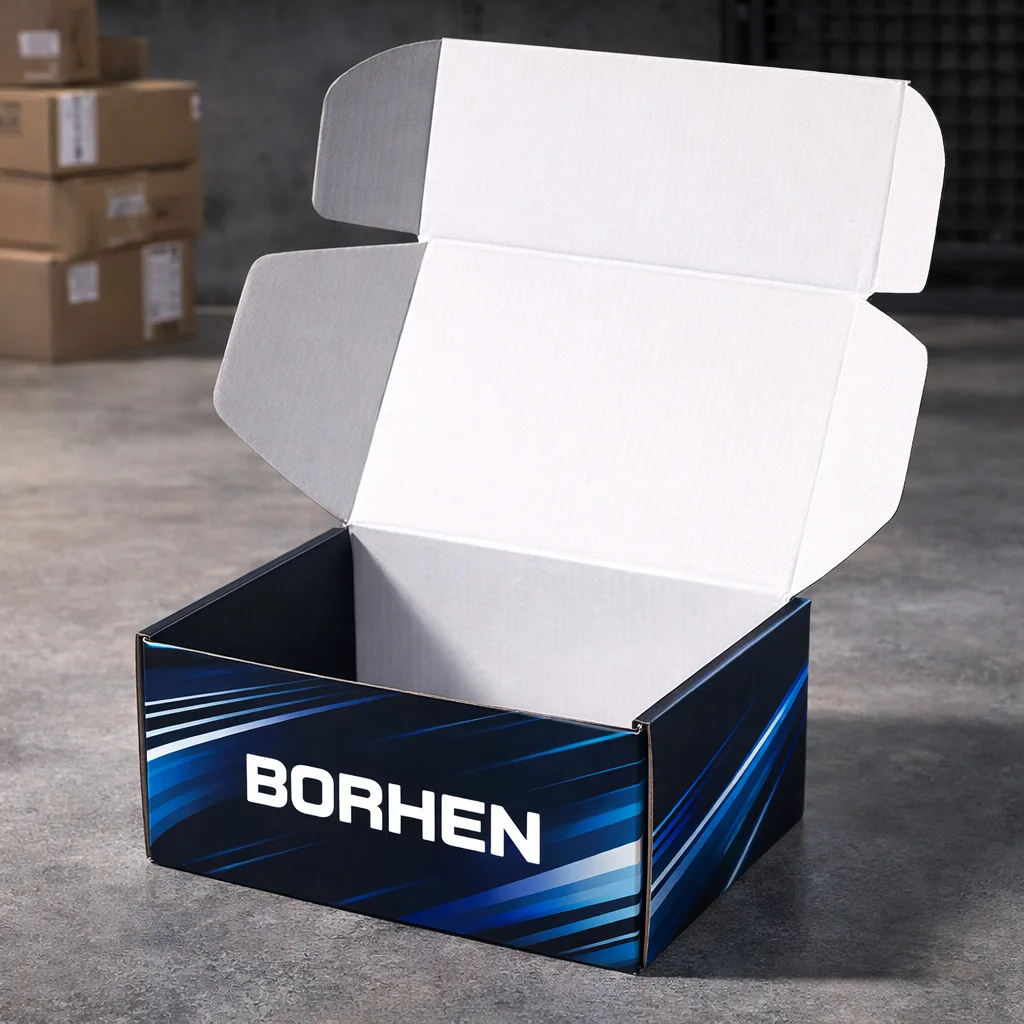
Structural engineering becomes increasingly important as transit complexity grows. Corrugated board strength, folding geometry, closure reliability, and material resilience all influence whether packaging maintains its integrity throughout the shipping journey. I have observed that subtle structural refinements such as reinforced edges, balanced panel proportions, and optimized flute selection often improve durability without increasing material consumption dramatically. Structural stability not only protects the product but also preserves brand presentation, which is particularly important when customers encounter packaging after long-distance shipping.
Optimizing Dimensions for Freight Efficiency and Cost Control
Freight economics often depend heavily on dimensional weight rather than actual weight. Oversized packaging may appear harmless during design stages yet significantly increase international shipping costs. I regularly evaluate packaging dimensions in relation to palletization efficiency, container utilization, and warehouse storage density. Efficient dimensional planning reduces freight expense, minimizes environmental impact, and simplifies logistics operations. Dimensional optimization also improves handling stability, reducing the likelihood of packaging deformation during transit.
Preparing Packaging for Climate Variation and Environmental Exposure
Global distribution exposes footwear packaging to diverse environmental conditions including humidity variation, temperature extremes, and prolonged storage periods. Paper-based packaging materials are particularly sensitive to moisture, which can reduce rigidity and compromise stacking performance. Adhesives, coatings, and printing finishes may also behave differently under environmental stress. I have found that considering environmental resilience early in the design process helps ensure packaging maintains both structural performance and visual consistency across varied climates.
Navigating Regulatory Requirements Across Multiple Regions
Export packaging frequently intersects with regional regulatory frameworks covering labeling, material composition, recyclability, and environmental compliance. These requirements vary significantly between markets and continue evolving. I have observed that proactive awareness of regulatory expectations helps brands avoid shipment delays, redesign costs, and reputational risks. Compliance planning often includes labeling clarity, recycling symbols, language considerations, and material transparency. Addressing these elements early helps maintain operational continuity during international expansion.
Aligning Packaging With Diverse Distribution Infrastructure
Infrastructure differences between global markets can influence packaging performance more than many brands anticipate. Automated fulfillment systems, warehouse stacking practices, transportation equipment, and last-mile delivery networks vary widely. I often evaluate whether packaging design accommodates these variations through structural durability, dimensional adaptability, and handling resilience. Packaging that performs consistently across diverse infrastructure environments supports smoother international operations and reduces unexpected logistics challenges.
Integrating Sustainability Expectations Across Global Markets
Sustainability expectations increasingly influence packaging decisions, particularly in international markets where regulatory frameworks and consumer awareness may differ. I have found that environmental responsibility must align with operational performance to remain viable. Responsible sourcing, recyclable materials, efficient structural design, and optimized logistics all contribute to sustainable packaging systems. When sustainability integrates naturally with operational efficiency, adoption tends to remain stable even as distribution expands globally.
Strengthening Communication Across International Supply Chains
Export packaging programs involve coordination among design teams, manufacturers, logistics providers, distributors, and retailers across multiple regions. Clear specifications, standardized documentation, and consistent communication protocols help prevent misunderstandings that could disrupt packaging performance. I have seen how detailed technical documentation, material specifications, and production standards support smoother collaboration across geographically dispersed teams. Strong communication infrastructure often becomes as important as structural design itself.
Viewing Export Packaging as a Long-Term Strategic Infrastructure
Over time, I have come to see export packaging not as an isolated design task but as part of a broader global operational infrastructure. Packaging influences logistics efficiency, brand perception, sustainability credibility, regulatory compliance, and supply chain stability simultaneously. Brands that treat packaging strategically tend to experience fewer operational disruptions, smoother market expansion, and stronger customer trust. Continuous evaluation, incremental refinement, and proactive planning help ensure packaging evolves alongside global business growth rather than becoming a constraint.