When I examine the success of packaging projects across different industries, I often notice that the choice of manufacturer plays a much larger role than many businesses initially expect. A gift box manufacturer does far more than simply produce packaging according to a design file. In reality, the manufacturer becomes a critical partner in transforming a conceptual packaging design into a physical product that must perform reliably across production, logistics, and customer experience. A well-chosen manufacturer can help refine structural designs, prevent technical errors during production, and maintain consistent quality across repeated orders. Conversely, selecting a supplier without carefully evaluating their capabilities can lead to problems such as inconsistent printing, structural weaknesses, delayed shipments, or communication misunderstandings. For this reason, I always approach the process of choosing a gift box manufacturer as a strategic decision that requires careful evaluation across several important dimensions.
Evaluating the Manufacturer’s Technical Production Capabilities
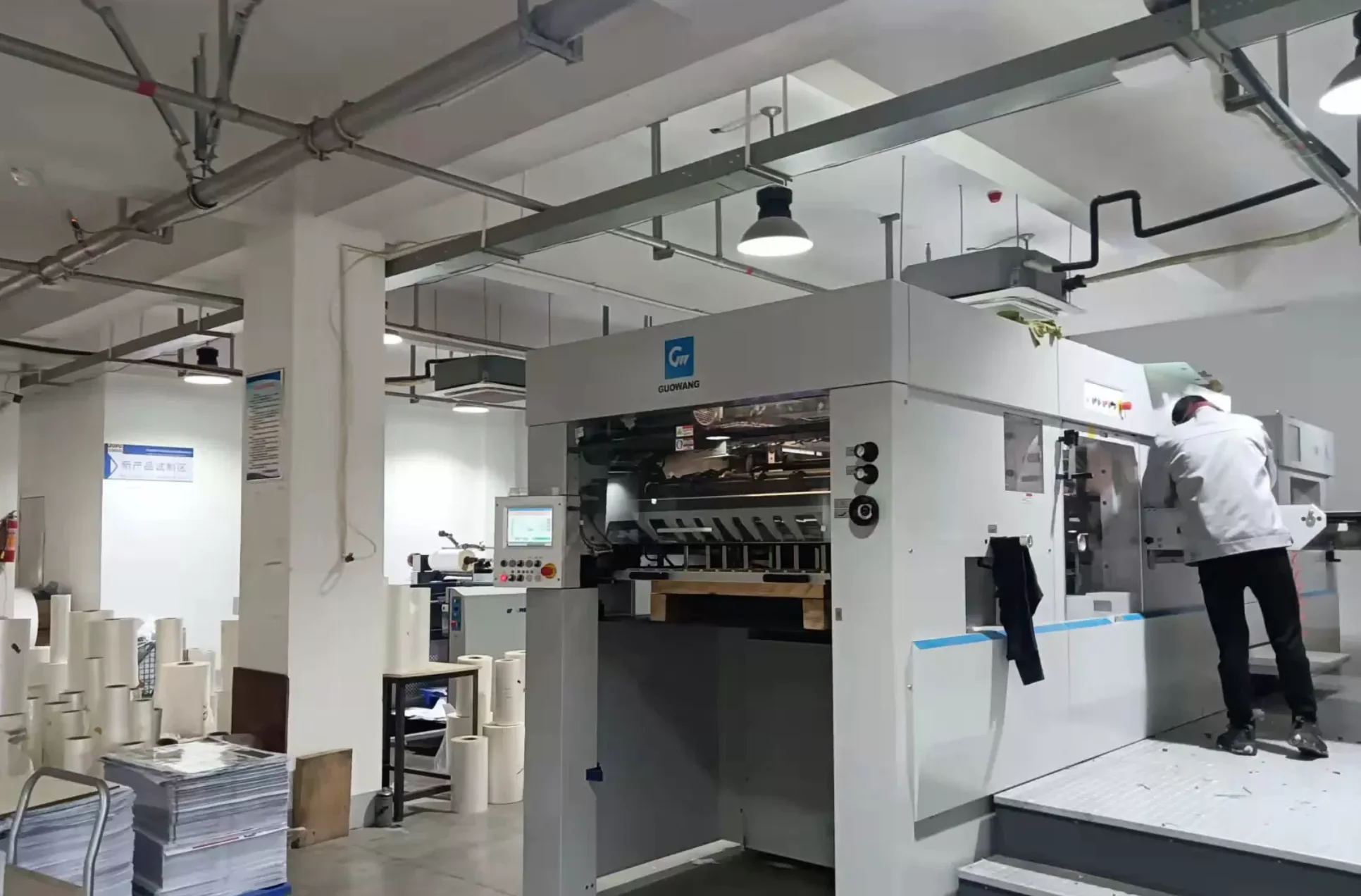
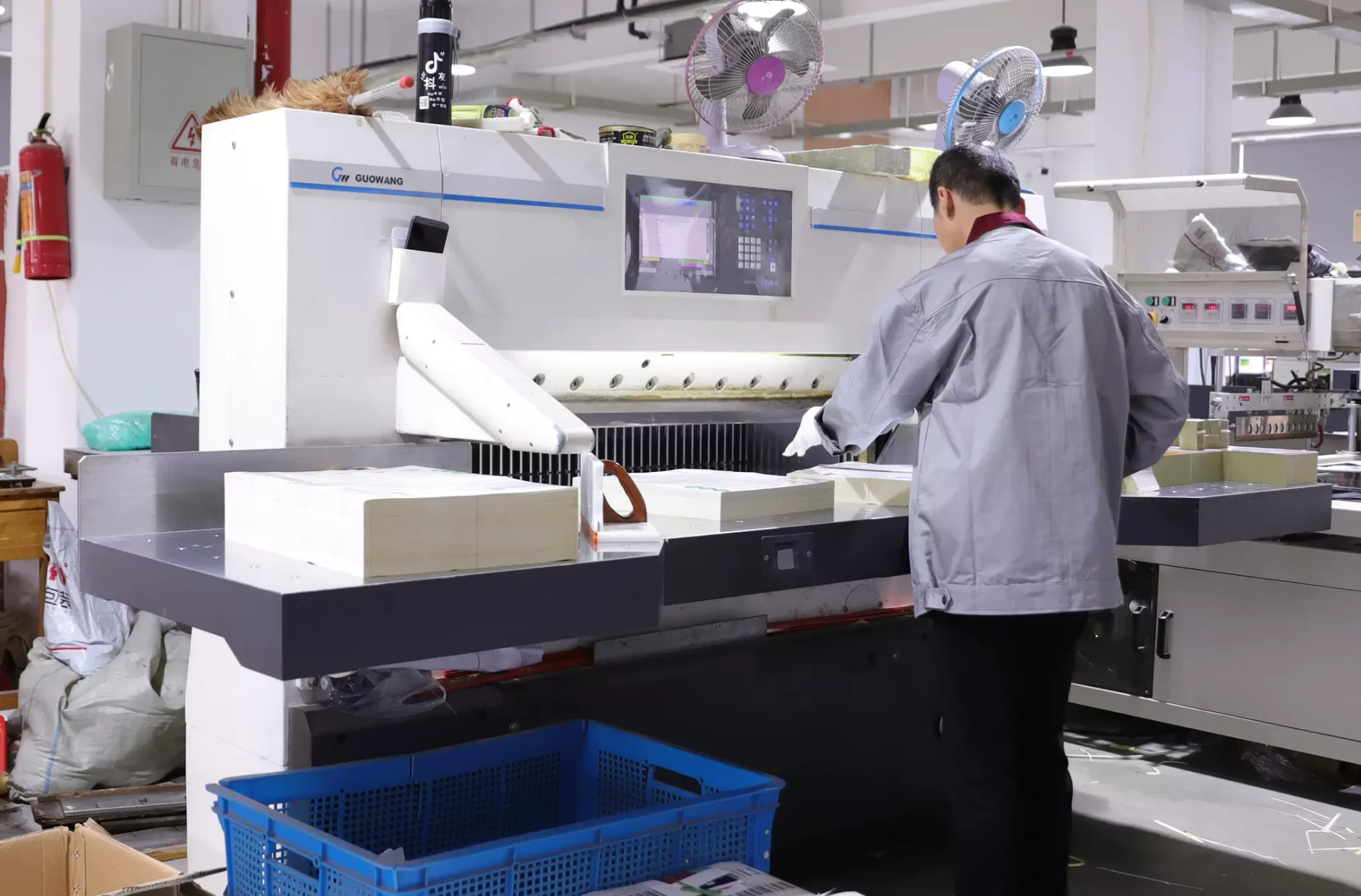
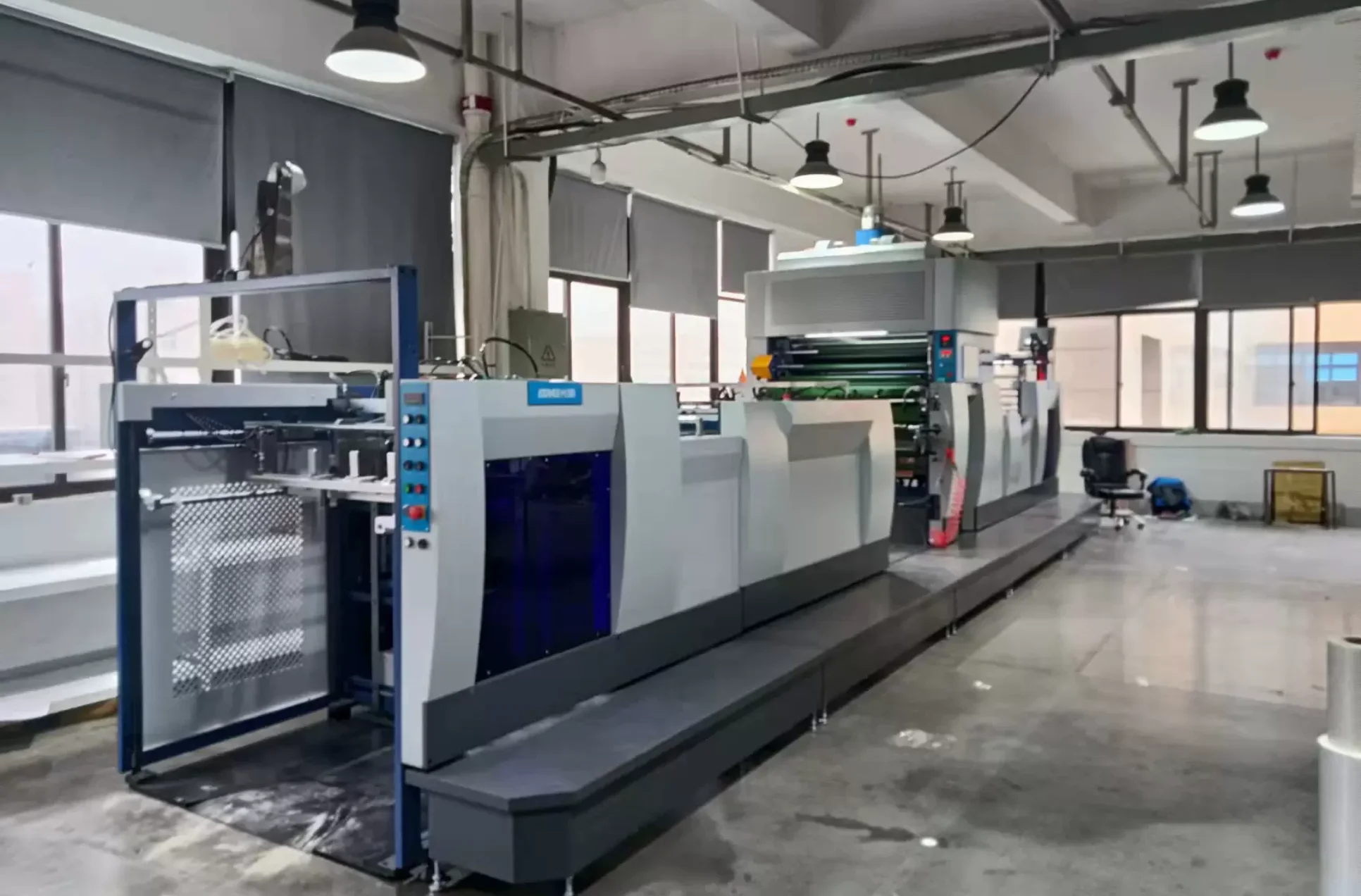
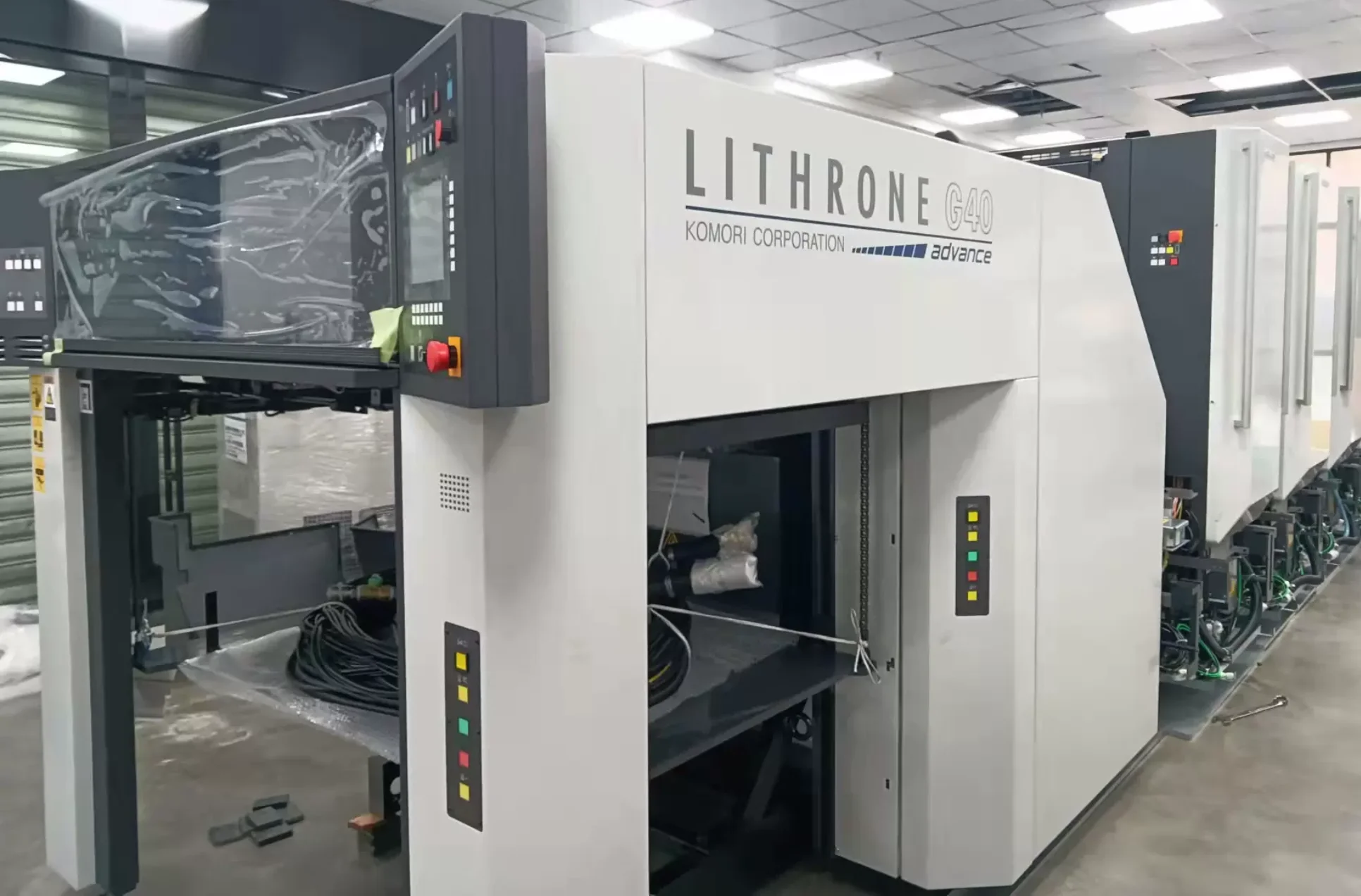
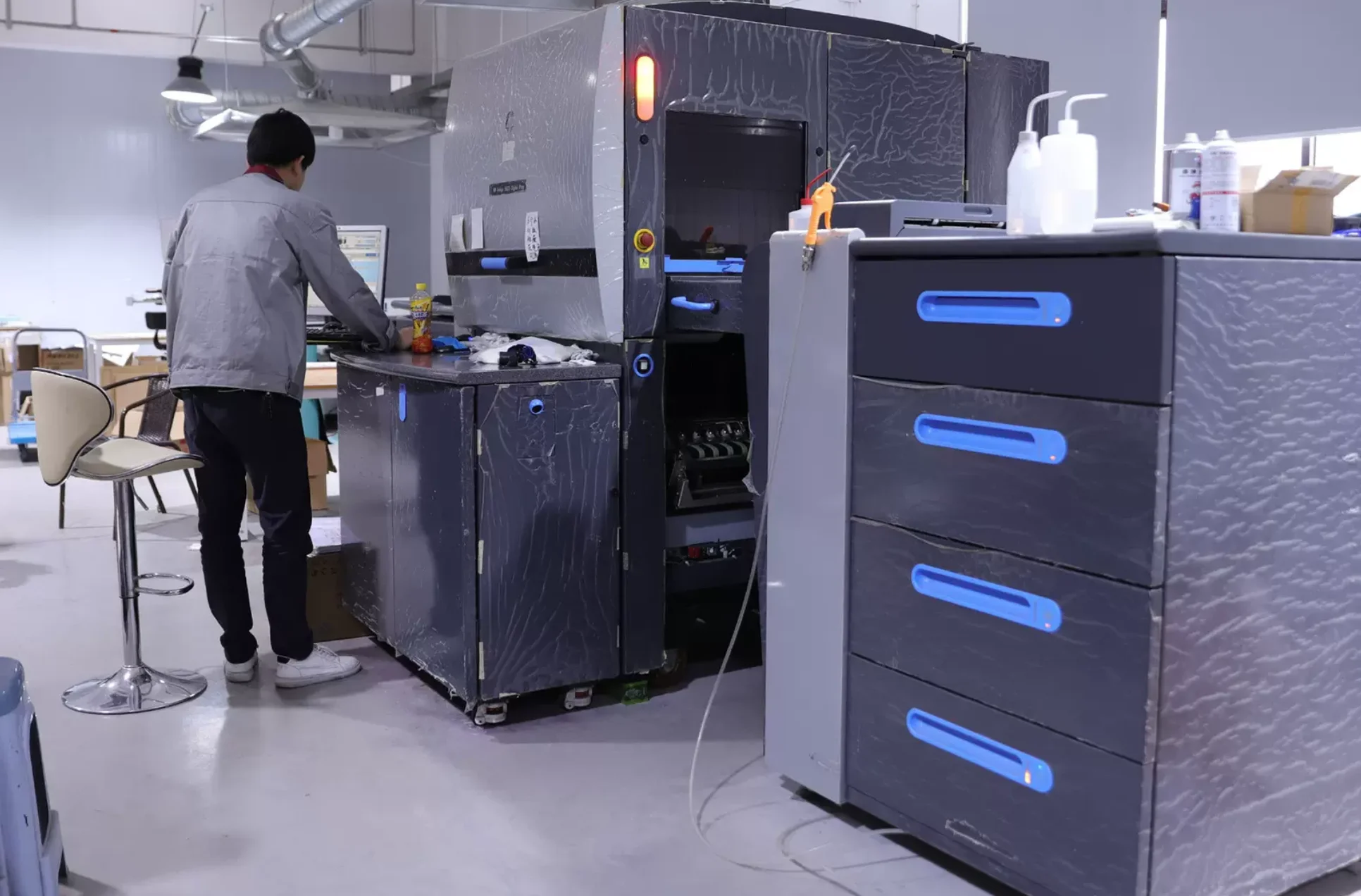
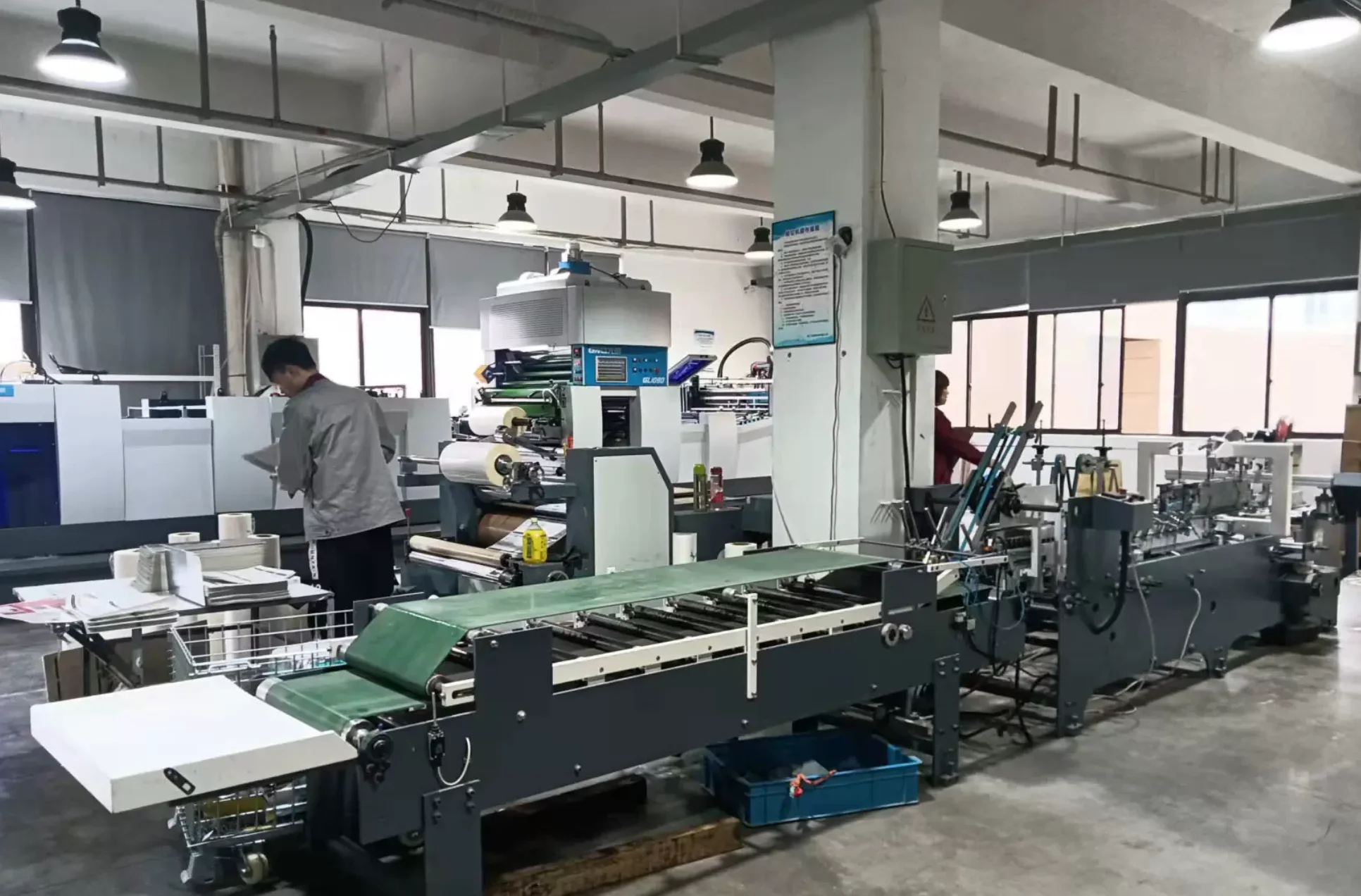
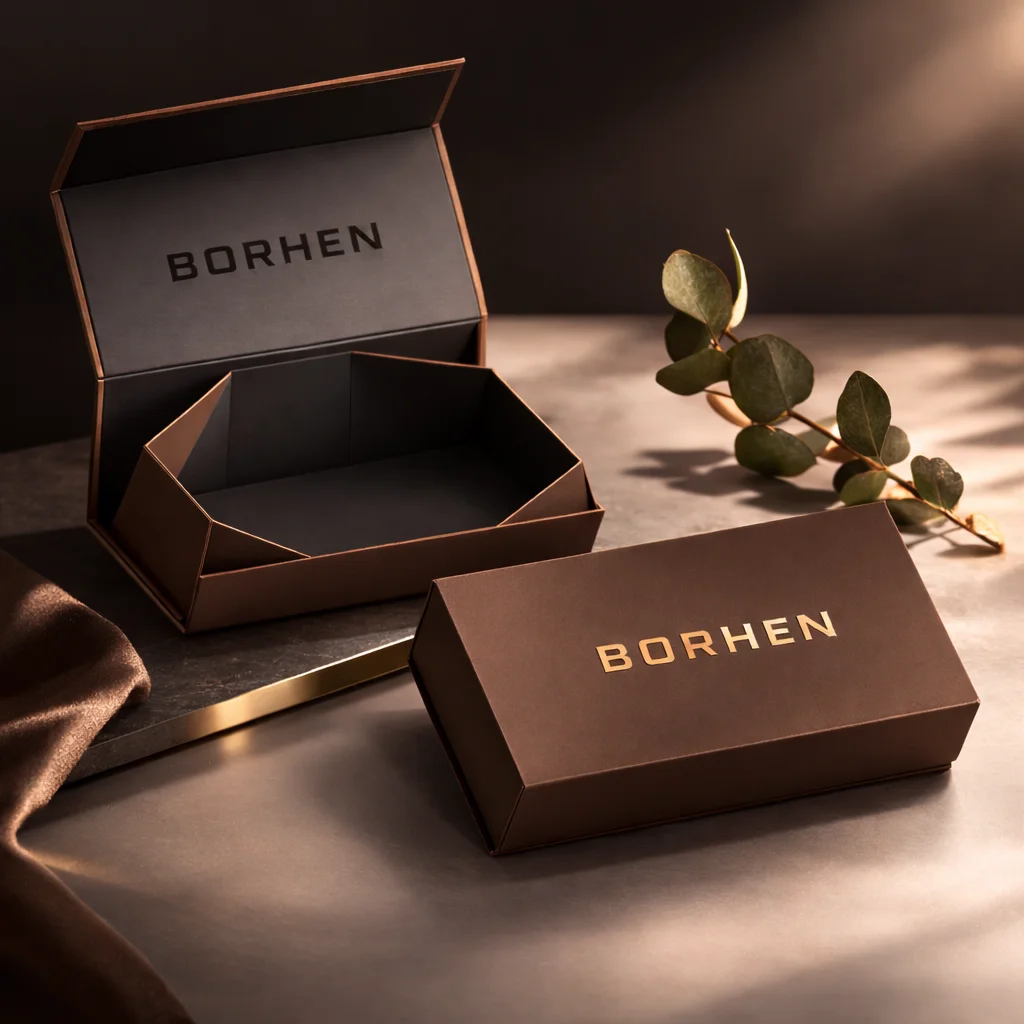
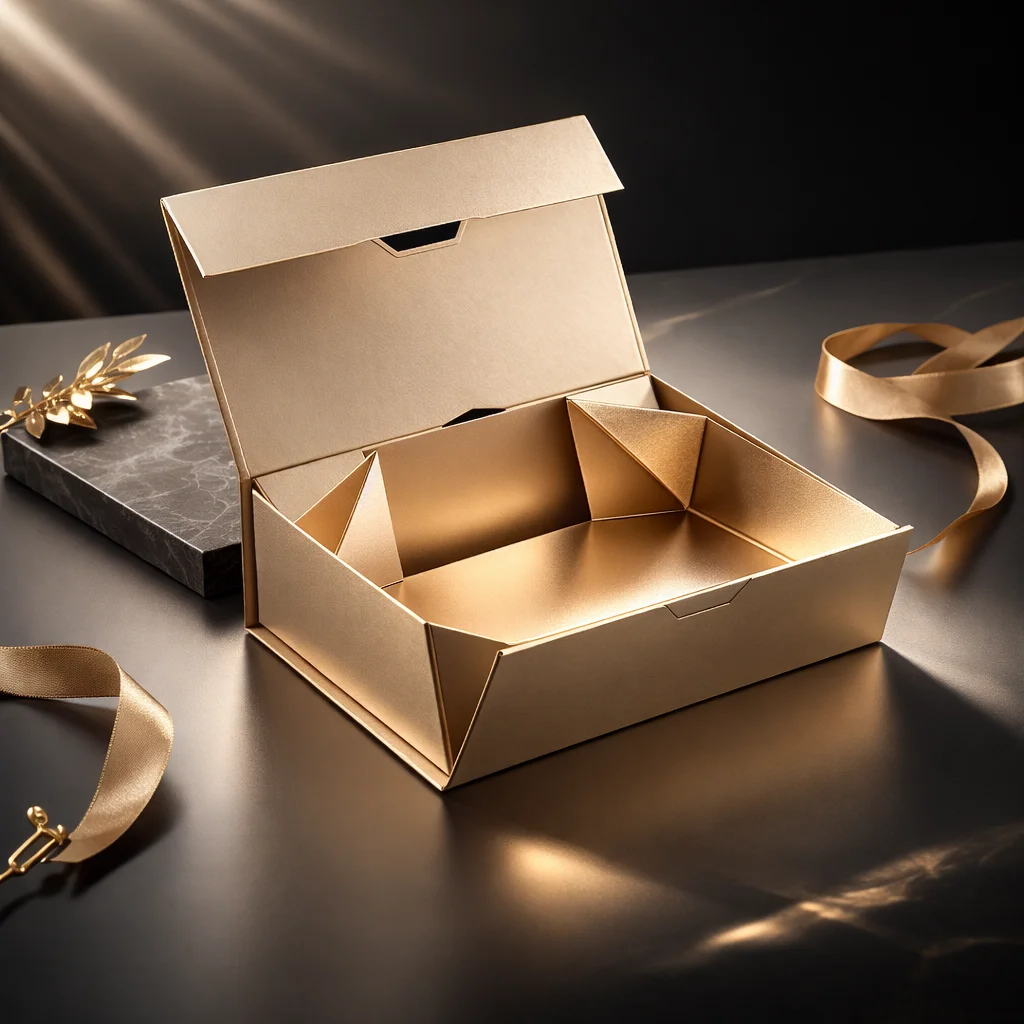
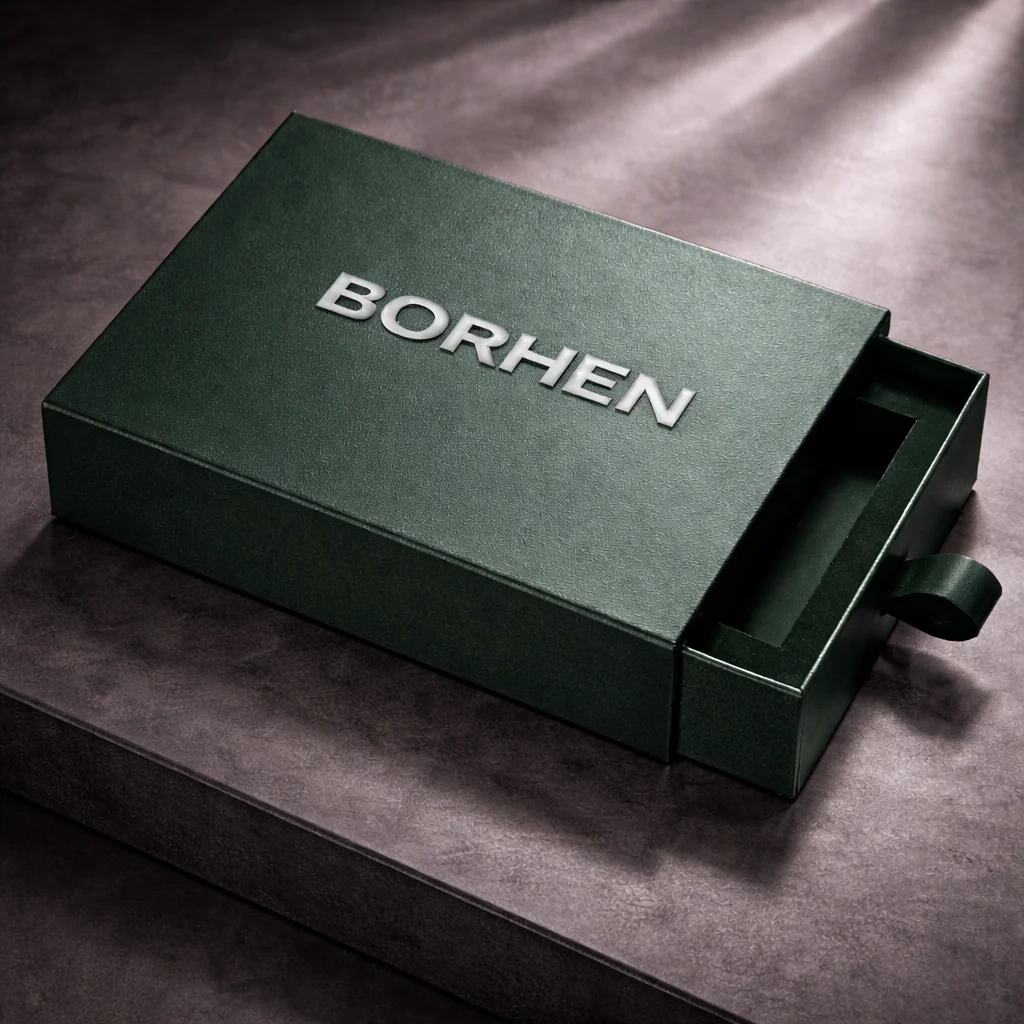
Whenever I begin assessing a packaging supplier, the first area I focus on is their technical production capability. Gift box manufacturing involves several specialized processes that must work together smoothly in order to produce high-quality packaging. These processes may include offset printing, die-cutting, rigid box forming, surface wrapping, decorative finishing, and internal insert fabrication. Not every manufacturer is equipped to manage all of these processes with equal precision. I usually examine whether the factory has dedicated equipment for the specific packaging structures required in the project. For example, rigid gift boxes with magnetic closures require a different manufacturing process than folding cartons. A manufacturer that already operates the necessary equipment and has trained production teams for these structures is more likely to deliver consistent results.
Understanding Experience With Similar Packaging Projects
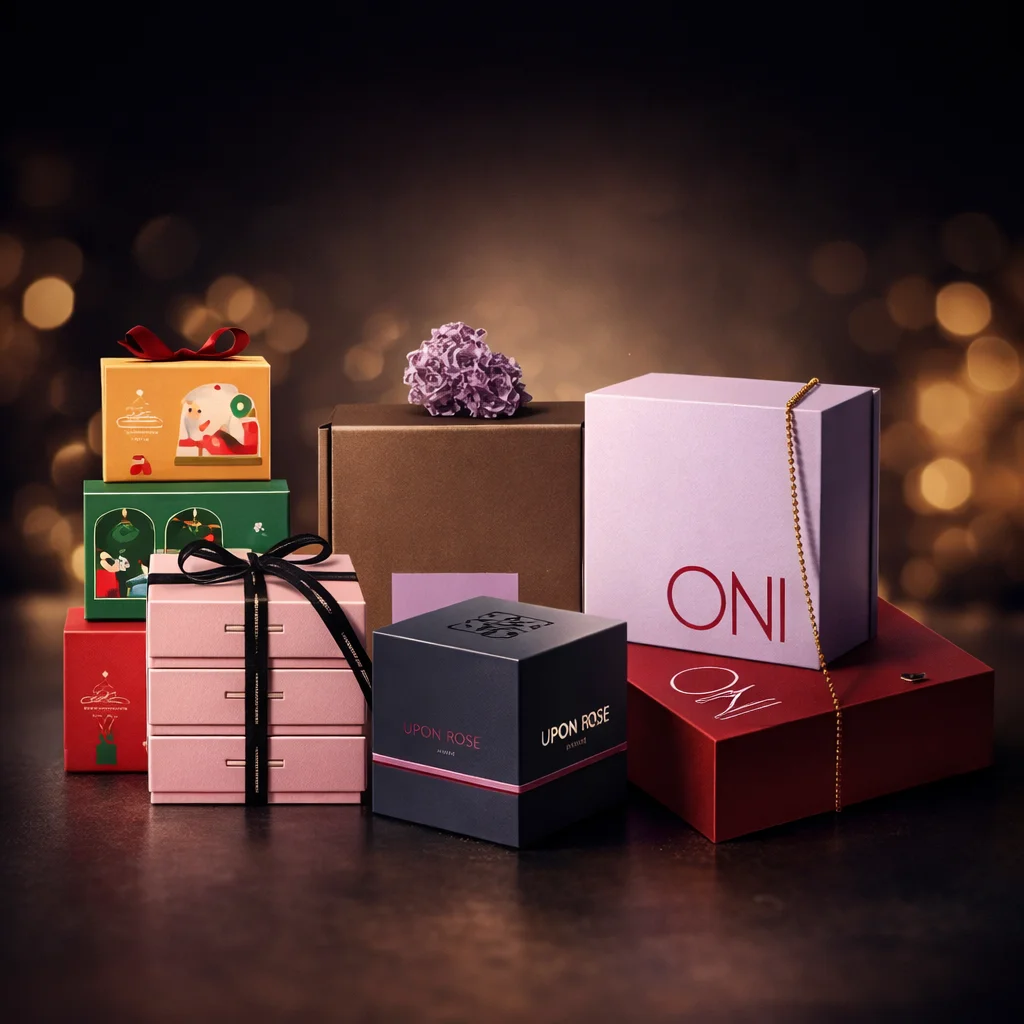
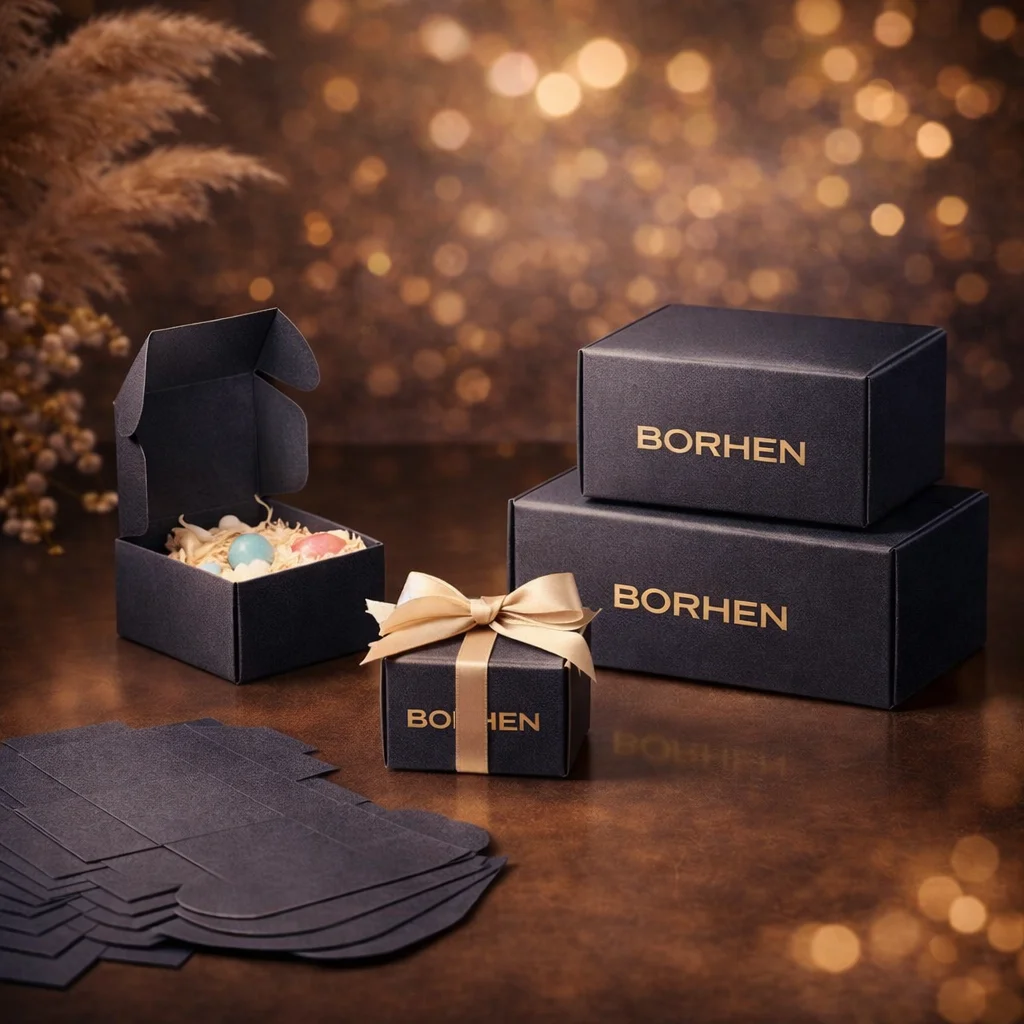
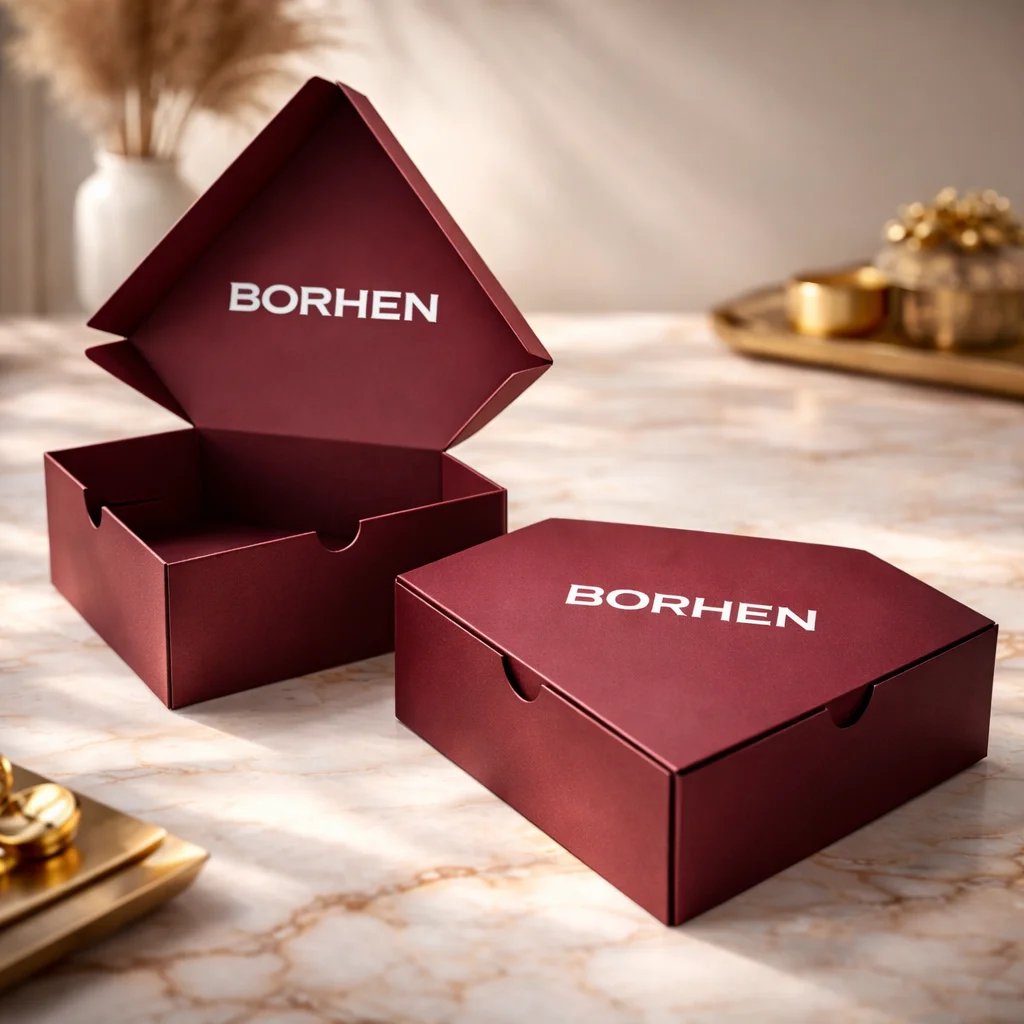
Another factor that I always consider is whether the manufacturer has experience producing packaging similar to the type required by the brand. Packaging structures vary widely depending on the product category, and certain industries require very specific technical considerations. Luxury gift boxes may require precise alignment of decorative finishes and smooth surface wrapping, while e-commerce packaging may require reinforced structures for shipping durability. When a manufacturer has already produced similar packaging designs, they often understand the challenges associated with those structures and can anticipate potential issues during development. This experience allows them to suggest improvements in materials, dimensions, or finishing methods that can improve the final packaging.
Assessing Communication and Technical Consultation
One of the most revealing moments in evaluating a manufacturer often occurs during the early stages of communication. When I begin discussing a packaging project with a potential supplier, I pay close attention to how they respond to technical questions and design considerations. Reliable manufacturers usually ask detailed questions about the product, the packaging structure, the intended distribution method, and the desired finishing techniques. These questions demonstrate that the manufacturer is thinking about how the packaging will function in real-world conditions. In contrast, suppliers who immediately provide a quotation without discussing these details may not fully understand the technical requirements of the project.
Reviewing Sample Development and Prototype Quality
Before committing to large production volumes, I always consider the sampling stage an essential part of evaluating a manufacturer. A physical prototype provides valuable insight into how accurately the manufacturer can translate digital artwork and structural designs into finished packaging. During the sampling stage, I carefully examine the alignment of printed graphics, the precision of folds and edges, and the quality of finishing techniques such as foil stamping or embossing. I also evaluate how the box feels when handled and opened. A well-crafted sample usually indicates that the manufacturer has strong technical control over the production process.
Examining Quality Control Systems Throughout Production
Another aspect that I pay close attention to is the manufacturer’s quality control system. Gift box production involves multiple stages, and errors can occur at any point if quality monitoring is not carefully implemented. Reliable factories often perform inspections during several phases of production, including printing, cutting, finishing, and final assembly. These inspections help ensure that colors remain consistent, structural components align correctly, and decorative finishes meet the required standards. When manufacturers implement structured quality control systems, they reduce the risk of defects appearing in large production batches.
Investigating Material Sourcing and Sustainability Compliance
Material sourcing is also an important factor when selecting a gift box manufacturer. Many brands today must comply with environmental regulations or sustainability commitments, particularly when selling products in markets such as Europe and North America. I often ask manufacturers about the origin of their paper materials and whether they can provide certifications such as FSC that verify responsible forestry practices. Manufacturers who maintain transparent sourcing practices are often better prepared to support brands that prioritize sustainability.
Evaluating Production Capacity and Scheduling Stability
Production capacity and scheduling reliability are additional factors that I always evaluate carefully. A manufacturer may produce excellent samples but still struggle to deliver large orders if their production capacity is limited or poorly managed. I often try to understand how the factory organizes its production lines, how many projects it handles simultaneously, and how it manages deadlines. A manufacturer with well-planned production systems is more likely to maintain stable lead times and avoid unexpected delays.
Understanding Export Experience and Global Logistics Capability
For brands that operate internationally, the manufacturer’s experience with export logistics becomes especially important. Packaging must often travel long distances before reaching warehouses or fulfillment centers in other countries. During this process, packaging may be exposed to compression, humidity, or extended shipping times. I usually ask manufacturers how they prepare packaging for export and whether they have experience shipping to international markets. Suppliers who are familiar with export requirements and shipping protection methods are often better equipped to ensure that packaging arrives safely.
Observing Long-Term Reliability and Business Attitude
Beyond technical capabilities, I also pay attention to the manufacturer’s overall attitude toward long-term collaboration. Some suppliers focus primarily on short-term transactions, while others prioritize building stable partnerships with their clients. I often observe whether the manufacturer communicates clearly, provides transparent timelines, and remains responsive when adjustments are required during the project. Over time, these qualities become extremely valuable because they allow businesses to maintain consistent packaging production without constantly searching for new suppliers.
Viewing Manufacturer Selection as a Strategic Partnership
When I reflect on the broader role that packaging plays in a brand’s operations, I see the selection of a gift box manufacturer as the beginning of a long-term partnership rather than a simple purchasing decision. Packaging influences product protection, brand perception, and operational efficiency throughout the entire supply chain. By carefully evaluating manufacturers based on production capabilities, experience, communication practices, quality control systems, and logistical expertise, businesses can identify partners who are capable of supporting long-term packaging programs. In this way, choosing the right manufacturer becomes an investment in stability, reliability, and brand consistency for years to come.