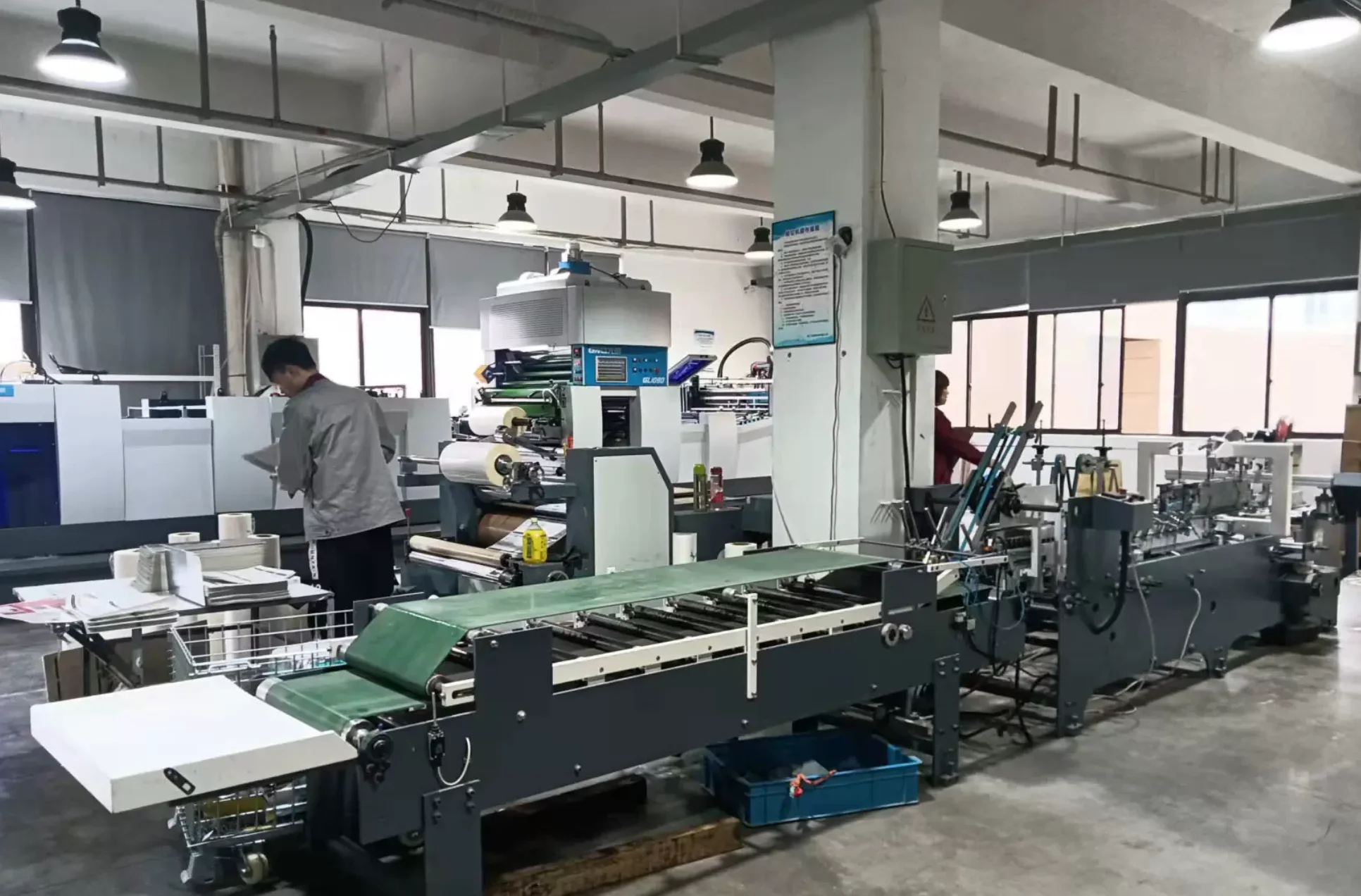
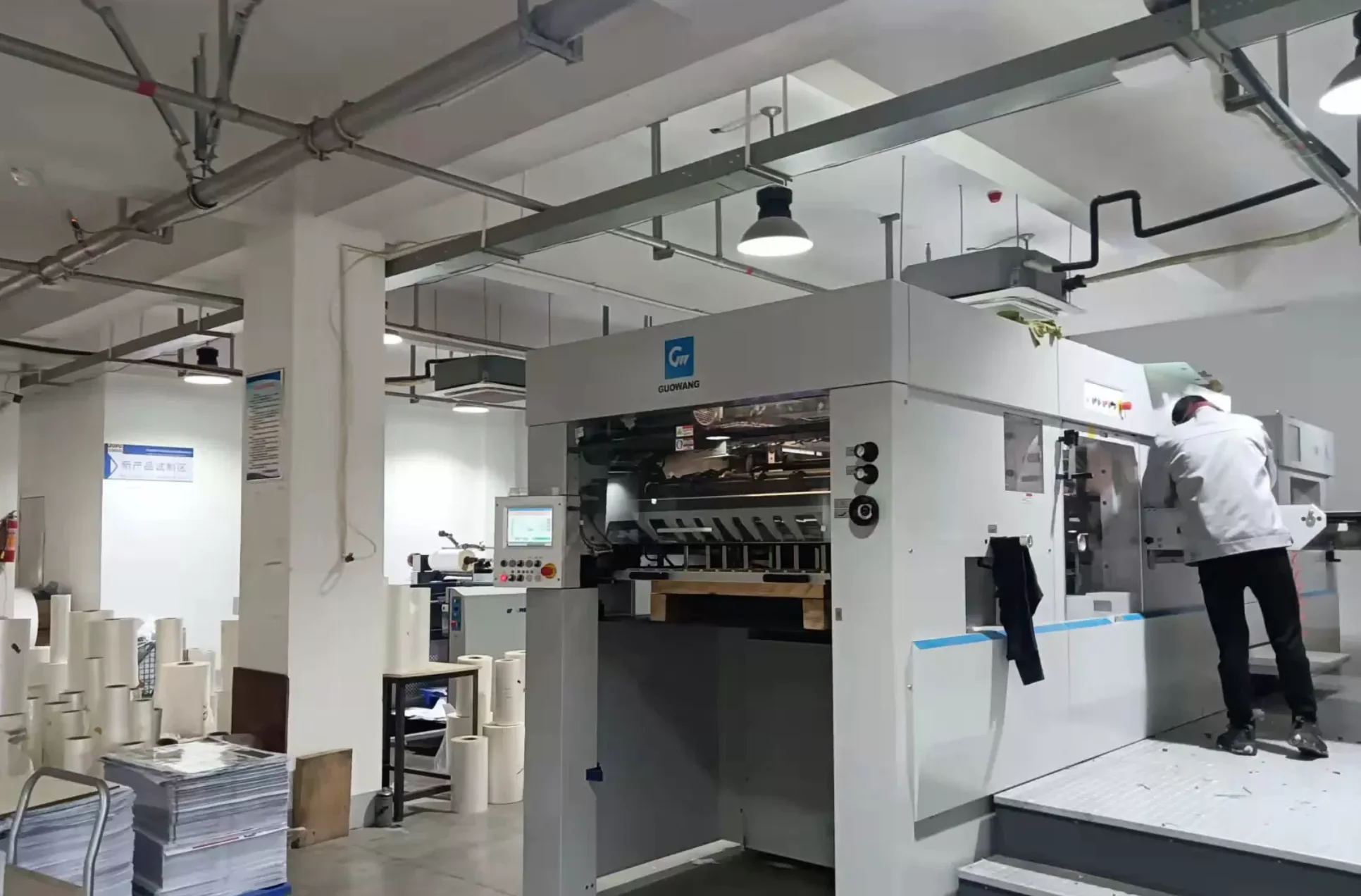
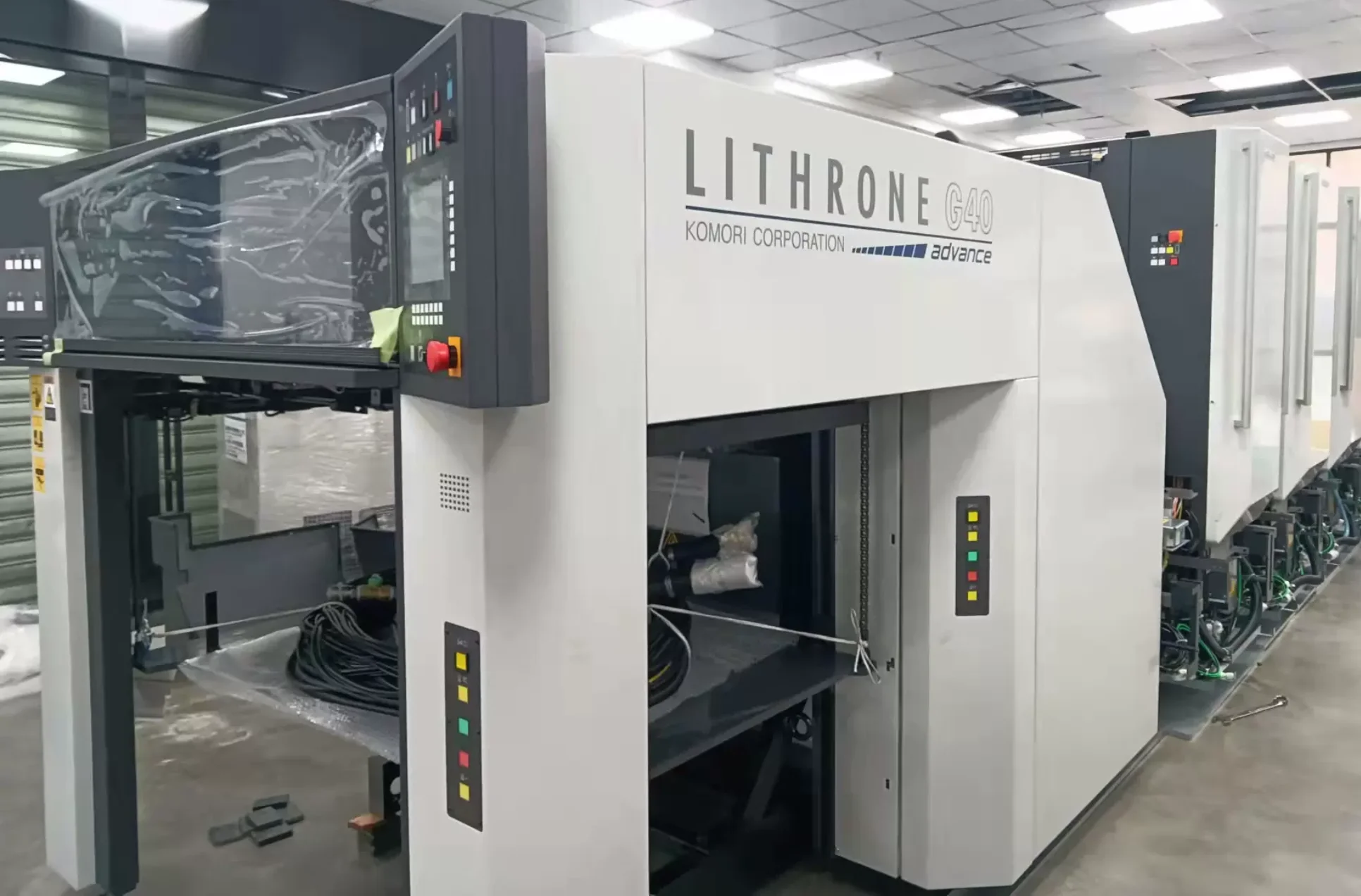
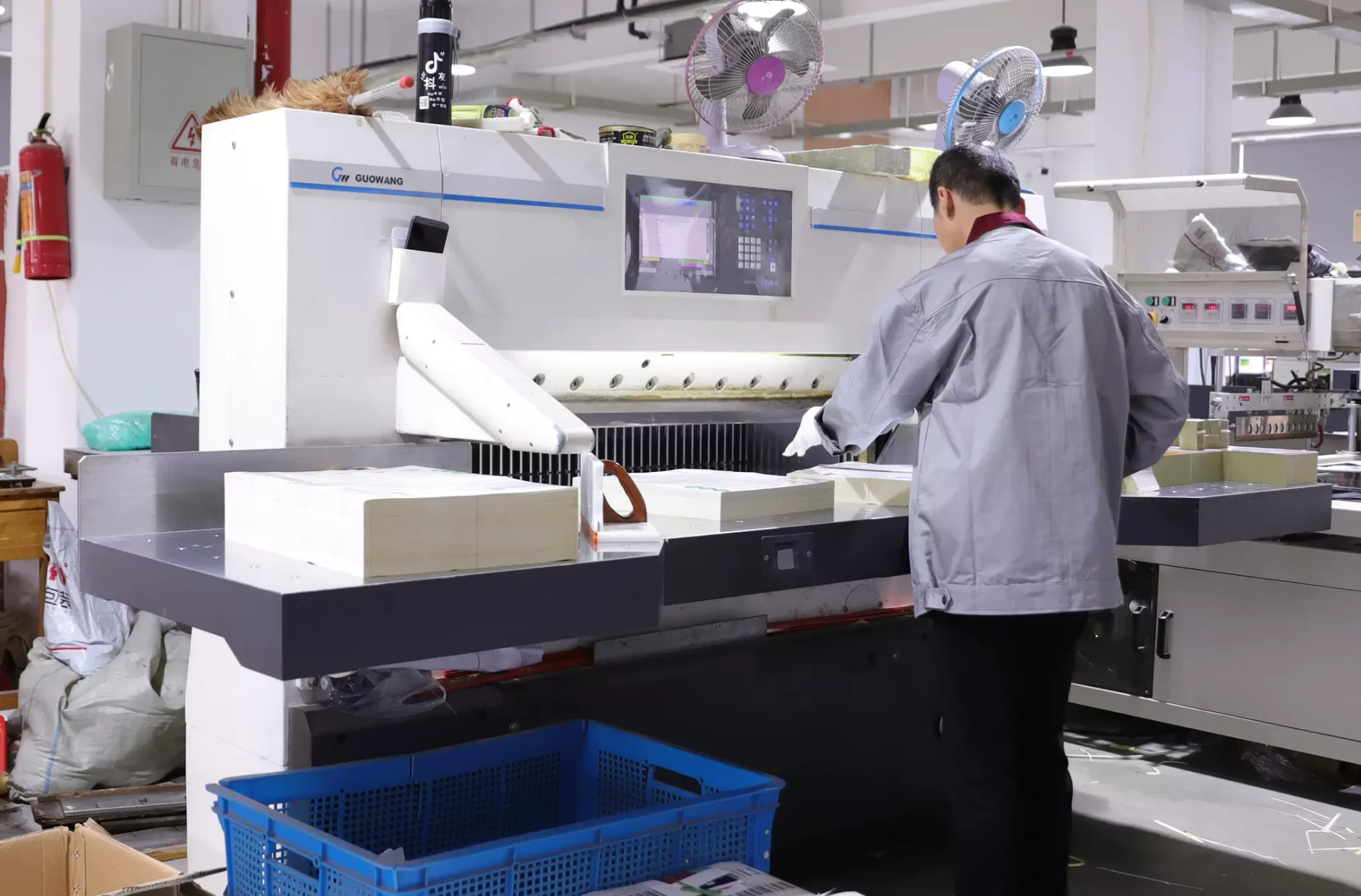
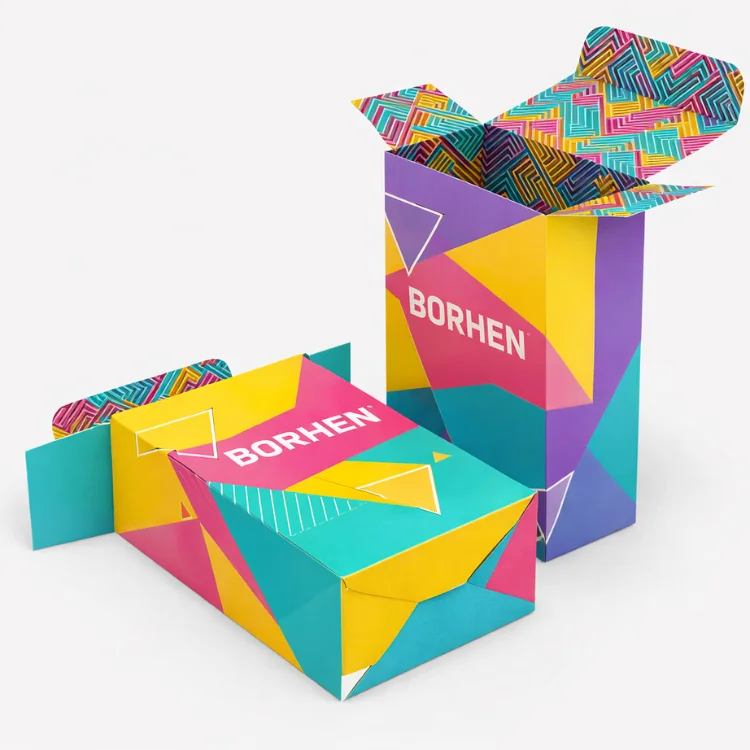
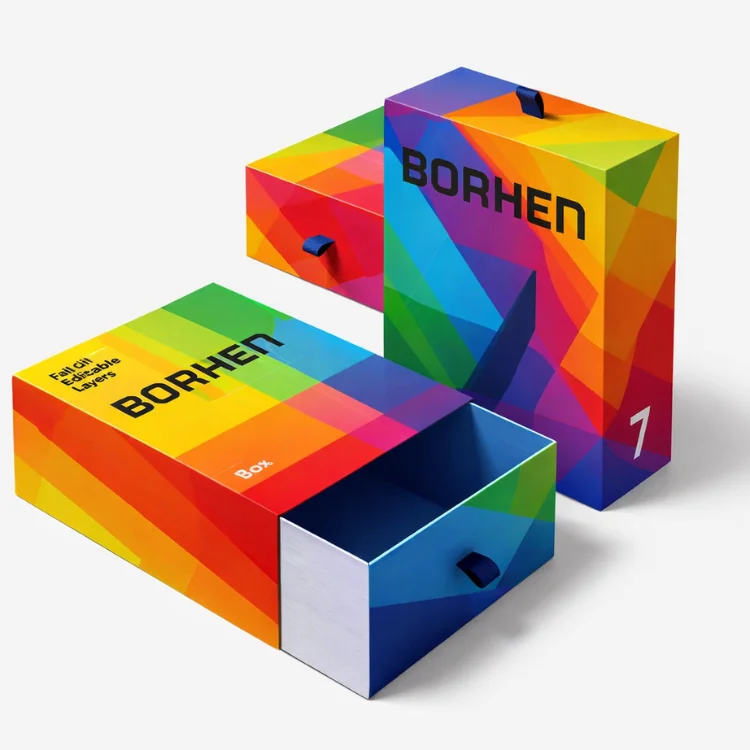
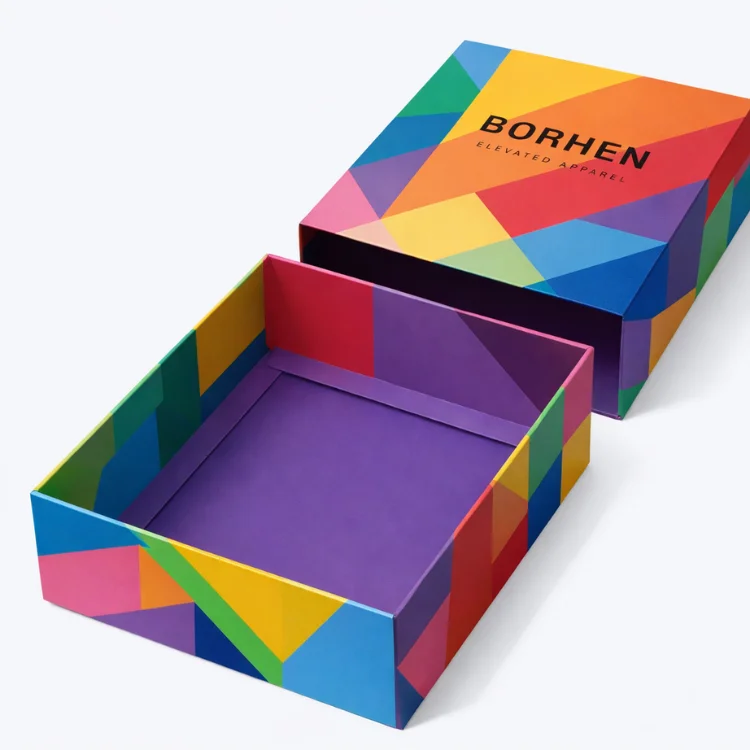
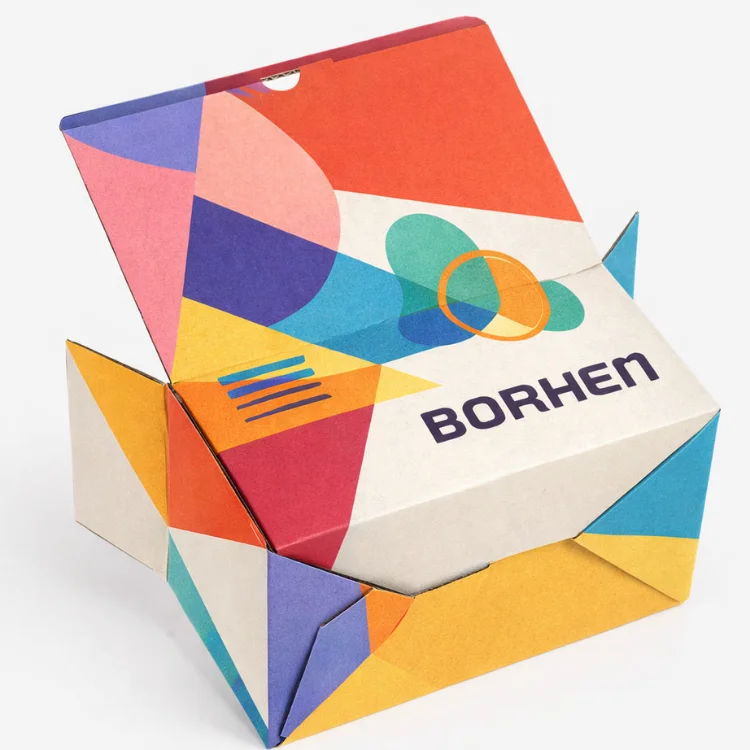
Your Trusted Folding Carton Boxes Manufacturer

You get custom Folding Carton Boxes that are built to perform at scale — with consistent structure, predictable quality, and stable repeat production, so your programs move forward without delays, rework, or supply-chain surprises.

Custom Folding Carton Boxes

At Borhen Pack, we know a great custom folding carton box isn’t just “outer packaging” — it’s part of your product experience and your brand credibility. The structure, the board thickness, the opening feel, the print quality, and even how clean the folds look all shape whether your packaging feels premium, reliable, and worth paying attention to. That’s why we approach folding carton manufacturing from both a brand perspective and a production reality, not just a “print-and-deliver” mindset.
 
We work with distributors and importers, established brands expanding supply, trading companies and packaging integrators, and gift & promotional project teams who need cartons that are easy to approve, efficient to scale, and consistent across repeat orders. From straight tuck end and reverse tuck end boxes to auto-bottom cartons, sleeves, trays, and retail-ready sets, we produce folding cartons that match how packaging is actually used today — in retail shelves, e-commerce shipping, and high-volume distribution. We look at real buyer expectations, cost structures, and production constraints so your cartons don’t just look good in a mockup, but perform smoothly in real shipments.
 
As your manufacturing partner, we don’t just “make boxes.” We help you turn your dieline, artwork, and positioning into a packaging solution that can be produced cleanly, packed efficiently, and reordered without surprises. Whether you’re starting with a low MOQ pilot run or scaling into higher volumes with upgraded finishes, we’ll guide you through material selection, print processes, surface treatments, and packaging details — so your folding cartons protect the product, elevate your brand, and support long-term supply stability.

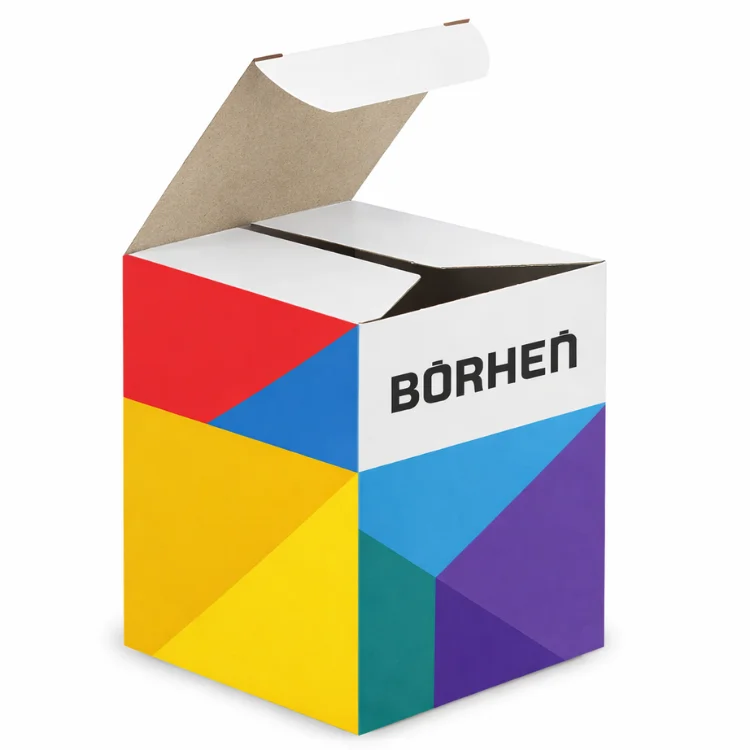
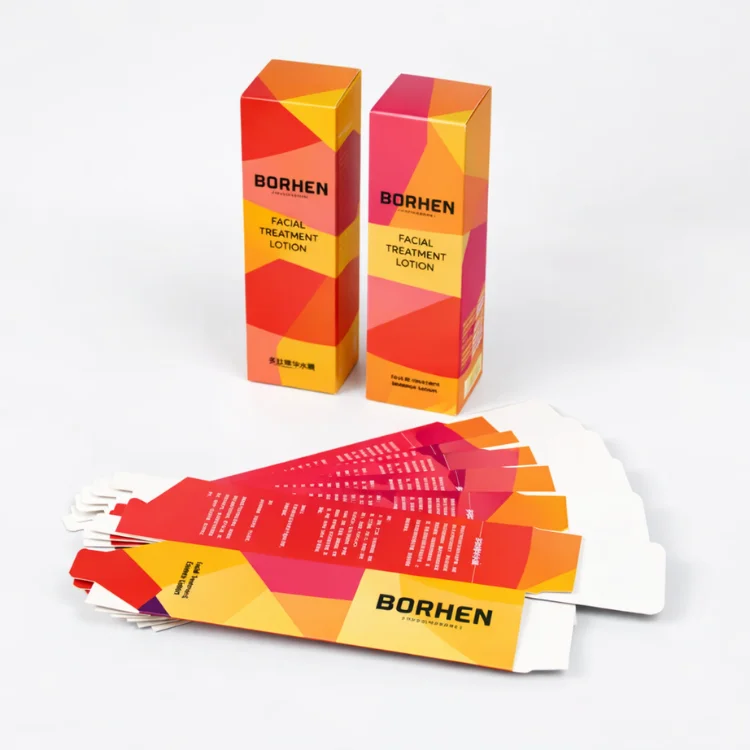
Straight Tuck End (STE) Boxes

Reverse Tuck End (RTE) Boxes

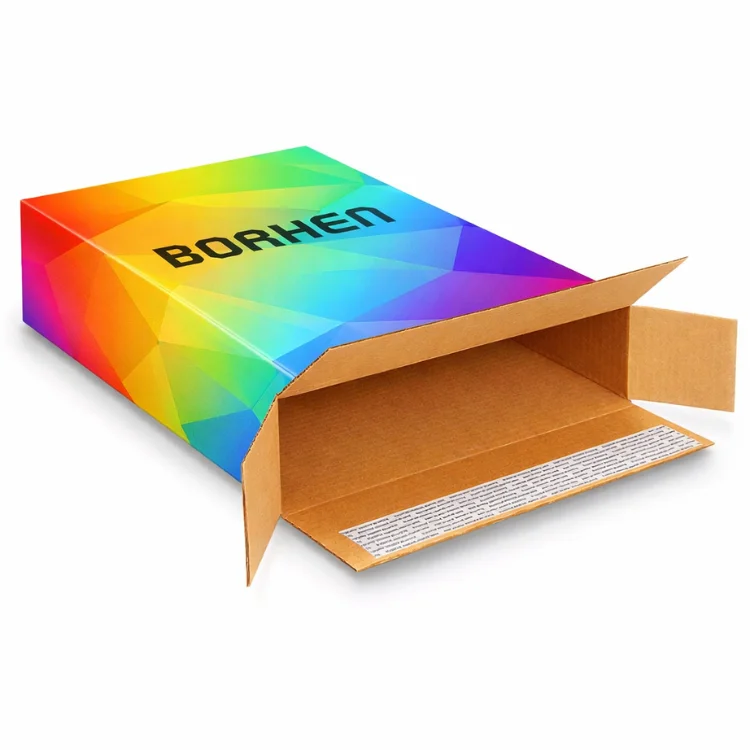
Auto Bottom / Crash Lock Boxes

Seal End Boxes

Sleeve Boxes (Slipcase Sleeve)

Tray & Sleeve Boxes

Tuck Top Auto Bottom Boxes

One-Piece Tuck Top Boxes

Build Custom Folding Carton Boxes That Support Your Programs — Not Just Your Products

At Borhen Pack, we know a great custom folding carton box isn’t just “outer packaging” — it’s part of your supply stability and brand performance. The dieline accuracy, board strength, folding sharpness, print consistency, and how smoothly the box runs through packing all determine whether your packaging feels premium, ships safely, and stays reliable across repeat orders. That’s why we treat folding carton manufacturing as a program-level solution, not a one-time print job.
 
We work with distributors and importers, established brands expanding supply, trading companies and packaging integrators, and gift & promotional project teams who need cartons that are easy to approve, fast to reproduce, and consistent at scale. From straight tuck end and reverse tuck end boxes to auto-bottom cartons, sleeves, trays, and retail-ready sets, we manufacture folding cartons that match real-world use — shelf display, e-commerce fulfillment, and high-volume distribution. We focus on what matters most to buyers: lead time control, cost clarity, repeatability, and the small production details that prevent rework later.
As your packaging partner, we don’t just “make boxes.” We help you translate your structure, artwork, and finishing goals into a carton solution that can be produced cleanly, packed efficiently, and reordered without surprises. Whether you’re testing a new program with a small first run or scaling an existing SKU into higher volumes, we guide you through materials, printing, surface finishes, and production details — so your folding cartons protect your product, strengthen your brand presentation, and support long-term supply continuity.
 
Our Most In-Demand Custom Folding Carton Box Types
1️⃣ Straight Tuck End (STE) Folding Carton Boxes 
A retail-standard structure that works across many industries and scales easily for multi-SKU packaging programs.
2️⃣ Reverse Tuck End (RTE) Folding Carton Boxes 
A production-friendly, cost-efficient option that many distributors and wholesale programs rely on for repeat orders.
3️⃣ Auto Bottom / Crash Lock Folding Carton Boxes 
A premium structure designed for faster assembly and stronger bottom support, especially for heavier products.
4️⃣ Seal End Folding Carton Boxes
A clean, secure structure often chosen when sealing consistency and product protection are priorities.
5️⃣ Sleeve Folding Carton Boxes (Slipcase Sleeve) 
A simple way to elevate shelf presence with a premium look, without adding heavy structural complexity.
6️⃣ Tray & Sleeve Folding Carton Boxes 
Ideal for gift sets, multi-item packaging, and programs where presentation and unboxing experience matter.
7️⃣ Tuck Top Auto Bottom Folding Carton Boxes 
A practical hybrid format that combines retail appearance with stronger structure for shipping and fulfillment.
8️⃣ One-Piece Tuck Top Folding Carton Boxes 
A clean, fast-to-produce structure often used for promotional programs, accessories, and lightweight SKUs.
 
MOQ & Customization Options (Built for Real-World Scaling)
At Borhen Pack, we make it realistic to start — and easy to grow. Our standard MOQ starts from 500 pieces, which is ideal for testing a new SKU, launching a pilot run, or validating packaging before scaling. For more complex structures, special paper stocks, premium finishes, or fully customized inserts, a higher MOQ may be required to match real production and cost efficiency. We’ll always explain those drivers clearly upfront, so you can plan pricing, timelines, and reorder strategy with confidence.
Every project includes practical structure recommendations, dieline and artwork coordination, material and finish guidance, sampling support, and production consistency checks — so your folding carton boxes stay stable across repeat orders and scale smoothly without disrupting your supply chain.

More Than Just a Custom Folding Carton Boxes Manufacturer

At Borhen Pack, we don’t just manufacture custom folding carton boxes — we help you keep packaging programs running smoothly. When you’re dealing with repeat orders, multiple SKUs, and fixed delivery windows, packaging stops being “just design.” It affects product protection, packing efficiency, shipping cost, and how confidently you can reorder without worrying about surprises. That’s why every folding carton project we take on is built around execution at scale, not one-off production.

✅ Packaging Built for How Toy Programs Actually Run

We build folding carton boxes based on how products are actually distributed, stocked, and sold in real markets. Whether you’re a distributor managing mixed SKUs, a brand expanding packaging supply, a trading company coordinating multiple factories, or a gift program team working with deadlines, we understand the pressure behind large packaging programs. We focus on structure stability, clean folds, reliable assembly, and packaging that stacks and ships efficiently — so what you approve during sampling is what runs smoothly in mass production.

✅ MOQs That Support Projects, Not Just Experiments

We make it realistic to start and easy to scale. For many folding carton box projects, we can begin from 500 pieces to support early-stage cooperation, testing, or new SKU launches. If your design requires complex structures, special paper stocks, heavy finishing, or strict fitting tolerances, we’ll recommend a higher MOQ upfront so production stays stable and cost-effective. The goal is simple: you move forward with the right quantity for your program — without overcommitting inventory or forcing unnecessary redesigns.

✅ Consistency You Can Rely on Across Repeat Orders

In folding cartons, consistency is everything. We manage paperboard selection, color control, structural tolerances, and finishing details so your packaging stays consistent across batches — not “close enough.” This helps you avoid quality disputes, reduces packing issues on your line, and keeps your product presentation stable across shipments. When it’s time to reorder, you shouldn’t have to re-explain everything or worry about unexpected variation — you should be able to repeat the same standard with confidence.

✅ Export-Ready Production for Global Toy Distribution

We manufacture custom folding carton boxes with international delivery in mind. From carton strength and shipping durability to packing methods and load efficiency, we help you avoid common cross-border issues that cause delays, damage, or hidden logistics costs. Whether you’re shipping into Europe, North America, or the Middle East, our focus is packaging that travels well, arrives clean, and supports long-term supply continuity — so your program stays on schedule and your buyers stay confident.

Build Custom Folding Carton Boxes That Support Scale — Not Just Design

When you work with Borhen Pack, you’re not just choosing a custom folding carton box manufacturer — you’re partnering with a team that understands how packaging affects real programs. For distributors, procurement teams, trading companies, and gift project managers, the box is never just “a box.” It impacts packing speed, shipping cost, retail presentation, and how confidently you can reorder without surprises. Our focus is simple: keep your projects moving, protect your product, and maintain consistency as volumes grow.
 
Whether you’re standardizing packaging across multiple SKUs, upgrading from generic cartons, or preparing a new rollout for retail and promotional programs, we design every folding carton box around real-world execution. From tuck end cartons and auto-bottom structures to sleeves, trays, and retail-ready sets, we build packaging that assembles smoothly, holds shape under handling, and stays visually consistent — the kind of reliability buyers and retail teams expect when they scale
Structures Designed for Real Distribution Conditions
We don’t believe in one-size-fits-all packaging. Every custom folding carton box starts with how your product is packed, stacked, shipped, and displayed. We use proven structures as the foundation, then adapt the dimensions, opening style, board thickness, and closure logic to match your exact requirements. If there’s a smarter way to improve fit, reduce shipping damage risk, strengthen the box, or simplify assembly for your packing team, we’ll explain it clearly and help you choose the most practical option. The goal is packaging that performs consistently across repeat orders, not just a first sample that looks good in photos.
 
Packaging That Scales With Your Programs
We believe folding carton packaging should be easy to start, easy to standardize, and simple to scale. Many projects can begin from 500 pieces to support an initial run, a pilot program, or a new SKU test. As your volume grows, scaling into higher quantities with upgraded paper stocks, more complex structures, or premium finishes becomes straightforward. If your design involves heavy customization, special materials, or complex assembly requirements, we’ll recommend a higher MOQ upfront so production stays stable and cost-effective. This helps you expand confidently without changing suppliers or redesigning your packaging system halfway through.
 
A Production Process Built for Reliability
Our workflow is structured, transparent, and designed to reduce the mistakes that slow packaging projects down. From dieline confirmation and sampling to material approval, printing, finishing, and quality checks, we keep communication clear and timelines realistic. We flag risks early, control key details during production, and make sure what you approved is what you receive. Many clients stay with us long-term because they don’t want “random results” — they want a packaging partner who can deliver the same standard every time they reorder.
 
Built for Long-Term Programs, Not One-Off Orders
We measure success by how smoothly your packaging performs over time. That means stable structures, repeatable materials, controlled print consistency, and packaging that stays reliable across different batches, programs, and delivery schedules. Whether your cartons are used for retail shelves, wholesale distribution, or international promotional programs, we help you build folding carton packaging that executes cleanly, scales easily, and supports long-term growth. With Borhen Pack, your cartons are designed to reorder smoothly and perform consistently — not just for one shipment, but for the long run.

Who We Work With (And Why They Choose Us)

We work with scalable buyers who manage multi-SKU programs, multiple markets, or time-sensitive toy launches — and need packaging that stays stable across repeat orders, shipping routes, and changing timelines.

For Regional Distributors & Master Agents

You’re supplying multiple markets and channels — and packaging consistency directly affects your downstream partners.
We help you standardize toy packaging boxes without losing flexibility across SKUs and destinations.

  • Repeatable structures and specs across markets

  • Carton optimization to reduce shipping waste and damage

  • Stable materials and controlled reorders for long-term programs

💡 Why it works: fewer variations, fewer disputes, and smoother multi-country execution.

For Trading Companies & Product Integrators

You coordinate brands, factories, and timelines — often across several SKUs at once.
We make packaging coordination easier by turning requirements into production-ready specs that can scale.

  • Clear dielines, tolerances, and production-friendly artwork checks

  • Insert and structure matching for mixed toy sets and accessories

  • Documentation-ready workflow for export and client approvals

💡 Why it works: less back-and-forth, faster approvals, and fewer “sample vs. mass” surprises.

For Campaign Buyers & License Holders

Your project has a deadline — and packaging delays can kill the whole program.
We focus on proven structures, realistic timelines, and early risk control to protect launch windows.

  • Fast sampling with structured decision checkpoints

  • Controlled materials/finishes to avoid late-stage changes

  • Production planning built for seasonal and promotional timing

💡 Why it works: higher first-time-right execution and fewer last-minute reworks under pressure.

FAQs Folding Carton Boxes

For your convenience, we’ve gathered the most commonly asked questions about our Folding Carton Boxes . However, should you have any further queries, please don’t hesitate to reach out to us.
1. What types of custom folding carton boxes do you manufacture?
We manufacture a wide range of custom folding carton boxes used for retail, e-commerce, and large program rollouts. This includes straight tuck end, reverse tuck end, auto bottom (crash lock), seal end, sleeves, tray & sleeve sets, and other custom structures based on your product and packing needs. If you have a reference box, we can match the structure or optimize it for better cost and stability.
Yes — and honestly, this is one of the most valuable parts of working with us. Most buyers don’t want to spend weeks comparing box structures, so we guide you based on how your product is packed, displayed, shipped, and stocked. We’ll recommend the most practical structure that meets your durability, assembly, and cost targets, not just the one that “looks good” in a mockup.
Our standard MOQ starts from 500 pieces to support new projects and first-time cooperation. If your design involves complex structures, special paper stocks, heavy finishing, or strict color control, a higher MOQ may be needed to keep production stable and cost-effective. We’ll explain the MOQ logic clearly upfront so you can make a decision with confidence.
Absolutely. Many of our clients begin with a smaller pilot run to test a new SKU, program, or market response. We structure the project in a way that makes reordering easy, so when you scale up, you don’t need to redesign everything from scratch or switch suppliers. The goal is to make your first order realistic and your second order faster.
In most cases, sampling takes around 7–15 days, depending on the structure and finishing details. Mass production typically takes 15–25 days after sample approval. If you’re working with a retail deadline, seasonal program, or fixed shipping schedule, tell us early — we’ll help you lock a realistic timeline and avoid last-minute surprises.
Yes. We support Pantone matching and production checks to help maintain consistent color and print results across batches. For scaling programs, we also pay attention to the small things that affect consistency, like paper selection, coating behavior, and finishing tolerance. This is especially important for brands and distributors who need packaging to look the same across multiple shipments.
We offer a full range of finishes depending on your budget and positioning, including matte/gloss lamination, soft-touch, spot UV, embossing, debossing, foil stamping, and other specialty effects. If you’re not sure what finish fits your program, we’ll recommend options that balance cost, durability, and the shelf impact your buyers expect.
Yes — we think about packaging like a supply chain tool, not just a printed product. We can help improve stacking strength, reduce deformation risk, and make sure the carton performs well in real shipping conditions. If you’re shipping internationally or running high-volume fulfillment, we’ll also help you choose structures that are strong enough while still being space-efficient.
Yes. If you already have a dieline and artwork, we’ll review it to make sure it’s production-ready and avoids common issues like misaligned folds, wrong bleed setup, or weak locking points. If you don’t have a dieline yet, we can help create or adjust it based on your product size, structure style, and packing requirements.
Yes — these are exactly the types of clients we work with most often. Whether you’re consolidating supply across multiple SKUs, managing packaging for multiple customers, or running time-sensitive promotional programs, we understand how important speed, consistency, and reorder stability are. Our job is to keep your packaging program moving smoothly, not create extra coordination work for you.

Borhen Pack in Numbers

Happy Clients
0 +
Million-dollar Buyers
0 +
Formulation
0 +
Professional Staffs
0 +

Your Ultimate Guide to Folding Carton Boxes

If you’re planning to source custom folding carton boxes for a new product line, a retail rollout, or a large promotional program, you’re not just buying “outer packaging.” You’re building the part of your supply chain that protects shelf presentation, controls logistics cost, and makes reorders predictable. Folding cartons look simple, but once you’re managing multiple SKUs, multiple markets, and repeat deliveries, the structure, board choice, printing quality, and finishing consistency start to matter more than most buyers expect.
 
Over the years, we’ve supported regional distributors and importers, established brands expanding packaging volume, trading companies and packaging integrators, and gift & promotional project teams who all share one common goal: cartons that are easy to approve, stable to reproduce, and reliable at scale. And what we’ve learned is this—great folding carton programs aren’t built from “pretty samples.” They’re built from specifications, production logic, and execution details that hold up in real shipping, real warehouse handling, and real repeat orders.
 
That’s exactly why we created this guide. It’s based on what we see behind the scenes every day: which carton structures move fastest across different industries, what drives cost up or down, how to avoid artwork and dieline mistakes that cause delays, what quality checkpoints matter before reordering, and how to plan packaging so your cartons arrive clean, stack well, and stay consistent across batches—without unpleasant surprises.

Table of Contents

Folding Carton Box Types Explained (STE, RTE, Auto Bottom, Sleeves & Trays)

Why Folding Carton Structure Matters More Than Most Buyers Expect
When I speak with buyers for the first time, I often notice they think folding carton boxes are mostly interchangeable as long as the size is correct and the printing looks clean. But once a project moves into real distribution, retail shelves, and repeat ordering, the structure becomes one of the most important decisions in the entire packaging program. The box style affects how quickly your team can pack, how stable the carton stays during shipping, how the product looks when stacked on a shelf, and how smoothly you can reorder without changes. That’s why I always start from structure logic first, because the right structure reduces friction across every step of the supply chain.
 
Straight Tuck End (STE): The Retail-Friendly Standard for Most SKUs
When I need a dependable structure that works across many industries, Straight Tuck End is usually my first reference point. STE cartons are familiar to retailers and end customers, and they create a clean front-facing presentation that looks professional without feeling over-engineered. From a buyer’s perspective, STE works well when the product is light to medium weight and the packaging needs to be easy to assemble and easy to display. I also like STE for brands that are building a consistent packaging system across multiple SKUs because it’s straightforward to produce and easier to keep consistent across repeat batches, especially when the focus is retail readiness and stable reordering.
 
Reverse Tuck End (RTE): Practical for Cost Control and Fast Packing
Reverse Tuck End is one of the most common structures I see in high-volume programs, mainly because it’s efficient and reliable. RTE cartons tend to run smoothly in production and are easy for packing teams to assemble quickly without slowing down workflow. I often recommend RTE when a buyer cares about cost efficiency, volume stability, and lead time control more than having a perfectly symmetrical opening style. For distributors and packaging integrators managing multiple product lines, RTE becomes a practical choice because it’s predictable, easy to standardize, and reduces the chances of packaging becoming the bottleneck in a program rollout.
 
Auto Bottom (Crash Lock): Stronger Structure and Faster Assembly for Heavy Items
Whenever I’m dealing with heavier products, multi-piece sets, or packing lines where speed matters, I usually start considering auto bottom cartons very early. The reason is simple: the crash lock bottom is faster to assemble and more stable in weight-bearing situations compared to standard tuck styles. In real shipping, this structure also reduces the risk of bottom failure, which is a common cause of product damage and customer complaints. I see auto bottom cartons as a smart investment for programs that need reliability under pressure, especially when products are shipped internationally or stacked in warehouses where cartons experience real compression and handling stress.
 
Sleeves: The Simplest Upgrade for Branding and Program Flexibility
When a buyer wants packaging to look more premium without creating complexity, sleeves are one of the best solutions I can suggest. A sleeve works like a branding upgrade layer, allowing you to keep one base structure while refreshing the look for different markets, seasonal programs, or special promotions. I also find sleeves useful when distributors need a flexible packaging solution that can support multiple SKUs or clients without reinventing the entire structure every time. From a retail display perspective, sleeves give you a clean surface to communicate branding and product positioning, which often improves shelf impact without significantly increasing production risk or assembly time.
 
Tray & Sleeve: The Premium Format for Sets and High-Value Presentation
Tray and sleeve packaging is the structure I associate most with premium programs and retail-ready sets. I like it because it creates a controlled unboxing flow that makes the product feel organized, intentional, and higher value the moment the customer opens it. This format is especially useful when brands need better internal positioning for multiple components or want packaging that feels gift-worthy without switching into fully rigid boxes. In my experience, tray and sleeve cartons perform well for established brands and gift program buyers because they support both presentation and repeatability, meaning the packaging can stay consistent across long-term orders once the specs are locked.
 
How I Choose the Right Structure Based on Weight, Packing Speed, and Retail Display
When I help buyers select a folding carton structure, I always evaluate the decision through three practical factors: product weight, packing speed, and retail display needs. If the product is lightweight and the priority is clean shelf presentation, STE or RTE is often enough. If the product is heavier or the risk of damage is higher, auto bottom cartons become a safer option because they strengthen the box and reduce packing failures. If the buyer needs a premium look with high flexibility, sleeves can elevate branding while keeping the underlying packaging system simple. And when the project requires a high-value presentation for sets, tray and sleeve often delivers the best balance between premium feel and scalable production.
 
The Most Common Mistake: Choosing a Structure Based Only on Appearance
The biggest mistake I see buyers make is choosing a carton structure because it looks impressive in a photo, not because it fits how the packaging will actually be used. A carton can look great in a mockup and still fail in real life if it slows down packing, collapses during shipping, or adds cost that the program cannot support at scale. That’s why I always encourage buyers to treat structure selection like a performance decision, not just a design choice. When the structure matches the product and distribution reality, the whole project becomes smoother—sampling moves faster, production stays stable, shipping issues reduce, and reorders become predictable instead of stressful.

How to Choose Folding Carton Packaging That Ships Safely and Stacks Cleanly

Why “Export-Ready” Folding Cartons Are a Different Standard Than Local Packaging
When I hear a buyer say, “We’ll be shipping this internationally,” I immediately switch to a different packaging mindset. A folding carton that works perfectly for local delivery can fail quietly in export logistics, because cross-border shipping adds time, compression, vibration, humidity changes, and unpredictable handling that most brands never test for in advance. What looks stable on the factory floor can arrive with softened corners, rubbed edges, or slightly crushed panels after sitting in a container for weeks. That’s why I don’t treat export-ready as a label you put on a quotation. I treat it as a design standard where every decision—board, structure, packing method, and surface protection—has to work together as one system.
 
Board Strength Is Not Just “Thicker Is Better”
The first thing I evaluate is board strength, but I never choose it based on thickness alone. I look at the product weight, the box footprint, the height-to-width proportion, and how many units will be stacked in an outer carton or on a pallet. A small, low-profile carton can sometimes perform perfectly on a lighter board, while a tall carton holding the same product weight might collapse because it behaves like a column under compression. I also pay attention to how the board responds after folding, because some boards hold crisp edges better, while others crease and soften after handling. In export programs, the goal is not to spend more on board, but to choose a spec that stays rigid through compression and humidity so the cartons still look premium when the customer opens the shipment at the destination.
 
Box Structure and Locking Design Determine Whether the Carton Holds Its Shape
In real shipping conditions, most carton failures do not happen because the printing is bad. They happen because the structure loses integrity. That usually comes down to closure logic and locking strength. I always check whether the carton will stay closed under vibration, whether the bottom panel can hold weight without separating, and whether the side walls will remain square after repeated pressure. If a carton looks clean but pops open easily or sags at the bottom, it becomes a damage risk in transit and a customer complaint risk on arrival. When I see a product that is heavier, taller, or exported long-distance, I often recommend moving away from the simplest closure options and toward structures that lock more securely, because that is the difference between a box that survives locally and a box that travels globally without deformation.
 
The Most Overlooked Factor: Proportions That Affect Stackability
One detail I see buyers overlook is carton proportion. A box can fit the product perfectly and still stack poorly if the design is top-heavy or the internal space allows movement. When cartons shift inside an outer carton, the corners take repeated impact, and over time you see denting and crushed edges even when the board is technically strong. I often recommend small adjustments that feel almost invisible on the dieline, like reducing excess headspace, tightening internal clearance, or slightly changing the panel ratio so the box behaves more like a stable block when stacked. These small changes don’t ruin your brand design, but they dramatically improve how the packaging performs in real warehouses and retail distribution.
 
Shipping Vibration Is Real, and It Causes “Invisible” Damage
I always remind buyers that export shipping is not gentle. Cartons are exposed to vibration for days, sometimes weeks, especially in ocean freight. That vibration creates friction between cartons, which causes rubbing on corners and wear marks on printed surfaces. Even if there is no major crushing, the packaging can arrive looking tired, dusty, and downgraded. This matters a lot for distributors and retailers, because they don’t want “acceptable” packaging—they want cartons that look new on arrival. That’s why I pay attention to surface treatment and packing methods that reduce rub, such as using protective inner packing materials where needed, controlling how tight cartons are packed, and choosing coatings that hold up under repeated friction during long transport.
 
Surface Protection Is About Keeping Boxes “Sellable,” Not Just Intact
Some buyers assume that if the box arrives without breaking, the packaging is successful. But in my experience, the real standard for export-ready folding cartons is whether they arrive sellable. A carton can technically survive transit and still fail commercially if it shows scuff marks, color rubbing, fingerprint stains, or edge whitening that makes the product look cheap on shelf. This is especially important for established brands and gift programs where presentation quality is tied directly to the customer’s perception of value. I always think about what the carton will look like after it is handled by warehouse workers, stacked in storage, moved through distribution, and finally placed on a shelf. If the surface doesn’t resist wear, the packaging becomes a silent reason why products underperform at retail, even when the product itself is excellent.
 
Outer Carton Packing Strategy Is Half of Export Readiness
One of the biggest mistakes I see is buyers focusing only on the retail carton and forgetting the outer carton. In export, the outer carton is the true protector. If the outer carton is weak, oversized, or poorly packed, the retail cartons inside will suffer no matter how well they were designed. I always evaluate export readiness through the full packing system: the outer carton strength, how many retail units per carton, the orientation of stacking, and whether there is room for movement. If units are packed too loosely, they collide and crush corners. If units are packed too tightly, pressure creates deformation and edge compression. This balance is where many projects quietly fail, so I treat outer carton planning as a core part of the folding carton design, not an afterthought added at the end.
 
Palletization and Load Planning Decide Whether Cartons Arrive Clean
For large programs, palletization can be the difference between a smooth arrival and a disaster. I always look at how cartons will be stacked on pallets, how weight is distributed, and whether the bottom layers will be crushed under long-term load. If the pallet pattern creates uneven pressure points, you can see cartons deform even before they leave the origin warehouse. I also pay attention to container loading realities, because pallets may shift and cartons may experience side pressure that was never considered in sampling. A folding carton that stacks beautifully in a showroom can still fail under real pallet compression if the structure wasn’t designed to behave under sustained load. Export-ready packaging is built for this reality, not for best-case conditions.
 
Moisture and Climate Change the Behavior of Paperboard Over Time
Paperboard is a living material, and I always assume it will react to climate changes during export. Humidity and temperature shifts can soften cartons, reduce rigidity, and affect how the folds hold their shape. This is why I treat board selection and surface coating as part of climate protection, not just aesthetics. I also encourage buyers to think beyond the shipping route and consider the destination storage environment. A carton that arrives fine can still deform if it’s stored in a humid warehouse or a non-air-conditioned retail backroom. When packaging is designed with these conditions in mind, you avoid the frustrating situation where the product is fine but the packaging presentation slowly collapses after arrival.
 
Damage Risk Control Is About Preventing Claims, Returns, and Costly Rework
For distributors and procurement teams, damage is not just a quality issue—it’s a financial and operational issue. Damaged cartons lead to relabeling, repacking, discounts, and customer disputes. That’s why I always think about damage risk control as an investment in program stability. Strong locking design reduces structural failure. Better proportions reduce crushing. Proper outer carton packing reduces movement. Protective surface treatment reduces rub. None of these changes are glamorous, but they protect your timeline and your margin. When buyers tell me they want fewer problems at scale, this is exactly where the solution lives: in the details that prevent damage before it starts.
 
My Practical Test: If It Stacks Like a Brick, It Ships Like a Brick
When I want to quickly assess export readiness, I ask myself one simple question: does this carton stack like a brick? If it stacks cleanly, holds its shape under pressure, and resists rubbing during normal handling, it usually travels well in real export conditions. The best folding carton packaging for cross-border programs is the packaging designed around reality—board strength chosen for compression, locking logic built for vibration, proportions optimized for stability, outer cartons packed for protection, and surfaces protected for saleability. That’s how cartons arrive clean, consistent, and ready for repeat orders without drama.

MOQ & Cost Drivers: What Actually Determines Folding Carton Pricing

Why Folding Carton Pricing Feels Confusing Until You See the “Factory Math”
When buyers ask me why folding carton quotes can feel inconsistent, I understand the frustration completely. Two suppliers can look at the same dieline and give very different pricing, and it can feel like someone is simply guessing. But in reality, folding carton pricing is driven by a very practical set of production variables that most buyers never see. I like to call it “factory math.” It includes how efficiently your box fits on a printing sheet, how many times machines need to be set up, how stable the chosen materials are in production, and how much risk there is of rework or rejection. Once you understand these cost drivers, the quote stops feeling mysterious and starts becoming something you can plan around—especially if you’re running repeat programs, multiple SKUs, or long-term distribution.
 
MOQ: The Real Reason It Exists (And Why It’s Not Just a Supplier Preference)
MOQ is often treated like a negotiation point, but I see it as a production breakpoint. Every folding carton run has fixed setup steps: plate setup, color calibration, die-cut tooling, machine adjustment, quality checking, and packing preparation. Those steps cost time and create waste no matter whether you print 500 pieces or 50,000 pieces. That’s why MOQ is not simply “what the factory wants.” It’s the minimum quantity where production becomes stable enough and cost-efficient enough to deliver consistent quality without making your unit price unreasonable. At Borhen Pack, I support starting from 500 pieces for many folding carton projects because I know buyers often need a pilot run or a small program start. But when the design becomes more complex, the material becomes more premium, or the finishing becomes more technical, MOQ naturally rises because the production risk rises too.
 
Box Structure: Why a “Small Change” in Design Can Change the Quote a Lot
One of the biggest price drivers is structure complexity, even when the box looks similar from the outside. A simple Straight Tuck End or Reverse Tuck End carton is efficient to die-cut, fold, and pack. The tolerances are easier to control and the assembly logic is straightforward, which keeps the cost stable. But when you move into auto bottom cartons, multi-panel locking designs, or tray and sleeve formats, the box behaves differently in production. There are more cutting details, more folding points, and often more accuracy required to keep everything aligned. I also consider how the structure affects packing speed, because structures that take longer to assemble create a hidden cost in real programs, especially if the buyer’s operation is time-sensitive.
 
Box Size: Your Dimensions Decide Your Cost More Than Most People Realize
Size doesn’t just affect “how big the box looks.” It affects how much board is consumed per unit and how efficiently cartons can be arranged on a sheet. In real quoting, I don’t only look at the finished box dimensions—I look at the unfolded dieline footprint, including flaps, glue areas, and safety margins. This footprint determines how many pieces fit per sheet and how much waste is left behind. Two cartons that feel almost identical can have very different costs if one size nests perfectly on a sheet and the other leaves unusable space. I’ve seen cases where adjusting a dimension by just a few millimeters improved sheet efficiency enough to reduce unit cost, while still keeping the product fit and the retail appearance unchanged.
 
Paperboard Selection: You’re Paying for Strength, Print Quality, and Consistency Together
When I choose board for a project, I’m not only thinking about strength. Board selection affects stiffness, folding performance, surface smoothness, and how stable your packaging remains across batches. A lighter board can save money, but it can also crush faster, warp in humid conditions, or show edge damage during shipping. A heavier board may look and feel premium, but it can increase cost and sometimes create folding challenges if the structure isn’t designed for it. I also consider how paperboard performs under different finishes, because a premium coating or lamination can look perfect on one board but inconsistent on another. In programs where cartons must stack cleanly and ship internationally, board is one of the most important cost decisions because it controls both performance and complaint risk.
 
Printing Coverage: The Difference Between “Minimal Design” and “Full Coverage Ink”
A common misunderstanding I see is buyers thinking printing cost is only about how many colors are used. In reality, printing coverage and ink density have a huge impact. A full-color, full-coverage design across every panel costs more than a clean design with focused branding areas. Full coverage often requires tighter color calibration and more attention to consistency because small shifts become visible immediately. It can also increase drying time and the chance of smudging or scuffing during handling. When I help buyers balance premium appearance with realistic cost, I often recommend designing with intentional whitespace and strong brand elements instead of flooding every panel with ink. This keeps the packaging looking modern while also making production more stable.
 
Finishes: Where Cost Increases, Risk Increases, and Perceived Value Increases
Finishes are the part of folding carton pricing where many buyers get surprised, because finishes don’t just add cost—they add variables. Matte lamination and gloss lamination are common because they protect the surface and make cartons more durable. Soft-touch can make the unboxing feel premium, but it also requires careful handling and quality control. Spot UV, embossing, debossing, and foil stamping can create strong shelf impact, but they come with setup cost, tighter tolerances, and higher risk of defects if artwork alignment is not perfect. I always tell buyers that premium finishing is worth it when the box needs to justify a higher price point, protect brand perception, or stand out in retail. But if the project’s priority is volume stability and reorder speed, the smartest approach is often a durable, clean finish that holds up well and minimizes production risk.
 
Die-Cutting and Folding Tolerance: The Hidden Cost Driver Behind “Looks Fine” vs “Looks Premium”
Many cartons fail at the stage buyers don’t see until the goods arrive: die-cut accuracy and folding tolerance. If the die-cut is slightly off, folds won’t close cleanly and edges won’t align. If crease lines are not controlled, the carton can show cracking, whitening, or uneven corners. Those issues don’t just look bad—they slow down packing and create rejection risk in large programs. When I evaluate cost, I think about tolerance requirements: is this carton meant for premium retail where perfect alignment is expected, or is it a cost-driven distribution carton where small cosmetic variation is acceptable? The stricter the expectation, the more control is required, and control always has a cost.
 
Order Quantity: Why Cost Drops Fast at First, Then Slows Down
Buyers often expect pricing to drop evenly as quantity increases, but that’s not how it works. The biggest unit-cost drop usually happens when you move from small pilot quantities into stable production quantities, because setup cost and waste are spread across more units. After that, the savings still exist, but they become less dramatic. I always encourage buyers to choose quantity based on program reality rather than chasing the lowest possible number on paper. Over-ordering creates inventory risk, storage cost, and the problem I see most often: cartons become outdated because product specs, regulations, or brand positioning changed before the packaging was used up.
 
Budget Planning: How I Help Buyers Quote Like a Program, Not a One-Time Job
When I support buyers with folding carton pricing, I try to shift the thinking from “what is the cheapest box” to “what is the most stable program.” A distributor might prioritize cost control and repeatability across multiple SKUs, which usually means choosing standard structures, practical board, and durable finishes. A brand scaling supply might accept higher finishing cost because they want premium shelf impact and consistent color across markets. A trading company or integrator might need the fastest approval workflow and the least chance of rework, which means tighter artwork checks and a structure that runs smoothly. A gift program team might prioritize presentation and deadlines, which often means choosing packaging that looks premium but remains easy to assemble and ship.
 
My Practical Rule: A “Good Quote” Is One You Can Reorder Without Stress
In my experience, the best folding carton pricing is not the lowest number you see once. It’s the price structure that stays stable when you reorder, scale, and run multiple programs. When you choose the right structure, efficient dimensions, correct board, smart printing coverage, and realistic finishing, your unit cost becomes predictable. And when cost becomes predictable, packaging stops being a sourcing headache and starts becoming a repeatable part of your supply chain—exactly what high-conversion B2B buyers want when they choose a long-term packaging partner.

Artwork & Dieline Checklist: How to Avoid Print Errors and Rework

Why Artwork Mistakes Are the Fastest Way to Lose Time and Budget
When I look at folding carton projects that go off track, the cause is rarely the paperboard or the printing machine. It’s almost always the artwork file. A small artwork mistake doesn’t just create a “slightly imperfect box.” It creates rework, delays, extra sampling rounds, and production rescheduling that can quietly destroy a launch timeline. This is especially painful for distributors, trading companies, and program buyers because packaging delays don’t happen in isolation—they affect shipments, retail approvals, event calendars, and customer commitments. That’s why I treat artwork and dieline confirmation like the last safety checkpoint before a project becomes expensive to change. If you control the artwork properly, most production risk disappears.
 
Start With the Final Dieline, Not a “Similar” Dieline
The first thing I check is whether the design is built on the exact dieline that will be used in production. A dieline is not just a shape; it is a map of where every panel folds, where the glue holds, and where tolerance will show. If the dieline version is even slightly different from the final structure, the artwork can shift into the wrong zones and the carton will look incorrect after folding, even if printing quality is perfect. I see this happen when buyers reuse old templates, copy artwork from a previous box, or switch from one structure to another late in the process. The most reliable workflow is always the same: lock the structure, lock the dieline, then build artwork on top of it. Anything else increases the chance of approval delays and costly adjustments.
 
Bleed and Safe Zone Rules That Protect Your Carton From Cutting Reality
When I review packaging artwork, I pay obsessive attention to bleed and safe zones because die-cutting is never a “zero tolerance” process. A box can be cut perfectly one day and slightly shifted the next, and if your design doesn’t protect against that, you’ll get white lines, exposed edges, or background color gaps that make the carton look cheap. Bleed is what prevents those thin white borders from appearing after trimming, and safe zones prevent your logo or text from being pushed into fold creases and edge trims. I also look at how background colors behave across panels because full-color cartons need more protection than minimalist designs. The cartons that look the most premium are usually the cartons designed to survive real cutting variation, not the cartons designed only to look good in a flat preview.
 
Folding Lines Change Visual Alignment More Than Most Designers Expect
A folding carton is a 3D object, and once it becomes 3D, alignment is no longer “flat alignment.” I’ve seen designs that look perfectly centered on screen but appear off once the carton is folded because crease lines tighten the surface and shift how the eye reads the panels. This is especially common with symmetrical frames, borders, repeated patterns, and designs that rely on perfect line continuation from one panel to the next. When I review artwork, I always visualize where the fold pressure will occur and how the panels will meet in the final assembled carton. If a design has a tight border close to the edge, for example, the smallest tolerance can make it look uneven. If a design has fine linework across a crease, the line may crack or distort. The best folding carton artwork respects folding behavior, not just visual aesthetics.
 
Glue Areas Are Not “Empty Space,” They’re Structural Zones
Glue areas are one of the most overlooked elements in artwork setup, and they create some of the most serious problems in real distribution. When ink coverage, lamination, UV coating, or foil enters a glue zone, it can weaken adhesion and cause cartons to open during packing or shipping. Even a small bonding failure becomes a program-level issue when you’re shipping thousands of units. I always confirm that glue flaps are clearly defined in the dieline and kept clean from finishes that interfere with bonding. I also pay attention to whether the glue area is large enough for stability, because overly narrow glue flaps can create edge lifting over time, especially in humid environments or high-vibration shipping conditions. A carton that looks beautiful but doesn’t stay closed is not premium—it’s a risk.
 
Barcode Placement Can Make or Break Retail and Warehouse Operations
Barcodes are the detail that many teams treat as an afterthought, but I’ve seen barcodes delay shipments, fail retail acceptance checks, and force relabeling projects that cost more than the cartons themselves. When I check barcode placement, I look at more than “is it there.” I check whether the barcode sits on a flat surface that won’t distort during folding, whether it has enough quiet zone around it to scan, and whether the background provides enough contrast for reliable scanning. I also avoid placing barcodes across seams or near box edges where folding pressure can create curvature and reduce readability. For distributors and retail programs, barcode mistakes don’t just look unprofessional—they disrupt logistics and create friction at the exact moment you want the program to move faster.
 
Color Setup: The Gap Between Screen Color and Printed Color
One of the hardest conversations I have with new buyers is explaining that screen color is not production color. On a screen, colors are lit from behind and depend on monitor settings. On paperboard, colors depend on ink behavior, coating absorption, board whiteness, and printing stability. That’s why I always confirm whether the buyer’s program needs strict brand color consistency or just “visually acceptable” output. If color consistency matters, I recommend defining key colors with Pantone references, confirming them in sampling, and standardizing the board type so the tone stays stable across repeat orders. I also pay attention to designs with gradients, large dark areas, or skin-like tones, because those are the most sensitive in print and the easiest to shift between batches. When color expectation is not locked early, it becomes the most common reason approvals get delayed.
 
Finishing Layers Must Be Built Correctly or They Become Rework Triggers
Finishing processes like foil stamping, spot UV, embossing, and debossing can create a premium carton instantly, but only if the artwork files are built correctly. I always check whether finishing areas are separated into clear layers, whether the alignment matches the dieline, and whether the design details are realistic for production tolerance. Foil can be incredibly crisp, but it won’t behave like a digital rendering if the lines are too thin or if the design sits too close to a crease. Spot UV looks premium, but if the coverage overlaps folding stress areas, it can crack or look uneven. Embossing adds dimension, but if you emboss too close to edges or critical folds, it can warp the carton. These are the technical details that decide whether premium finishing feels effortless or becomes a source of delays and rework.
 
Text, Fonts, and File Setup Problems That Quietly Stop Production
Some of the biggest delays I see aren’t about design at all—they’re about file setup. Fonts not outlined or embedded can change unexpectedly. Linked images missing from the file can lead to resolution loss or replaced graphics. Incorrect file formats can slow down prepress checks and cause multiple back-and-forth rounds before production can even begin. I also check small text sizes because extremely small text can become unreadable after printing, especially on textured boards or dark backgrounds. For export and retail programs, compliance text and product details must remain readable, so I always encourage buyers to treat typography as a production element, not a design element. Clean file setup is one of the easiest ways to make a packaging program feel professional.
 
How I Review Artwork Like a Production Partner, Not Like a Designer
When I check dielines and artwork, I’m not judging design style. I’m judging whether the carton will run smoothly in production and arrive clean in the market. I check the dieline version and structural logic, then I look at bleed and safe zones, then I evaluate how the design behaves after folding. After that, I confirm glue zones, barcode placement, and finishing layers. Finally, I look at color logic and typography risks. This workflow is how I reduce approval delays for distributors, brands, and project teams who can’t afford endless revisions. My goal is always the same: approve once, produce cleanly, and keep reorders predictable.
 
The Real Goal: Packaging You Can Approve Once and Reorder Forever
In B2B packaging, success is not a one-time perfect batch. Success is repeatability. The best programs are the ones where the buyer can reorder without re-checking everything from zero because the dieline is correct, the artwork is production-safe, and the printing behavior is predictable. That’s why I take this stage seriously. When the artwork respects bleeding, folds, glue zones, barcode logic, and finishing tolerances, the cartons come out clean, the project stays on schedule, and your packaging becomes a stable part of your supply chain instead of a recurring headache. That’s the difference between “we made boxes” and “we built a packaging program that scales.”

Folding Carton Finishes That Add Shelf Impact Without Increasing Risk

Why Finishing Is Where Premium Packaging Is Really Decided
When buyers tell me they want their folding carton packaging to feel more premium, I almost never start by changing the box structure. I start with finishing, because finishing is the fastest way to upgrade perceived value without turning the packaging into a complicated project. The truth is that most customers don’t understand board weight, dielines, or closure logic. But they instantly understand how a carton feels in the hand, how light reflects off the logo, whether the surface looks smooth or cheap, and whether the packaging still looks clean after shipping. This is why I see finishing as a performance decision, not a decoration choice. Done right, finishing improves shelf impact, durability, and repeat-order consistency. Done wrong, finishing becomes the reason a project turns into delays, quality disputes, and unpredictable reorders.
 
The First Question I Ask: Does This Box Need to Win in Retail, E-commerce, or Both?
Before I recommend any finishing, I always ask where the folding carton has to perform. A retail-focused carton is judged under lighting, next to competitors, and from a distance, so it needs visual clarity and shelf presence. An e-commerce-focused carton is judged after transit, after warehouse handling, and under phone camera photos, so it needs scuff resistance and “arrival quality.” Many programs need both, especially for distributors or brands selling across multiple channels. This is where finishing strategy matters. A finish that looks beautiful in a mockup but scuffs during shipping will create bad first impressions and slow reorders. A finish that protects perfectly but looks dull on shelf might miss the premium positioning the brand needs. My job is to balance both realities so the carton looks strong on day one and still looks sellable when it arrives at destination.
 
Lamination: The Most Reliable Upgrade for Durability and Clean Presentation
If you want shelf impact without increasing risk, lamination is usually the most stable starting point. In real packaging programs, cartons rub against each other in master cartons, they slide during pallet movement, and they get handled repeatedly in logistics. Without a protective surface, even high-quality printing can arrive with friction marks, faded corners, or edge wear that makes the packaging feel lower value. Lamination creates a protective barrier that reduces scuffing and helps cartons maintain a cleaner appearance through shipping and storage. I also like lamination because it is repeatable in production, which is important for buyers who run large programs or reorder across multiple shipments. It is one of the few finishing choices that improves both visual quality and real-world performance at the same time.
 
Matte Lamination vs Gloss Lamination: The Decision Most Buyers Oversimplify
A lot of people treat matte versus gloss like a personal taste choice, but I treat it like a supply chain decision. Matte lamination gives a modern, premium, low-glare look, and it photographs beautifully for brands that want a “clean luxury” feel. But in real programs, matte can sometimes show rub or handling marks more easily, especially when cartons are stacked tightly in shipping or handled frequently in warehouses. Gloss lamination is often more forgiving for shipping durability because it resists scuffing and makes colors appear stronger and more saturated. When I guide buyers, I look at the program’s handling reality. If the cartons must survive cross-border distribution and still look clean, gloss can be a safer choice. If the product is positioned as premium and will be sold in controlled retail environments, matte can deliver a better shelf feel. The right answer is not which one looks nicer on screen, but which one still looks premium after real handling.
 
Soft-Touch Lamination: Luxury Feel That Needs a “Clean Program” to Stay Consistent
Soft-touch lamination is the finish that instantly communicates premium, because the tactile experience is unmistakable. The moment someone holds the carton, it feels expensive. I love soft-touch for high-end positioning, gift programs, and established brands that want their packaging to match a higher price point. But soft-touch also comes with operational discipline. It can show scratches, oil marks, and handling wear more easily than standard lamination, which matters when cartons travel long distances or sit in warehouse conditions. I often recommend soft-touch when a program has controlled distribution or when the brand can accept a slightly more delicate surface for the sake of perceived value. I also advise keeping the design clean and intentional with soft-touch, because overly complex graphics and heavy handling expectations can reduce its visual benefit over time.
 
Spot UV: How I Use Contrast to Make a Carton Look Expensive Without Making It Risky
Spot UV is one of the most efficient ways to create a premium look because it adds contrast. Even a minimal carton becomes more refined when the logo or key design element has a glossy highlight against a matte background. The reason I like spot UV is that it creates “visual hierarchy” instantly, guiding the eye to the brand name or product identity without requiring extra colors or heavy graphics. But spot UV only works well when it is placed correctly. If spot UV sits too close to folds, edges, or high-stress areas, it can crack or look inconsistent after folding. I also avoid using spot UV on areas that will rub against other cartons in packing, because large UV surfaces can show abrasion. When spot UV is used strategically on the front panel or key elements, it gives premium shelf impact while remaining very repeatable for reorders.
 
Foil Stamping: The Premium Shortcut That Must Respect Production Tolerance
Foil stamping is one of the most powerful signals in packaging because it reflects light and creates instant perceived value. In a retail environment, foil can make a carton stand out even if everything else is minimal. I often recommend foil for established brands expanding supply, gift program teams, or distributors who want packaging that looks “retail-ready” across multiple markets. But foil is not a finish I treat casually. It requires correct file setup, and it comes with alignment tolerance that buyers need to understand. Fine foil lines can break. Small foil text can lose sharpness. Foil placed too close to a crease can distort when the carton folds. The most successful foil projects are the disciplined ones where the foil is bold, clean, and positioned in areas that remain stable after folding. That’s how foil becomes a long-term brand asset instead of a rework risk.
 
Embossing and Debossing: Creating Brand Identity Without Depending on Ink
Embossing and debossing create a premium feel in a very different way. Instead of relying on shiny effects, they create physical depth, which makes the packaging feel intentional and high-end even in a minimalist design. I often recommend embossing when a brand wants a signature “touch point,” such as a raised logo or a subtle pattern that customers can feel. In B2B programs with repeat orders, embossing can be very stable because once the tooling is confirmed, the effect can be repeated consistently without depending heavily on exact color tones. But embossing still requires good placement. If the emboss is too close to edges or folds, it can distort panel shape or weaken carton strength. If the paperboard is too soft, the emboss may look weak and inconsistent. When embossing is used thoughtfully, it becomes a subtle premium feature that customers remember.
 
Coatings: The Quiet Finishes That Protect Your Carton Through Shipping and Handling
Not every program needs dramatic finishes. In many high-volume distribution programs, the best finish is the one that keeps the carton looking clean after weeks of shipping and storage. Protective coatings can improve rub resistance, reduce scuffing, and keep printing sharper during handling, especially when cartons are stacked and moved through multiple warehouses. I often recommend coatings for programs where durability and repeatability matter more than luxury shine. If you are supplying multiple markets or handling repeated shipments, coatings can reduce the “arrived tired” look that makes cartons feel downgraded even when the product is perfect. In my experience, a carton that arrives clean and consistent feels more premium than a carton with expensive effects that arrived damaged.
 
How I Balance Shelf Impact With Repeat-Order Stability
When buyers come to me, they often want packaging that looks premium but also want a supply chain that stays simple. That is exactly where finishing strategy helps. I start by choosing a reliable protective foundation, then I add one high-impact element that supports brand positioning. For example, a clean lamination plus a controlled spot UV can create a modern premium look with low risk. Matte lamination plus foil can create a luxury feel if the design is disciplined. Soft-touch plus embossing can create a signature tactile identity if the handling conditions are realistic. I also consider how the finish will behave in repeat orders, because some finishes are easier to reproduce consistently than others. The goal is not to build the most complicated carton, but the most repeatable premium carton.
 
The Most Common Finishing Mistake: Trying to Win With “Everything at Once”
The biggest mistake I see is buyers trying to add too many finishes at the same time. When a carton includes heavy ink coverage, soft-touch lamination, foil stamping, embossing, and spot UV all together, the project becomes fragile. Lead time increases, cost rises quickly, and quality variation becomes harder to control because every finishing layer adds another tolerance variable. In real programs, this often leads to slower approvals and less predictable reorders. The cartons that perform best over time are usually the cartons that use one or two finishes well, rather than five finishes poorly. Premium is not created by complexity. Premium is created by control.
 
My Practical Rule: The Best Finish Is the One That Arrives Looking Better Than the Photo
When I choose finishes for export-ready folding cartons, I always imagine the full journey: printing, die-cutting, folding, packing, shipping, warehousing, and retail handling. If the carton looks beautiful on day one but arrives scuffed, faded, or marked, the finish is not premium—it’s a risk. The finishes I trust most for long-term programs are the ones that improve both appearance and durability: laminations for protection, spot UV for controlled shelf impact, foil for premium signaling when designed correctly, embossing for tactile identity, and coatings for shipping performance. When finishing is selected with this mindset, your packaging becomes something you can scale confidently, reorder smoothly, and use as a reliable part of your brand and supply chain.

Folding Carton Quality Control: What Buyers Should Inspect Before Reordering

Why Reorder QC Is the Real Test of a Packaging Supplier
When I work with distributors, sourcing teams, and program buyers, I always say the first order is the introduction, but the reorder is the real test. The first shipment proves a supplier can produce the box once. The second shipment proves whether that supplier can protect your supply chain long-term. This matters because most folding carton problems don’t show up in a sample room. They show up when cartons are packed at speed, stacked in warehouses, shipped across borders, and handled repeatedly by different teams. Before a reorder, what buyers are really checking is consistency. They want to know whether the next batch will behave the same way, look the same way, and support the same packing and distribution workflow without creating new surprises.
 
How I Inspect Cartons Like a Program Buyer, Not a Designer
When I do quality control for a reorder, I don’t inspect cartons like a design review. I inspect them like a supply chain manager would. I care about whether the carton folds smoothly at packing speed, whether the closure stays secure, whether corners crush during stacking, and whether the print stays clean after friction inside outer cartons. Many buyers focus on “does it look good,” but for reorders I focus on “does it behave the same.” That difference is what protects your program. A carton that is slightly off in performance will create delays, packing complaints, and damage issues that cost far more than the carton itself.
 
Color Control: What “Matched” Actually Means in Real Programs
Color is one of the first things buyers notice when they receive a shipment, and it’s one of the fastest ways for confidence to collapse if it drifts. When I check color, I don’t only look at the logo. I look at large flat areas, brand blocks, and background colors because that’s where even small shifts become obvious. I also check how the color behaves under different light sources, because cartons can look acceptable under daylight but shift under warehouse lighting or store lighting. If the carton has lamination, coating, or soft-touch finish, I also pay attention to how the finish changes the tone and contrast. For some programs, a slight shift is tolerable. For established brand supply programs, the expectation is usually that the cartons look identical side by side, because that’s what keeps retail presentation and brand identity consistent across shipments.
 
Die-Cut Accuracy: The Small Details That Make a Carton Feel “Sharp”
Die-cut accuracy is one of the strongest indicators of whether a factory is truly stable. Even if printing is beautiful, a carton can feel cheap if the die-cut edges look rough, the corners look uneven, or the shape doesn’t fold cleanly. When I inspect die-cut quality, I look for clean edges without tearing, fuzzing, or fiber breakout. I also check whether the cut line stays consistent across multiple cartons, because random variations will create assembly problems later. A good die-cut feels crisp. A poor die-cut feels soft and inconsistent, and it usually leads to folding problems, misalignment, and higher defect risk during packing.
 
Folding Tolerance: The Difference Between “It Works” and “It Packs Fast”
A carton can technically fold and still be a nightmare to use. That’s why folding tolerance is a huge checkpoint before reordering. When I test folding performance, I assemble cartons the way a packing team would, not the way a designer would. I check whether the flaps tuck smoothly, whether corners sit square, and whether the carton holds shape without fighting the fold. I also check for cracking or whitening on crease lines, especially on dark designs or heavy ink coverage where crease damage becomes very visible. In high-volume programs, folding tolerance matters because it affects packing speed and error rate. If cartons feel inconsistent, the packing line slows down, and the program starts losing time and money every day.
 
Glue Strength: The Hidden “Failure Point” That Causes Shipping Complaints
Glue strength is one of the most overlooked quality issues because it looks fine until it fails. When glue is weak or inconsistent, cartons can open during shipping, deform during stacking, or separate during warehouse handling. For export programs, glue problems become more visible because vibration and humidity expose weak bonding fast. When I inspect glue strength, I check whether glue lines are clean, whether the bonding is stable under light pressure, and whether the seam stays tight without lifting. I also watch for glue overflow because messy glue can create an unprofessional finish and reduce the perceived quality of the packaging. For wholesale buyers and distributors, glue strength is not just about appearance. It’s about preventing damage claims and repacking work.
 
Panel Alignment: Why “Almost Aligned” Still Looks Wrong on Shelf
One of the biggest indicators of a stable carton is how well the panels align after folding. If the front panel is slightly shifted, or the top flaps don’t close evenly, the box looks cheap even if everything else is correct. I check panel alignment because it tells me whether creasing, cutting, and folding tolerances were controlled. This is especially important for cartons with borders, frames, or repeated patterns, because even small misalignment becomes obvious. In retail programs, misalignment reduces shelf credibility. In distribution programs, misalignment often creates closure issues and increases packing frustration. When a carton aligns cleanly, it feels premium and predictable.
 
Dimensional Consistency: The Risk That Breaks Packing Efficiency
A millimeter can be the difference between smooth packing and constant problems. That sounds dramatic, but in real programs it is true. Dimensional drift affects whether products fit correctly inside the carton, whether inserts sit properly, and whether cartons close without bulging. If the internal fit changes slightly, the product may move and create impact damage. If the external size changes, the cartons may no longer pack efficiently into master cartons, increasing shipping cost and damage risk. Before reordering, I always check that cartons remain square and that the internal clearance still matches the intended product fit. For trading companies and integrators, dimensional stability is a supplier reliability signal, because it determines whether programs can scale without constant adjustments.
 
Board Consistency: Why the Same Design Can Feel “Weaker” in a New Batch
Sometimes the most frustrating quality drift is not visible at first. Buyers pick up a carton and say, “This feels different.” That usually comes from changes in board stiffness, thickness feel, or surface smoothness. Even if the supplier claims the board is the same, slight variations can affect stack strength and overall carton rigidity. I check board consistency by feeling the carton’s resistance at the corners and edges, and by evaluating how easily it crushes under pressure. In export and warehouse stacking programs, board consistency matters because cartons that crush early create damaged presentation even if the product inside is fine. For established brands scaling supply, board drift creates immediate trust issues because it suggests future batches may become unpredictable.
 
Finish Performance: Testing for Scuffing, Rub Marks, and “Arrival Quality”
A folding carton should not only look good when it leaves the factory. It should look good when it arrives after shipping and handling. That’s why finish performance is one of my key checkpoints before reordering. If cartons are laminated or coated, I check for uneven gloss, scratches, bubbles, surface streaking, and especially scuffing on corners and edges. I also pay attention to whether the finish cracks near fold lines, because that can instantly downgrade a premium-looking carton. In real supply chains, cartons rub against each other inside master cartons, and finish durability decides whether your packaging arrives looking fresh or tired. For wholesale buyers, “arrival quality” is one of the biggest drivers of customer acceptance and repeat orders.
 
Print Registration and Detail Sharpness: The QC Check That Protects Professional Appearance
Even when color is correct, printing can still fail in small ways that make the carton look less professional. I check print registration, especially when designs include fine text, thin lines, or multi-color overlaps that can shift slightly. I also check whether small text remains readable, whether barcodes stay sharp, and whether edges of logos look clean rather than fuzzy. These details matter because wholesale buyers often deal with retail teams who inspect packaging quickly and judge quality instantly. A small print registration issue can create the impression that the entire program is low-grade, even if the carton technically functions fine.
 
Outer Carton Packing and Transit Protection: The Part Many Buyers Forget to Inspect
Before a reorder, I always pay attention to how the cartons were packed for shipment, because packing quality affects what arrives at the destination. If cartons are packed too tightly, they deform and show pressure marks. If they are packed too loosely, they shift and crush corners. I check whether the cartons inside the master carton stayed flat, clean, and protected. For export programs, I also look at whether palletization and stacking logic protect the cartons from long-term compression. Many buyers blame the folding carton when damage happens, but often the damage comes from poor packing strategy. A stable supplier understands that packing is part of quality, not something separate.
 
My Practical Reorder Standard: “Same Look, Same Feel, Same Behavior”
When I approve a reorder, I want the cartons to match the original approved batch in three ways. I want the cartons to look the same, which includes color, printing sharpness, and finish. I want them to feel the same, which includes board stiffness and folding smoothness. And I want them to behave the same, which includes glue strength, closure reliability, and stack performance. Buyers who scale successfully are usually the buyers who enforce this standard early. When you keep these variables controlled, reordering becomes predictable instead of stressful.
 
The Real Goal of QC: Making Your Next Order Easier Than Your Last Order
In the best folding carton programs, the reorder feels almost automatic. It should not require a full re-audit every time. It should feel like a stable system where the supplier delivers the same standard consistently. That is why quality control before reordering matters so much. It protects your timeline, reduces internal rework, prevents shipping complaints, and makes your packaging supply chain scalable. In my experience, buyers don’t stay loyal to the cheapest supplier. They stay loyal to the supplier that makes repeat orders smooth, consistent, and easy to manage—because that’s what keeps large programs running without disruption.

How Distributors Build Fast-Moving Packaging Programs Across Multiple SKUs

Why Distributors Don’t Scale With “One Great Box” — They Scale With Repeatable Packaging Logic
When I work with importers and regional wholesalers, I can immediately tell they are not looking for the same thing a DTC brand founder is looking for. A DTC brand might obsess over one hero SKU and spend weeks refining one premium box. A distributor does the opposite. They want packaging that moves reliably across many SKUs, stays consistent across reorders, and supports multiple clients without turning every new request into a redesign project. That’s why I always tell distributors that the secret to fast-moving packaging programs isn’t finding the perfect box design. It’s building a repeatable system that your team can run again and again with minimal friction.
 
The Core Distributor Mindset: Packaging Must Protect Margin, Not Just Presentation
Distributors live inside a different business reality. They have to keep inventory moving, manage frequent reorders, and protect profit across multiple product lines. That means packaging decisions are not made for aesthetics alone. They’re made to protect margin and operational speed. When I help distributors evaluate a carton program, I look at the total cost impact, including printing setup, finishing risk, master carton efficiency, warehouse handling time, and reorder predictability. A carton that looks premium but slows packing or creates shipment damage is not premium in distribution—it’s expensive. In my experience, distributors win by choosing packaging that is stable, predictable, and easy to approve, because that’s what keeps the program moving.
 
Step One: Standardize Structures Before You Standardize Artwork
One of the most common traps I see is distributors trying to “standardize the look” before they standardize the engineering. They want all boxes to feel consistent visually, but each SKU ends up using a different structure, different closure style, different folding logic, and different packing method. That creates chaos. Every new product becomes a new production learning curve, which slows sampling, increases errors, and makes reorders harder. That’s why I always recommend locking a limited group of standard structures first. Once the structures are standardized, the distributor can scale confidently because the factory repeats the same production logic, the warehouse repeats the same packing method, and the buyer gets the same predictable performance every time.
 
How I Help Distributors Build “Structure Families” Across Multiple Product Lines
When a distributor carries many SKUs, I don’t treat each SKU as a separate packaging project. I build structure families. A structure family is a set of cartons that share the same closure logic, similar folding behavior, similar board strength requirements, and similar assembly speed. The only difference becomes size variation and artwork. This approach is powerful because it reduces operational complexity without reducing flexibility. It also makes it easier to train staff, because packing teams don’t need to learn a new folding method for every SKU. In real distribution businesses, this is what fast-moving packaging looks like: fewer structure types, consistent performance, and repeatable reorders.
 
The Biggest Cost Lever Distributors Control: Sheet Efficiency and Size Planning
If you want to control carton cost across many SKUs, size planning is one of the biggest levers you can actually control. Many buyers focus on negotiating the unit price, but in my experience, the smarter move is designing dimensions that print efficiently. Folding carton cost is heavily affected by how many cartons fit onto a sheet and how much board waste is created. Two cartons can look nearly identical in size, but one might waste a large part of a sheet while the other nests cleanly and reduces material consumption. When I work with distributors, I sometimes recommend subtle adjustments to dimensions so more units fit per sheet, which lowers cost without affecting product fit or shelf appearance. This is one of the most “invisible” ways to protect margin while improving manufacturing efficiency.
 
How Distributors Keep Costs Stable While Serving Multiple Clients
Distributors often handle different brands and different markets, and clients naturally request different looks. The problem is that too much customization breaks cost stability. What I recommend is controlled customization. I keep the structure consistent and let branding vary where it matters, such as front-panel artwork, language versions, and regulatory details. But I avoid changing board, finishing, or closure structure unless there is a real operational reason. This allows a distributor to offer variety to clients while still buying packaging through a stable and repeatable production system. In my experience, this is the difference between a distributor that scales smoothly and a distributor that becomes overloaded by too many one-off packaging variations.
 
Why Distributors Prefer “Boring Finishes” That Survive Shipping Over Risky Premium Effects
Distributors need cartons that arrive clean, not cartons that look impressive in a showroom. That’s why many successful distributor programs avoid finishing complexity unless it directly supports sell-through. High-risk finishes can increase delays, increase defect rates, and reduce consistency across batches. I often recommend finishes that protect durability and simplify repeat production, because scuffing, rubbing, and edge wear are real problems when cartons are handled across multiple logistics steps. A distributor’s packaging must look acceptable after transit, not only immediately after production. That’s why “durable and repeatable” finishes often win over flashy finishes in wholesale programs.
 
Master Carton and Pallet Planning: The Hidden Reason Some Programs Move Faster
One of the biggest reasons distributor packaging programs become slow is because the retail carton was designed without thinking about outer carton packing. I always check how retail cartons will be packed into master cartons, how many units per carton, and how pallet stacking will work. This matters because poor outer carton planning increases freight cost, increases damage risk, and creates packing inefficiency in warehouses. A distributor that moves fast typically has packaging that packs cleanly, stacks square, and stays stable under compression. When outer carton planning is done right, reorders become smoother because the packing method stays consistent and shipping damage stays low.
 
Reorder Smoothness Comes From Repeatable Specs, Not Constant Improvement
Distributors often ask me how to keep reorders fast, and my answer is simple: lock specifications and repeat them. Many teams try to “improve” packaging every time they reorder, but small changes accumulate and create instability. A change in paperboard, a change in coating, a change in dieline, or a change in printing coverage can force new approvals and new risk checks. For distributors, stability is the advantage. When you lock a repeatable specification, the factory knows exactly what to produce, quality becomes predictable, and lead times become stable. That is what allows a distributor to reorder quickly without restarting the entire packaging process.
 
Quality Control for Multi-SKU Programs: Small Drift Creates Big Operational Problems
In a distributor program, quality drift is more dangerous than it looks. A small color shift might be acceptable for one carton, but if it happens across ten SKUs, it creates brand inconsistency and complaints. A small die-cut variation might be acceptable for a single order, but if it makes folding slower across thousands of units, it becomes a warehouse problem. That’s why I advise distributors to inspect the same key checkpoints before reordering: color stability, die-cut sharpness, folding tolerance, glue strength, and surface durability. These are the indicators that the supplier is still controlling the process and not quietly changing standards to cut cost. In wholesale programs, consistency is not just quality—it is operational speed.
 
How I Help Distributors Create a “Packaging Playbook” Their Team Can Repeat
The fastest distributors I work with operate from a playbook, not from improvisation. A packaging playbook is a standardized decision system: which structures are approved, which board weights are allowed, which finishes are preferred, how artwork approvals are handled, what outer carton packing rules are used, and how reorders are scheduled. When distributors have this playbook, they can launch new SKUs faster because they are not debating packaging from scratch. They already know what works, what runs smoothly, and what protects margin. This is where packaging becomes a growth tool instead of an operational burden.
 
The Long-Term Advantage: A Packaging Program That Feels Easy to Scale
The distributors who grow the fastest are the ones who make packaging feel boring—in the best possible way. Their cartons fold cleanly, ship safely, stack well, and reorder smoothly. Their suppliers don’t need constant re-training. Their warehouses don’t face daily packaging friction. Their clients receive consistent packaging that supports repeat sales. When I help distributors build packaging programs, I’m not trying to create the most creative cartons. I’m trying to create the most repeatable cartons. Because in wholesale distribution, repeatability is what makes a program fast-moving, profitable, and scalable across multiple SKUs and multiple client needs.

How Established Brands Scale Folding Carton Supply Without Changing Specifications

Why Scaling Packaging Is a Control Problem, Not a “Volume” Problem
When I work with established brands, I quickly realize they aren’t afraid of ordering more units. They’re afraid of the box changing while the brand stays the same. That fear is valid, because scaling folding carton supply introduces a level of complexity that most teams don’t notice during the first few orders. The first production run often happens under ideal attention: everyone watches the sample approval closely, the factory runs the job carefully, and the buyer checks every detail because it feels new. But once volumes increase and orders become routine, packaging enters a different world. It becomes scheduled among other projects, produced by different shifts, and sometimes split across multiple machines. That’s when drift begins. The brand didn’t change anything, but the carton starts slowly changing anyway. And in my experience, drift rarely happens because someone is trying to cut corners openly. Drift happens because the production system naturally optimizes speed and availability unless your specifications actively prevent it.
 
What “Locking Specs” Really Means in Real Manufacturing
Many teams believe specifications are locked because they have an approved dieline, an artwork PDF, and an old quotation from last time. But when I think about locking specs, I think about manufacturing behavior. I ask myself whether the supplier could still interpret your carton in two different ways and claim both are correct. If the answer is yes, your specs aren’t locked yet. True spec locking means every critical variable is defined clearly enough that it cannot be “adjusted” without you noticing. That includes the exact structure code and revision, the board grade and weight, the printing method, the finishing sequence, the glue method, and even how cartons should be packed into master cartons. The deeper truth is that the carton you approve is not just a design. It is a controlled recipe. If the recipe is incomplete, the result will change over time even if the factory is professional.
 
Why a Dieline and Artwork File Alone Will Not Protect Your Packaging Identity
I’ve seen many established brands assume the dieline and artwork are the “source of truth.” But a dieline and artwork only define what the carton should look like—not how it should be produced. Two factories can use the same dieline and still create cartons that feel different in hand, fold differently in packing, and perform differently in shipping. That’s because production choices live underneath the dieline: crease pressure, die-cut sharpness, board stiffness, lamination behavior, and finishing tolerance. Even within one factory, a different machine or shift can change the results. That’s why I treat artwork as the visual layer, not the stability layer. The stability layer is created through controlled materials, controlled process steps, and documented tolerances that protect the box from “interpretation.”
 
Building a Specification Sheet That Leaves No Room for Silent Substitution
When I help a brand scale packaging supply, I always create a specification sheet that reads like a quality document rather than a marketing file. I define what must remain identical and what can vary slightly without harming the program. For example, I lock board grade, board weight, and surface type because those affect both feel and performance. I lock lamination type and finishing order because that affects tone, scuff resistance, and print stability. I lock barcode location because that affects warehouse operations and retail scan reliability. I also lock packing logic because packaging that looks fine can still arrive damaged if it’s packed wrong. Silent substitution usually happens when a supplier thinks a change is “equivalent,” such as using a similar board, switching a coating supplier, or changing finishing sequencing to fit machine scheduling. A strong spec sheet prevents these changes by defining the carton as a controlled system, not a flexible suggestion.
 
The Golden Sample: Why I Treat One Approved Carton Like a Physical Contract
One of the most effective ways to maintain consistency at scale is establishing a golden sample. I always recommend brands keep a physically protected, approved carton set as the reference standard. A PDF is useful, but a PDF cannot represent tactile feel, stiffness, or how the carton behaves after folding. The golden sample becomes the physical truth for what the carton should look and feel like. When a new batch arrives, I compare it directly against the golden sample. If there is drift, it becomes obvious immediately. This is how you catch subtle changes early, before they spread across multiple markets and become expensive to correct.
 
Color Control at Scale: Why Brands Need More Than “Close Enough”
Color is one of the first things to drift at scale, especially when brands use deep blacks, rich blues, warm creams, or signature tones that customers recognize instantly. I always remind teams that color in printing is not just a number—it’s the interaction between ink, board, coating, and machine condition. Even if the supplier uses the same ink, a slightly different board whiteness or a different lamination batch can shift the tone. I recommend brands define color references clearly and confirm how the color should look under standard lighting. I also encourage brands to avoid designs that rely on extreme full-coverage color if consistency is difficult to control, because large flat colors show variation more harshly than minimal designs. At scale, the goal is not chasing perfection. The goal is controlling variation so cartons look identical side by side across reorders.
 
Material Control: Why “It Feels Different” Is a Serious Brand Risk
When buyers tell me, “The new batch feels softer,” I treat that as a serious warning. Even when print looks acceptable, tactile changes signal material drift. This usually comes from board substitution, board batch variability, or changes in board moisture behavior. Established brands often underestimate how quickly customers notice this. A carton that feels weaker can downgrade perceived product quality, even if the product inside is unchanged. For luxury or established retail brands, packaging feel is part of brand trust. That’s why I strongly recommend brands lock board specifications tightly and confirm material availability early before each large production run. If a supplier suggests an alternative board, I don’t reject it automatically, but I treat it as a new approval decision, not a casual replacement.
 
Finishing Consistency: The Most Sensitive Area in Premium Programs
Finishing is where established brands gain shelf authority, but it’s also the most sensitive area when scaling. Foil stamping can shift in tone or reflectivity. Spot UV can change gloss level. Matte lamination can change smoothness, and soft-touch can change how fingerprints show. Emboss depth can vary as tooling wears. These issues are often small, but they become massive when your product is placed next to itself across multiple retail locations. That’s why I recommend brands define finishing behavior in detail and inspect it as a performance feature, not just a visual feature. I also encourage brands to keep finishing “disciplined.” One strong premium finish executed consistently is better than multiple finishes that create instability and increase defect risk.
 
Die-Cut and Folding Stability: Why a Carton Must Perform at Packing Speed
Scaling packaging supply means cartons won’t be assembled slowly by one careful person. They’ll be assembled at speed, by teams, in warehouses or production lines. That’s why die-cut accuracy and folding tolerance become more important as volume increases. I always check whether the carton folds smoothly, closes cleanly, and stays square. I watch for cracking at crease lines, whitening on dark inks, and small misalignment that might be invisible on one unit but obvious across thousands. At scale, folding stability is a cost driver because it affects labor efficiency. If cartons are inconsistent, packing slows down, errors increase, and brands start spending money on problems that could have been prevented through tighter control.
 
Supplier Management: Trust Is Not Enough When Volume Increases
Even if you work with a great supplier, scaling still requires management. When volume increases, suppliers may run your jobs on different machines, switch operators, or schedule your order between other high-priority projects. That doesn’t mean they are unreliable. It means the production environment is dynamic, and dynamic environments create variation. This is why I recommend building structured checkpoints into the workflow, such as pre-production confirmation, in-process checks, and final inspection alignment to the golden sample. The goal is not to create bureaucracy. The goal is to maintain consistency without needing constant firefighting.
 
Batch Consistency Audits: How Sourcing Teams Catch Drift Before It Becomes a Crisis
Before I recommend reordering at higher volumes, I always suggest a batch consistency audit approach. This means checking key indicators from each shipment and comparing them to the approved standard. I check color stability, board stiffness, die-cut sharpness, folding alignment, glue strength, and finish durability. I also check cartons across different areas of the shipment, not just one perfect carton from the top of a carton box. Drift often appears in the middle or bottom of packed cartons due to compression and handling. When brands audit batches this way, they catch issues early and keep them small. When brands skip audits, drift grows quietly until the market notices.
 
Avoiding Silent Changes: The Most Common Ones I See in Real Production
Silent changes rarely happen in dramatic ways like changing the carton structure completely. They happen in small substitutions that feel “equivalent” to the supplier. A board supplier changes. A coating batch changes. Glue application shifts slightly. Crease pressure changes. Packing density changes. Even a small change in master carton packing can create corner crushing that the buyer blames on carton quality. These small shifts are exactly why established brands need controlled specifications and a process for approving changes. I always encourage teams to ask one simple question: if this change affects how the carton looks, feels, or performs, it must be approved. Otherwise, you lose control without realizing it.
 
Forecasting and Ordering Rhythm: Why Late Orders Force Bad Compromises
One of the biggest reasons specifications drift is reorder panic. When brands reorder too late, suppliers face material availability constraints and time pressure, and they suggest substitutions to avoid delays. That’s when silent changes enter production. The best-established brands I work with protect consistency by ordering earlier than necessary and setting a reorder rhythm. This gives the factory time to secure the correct board, maintain finishing capacity, and schedule production under stable conditions. When lead time is respected, the factory doesn’t need to improvise, and your specs stay intact.
 
My Practical Rule for Scaling: Increase Volume by Reducing Variables
Scaling folding carton supply is not only about ordering more units. It’s about reducing the number of variables that can change while volume increases. That means locking structure families, stabilizing board selection, controlling finishing choices, defining tolerances, protecting the golden sample, and managing supplier workflow with checkpoints. When these elements are controlled, scaling becomes smooth. The box stays the same, the market sees consistency, and the brand builds stronger trust simply by showing that it can deliver the same standard at bigger volume.
 
The Outcome Every Established Brand Wants: Bigger Orders, Same Carton, Zero Surprises
In the end, established brands don’t want packaging that is impressive once. They want packaging that stays identical across time, markets, and growth phases. That’s what supports retail confidence, protects brand identity, and keeps internal teams from constantly reopening packaging discussions. When specs are locked properly and suppliers are managed with a repeatable system, scaling becomes predictable. And when scaling becomes predictable, folding carton supply stops being a risk point. It becomes a reliable part of your growth infrastructure—quietly doing its job while your brand expands.

How Trading Companies and Packaging Integrators Manage Multi-Factory Carton Projects

Why Multi-Factory Carton Projects Feel Easy at the Start and Hard at the Finish
When I support trading companies and packaging integrators, I often see the same pattern: the project starts smooth, approvals move fast, and everyone feels confident. Then suddenly the last 20% becomes chaos. Artwork gets revised again, insert sizing becomes “almost right,” cartons arrive slightly different from the approved sample, or two suppliers blame each other when components don’t fit. This happens because multi-factory packaging isn’t just manufacturing—it’s coordination engineering. Every supplier only controls their own output, but the integrator is responsible for the final combined experience. If you don’t build a coordination system early, small misunderstandings stack up silently until they explode at production or shipping stage. In my experience, the projects that finish cleanly are not the ones with the best factories. They’re the ones with the strongest workflow discipline.
 
The Integrator’s Real Job: Converting Fragmented Inputs Into One Unified Packaging Outcome
A brand might view the packaging project as “a folding carton order.” But I never view it that way when multiple factories are involved. I view it as a packaging system delivery. The brand expects the box, insert, print quality, finish consistency, packing efficiency, and shipping readiness to work together seamlessly, even if five different suppliers touched the project. That means the integrator is not just passing information from factory to client. The integrator is actively controlling variables so the output behaves like it came from one coordinated production line. When this control is missing, you get the classic multi-supplier problem: every component is “correct” individually, but the total package feels wrong.
 
The One Thing That Always Breaks Multi-Factory Projects: Version Confusion
If I had to name the single biggest cause of failure in integrator-managed carton projects, it would be file version confusion. One supplier is using the newest dieline, another is still using the previous one. The brand approves a proof image based on one artwork version, but the factory prints another. A tiny change to a flap length happens to improve folding, but the insert supplier never receives that update, so the insert becomes misaligned. These problems don’t look dramatic in a chat message, but they become expensive the moment production starts. That’s why I set up a strict version control mindset early. I assume confusion will happen unless the system actively prevents it.
 
My “Single Source of Truth” Setup: How I Stop Drift Before It Starts
In a multi-factory workflow, I always establish one source of truth and make it non-negotiable. This means there is one approved dieline file with a clear revision label, one master artwork package, one finishing specification, and one packing instruction sheet. Every supplier receives the same set of files, and every approval is based on the same file set. If the brand requests a change, I don’t allow it to float informally through messages. I create a new revision and resend the updated package to every stakeholder. This may feel strict at the start, but it is the only way to keep a multi-supplier program consistent from sampling to mass production.
 
Structure Confirmation Comes Before Aesthetic Approval (Even When the Brand Wants the Opposite)
Brands often want to approve design first because it feels exciting and visible. But if the structure is not fully locked, design approval becomes unstable. I’ve seen brands approve a beautiful layout, then later the factory changes the folding tolerance or adjusts panel size slightly for production stability, which forces the artwork to shift, which forces approvals to restart. That creates frustration and delays that could have been avoided. In my workflow, structure engineering is the foundation. I confirm the closure style, tuck depth, glue zone, dust flap logic, and assembly behavior before I treat artwork as final. Once the structure is locked, artwork becomes much more predictable, and the entire project becomes easier to scale.
 
Coordinating Inserts and Inner Components: Where Most Integrator Projects Quietly Fail
Many integrator teams underestimate how sensitive inserts and inner components can be. A box might be dimensionally correct, and an insert might be dimensionally correct, but they can still fail as a system. The reason is tolerance. Board thickness, folding pressure, and assembly behavior slightly change internal dimensions, which affects insert fit and product stability. When I coordinate insert projects, I always confirm whether the product will be packed manually or at speed, whether it needs tight fixation or easy removal, and whether it must survive vibration during export. I also check whether the insert edge rubs against the inner walls, because that can create dust, scratches, or fit frustration. Inserts are not just “a shape inside a box.” They are part of the user experience and part of shipping stability, and multi-factory projects often collapse here if tolerances are not managed.
 
Material Standardization: Why “Similar Board” Is Not Similar in a Program
In multi-factory projects, I treat material standardization like a critical control point. If different suppliers source slightly different boards or coatings, the cartons can look and feel different even with the same artwork. That difference becomes obvious when the brand compares shipments side by side or when distributors place multiple SKUs on shelf. I always lock board grade, weight, surface type, and finish requirements early, and I confirm that each supplier can match these specs before mass production. I also pay attention to board whiteness, because board whiteness changes color perception and makes some brands think printing is wrong when the real cause is board variation. Consistency is rarely lost through one big mistake. It is lost through small substitutions that nobody treats seriously until the cartons arrive and the difference becomes visible.
 
Timeline Management Requires Dependencies, Not Just Dates
One of the biggest mistakes I see integrators make is using a timeline that looks organized but ignores dependencies. Packaging projects are not linear. They are conditional. Dieline must be confirmed before artwork is locked. Artwork must be approved before plates are made. Finishing tooling must be ready before finishing capacity is scheduled. Insert sampling must match the final folded internal dimensions, not the flat dieline dimensions. Master carton packing must be defined before shipping plans are set. When integrators manage timelines with dependencies, projects move faster because approvals happen in the correct order. When integrators manage timelines as a simple calendar, they often waste time moving backward after discovering that something approved early needed to be changed later.
 
Quality Control in Multi-Factory Programs Must Validate the Full System
In single-factory projects, quality control often focuses on the carton itself. In multi-factory projects, QC must validate the assembled system. I check whether the carton closes smoothly, whether the insert sits correctly, whether the product is protected from internal movement, and whether the finished packaging survives handling without scuffing. I also look for cross-supplier mismatch risks, such as an insert that fits perfectly in one carton batch but becomes tight in another due to slight folding tolerance shifts. I inspect print consistency and finishing alignment across samples and production units, because multi-factory programs can introduce subtle differences that only become visible when pieces are compared side by side. The integrator’s responsibility is not only to inspect quality—it is to prevent mismatch between components produced by different suppliers.
 
Change Management: How I Control Revisions Without Triggering Chaos
Change requests are normal. Brands change barcode placement. They adjust copy. They want a slightly different opening feel. But in a multi-factory program, change is dangerous because it can trigger downstream effects that are easy to miss. A 2mm height adjustment in the carton can force insert resizing, artwork repositioning, master carton packing changes, and even shipping cost changes. That’s why I treat change requests as controlled events. I document the change, define the affected components, update the master file package, and require re-confirmation from every affected supplier. This prevents the classic situation where one supplier implements the change while another supplier continues producing the old version, creating mismatched parts that can’t assemble properly.
 
Pre-Production Alignment: The Step That Stops “Everyone Assumed Something Different”
Before mass production, I always do one final alignment step across stakeholders. This step confirms the final dieline revision, final artwork revision, finishing layers, approved physical sample reference, and packing requirements. I also confirm timelines for each supplier and the expected handoff points. Without this alignment, every supplier moves forward based on their own assumptions, and the integrator only discovers misalignment after goods are produced. This is where the most expensive errors happen, because once cartons are printed and die-cut, fixing mistakes usually means reprinting. A simple alignment checkpoint prevents weeks of delay and thousands of dollars in rework.
 
Shipping and Consolidation: Packaging Can Be Perfect and Still Arrive Damaged
In integrator projects, shipping is not an afterthought—it is part of quality. Folding cartons are sensitive to compression and friction. Inserts are sensitive to deformation. Finished cartons can scuff when packed too tightly or shift when packed too loosely. I coordinate shipping by confirming master carton packing density, carton orientation, inner protection requirements, and pallet stacking logic if needed. I also plan consolidation carefully because components often arrive from multiple factories at different times. If consolidation is poorly managed, cartons might sit exposed in warehouses, pick up humidity, or suffer handling damage. When buyers say “the factory quality was fine but the goods arrived damaged,” that’s usually a packaging-and-shipping system problem, not a printing problem.
 
Stakeholder Communication: How I Keep Projects Moving Without Endless Messages
Multi-factory programs fail when communication becomes noisy but unclear. Too many messages create confusion, and too few messages create gaps. The best approach I’ve found is structured communication with clean documentation. Each stakeholder should know what they must approve, what files they must use, and what timeline they must follow. I avoid vague approvals like “looks good” and replace them with approvals tied to a specific revision. I also make sure every supplier knows who has final authority on changes, because when multiple people give instructions to factories, the factory will follow the most convenient request, not the correct one. Clear roles and documented approvals reduce miscommunication drastically.
 
The Integrator Advantage: Making Complex Projects Feel Predictable to the Client
The reason clients work with trading companies and packaging integrators is not because they want more complexity. It’s because they want less. They want one partner to manage the complexity behind the scenes and deliver a packaging system that works smoothly. That’s why I measure success differently in multi-factory projects. I don’t measure success by whether each supplier did their part. I measure success by whether the final packaging system feels unified, consistent, and easy to reorder. When integrators control versions, lock structure early, standardize materials, manage dependencies, validate full-system QC, and coordinate shipping with discipline, multi-factory carton projects stop being risky. They become scalable, repeatable, and profitable.
 
The Outcome I Aim For: One Box Experience, Even With Multiple Factories
The best integrator-managed projects feel like the cartons came from one factory, even when multiple suppliers are involved. The colors match, the finish looks consistent, the insert fits perfectly, the closure behaves smoothly, and the cartons pack efficiently for shipping. Most importantly, the client feels confident reordering because the specifications are controlled and the workflow is repeatable. That is the real value of an integrator. It is not just sourcing capacity. It is building a system that prevents miscommunication, controls production variables, and delivers predictable packaging outcomes across stakeholders and factories.

Folding Carton Boxes for Large Gift & Promotional Programs (Events & Campaigns)

Why Campaign Cartons Are a Deadline Product, Not a Packaging Product
When I work on large gift and promotional programs, I never think of folding cartons as “just packaging.” I think of them as deadline products. A campaign has a fixed calendar, and most of the budget is tied to timing. You might be coordinating an event, a seasonal launch, a corporate gifting program, a retail activation, or a multi-city promotional rollout. In all of these cases, the carton doesn’t just protect what’s inside—it protects the campaign plan itself. If the cartons arrive late, your team can’t pack on time. If the cartons arrive inconsistent, the campaign looks unprofessional on camera. If the cartons arrive damaged, the gifting moment loses its impact. That’s why I always treat campaign cartons like part of operations, not part of design.
 
The First Clarity Question I Always Ask: What Is the Real “No-Fail Date”?
Before I discuss structures, finishes, or budgets, I ask one question that instantly reveals the true priorities: what is the real no-fail date? Many teams say the event date, but I always push deeper because the event date is not the actual deadline. The real deadline is usually earlier. It might be the date your warehouse needs cartons to start kitting. It might be the date your influencer shipments must leave. It might be the date retail stores begin shelf resets. It might be the date your promotional bundles need to be staged across locations. Once I identify that no-fail date, I can plan backwards and build a packaging timeline that protects the campaign from last-minute chaos. Without that clarity, teams often approve packaging too late and then blame production when the real issue was timeline design.
 
What “Lead Time” Really Includes in Campaign Programs
A lot of teams underestimate lead time because they only count factory production days. But campaign cartons require more than printing and die-cutting. They require time for dieline confirmation, artwork preflight, proof approval, finishing setup, sampling, quality alignment, packing planning, export clearance, and delivery coordination. In campaign programs, there are also more stakeholders. Marketing teams want premium appearance, operations teams want fast assembly, and procurement teams want cost control. These competing goals create revisions, and revisions consume time. That’s why I always build lead time based on “campaign readiness,” not “factory readiness.” Campaign readiness means the cartons are not only produced, but actually in the right place at the right time, ready to be packed into final gift units without delays.
 
Why the Best Campaign Packaging Is Built for Human Assembly, Not Just Shelf Design
Campaign cartons are usually assembled in real working conditions. They are built by packing teams who need speed, consistency, and low error rates. I’ve seen beautifully designed cartons become a nightmare because they required too many steps to fold, had confusing flap sequences, or demanded careful alignment to look correct. In big campaigns, the packing process becomes a major cost driver because every extra second of assembly time multiplies across thousands of units. When I recommend carton structures for promotional programs, I focus on “easy to do correctly” rather than “impressive engineering.” A carton that looks premium but forces slow assembly will quietly drain your timeline and labor budget until the whole campaign feels rushed.
 
Choosing Structures That Pack Fast While Still Feeling Premium
For campaign programs, I aim for a structure that has a clean opening feel, stable shape, and predictable closure, while still being quick to assemble. The carton should feel secure when closed, and it should protect the product without needing excessive internal materials. I also think about how the box behaves during packing. A good campaign carton stays open while the product is inserted, doesn’t collapse during loading, and closes smoothly without bulging. If the carton fights the user, packing slows down. If the carton closes loosely, products move and get damaged. If the carton requires too much manual pressure to assemble, corners crease and the box looks worn before it even reaches the recipient. I always design for that real-world moment, because campaigns are judged by the final unboxing experience, not by the factory file.
 
The “Kit Reality”: How Campaign Cartons Must Support Multi-Item Sets
Large gift and promotional programs often involve kits. A kit may include multiple products, cards, brochures, samples, inserts, or seasonal add-ons. The carton has to handle that reality. When I plan packaging for kits, I think about internal movement, component stacking order, and the “moment of opening.” If the kit is messy inside, the brand feels careless even if the outer box looks premium. I also think about how kit components affect closure behavior. A kit carton that is overfilled will bulge and lose its clean edges. A kit carton that has too much empty space will feel cheap and may lead to damage. This is why insert planning and internal layout are not optional extras in campaign packaging—they are part of the core engineering.
 
The Hidden Risk That Breaks Campaigns: Outer Carton Packing and Compression Damage
Campaign cartons often look perfect at the factory and then arrive with crushed corners, rubbing marks, or surface scuffs. In many cases, the issue is not printing quality. It is outer carton packing logic. If retail cartons are packed too tightly, they deform under pressure. If they are packed too loosely, they shift and corners get damaged. If pallet stacking is wrong, cartons at the bottom absorb compression and arrive looking tired. I always plan outer carton packing as part of the packaging program, not as a shipping afterthought. This includes deciding the correct units per master carton, carton orientation, internal protection, and stacking limits. In large campaigns, you don’t have time to inspect and replace damaged cartons one by one, so transit protection is part of campaign success.
 
Finishing Choices for Campaigns: Shelf Impact Must Survive Handling
Campaign packaging is often photographed, shared online, and judged in the first few seconds. That means the finish matters. But campaign cartons are also handled aggressively—moved between warehouses, staged for events, packed into kits, transported in bulk, and sometimes distributed in high-traffic environments. That combination makes finishing selection critical. I avoid finishes that look premium but cannot survive friction and handling unless the program has controlled logistics. I focus on finishes that provide both impact and resilience. When cartons need to look perfect at scale, I think about scuff resistance, edge durability, and whether the surface will show scratches under lighting. Campaigns don’t forgive worn packaging, because every unit is part of the brand moment.
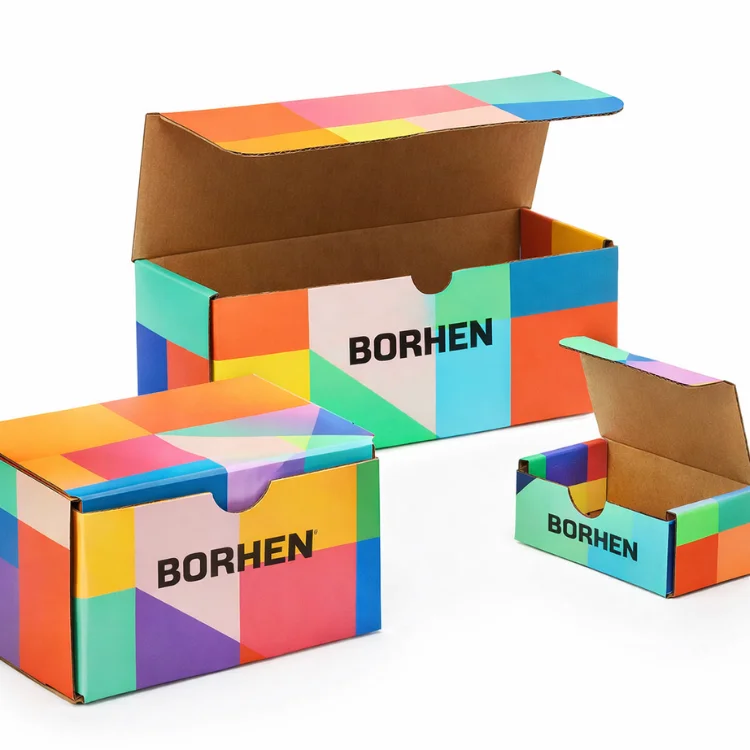
 
Staged Deliveries: How I Reduce Risk Without Slowing the Campaign
One strategy I use often in big promotional programs is staged delivery. Instead of shipping the entire campaign quantity as one all-or-nothing batch, I split it into manageable stages when possible. This creates control. Your team can receive the first batch, validate quality, begin packing, and confirm that everything works as planned before the full volume arrives. Staged delivery also reduces pressure on customs clearance and reduces the risk of one shipping delay blocking the entire campaign. For multi-location programs, staging is especially helpful because different regions may need different delivery timing. The goal is simple: keep the campaign moving forward even if one part of the supply chain slows down.
 
Batch Consistency: Why Campaign Cartons Must Look Identical in “Group Viewing”
Campaign packaging is rarely judged one box at a time. It is judged in groups. In a warehouse, cartons are stacked together. At an event, cartons are displayed together. In a retail campaign, cartons appear side by side on shelves. On social media, cartons appear in rows during unboxing videos and promotional shoots. That means consistency is non-negotiable. A slight color shift might be invisible on a single unit, but it becomes obvious when hundreds are placed together. I always recommend locking a golden sample and comparing every batch against it. I also recommend checking cartons from different parts of the shipment because compression and friction can create visible differences. Campaign consistency is what creates the impression of scale and professionalism.
 
How I Prevent “Last-Minute Fixes” That Create Long-Term Damage
Campaign teams often face last-minute change requests. A date needs updating. A QR code changes. A sponsor logo gets added. A product spec changes. These changes are normal, but they are also dangerous in packaging because the cost of reprint is high and the time impact is brutal. I prevent chaos by setting an early cutoff point for changes and treating everything after that point as a controlled exception. If changes are required late, I evaluate what can be corrected with minimal disruption and what must be frozen to protect the schedule. Campaign packaging fails when teams keep adjusting details until the last moment, because the supply chain cannot keep up with constant revision without sacrificing quality or timing.
 
The Coordination Layer: Why Campaign Packaging Requires a Program Manager Mindset
In large gift and promotional campaigns, packaging touches multiple stakeholders. Marketing wants beauty. Operations wants speed. Procurement wants predictability. Logistics wants durability. Retail teams want consistency. Event teams want easy assembly and display. If nobody is coordinating these priorities, the packaging project becomes a tug-of-war and timelines collapse. That’s why I treat campaign packaging as a managed program. I align the structure, finishing, packing method, delivery schedule, and QC checkpoints into one workflow. When that workflow exists, everyone makes decisions with the full system in mind instead of optimizing only their part.
 
The Most Practical Campaign Packaging Goal: “Fast, Clean, and Repeatable”
A successful campaign carton is not necessarily the most complex carton. It is the carton that can be produced predictably, assembled quickly, delivered safely, and presented consistently. I build campaign cartons around fast assembly structures, durable finishes, and controlled specifications that prevent drift across batches. I also plan delivery staging and inspection checkpoints to protect the campaign from unexpected problems. When packaging is designed this way, the campaign feels calm. The team packs efficiently. The gift experience feels premium. And every unit looks like part of one unified, professional program.
 
What the Best Campaign Cartons Deliver: Confidence at Scale
The biggest difference between a small gift run and a large promotional program is that scale punishes inconsistency. At scale, weak glue becomes carton failure. Small color shift becomes a visible mismatch. Slow assembly becomes a schedule disaster. Poor outer carton packing becomes widespread damage. That is why I plan campaign folding cartons with operational discipline. I don’t just aim for a beautiful box. I aim for a box that can survive real-world handling, execute under deadline, and still look premium when it reaches the recipient. When campaign cartons are built with this mindset, they don’t just support the promotion—they strengthen the brand impression across every touchpoint of the campaign.

Why Partner With Borhen Pack for Your Custom Folding Carton Boxes Program?

When you’re planning a custom folding carton boxes program—whether it’s for a new rollout, a packaging upgrade, or a more stable long-term supply setup—you’re not just sourcing boxes. You’re building a system that affects cost control, packing efficiency, shipping performance, and how confidently you can reorder month after month. And once you’re handling multiple SKUs or multiple clients, small packaging issues don’t stay small. They turn into delays, complaints, damage, and constant “fix-it” work that slows your operation down.
Built for Buyers Who Need Consistency at Scale
 
We work with regional distributors and importers, established brands scaling packaging volume, trading companies and packaging integrators, and gift & promotional project teams—and they all care about the same thing: packaging that stays reliable in real production, not just in a mockup. What we’ve learned is that folding carton programs rarely fail because of one big mistake. They fail because of small decisions that weren’t connected early enough—structures that don’t pack efficiently, artwork that causes production rework, materials that drift between batches, or specs that were never truly locked for long-term repeat orders.
 
Real Production Experience, Not “Catalog Recommendations”
Our recommendations are shaped by what we see every day in real manufacturing workflows. We know which carton structures run smoothly at scale, which finishing choices hold up during export shipping, and where quality problems usually appear when volumes increase. Instead of pushing a long list of styles, we focus on helping you choose formats that actually work for your supply model—strong enough to ship, efficient enough to pack, and stable enough to reorder without headaches.
 
Packaging That Feels Reliable the Moment It’s Touched
A folding carton doesn’t just hold a product—it sends a message. If the board feels weak, the edges crush easily, or the print looks inconsistent, buyers notice immediately. That’s why we design cartons around real-world use: warehouse handling, shelf stacking, e-commerce shipping, and repeat program deliveries. The goal is simple: your packaging should look clean, feel consistent, and perform the same way across every batch—so it builds confidence instead of creating doubts.
 
Structure and Specs Matched to Your Channel and Volume
There isn’t one “best” folding carton box for every program. A distributor program, a retail brand supply chain, a trading company multi-SKU project, and a campaign rollout all require different priorities. That’s why we help you match structure, board, printing coverage, and finishing level to your actual selling channel and operational needs. We also plan with reorders in mind, so the carton you approve today won’t become difficult to reproduce later when volumes grow or timelines get tighter.
 
Production Control That Protects Timelines and Quality
At scale, details decide everything. Small shifts in board, coating, die-cut tolerance, or folding behavior can change how the carton performs—and those changes show up fast when you’re shipping thousands of units. We manage this through clear specifications, controlled sampling, and realistic production planning. It helps reduce last-minute surprises, prevents “sample vs mass production” mismatch, and keeps your projects moving forward with predictable outcomes.
 
Designed for Shipping Efficiency, Not Just Shelf Appearance
Great packaging has to survive distribution. We support export-ready carton programs by thinking through stacking strength, master carton configuration, space efficiency, and damage-risk control. This is where many suppliers stop, but we treat it as part of the job—because a carton that looks perfect but arrives crushed turns into cost, returns, and operational stress. Our goal is packaging that travels well, packs well, and stays clean when it reaches the destination.
 
Flexible MOQs That Help You Start Lean and Scale Clean
Most high-performing packaging programs don’t start huge. They start with a controlled run, then expand based on demand. We support practical starting MOQs from 500 pieces for many carton types, especially when you’re using proven structures and standard materials. If your project requires complex structures, special papers, or heavy finishing, we’ll explain the realistic MOQ requirements clearly—so you can plan properly without guessing. And as you scale, we keep the transition smooth by protecting structure continuity and material consistency across reorders.
 
A Long-Term Custom Folding Carton Boxes Partner, Not a One-Time Vendor
Working with Borhen Pack means you get more than production capacity. You get a team that understands how folding cartons behave at scale—and how buyers actually judge suppliers over time. Many of our clients start with one project, then expand into multi-SKU programs because they want repeatable quality, stable supply, and fewer operational surprises. We don’t just manufacture custom folding carton boxes. We help you build packaging programs that stay consistent, ship reliably, reorder smoothly, and support growth for the long run.

Looking for a Reliable Box Manufacturer?

🔒 Borhen Pack takes your privacy seriously. All information is strictly confidential and used only for technical and commercial communication.
Tell us about your product and volume.
We help brands source structured, bulk-ready packaging with clear quotes and timelines.

Looking for a Reliable
Box Manufacturer?

Tell us about your product and volume.
We help brands source structured, bulk-ready packaging with clear quotes and timelines.

🔒 Borhen Pack takes your privacy seriously. All information is strictly confidential and used only for technical and commercial communication.