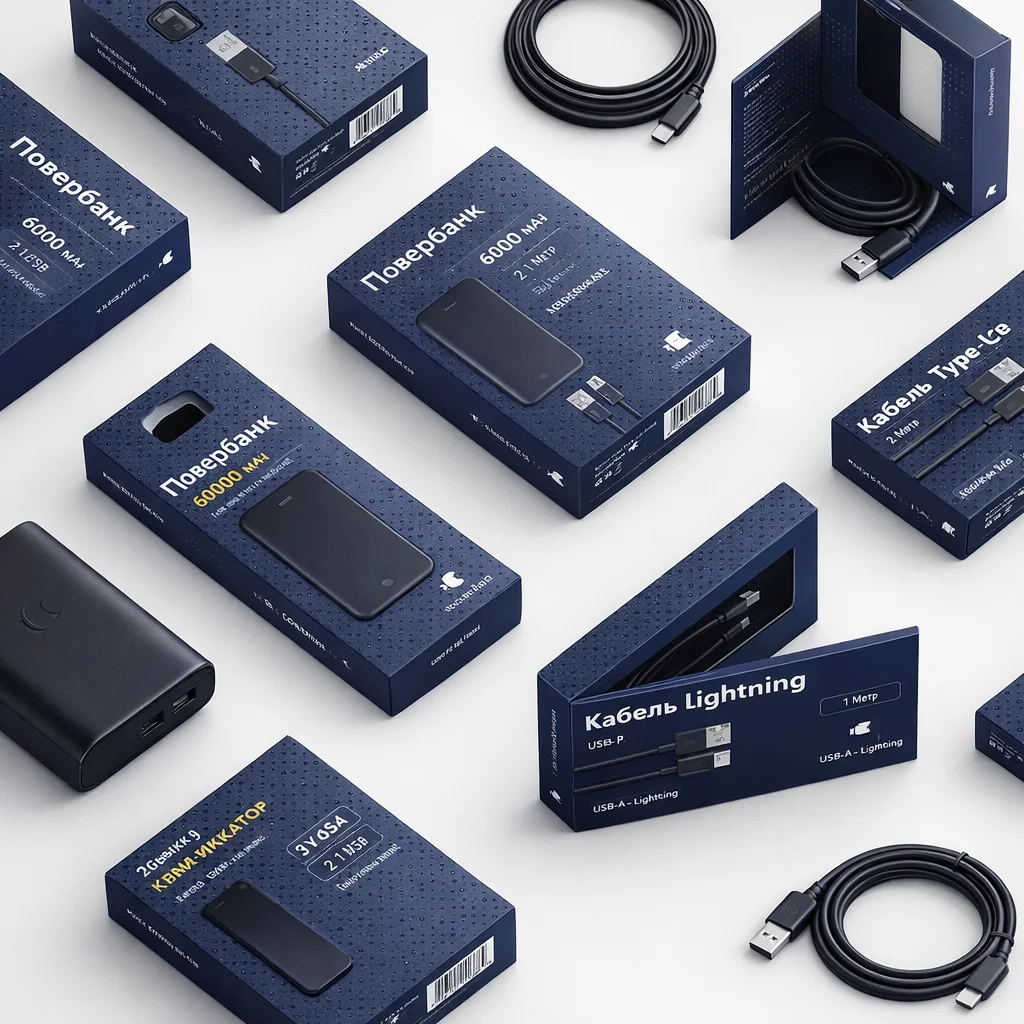
Your Trusted Electronic Packaging Boxes Manufacturer
We help you launch with confidence, start lean with flexible MOQs, and elevate your brand through fully customized Electronic Packaging Boxes—engineered for protection, presentation, and consistent quality as your business scales.


Custom Electronic Packaging Boxes
At Borhen Pack, we understand that a well-made electronic packaging box is never just about holding a product. It’s about protection, precision, and trust — especially when your customers are opening the box for the first time. The strength of the structure, the way components are secured inside, how the lid opens and closes, and even how the packaging feels in hand all influence whether your product feels reliable, professional, and worth the price. That’s why we approach custom electronic packaging from both a brand perspective and a manufacturing execution perspective, not just as a printing or box-making task.
We work with electronics brands, DTC sellers, sourcing teams, and design agencies that need packaging solutions they can actually depend on. From folding cartons for chargers and accessories, to rigid boxes with custom inserts, magnetic closure boxes for premium devices, and protective shipping packaging for e-commerce, we design and manufacture electronic packaging that fits real-world sales channels. Whether your products are sold online, on retail shelves, or shipped directly to consumers, we focus on structural accuracy, material suitability, and consistency across repeat production — so what you approve at sampling is what you receive at scale.
As your manufacturing partner, we don’t just “produce boxes.” We help you turn your product specs, design files, and positioning into electronic packaging that can be manufactured, packed, shipped, and reordered without unexpected issues. Whether you’re launching a new product with controlled MOQs or upgrading your packaging to improve protection and presentation, we guide you through box structures, inserts, materials, and finishes — making sure your custom electronic packaging boxes protect your products, reinforce your brand, and support long-term, scalable growth.

Product Boxes for Electronics

Luxury Electronic Packaging Boxes

Magnetic Closure Electronic Boxes

Shipping & Protective Packaging for Electronics

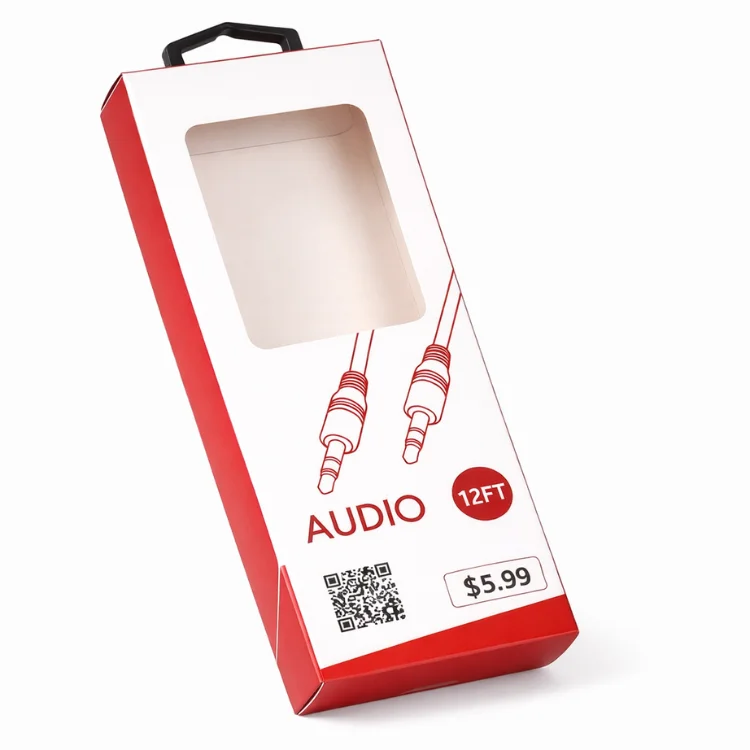
Folding Carton Boxes for Electronic Accessories

Window Retail Boxes for Electronics

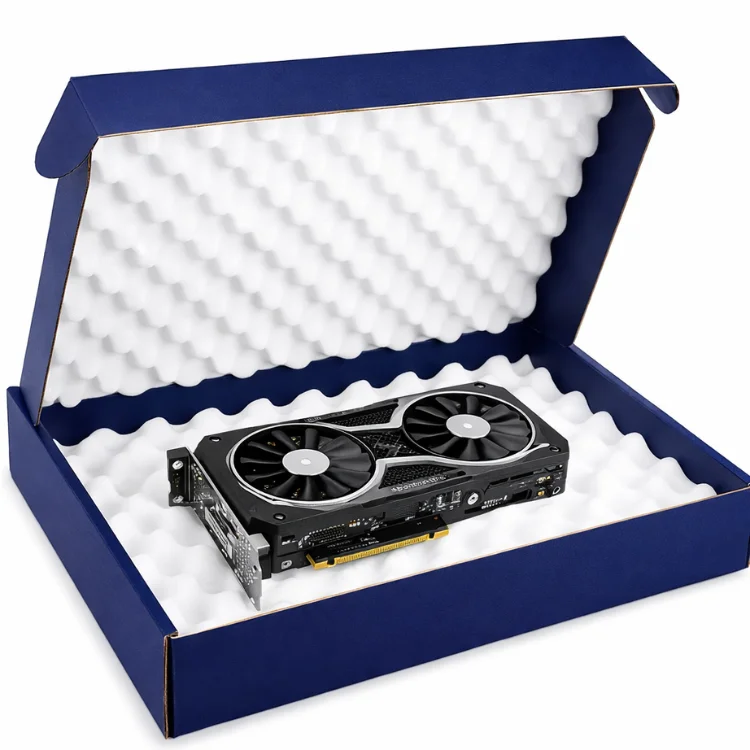
Electronic Packaging Boxes with Inserts

Custom Electronic Packaging Boxes
Build Custom Electronic Packaging Boxes That Truly Support Your Product & Brand
At Borhen Pack, we believe a well-designed custom electronic packaging box does far more than hold a device. It protects your product value, reduces shipping risk, and shapes how your brand is perceived the moment the box is opened. In the electronics market, customers expect packaging that feels precise, reliable, and intentional — strong structures, accurate sizing, secure inserts, clean printing, and a professional unboxing experience. That’s why we manufacture custom electronic packaging boxes based on real product requirements and production logic, not just visual concepts.
Whether you’re launching a new electronic accessory, upgrading from generic stock boxes, or preparing premium packaging for retail or gifting, we help you build packaging that works in real-world conditions. We work closely with electronics brands, DTC sellers, design agencies, and sourcing teams to turn design files and product specs into packaging that can be produced consistently and repeatedly. Our focus is always on structural stability, insert protection, color accuracy, and lead-time reliability — so what you approve in sampling is exactly what you receive in mass production.
We also make sure your custom electronic packaging boxes are production-ready and export-friendly. From material selection and internal protection to box strength and shipping efficiency, we help you test, launch, and scale with confidence. Whether your products are sold through ecommerce, retail channels, or international distribution, our goal is to ensure your packaging remains stable, repeatable, and aligned with long-term brand growth.
💡 Our Most In-Demand Custom Electronic Packaging Box Types
1️⃣ Product Boxes for Electronics – Standard packaging solutions for electronic devices and accessories, designed for protection and branding balance.
2️⃣ Luxury Electronic Packaging Boxes – Premium rigid boxes for high-value electronics, gifting, and brand upgrades.
3️⃣ Magnetic Closure Electronic Packaging Boxes – Clean, gift-ready structures with smooth open-close functionality.
4️⃣ Shipping & Protective Electronic Packaging – Corrugated and reinforced boxes built for ecommerce and international transport.
5️⃣ Folding Carton Boxes for Electronic Accessories – Cost-efficient structures ideal for chargers, cables, and high-volume SKUs.
6️⃣ Window Retail Boxes for Electronics – Display-friendly boxes that showcase products while maintaining protection.
7️⃣ Electronic Packaging Boxes with Custom Inserts – EVA foam, paperboard, or molded pulp inserts for precise product fixation.
8️⃣ Custom Electronic Packaging Boxes – Fully tailored solutions for unique products, multi-component sets, or special requirements.
🎯 MOQ & Customization Options (Built for Real Electronics Brands)
At Borhen Pack, we keep electronic packaging projects practical, flexible, and scalable:
Product MOQ Most custom electronic packaging boxes start from 500–1,000 pieces, depending on structure and materials.
Fully Customized Printing & Materials Custom colors, logo finishes, and specialty materials typically start from 2,000–3,000 pieces.
Customization Options Available
- Box structures (rigid, folding carton, magnetic, shipping boxes)
- Insert materials (EVA foam, paperboard, molded pulp)
- Logo finishes (hot stamping, embossing, debossing, UV)
- Paper types, wrapped finishes, and specialty surface materials
Included Support Every project includes structural recommendations, insert fitting advice, material selection guidance, sampling coordination, and production consistency checks — so your custom electronic packaging boxes protect your products, present your brand clearly, and reorder smoothly as your business grows.

More Than Just a Custom Electronic Packaging Boxes Manufacturer
At Borhen Pack, we don’t just manufacture custom electronic packaging boxes — we help define how your product is experienced from the very first moment it’s opened. Every folding carton, rigid box, magnetic closure box, or custom insert we produce is designed with one goal in mind: to protect your electronics, reinforce product quality, and build trust in your brand across e-commerce, retail, and gifting scenarios.

✅ Build Perfume Packaging the Market Already Accepts
We design custom electronic packaging boxes based on real market usage, not assumptions. By working closely with electronics brands, DTC operators, design teams, and sourcing managers, we understand what actually works in practice — from box structures that ship efficiently, to inserts that secure devices and accessories, to finishes that communicate reliability and precision. Whether it’s packaging for chargers, headphones, smart devices, or premium electronics, we help you launch packaging that fits how electronic products are sold, handled, and reordered in real markets.

✅ Low MOQ That Supports Brand Growth
We make it easier to start smart and scale without friction. Many of our custom electronic packaging box projects can begin from 500–1,000 pieces, making it possible to test new products, launch initial SKUs, or move away from generic stock packaging without heavy inventory pressure. As your volumes grow, scaling to 2,000–3,000+ pieces with fully customized materials, printing, and finishes is straightforward — without changing suppliers or rebuilding your packaging system. The focus is simple: support growth without creating dead ends.

✅ Quality & Consistency You Can Reorder With Confidence
Electronic packaging is not a one-time decision — it’s a repeat system.
That’s why we prioritize production consistency from the very first order. We control materials, structural tolerances, insert fitting, and finishing details so your packaging looks and performs the same across every reorder. The result is packaging that protects your products, minimizes damage risk, and keeps your brand presentation consistent as you scale across SKUs, product updates, and sales channels.

✅ Export-Ready Production for Global Fragrance Brands
We build custom electronic packaging boxes with global distribution in mind. From material strength and box durability to packing methods and shipping efficiency, we help ensure your packaging is ready for international transport. Whether you’re shipping to the US, Europe, the Middle East, or selling through cross-border e-commerce, we help you avoid common packaging issues that lead to delays, damage, or unexpected costs — so your products arrive exactly as your brand intends.
✨ Build Custom Electronic Packaging Boxes That Truly Elevate Your Brand
When you work with Borhen Pack, you’re not just choosing a custom electronic packaging boxes manufacturer — you’re working with a team that understands packaging is part of the product itself. For electronics, the box isn’t an afterthought. It’s where protection, precision, and brand trust all come together. We help turn electronic packaging ideas into boxes that are structurally reliable, visually clean, and ready for global shipping. Our focus is simple: protect the product, present it properly, and keep everything consistent as you scale.
Whether you’re launching a new electronic accessory, moving away from generic stock boxes, or preparing premium packaging for retail or gifting, we design every electronic packaging box to feel intentional. From folding cartons and rigid boxes to magnetic closures and custom inserts, our packaging is built to hold devices and accessories securely, open smoothly, and deliver an unboxing experience that feels professional and trustworthy — the kind customers expect from a quality electronics brand.
🧱 Custom Structures That Support Real Product Value
We don’t believe in one-size-fits-all packaging.
Every custom electronic packaging box starts with how your product is used, packed, displayed, and shipped. We work with proven box structures and adapt them to your specific device — adjusting dimensions, opening styles, insert layouts, and materials to properly protect electronics, components, and accessories.
We guide you through insert options such as EVA foam, paperboard, molded pulp, or plastic-free solutions, helping you balance protection, cost, and presentation. If there’s a better way to improve fit, reduce internal movement, strengthen durability, or simplify packing, we explain it clearly and help you choose the right direction. This practical, collaborative approach ensures your packaging performs better than generic boxes and supports long-term brand credibility.
📦 Packaging That Grows With Your Business
We believe electronic packaging should be launch-friendly and easy to scale. You can start with 500–1,000 pieces using flexible materials and standard structures to test the market or support an initial product launch. As demand increases, scaling to 2,000–3,000+ pieces with fully customized materials, finishes, colors, and logo applications is straightforward — without rebuilding your packaging system from scratch.
Packaging Notes
- Standard custom electronic packaging boxes: starting from 500–1,000 pcs
- Fully customized materials, colors, or finishes: typically from 2,000–3,000 pcs
- Insert customization (EVA, paperboard, molded pulp): matched to product size and protection needs
We coordinate box structures, inserts, printing, and outer cartons so your packaging stays cohesive, retail-ready, and consistent across repeat orders.
⚙️ A Clear, Reliable Production Process
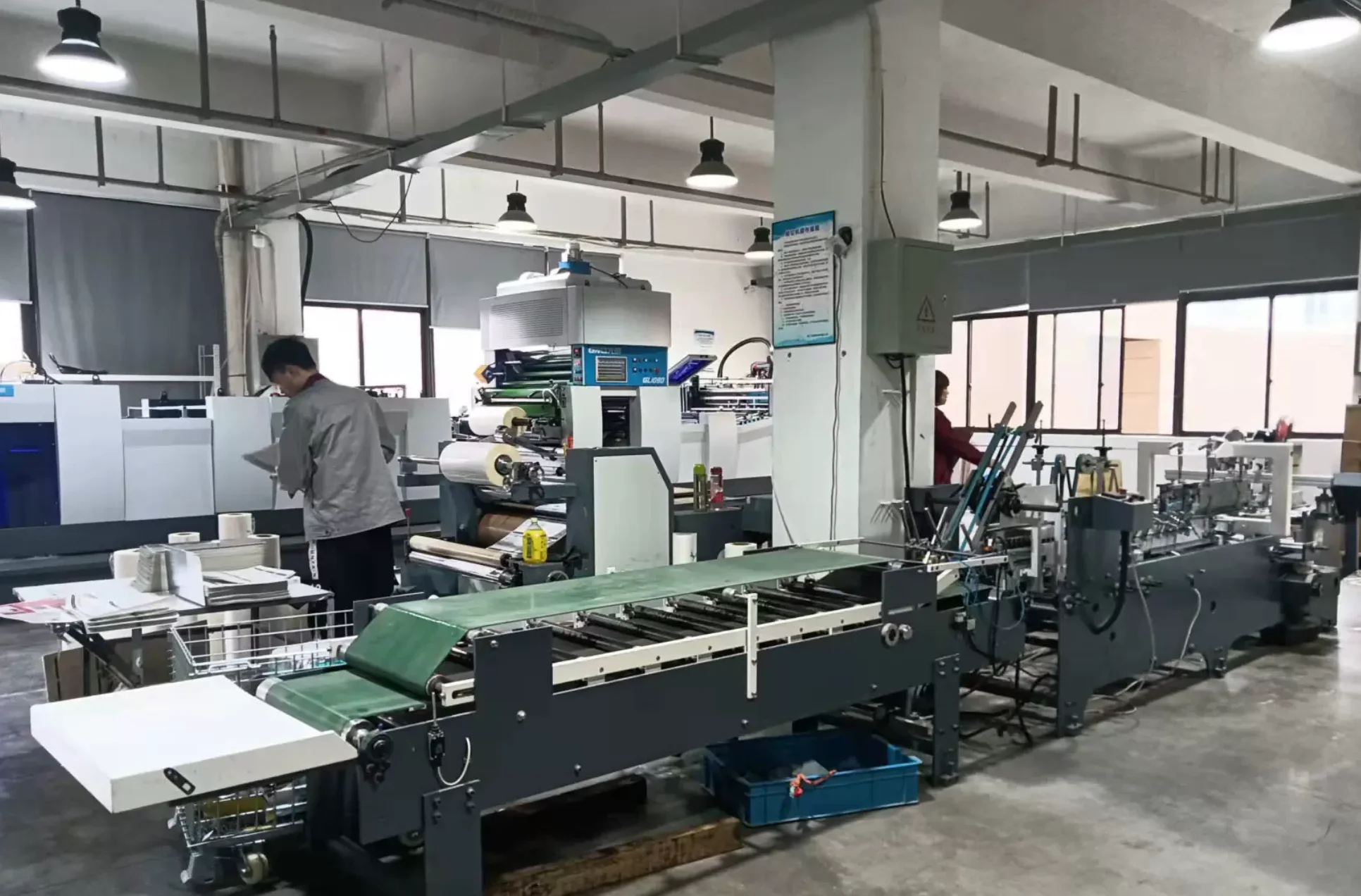
Everything runs through a clear, coordinated workflow — from structure confirmation and sampling to material approval, mass production, and quality checks. We communicate openly, flag potential risks early, and keep timelines realistic. Many clients work with us long-term because we help them avoid common packaging issues that lead to delays, damage, or unexpected costs. For most brands, we become more than a supplier — we act as a dependable extension of their operations team.
🌿 Built for Long-Term Growth, Not One-Off Orders
We measure success by how well your packaging performs over time.
That’s why we focus on stable structures, repeatable materials, flexible MOQs, and production consistency that supports reorders as your product line grows. Whether you sell through e-commerce, retail stores, international distributors, or B2B channels, we help you build electronic packaging that scales smoothly and protects your brand reputation.
With Borhen Pack, your custom electronic packaging boxes are designed to launch smoothly, feel reliable, and grow confidently with your business — not just for one order, but for the long run.

Who We Work With (And Why They Choose Us)
We work with startup founders, DTC sellers, and small creative brands who want to move fast — without worrying about complex supply chains.

For New Brands & First-Time Founders
You’re launching something new — and every dollar matters.
We make packaging simple, low-risk, and ready to test.
- MOQ from 500 units — ideal for first production runs
- Standard structures + custom branding — save time and design cost
- Free material samples — check quality before committing
💡 Why it works: lower upfront cost, faster approval, and clear next steps.

For DTC & E-Commerce Brands
You already know what sells — you just need packaging that fits your fulfillment flow.
- Fast sampling (7–10 days) for quick product drops
- Custom dieline & structural optimization to reduce shipping costs
- FSC-certified luxury finish options for better unboxing experiences
💡 We help you launch faster and look better online.

For Boutique & Established Teams
When you need precision and reliability for your repeat orders.
- Color-controlled reorders to maintain brand consistency
- QC + AQL reports for compliance and documentation
- Dedicated account manager for ongoing coordination
💡 We make sure every batch looks and feels exactly right.
FAQs Electronic Packaging Boxes.
For your convenience, we’ve gathered the most commonly asked questions about our Electronic Packaging Boxes. However, should you have any further queries, please don’t hesitate to reach out to us.
What types of custom electronic packaging boxes do you manufacture?
We manufacture a wide range of custom electronic packaging boxes, including folding cartons, rigid boxes, magnetic closure boxes, shipping and protective boxes, window retail boxes, and multi-component packaging sets. We also produce custom inserts for electronic devices, chargers, cables, accessories, and bundled kits. Whether you need cost-efficient packaging for high-volume SKUs or premium boxes for branded electronics, we can build it.
Can you help us choose the right box structure and insert for our product?
Yes — this is a core part of what we do. You don’t need to know box structures or insert materials in advance. We guide you through proven options and recommend structures and inserts based on product size, weight, fragility, presentation needs, shipping method, and budget. Our goal is to make sure your electronics fit securely, pack efficiently, and look right when opened.
What is your minimum order quantity (MOQ) for custom electronic packaging boxes?
Most custom electronic packaging box projects start from 500–1,000 pieces, depending on structure and materials. For fully customized papers, colors, or special finishes, the MOQ is typically 2,000–3,000 pieces. We always explain these requirements clearly and help you choose a starting point that makes sense for your launch or production plan.
Can we start with a small order and scale up later?
Yes, and this is how many of our clients begin.
We design packaging systems that can scale smoothly, so when you reorder at higher volumes, you don’t need to redesign the box or switch suppliers. Starting small allows you to test the market, and scaling up later keeps your packaging consistent as your business grows.
How long does the production process usually take?
Sampling typically takes 2–3 weeks, depending on structure and materials. Mass production usually takes 20–30 days after sample approval. If you’re working toward a launch date, promotion, or seasonal deadline, let us know early — we’ll help plan a realistic timeline and avoid last-minute surprises.
Can you match our brand colors and logo finishes accurately?
Yes. We support Pantone color matching and a wide range of logo and surface finishes, including hot stamping, embossing, debossing, spot UV, and specialty coatings. We confirm colors, materials, and finishes during the sampling stage to ensure consistency before mass production begins.
Do you offer eco-friendly or sustainable electronic packaging options?
Yes. We provide FSC-certified paper, recyclable materials, molded pulp inserts, and plastic-free packaging solutions. If sustainability is important to your brand or market, we’ll help you balance environmental goals with protection, durability, and cost — without compromising packaging performance.
Are your electronic packaging boxes suitable for international shipping?
Yes. We design electronic packaging with global shipping and distribution in mind. This includes box strength, insert stability, outer carton packing, and volume efficiency. Whether you’re shipping to the U.S., Europe, the Middle East, or other regions, we help reduce damage risk and avoid packaging-related issues during transport.
Do you work with design agencies or clients who already have finished artwork?
Yes. We work with both design agencies and brand owners. If you already have artwork, we review it for production feasibility and flag any potential issues. If you need support with dielines, layout adjustments, or print setup, we guide you so your design translates accurately into the final packaging.
Do you support international clients and global shipping?
Yes, we work with clients worldwide. We support export-ready packaging, coordinate documentation, and assist with international shipping workflows. Whether you’re a brand owner, distributor, or sourcing agent, we’re familiar with global production and communication processes and aim to keep everything clear and predictable.
What impressed us most was how clearly Borhen Pack explained every step of the packaging process. From box structure selection to insert fitting and production timing, everything was transparent and well-managed. The final electronic packaging boxes matched our expectations perfectly, and reordering has been smooth and consistent.
Daniel Rodriguez, Product Development Managerfrom United States
We were moving away from stock packaging and needed something more professional without taking unnecessary risks. Borhen Pack helped us refine the structure, improve protection, and keep costs realistic. The communication was clear, and the packaging we received was exactly what we approved during sampling.
Emily Carter, Operations Directorfrom United Kingdom
Working with Borhen Pack felt very structured and reliable. They understood our electronic products quickly and made practical recommendations for inserts and materials. What we value most is consistency — the packaging quality has remained stable across repeat orders, which is critical for us.
Michael Thompson, Sourcing Managerfrom Germany
Borhen Pack stood out because they think beyond just making boxes. They considered shipping, packing efficiency, and long-term scalability from the start. The electronic packaging boxes were strong, cleanly finished, and well-suited for international distribution.
Lucas Martin, Supply Chain Managerfrom France
We needed custom electronic packaging that looked premium but was still practical for e-commerce shipping. Borhen Pack guided us through structure options and helped balance presentation with protection. The result was packaging that feels trustworthy, performs well in transit, and supports our brand positioning.
Sarah Williams, Head of Product Developmentfrom Canada
Borhen Pack in Numbers
Happy Clients
0 +
Million-dollar Buyers
0 +
Formulation
0 +
Professional Staffs
0 +
Your Ultimate Guide to Electronic Packaging Boxes
If you’re planning to develop or upgrade electronic packaging boxes—whether it’s for a new product launch, a growing DTC brand, or a more established electronics line—you’re not just choosing a box. You’re making decisions that directly affect product safety, customer trust, return rates, and long-term scalability. In electronics, packaging is not decoration. It’s infrastructure. Customers judge quality the moment they open the box, and that first impression often shapes how they feel about the product before it’s even turned on.
We’ve watched electronic packaging evolve from simple protective cartons into a critical part of the product experience. Over the years, we’ve worked with consumer electronics brands launching their first accessories, Amazon and DTC sellers optimizing for fewer returns and better reviews, and ODM/OEM teams preparing packaging that must perform consistently across global markets. In every case, electronic packaging requires far more strategic thinking than most brands expect at the beginning.
This guide is built from what we’ve learned behind the scenes—what actually causes packaging to fail in real shipping conditions, why some designs scale smoothly while others become bottlenecks, how structure and inserts affect cost and protection, and how early decisions around MOQ, materials, and channels quietly determine long-term success. These are the details that don’t show up in mockups, but make a measurable difference once products reach customers.
Table of Contents
What Problems Do Electronic Packaging Boxes Actually Solve?
When I think about electronic packaging, I don’t start with design trends or surface aesthetics. I start with the problems packaging is expected to solve once a product leaves the factory. For electronics brands, packaging is one of the few elements that touches logistics, customer perception, platform compliance, and long-term brand trust at the same time. When these problems are not addressed at the packaging level, they often show up later as returns, negative reviews, or stalled growth.
Product Protection Is About Risk Control, Not Just Damage Prevention
I’ve learned that protecting electronic products is not simply about avoiding visible breakage. Electronics are exposed to vibration, pressure, drops, and repeated handling throughout shipping and fulfillment. If a box structure lacks strength or the internal fit allows even slight movement, the product may arrive intact but already compromised. Scratches, loose components, or internal stress are common results of packaging that looks fine on the outside but fails structurally. Well-designed electronic packaging boxes control these risks early by stabilizing the product, distributing pressure correctly, and preventing movement before it becomes a customer issue.
Packaging Decisions Directly Influence Return Rates
One of the most underestimated roles of electronic packaging is its impact on returns. From my experience, many returns happen not because the product is defective, but because the customer’s first impression creates doubt. A crushed corner, a thin-feeling box, or an awkward unboxing experience signals low quality immediately. Even when the device works, customers are more likely to return it if the packaging feels careless. Strong, well-fitted packaging quietly reduces return rates by reinforcing confidence before the product is even powered on.
Customer Trust Is Built Before the Product Is Used
I’ve seen how packaging shapes trust long before performance is evaluated. For electronics, customers often can’t judge quality instantly, so they rely on signals. Clean printing, precise fit, logical internal layout, and smooth opening all communicate professionalism. When packaging feels intentional, customers assume the brand has paid attention to details elsewhere as well. When it feels generic or rushed, skepticism sets in. Electronic packaging boxes act as the first credibility test, setting expectations that influence how forgiving or critical customers become during setup and use.
Perceived Quality Shapes Reviews and Pricing Power
In practice, packaging has a measurable effect on how customers talk about a product. Reviews frequently mention packaging when it exceeds expectations or fails them. I’ve noticed that heavier materials, tighter tolerances, and secure inserts elevate perceived value without a single marketing claim. This perception affects pricing power over time. Products with strong packaging are less likely to be compared purely on price, while weak packaging pushes even good electronics into commodity territory. Packaging quietly influences how much customers believe a product is worth.
Compliance With E-commerce and Retail Standards Prevents Costly Surprises
Another problem electronic packaging must solve is compliance. E-commerce platforms and retail channels impose strict requirements around durability, labeling, barcodes, and handling. I’ve seen brands approve beautiful samples that fail once they enter automated fulfillment systems. Boxes collapse under stacking pressure, labels scan poorly, or packaging doesn’t survive long-distance transport. These failures often lead to redesigns after launch, which are expensive and disruptive. Packaging that is designed with real distribution conditions in mind prevents these issues before they happen.
Long-Term Consistency Supports Repeat Purchases
Electronic packaging is rarely a one-off decision. Once a product succeeds, packaging needs to be reordered, sometimes at higher volumes, sometimes for new SKUs. I’ve learned that packaging which solves problems only at small scale often breaks down later. Consistency in structure, materials, and fit is what allows brands to grow without constantly revisiting packaging decisions. When customers receive the same quality experience every time, confidence builds naturally, and repeat purchases follow.
Packaging Quietly Shapes Long-Term Brand Growth
Over time, the real value of electronic packaging becomes clear. It reduces returns, protects margins, stabilizes operations, and reinforces brand trust without drawing attention to itself. I see packaging as infrastructure rather than decoration. When it works well, it goes unnoticed, yet everything runs smoother because of it. Electronic packaging boxes that solve real business problems turn packaging from a cost center into a silent driver of long-term growth.
What to Consider Before You Start Designing Electronic Packaging
Before any artwork is opened or box styles are discussed, I always pause to look at the fundamentals. In electronic packaging, most costly mistakes don’t come from bad design taste, but from skipping early decisions that quietly shape everything that follows. When brands rush into visuals without clarifying the basics, packaging often looks good on screen but fails in real-world use, leading to redesigns, delays, and unexpected costs.
Product Dimensions Must Be Treated as Fixed, Not Approximate
The first thing I focus on is exact product dimensions, not estimates. Electronics packaging is far less forgiving than many people expect. A few millimeters of error can affect insert fit, internal stability, and even how smoothly a box opens or closes. I’ve seen designs approved based on preliminary product samples, only to fail when final production units vary slightly in size. Before designing packaging, it’s critical to confirm final dimensions, tolerances, and any protruding parts, because the box and insert must be built around reality, not assumptions.
Understanding Fragility Changes Every Packaging Decision
Not all electronics are fragile in the same way. Some products are sensitive to impact, others to pressure, vibration, or surface abrasion. When I evaluate fragility early, it changes how I think about structure, insert material, and even outer carton packing. Packaging that works for a solid charger may fail completely for earbuds with delicate components or screens. Ignoring fragility at the start often results in packaging that looks premium but provides inadequate protection once shipping begins.
Accessory Count Determines Internal Logic and Cost
I always ask how many components are included in the box and how they are meant to be arranged. Devices rarely ship alone. Cables, adapters, manuals, and extras all need defined positions. When accessory count is not clarified early, inserts become crowded, packing becomes inconsistent, and costs rise unexpectedly. Good electronic packaging design creates an internal layout that feels intentional and easy to pack, rather than forcing everything into a space that was never designed for it.
Shipping Method Should Guide Structure, Not Follow It
One of the most common mistakes I see is designing packaging first and thinking about shipping later. Whether a product is shipped via Amazon FBA, direct-to-consumer fulfillment, or retail distribution changes the requirements dramatically. E-commerce shipping demands stronger structures and better protection, while retail may prioritize shelf presence and visual clarity. When shipping method is decided early, packaging can be designed to survive real handling conditions instead of being retrofitted after problems appear.
Target Price Sets the Boundaries of Good Design
Packaging design always lives within a price range, whether it’s stated or not. I’ve learned that when brands don’t define a target packaging cost early, designs often drift toward complexity that looks impressive but becomes unsustainable. Defining a realistic target price helps guide decisions around materials, finishes, and insert types. The best packaging designs balance appearance, protection, and cost in a way that supports the product’s pricing strategy rather than working against it.
Designing for Scale Prevents Future Redesigns
Even at the earliest stage, I think about what happens if the product succeeds. Packaging that works at small quantities can become problematic at scale if it relies on overly complex structures or rare materials. Designing with scalability in mind means choosing structures and materials that can be reproduced consistently across larger volumes. This foresight helps brands avoid the painful cycle of redesigning packaging just as demand starts to grow.
Early Decisions Shape Whether Packaging Works in Real Life
From my experience, the success of electronic packaging is determined long before the first sample is made. Clarifying dimensions, fragility, accessories, shipping method, and target price creates a foundation that allows design to serve function instead of fighting it. When these considerations are handled upfront, packaging is far more likely to perform well in transit, feel right to customers, and support the brand as it grows.
How Packaging Structure Affects Cost, Protection, and Scalability
When I look back at packaging projects that struggled to scale, the issue was rarely branding or printing quality. Most problems came from structure choices made too early and without a clear understanding of how those structures behave over time. In electronic packaging, structure quietly determines unit cost, protection level, packing efficiency, and whether reorders remain smooth as volumes grow.
Folding Cartons Balance Cost Efficiency and Speed
I often see folding cartons chosen because they look simple, but their real value lies in scalability. Folding cartons are lightweight, space-efficient, and fast to produce, which makes them well suited for high-volume electronic accessories such as chargers, cables, and small devices. From a cost perspective, they offer a lower unit price and reduced shipping volume. However, their protection level depends heavily on insert design and board quality. When folding cartons are used without proper internal support, they may scale well in quantity but fail in protection, leading to damage issues that appear only after fulfillment begins.
Rigid Boxes Communicate Quality but Demand Discipline
Rigid boxes are often associated with premium electronics, and for good reason. They provide excellent structural stability and a strong unboxing experience. From my experience, rigid boxes protect products well and elevate perceived value, but they require careful cost control. They take up more space, require more manual assembly, and increase shipping volume. At small quantities, this may be manageable, but at scale, these factors directly affect logistics costs and packing speed. Rigid boxes scale best when the structure is kept consistent and unnecessary complexity is avoided.
Magnetic Closure Boxes Add Experience but Increase Variables
Magnetic closure boxes sit between folding cartons and rigid boxes in terms of positioning. They create a smooth opening experience and are often used for premium electronics or gift-oriented products. I’ve learned that while magnetic closures enhance presentation, they introduce additional variables into production, including magnet alignment, glue accuracy, and assembly time. These details may seem minor at low volumes, but as quantities increase, even small inconsistencies can slow production and affect repeatability. Magnetic boxes scale best when the structure is simple and well-tested early.
Shipping Boxes Prioritize Protection Over Appearance
Shipping boxes are often underestimated because they are not customer-facing, but they play a critical role in scalability. From my perspective, shipping boxes solve problems that retail packaging cannot. They absorb impact, handle stacking pressure, and protect products during long-distance transport. Choosing the right shipping box structure early prevents damage-related costs later. While they may add to unit cost, they often reduce total cost by lowering returns and replacements. Shipping boxes scale well when they are standardized and optimized for volume efficiency.
Structure Directly Influences Packing Efficiency
One factor that is often overlooked is how structure affects packing speed. I’ve seen packaging that looks excellent but takes too long to assemble or pack. As order volumes increase, packing time becomes a hidden bottleneck. Structures that are intuitive to assemble and easy to load reduce labor costs and error rates. When evaluating structure, I always consider not just how the box looks, but how quickly and consistently it can be packed day after day.
Long-Term Reorder Consistency Depends on Structural Simplicity
Scalability is ultimately about consistency. Complex structures with tight tolerances may perform well once but become difficult to reproduce over multiple reorders. In my experience, packaging that scales smoothly relies on structures that are simple, repeatable, and supported by stable materials. When structure is chosen with long-term reordering in mind, brands avoid surprises and maintain a consistent customer experience as volumes grow.
Choosing Structure Is a Strategic Business Decision
Packaging structure is not just a design choice; it is a strategic decision that shapes cost, protection, and operational stability. I’ve learned that brands who choose structures based on both present needs and future growth avoid the painful cycle of redesigning packaging under pressure. When structure is selected with scalability in mind, packaging becomes a system that supports growth rather than a bottleneck that limits it.
Choosing the Right Insert: Protection vs Cost vs Sustainability
When electronic packaging fails, the root cause is often not the box itself, but the insert inside it. I’ve learned that inserts quietly do most of the real work in electronic packaging. They control movement, absorb shock, guide the unboxing experience, and determine whether a product arrives feeling secure or questionable. Choosing the right insert is always a balancing act between protection, cost, and sustainability, and getting that balance wrong usually leads to problems later.
Why Inserts Matter More Than Most Brands Expect
I often see brands treat inserts as an afterthought, added once the box design is already decided. In reality, inserts should be considered just as early as structure. An insert that fits poorly allows movement, which leads to micro-damage during shipping. An insert that is too rigid or over-engineered increases cost without adding real value. From my experience, the success of electronic packaging depends on how precisely the insert holds the product in place while still allowing efficient packing and a clean presentation.
EVA Foam Inserts Prioritize Protection but Increase Cost
EVA foam is often chosen when maximum protection is the priority. I’ve seen it work extremely well for fragile electronics, devices with screens, or products with irregular shapes. EVA absorbs shock effectively and keeps products firmly positioned. However, it also introduces higher material cost, tooling considerations, and sometimes sustainability concerns. At small volumes, EVA may feel justifiable, but as quantities scale, its cost impact becomes more visible. I’ve learned that EVA makes sense when protection requirements are high and return risk is significant, but it can be unnecessary for simpler products.
Paperboard Inserts Balance Cost and Presentation
Paperboard inserts are one of the most flexible options I’ve worked with. They are cost-effective, recyclable, and suitable for many electronic products that don’t require heavy shock absorption. From a commercial perspective, paperboard inserts scale well and maintain consistency across reorders. They also allow clean internal layouts that feel intentional rather than bulky. However, paperboard offers limited cushioning, so it relies on precise fit and board quality. I’ve found that paperboard works best when product dimensions are stable and shipping conditions are controlled.
Molded Pulp Inserts Support Sustainability Without Sacrificing Structure
Molded pulp inserts have become increasingly popular as sustainability expectations rise. I see them as a middle ground between protection and environmental responsibility. Molded pulp offers better shock absorption than flat paperboard and supports plastic-free packaging goals. That said, it introduces tooling lead times and less flexibility for design changes. Molded pulp makes the most sense when volumes justify the tooling investment and when sustainability is a clear brand priority rather than a marketing afterthought.
Plastic-Free and Hybrid Insert Solutions Require Practical Evaluation
Plastic-free inserts appeal to many brands, but I’ve learned that not all plastic-free solutions are automatically better. Some alternatives increase bulk, reduce protection, or complicate packing. Hybrid solutions, combining paperboard structures with limited cushioning, can sometimes deliver better results than fully plastic-free designs. The key is evaluating how the insert performs in real shipping conditions rather than how it sounds in concept.
Over-Engineering Inserts Often Creates Hidden Problems
One of the most common mistakes I’ve seen is over-engineering inserts too early. Inserts that are too complex slow down packing, increase error rates, and make reorders more difficult. In my experience, the best inserts are often the simplest ones that do the job well. When protection is sufficient and the product feels stable, additional complexity rarely adds value and often becomes a bottleneck as volumes grow.
The Right Insert Is a Business Decision, Not a Material Choice
Choosing the right insert is not about picking the “best” material in isolation. It’s about understanding the product, the shipping environment, the target price, and long-term scalability. I’ve learned that inserts succeed when they align with real-world use rather than theoretical perfection. When protection, cost, and sustainability are balanced thoughtfully, inserts stop being a risk factor and start supporting reliable, scalable electronic packaging systems.
Packaging Design for Amazon, DTC, and Retail: Key Differences
One of the most common mistakes I see in electronic packaging is treating all sales channels the same. A box that performs perfectly on a retail shelf can fail completely once it enters e-commerce fulfillment. Packaging design must respond to how a product is handled, shipped, and evaluated in each channel. When brands design without a clear channel strategy, problems tend to show up later as damage, penalties, or disappointed customers.
Retail Packaging Prioritizes Visibility and Perceived Quality
When packaging is designed for physical retail, the primary job of the box is to communicate value quickly. Customers interact with the product visually before they ever touch it. I’ve noticed that retail packaging focuses on clean presentation, clear branding, and shelf stability. The structure must stand well, the graphics must be legible from a distance, and the box must feel solid in hand. While protection still matters, retail environments typically involve less aggressive handling than e-commerce, so packaging can prioritize appearance and efficient shelf display without overbuilding for shipping stress.
Amazon FBA Packaging Must Survive a Complex Fulfillment System
Packaging for Amazon FBA operates under a completely different set of conditions. Products move through automated systems, conveyors, stacking, and long-distance shipping before reaching the customer. I’ve seen beautifully designed retail boxes collapse, scuff, or deform during this process. Amazon also enforces strict packaging guidelines, and failure to meet them can lead to penalties, relabeling, or rejected inventory. For FBA, packaging must prioritize durability, secure inserts, and structural strength, even if that means sacrificing some visual refinement.
DTC Shipping Puts the Unboxing Experience Under Pressure
Direct-to-consumer shipping adds another layer of complexity. In DTC, the packaging is often both the shipping box and the customer-facing box. I’ve found that this creates tension between protection and presentation. The box must withstand shipping damage while still delivering a positive unboxing experience. If the packaging arrives dented or feels flimsy, customers may question the product quality immediately. Successful DTC packaging balances strength, simplicity, and visual clarity, ensuring the box performs well in transit and still feels intentional when opened.
Designing Without a Channel Strategy Creates Expensive Fixes
One pattern I see repeatedly is brands designing packaging based on one channel and later trying to adapt it for another. A retail box retrofitted for e-commerce often requires additional outer cartons or protective layers, increasing cost and complexity. Similarly, FBA-optimized packaging may feel overbuilt or unattractive in retail. When channel strategy is not clarified early, packaging decisions lead to redesigns, delays, and inconsistent customer experiences across platforms.
Channel Requirements Influence Inserts and Materials
Channel choice also affects insert design and material selection. In Amazon and DTC fulfillment, inserts must hold products firmly in place to prevent movement during shipping. In retail, inserts can focus more on presentation and ease of removal. I’ve learned that ignoring these differences often leads to inserts that either underperform in shipping or feel unnecessarily bulky in-store. Packaging performs best when inserts are chosen with channel-specific handling in mind.
Consistency Across Channels Requires Planning, Not Compromise
Some brands sell across multiple channels and want a single packaging solution. In my experience, this is possible, but only when planned carefully. Instead of compromising between channels, successful brands design packaging that meets the strictest requirements first and then refine presentation where possible. This approach reduces risk and maintains consistency without creating separate packaging systems for each channel.
Channel-Aware Packaging Prevents Hidden Costs
Ultimately, packaging that aligns with the sales channel prevents hidden costs from appearing later. Damaged products, negative reviews, platform penalties, and customer dissatisfaction often trace back to packaging designed without understanding how it would be used. When electronic packaging is designed with Amazon, DTC, or retail conditions in mind from the start, it performs better, scales more smoothly, and supports a stronger customer experience across every touchpoint.
How MOQ Decisions Affect Product Launch and Cash Flow
When I talk to electronics brands about packaging, MOQ is often treated as a technical detail rather than a strategic decision. In reality, minimum order quantities shape how much risk a brand takes on at launch, how much cash is tied up in inventory, and how flexible packaging remains as the product evolves. I’ve learned that many packaging problems begin not with design, but with MOQs that don’t match the brand’s stage or growth plan.
MOQ Is a Risk Management Tool, Not Just a Production Requirement
I see MOQ as a way to control risk at the earliest stage. Committing to a large packaging order before demand is proven locks cash into inventory that may take months to move. For new products, this can create pressure to sell through packaging rather than adapt to market feedback. When MOQs are treated as a strategic choice, brands can limit downside risk while still launching with professional, functional packaging.
Inventory Pressure Quietly Affects Cash Flow
Packaging inventory often sits longer than product inventory, especially during early launches. I’ve seen brands underestimate how quickly packaging ties up working capital. Boxes, inserts, and printed materials cannot be repurposed easily once branded. High MOQs amplify this problem, reducing cash available for marketing, restocking, or product improvements. Lower initial MOQs ease this pressure and keep cash flow healthier during the most uncertain phase of a product’s life.
Packaging Flexibility Matters More Than Early Perfection
Early-stage products rarely stay the same. Dimensions change, accessories are added or removed, and branding evolves. I’ve learned that committing to complex or highly customized packaging too early limits flexibility. When MOQs are high, even small product updates become expensive. Starting with simpler structures and materials allows brands to refine packaging based on real feedback rather than assumptions.
A Phased Approach Reduces Long-Term Packaging Costs
The most sustainable packaging strategies I’ve seen follow a phased approach. Brands begin with practical, test-ready packaging that meets functional needs without excessive customization. Once demand is validated and volumes increase, packaging can evolve toward more premium materials, finishes, or structures. This approach spreads cost over time and ensures packaging investment grows in step with the product rather than ahead of it.
Scaling Becomes Easier When MOQ Is Planned Early
MOQ decisions made early affect how smoothly a brand can scale later. Packaging systems designed to start small and scale up avoid the need for redesigns or supplier changes. I’ve seen brands struggle when their initial packaging works only at low volumes and becomes impractical at scale. Thinking about future MOQs at the launch stage helps prevent bottlenecks as demand increases.
Overcommitting Early Often Slows Growth
One of the most common mistakes I encounter is overcommitting to packaging before the product proves itself. Large MOQs, complex inserts, or specialty finishes may look impressive, but they increase financial risk and reduce agility. In my experience, brands that prioritize flexibility and cash flow early grow faster and with fewer packaging-related setbacks.
Smart MOQ Decisions Support Long-Term Stability
Ultimately, MOQ decisions shape how resilient a product launch is. When packaging MOQs align with demand uncertainty, brands maintain control over cash flow and retain the ability to adapt. I’ve learned that treating MOQ as a strategic lever rather than a fixed constraint allows packaging to support growth instead of limiting it.
2026 Trends in Electronic Packaging: Design, Materials, and Function
When I look ahead to 2026, the most important shifts in electronic packaging are not about bold graphics or dramatic visual changes. They are about practicality. Brands are becoming more disciplined, more cost-aware, and more focused on how packaging performs across logistics, fulfillment, and customer experience. The trends I see forming are driven by efficiency, sustainability, and clarity rather than decoration.
Cleaner Structures Are Replacing Complex Box Designs
One clear trend I notice is the move toward cleaner, more disciplined box structures. In the past, complexity was often mistaken for premium value. Now, brands are realizing that unnecessary folds, layers, and mechanisms add cost and risk without improving performance. In 2026, electronic packaging is increasingly defined by simpler structures that are easier to assemble, pack, and reorder. These cleaner designs reduce production errors, improve consistency, and make scaling more predictable.
Material Reduction Without Compromising Protection
Another important shift is material reduction done intelligently. Brands are under pressure to reduce waste, but not at the expense of product safety. I see more packaging designs that use fewer materials while maintaining structural integrity through smarter engineering. Thinner boards, tighter tolerances, and better insert design are replacing bulkier solutions. This approach lowers material usage, reduces shipping volume, and still delivers reliable protection for electronic products.
Sustainability Is Becoming Functional, Not Symbolic
Sustainability in 2026 is less about claims and more about function. I’ve noticed that brands are moving away from symbolic eco-messaging and focusing instead on packaging that is genuinely recyclable, reusable, or material-efficient. Molded pulp inserts, FSC-certified paper, and plastic-free solutions are being adopted where they actually make sense. The emphasis is on sustainability that performs well in shipping and fulfillment, rather than packaging that looks sustainable but fails in real use.
Packaging Designed for Faster Fulfillment
Fulfillment efficiency is playing a much larger role in packaging decisions. In 2026, electronic packaging is increasingly designed to support faster packing, fewer errors, and smoother handling in warehouses. I see more brands prioritizing intuitive assembly, consistent orientation, and packaging that works well with automated or semi-automated systems. This trend reflects a growing understanding that packaging efficiency directly affects operational cost and delivery speed.
Premium Unboxing Without Excess
The definition of a premium unboxing experience is changing. Instead of layers of packaging and decorative excess, brands are focusing on restraint and precision. I’ve observed that customers increasingly associate quality with simplicity. In 2026, premium electronic packaging feels intentional, minimal, and well-finished, rather than elaborate. A smooth opening, secure fit, and clean presentation often create a stronger impression than extra materials that add little value.
Consistency Is Becoming a Competitive Advantage
As more brands compete in crowded electronics markets, consistency is emerging as a differentiator. I see companies paying closer attention to how packaging looks and feels across repeat orders and product updates. In 2026, packaging systems are designed to be repeatable and stable over time. This consistency reduces operational friction and reinforces brand trust, especially for customers who reorder or purchase multiple products from the same brand.
Function Is Leading Design Decisions
Ultimately, the most important trend I see for 2026 is the shift toward function-led design. Packaging decisions are increasingly evaluated based on how well they support protection, fulfillment, sustainability, and customer experience together. When design serves function rather than competing with it, electronic packaging becomes more resilient, more scalable, and more aligned with long-term business goals.
How to Evaluate Packaging Quality Beyond Samples
I’ve seen many brands feel confident after approving a packaging sample, only to be surprised when mass production arrives looking or performing differently. Samples are important, but they represent only a moment in the process, not the full reality of production. In electronic packaging, true quality is defined by consistency, repeatability, and how well packaging holds up across hundreds or thousands of units, not just how one sample looks on a desk.
Visual Approval Is Only the First Layer of Quality
When I review samples, I treat appearance as the starting point, not the final judgment. Clean printing, sharp edges, and a good overall feel are important, but they don’t reveal how the packaging will behave at scale. A single sample is often produced with extra care and manual attention. Mass production introduces speed, repetition, and variation, which is where weaknesses appear. I always remind brands that visual approval alone cannot predict real-world performance.
Material Consistency Matters More Than Material Type
One of the most overlooked quality factors is material consistency. I’ve seen packaging that looks perfect in the sample stage but feels noticeably different in production because the board density, surface finish, or paper batch changed. Even small variations can affect box strength, color appearance, and how inserts fit. Evaluating quality means understanding whether the materials used can be sourced consistently over time, not just whether they look good once.
Tolerances Determine Whether Packaging Feels Precise or Sloppy
Electronic packaging relies on precision. I pay close attention to tolerances, especially in rigid boxes and insert cavities. A few millimeters of variation may seem minor, but it can cause loose products, tight fits that damage items, or lids that don’t close smoothly. Samples often hide these issues because they are adjusted manually. In mass production, tolerances must be controlled systematically. True quality shows up when boxes feel consistently precise across many units.
Insert Fit Reveals Real Production Control
Insert fit is one of the clearest indicators of packaging quality. I look at how firmly the product sits, whether it shifts when shaken, and how easy it is to place during packing. An insert that works only when positioned carefully is a warning sign. In production, inserts must perform consistently without requiring special handling. Good insert fit reduces damage, speeds up packing, and ensures the unboxing experience feels intentional every time.
Repeatability Is the Real Test of Quality
In my experience, the most important question is not whether a sample looks good, but whether it can be repeated reliably. Packaging quality must hold across reorders, different production runs, and increasing volumes. I’ve seen brands approve samples without considering how easily the same result can be achieved again. Repeatability depends on stable structures, controlled materials, and clear specifications. Without these, quality becomes unpredictable.
Production Reality Exposes Hidden Weaknesses
Mass production introduces conditions that samples never face. Assembly speed increases, manual adjustments disappear, and small inefficiencies become magnified. I’ve learned that packaging which feels forgiving in samples often becomes problematic in production. Evaluating quality means imagining how the packaging behaves when produced at scale, packed quickly, and shipped long distances. If a design relies too heavily on perfect handling, it is likely to fail later.
Quality Evaluation Is About Reducing Future Risk
Ultimately, evaluating packaging quality beyond samples is about risk reduction. I encourage brands to look past surface impressions and focus on consistency, fit, and repeatability. When these elements are solid, packaging performs reliably, reorders stay smooth, and surprises are minimized. True packaging quality is not defined by how impressive a sample looks, but by how dependable the packaging remains over time.
How to Select the Right Electronic Packaging Manufacturer
Choosing an electronic packaging manufacturer is rarely just about finding someone who can make boxes. From what I’ve seen, the real challenge is finding a partner who understands how packaging decisions affect product launches, cash flow, and long-term consistency. Price is easy to compare, but the consequences of choosing the wrong manufacturer usually appear much later, when delays, quality issues, or scaling problems start to surface.
Clear Communication Reveals How Problems Will Be Handled
The first thing I pay attention to is communication clarity. A manufacturer who explains options, limitations, and risks clearly at the beginning is far more valuable than one who simply agrees to everything. In packaging, problems are inevitable, but the way they are communicated makes the difference between a smooth project and a frustrating one. I look for partners who ask detailed questions, confirm assumptions, and explain trade-offs instead of hiding complexity behind vague promises.
Structural Expertise Matters More Than Visual Capability
Many manufacturers can print well, but far fewer truly understand structure. I evaluate whether a manufacturer can explain why a certain box structure or insert works, not just show examples. Structural expertise shows up in how they talk about protection, tolerances, and packing efficiency. When a manufacturer understands structure, packaging decisions are based on function rather than guesswork, which reduces risk as volumes grow.
The Sampling Process Reflects Real Production Thinking
I treat the sampling process as a preview of mass production, not a one-off exercise. A good manufacturer uses sampling to test structure, fit, and materials realistically. I pay attention to whether samples are explained in terms of production feasibility or presented as perfect prototypes. When sampling is approached honestly, it sets accurate expectations and reduces surprises later.
Scalability Should Be Considered From the First Order
One of the most common mistakes I see is choosing a manufacturer that works well at small quantities but struggles as volume increases. I always ask how packaging will be produced at higher quantities and whether materials and structures can be repeated consistently. Scalability is not just about capacity; it’s about systems, consistency, and the ability to maintain quality across reorders.
Consistency Is a Stronger Indicator Than One-Time Quality
A single good order doesn’t prove long-term reliability. I evaluate whether a manufacturer can deliver the same result again and again. Consistency in materials, structure, and finishing matters more than achieving perfection once. Manufacturers who focus on repeatability help brands maintain stable customer experiences over time.
Price Should Be the Outcome of the Right Process
Price is important, but I see it as the result of good decisions, not the starting point. The lowest price often hides compromises in materials, structure, or quality control that become expensive later. When a manufacturer explains pricing transparently and ties cost to clear decisions, it’s easier to judge value realistically.
The Right Manufacturer Supports Better Decisions
Ultimately, selecting the right electronic packaging manufacturer is about reducing uncertainty. I look for partners who help me ask the right questions, understand trade-offs, and plan beyond the first order. When a manufacturer contributes to better decisions rather than just faster quotes, the relationship is more likely to support long-term growth.
Common Electronic Packaging Mistakes Brands Make (and How to Avoid Them)
Over the years, I’ve noticed that most electronic packaging problems are not caused by bad intentions or lack of effort. They come from reasonable decisions made at the wrong time or without enough context. What makes these mistakes costly is that they often appear only after a product has launched, when fixing them becomes expensive and disruptive. Learning from these patterns early helps brands avoid repeating the same cycle.
Designing for Appearance Instead of Real Use
One of the most common mistakes I see is prioritizing how packaging looks over how it actually functions. Beautiful mockups and premium finishes can be convincing, but they don’t reveal how packaging performs during packing, shipping, or repeated handling. I’ve seen designs that photograph well but are awkward to assemble or easy to damage. When packaging is designed first for appearance, it often fails in real-world conditions. Designing for use means thinking about protection, assembly, and handling before visual refinement.
Ignoring Shipping Conditions Until Problems Appear
Another frequent error is treating shipping as an afterthought. Many brands assume that if a box looks solid, it will survive transport. In reality, electronic products experience vibration, compression, and impact throughout fulfillment. I’ve seen packaging that worked fine locally but failed in long-distance or cross-border shipping. When shipping conditions are not considered early, packaging has to be reinforced later, increasing cost and complexity. Planning for shipping from the start prevents damage and avoids expensive fixes.
Choosing Inserts Too Early in the Process
Inserts are often selected based on assumptions rather than testing. I’ve seen brands commit to specific insert materials before finalizing product dimensions or shipping methods. When the product changes or shipping conditions become clearer, the insert no longer fits or protects properly. This leads to redesigns or compromised protection. Waiting until the product and logistics are clearly defined allows inserts to be chosen based on real requirements rather than early guesses.
Underestimating the Impact of Reorders
Many brands focus heavily on the first packaging order and underestimate how often packaging needs to be reordered. I’ve seen initial packaging solutions that worked once but became difficult to reproduce consistently. When materials, structures, or finishes are overly complex, reorders introduce variation and delays. Designing packaging with reorders in mind ensures consistency and reduces operational stress as volumes increase.
Selecting Suppliers Based Only on Price
Choosing a supplier based primarily on price is a mistake that often reveals itself later. I’ve observed that the lowest quote rarely accounts for communication quality, structural expertise, or scalability. When problems arise, low-cost suppliers may struggle to respond effectively. Evaluating suppliers based on their ability to support growth, manage complexity, and maintain consistency reduces long-term risk.
Over-Engineering Packaging Before Demand Is Proven
Another common mistake is over-investing in packaging before a product has validated demand. Premium materials, complex inserts, and special finishes may look impressive, but they increase financial risk and reduce flexibility. I’ve learned that starting with practical packaging and evolving it as demand grows leads to healthier launches and smoother scaling.
Avoiding Mistakes Starts With Better Questions
In my experience, most packaging mistakes can be avoided by asking the right questions early. How will this be shipped, packed, and reordered? What happens if the product changes? Can this scale without redesign? When brands approach electronic packaging as a system rather than a one-time design, they avoid costly missteps and build packaging that supports growth rather than limiting it.
Why Partner with Borhen Pack for Your Custom Electronic Packaging Boxes Program?
If you’re planning to develop custom electronic packaging boxes—whether for a new product launch, a packaging upgrade, or a more scalable supply setup—you’re stepping into one of the most demanding areas of product delivery. Electronic packaging is not just about containment. It shapes first impressions, protects product value, and signals quality before a customer ever powers on the device. In electronics, expectations are high. Customers expect precision, protection, and consistency, and they immediately notice when packaging feels careless or unreliable.
Real-World Experience Across Brands, Channels, and Markets
Over the years, we’ve worked with consumer electronics brands launching their first accessories, Amazon and DTC sellers balancing cost with protection, design teams translating concepts into production-ready structures, and OEM/ODM projects preparing packaging for global distribution. Across all of these scenarios, one thing remains constant: electronic packaging often looks simple, but success depends on many interconnected decisions around structure, inserts, materials, printing accuracy, logistics, and repeatability.
Built From What We See Behind the Scenes
Our approach is shaped by what we see every day inside real production workflows, not by theory or trend presentations. We focus on what actually works in custom electronic packaging manufacturing, where problems tend to appear, and why many issues only surface after launch. From box structures that survive long-distance shipping, to insert designs that keep devices and accessories stable, to material choices that stay consistent across repeat orders, our goal is to help brands make informed decisions before small issues turn into costly setbacks.
Developing Packaging Customers Instantly Trust
We don’t rely on assumptions when developing electronic packaging. Our work is grounded in how electronics are actually sold, shipped, stored, and unboxed across e-commerce, retail, gifting, and international distribution. By understanding how customers interact with packaging—and how fulfillment systems handle it—we focus on packaging that performs reliably, feels intentional, and reinforces product credibility instead of undermining it.
Custom Box Solutions That Reflect Product and Brand Positioning
There is no single “best” electronic packaging box. Different products, price points, and markets require different solutions. That’s why we tailor structure, insert layout, materials, surface finishes, and printing details to match the product’s positioning. Whether the goal is cost-efficient protection, premium presentation, or scalable efficiency, every box is developed with long-term production consistency in mind, not just first-order appearance.
Production Control That Protects Quality and Timelines
Custom electronic packaging involves more variables than most brands expect. Small changes in material, structure, or finish can create meaningful differences in outcome. We manage these variables through clear specifications, controlled sampling, and realistic production planning. This helps reduce surprises during mass production and prevents last-minute changes that can disrupt timelines or inflate costs.
Packaging Designed for Shipping, Storage, and Fulfillment
An electronic packaging box that looks good but ships poorly creates ongoing operational problems. We design packaging with real logistics in mind, including insert stability, outer carton packing, stacking behavior, and volume efficiency. By addressing these factors early, we help brands reduce damage rates, control fulfillment costs, and maintain consistent presentation from factory to end customer.
Flexible MOQs That Support Real Growth Paths
Most brands don’t start at large volumes. They begin with one or two SKUs and grow from there. We support that reality with flexible MOQs that allow market testing without locking brands into unnecessary inventory. As volumes increase, we focus on maintaining structural consistency, material continuity, and production stability so scaling does not introduce new quality risks.
A Long-Term Custom Electronic Packaging Boxes Manufacturing Partner
Working with Borhen Pack means partnering with a team that understands packaging as a system, not just a box. We combine structural expertise, material knowledge, printing accuracy, logistics awareness, and production control to help brands build electronic packaging that performs in the real world. Many of our clients start with a single packaging project and continue working with us as their product lines, channels, and markets expand.
At Borhen Pack, we don’t just manufacture custom electronic packaging boxes. We help brands create packaging that protects products, supports customer trust, ships reliably, and scales smoothly over time—so packaging strengthens the business instead of becoming a bottleneck.
Ready to Start Your Custom Packaging Project?
🔒 Borhen Pack takes your privacy seriously. All information is strictly confidential and used only for technical and commercial communication.