Your Trusted Supplier for Scalable Cosmetic Packaging Boxes
Get custom cosmetic packaging boxes with consistent quality, reliable reorders, and stable supply — so you can launch, restock, and grow with confidence.

Custom Cosmetic Packaging Boxes

At Borhen Pack, we understand that choosing a custom cosmetic packaging boxes supplier is not only about finding someone who can print boxes. It’s about working with a partner who understands how packaging influences your brand, your product presentation, and your long-term supply stability. When a customer receives your cosmetic product, the packaging is often the first thing they see and touch. The structure of the box, the precision of the printing, and the overall finish all contribute to whether your brand feels professional, trustworthy, and worth purchasing again.
 
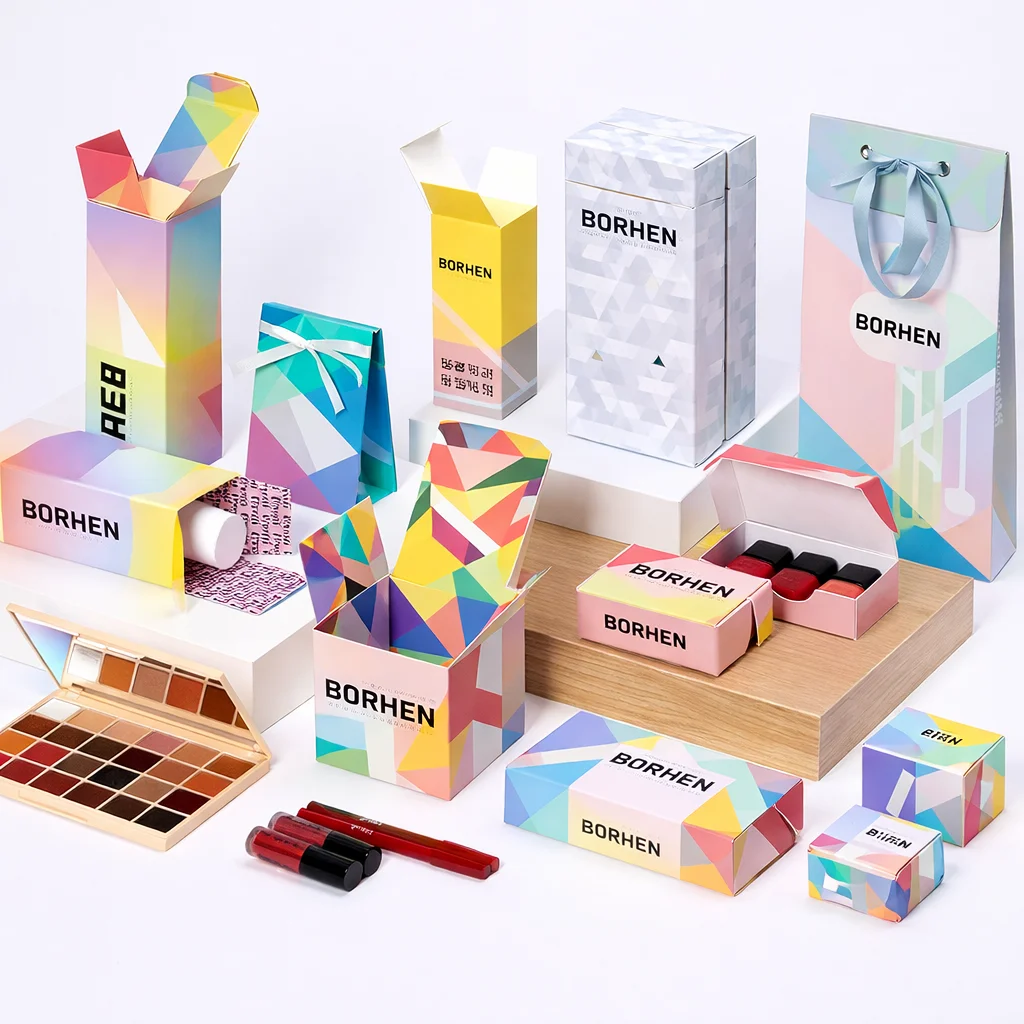
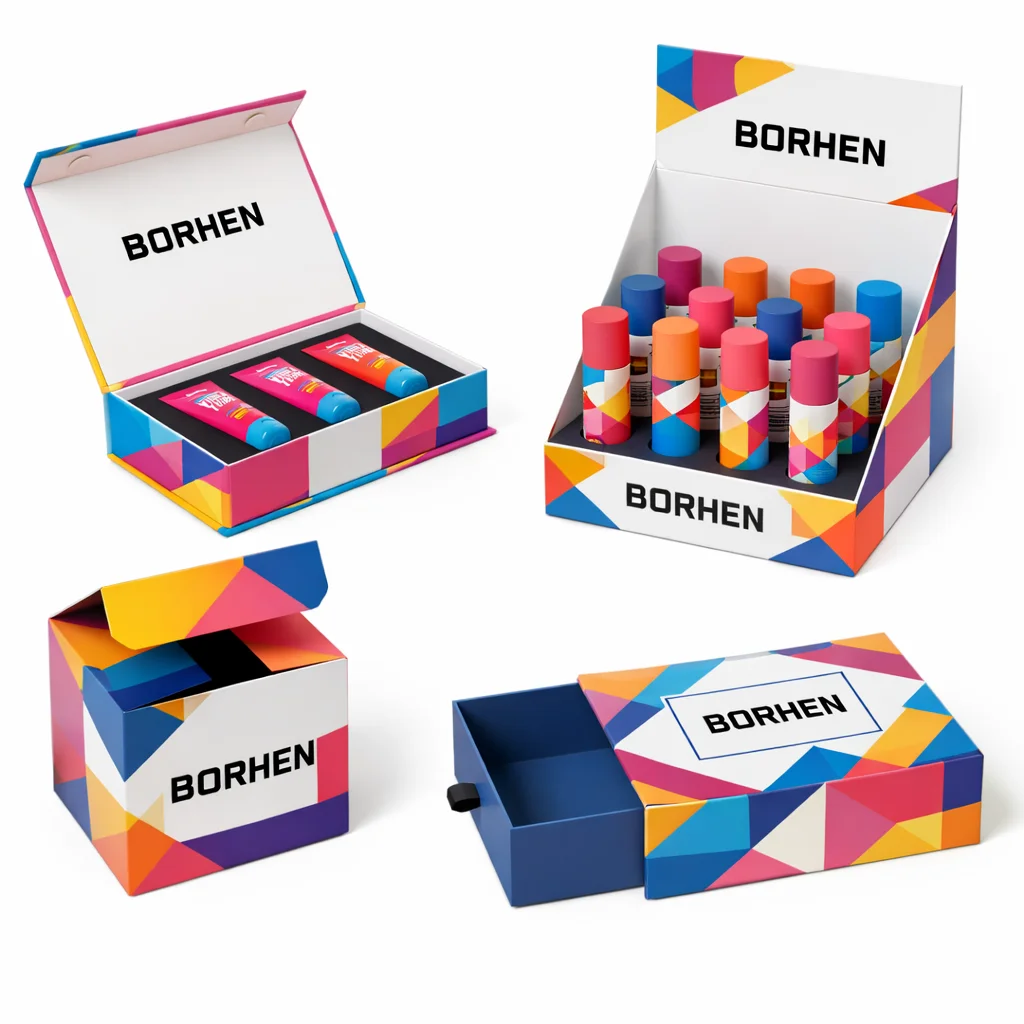
We support a wide range of beauty industry clients, including startup cosmetic brand founders, e-commerce beauty brands, product development managers from established cosmetic companies, and packaging distributors. Each group approaches packaging with different priorities, but they all need the same thing: a supplier who can provide reliable quality, flexible customization, and stable repeat supply. Whether you’re looking for tuck-end cosmetic boxes for skincare bottles, sleeve boxes for minimalist product lines, drawer-style packaging for premium cosmetics, or magnetic gift boxes for promotional sets, we help match the right packaging structure to how your products are sold and presented in the market.
 
As your packaging supplier, our focus is not simply delivering boxes — it is helping you build a packaging solution that works operationally for your brand. That means making sure the packaging design can be produced consistently, shipped safely, and reordered without unexpected changes in quality or structure. Whether you are launching a new cosmetic brand and need manageable order quantities, or expanding an established product line that requires dependable large-scale supply, we guide you through materials, printing options, and packaging structures so your cosmetic packaging boxes enhance product presentation, protect the contents, and support your brand’s long-term growth.

Tuck End Cosmetic Packaging Boxes

Sleeve Cosmetic Packaging Boxes
Drawer (Slide-Out) Cosmetic Boxes
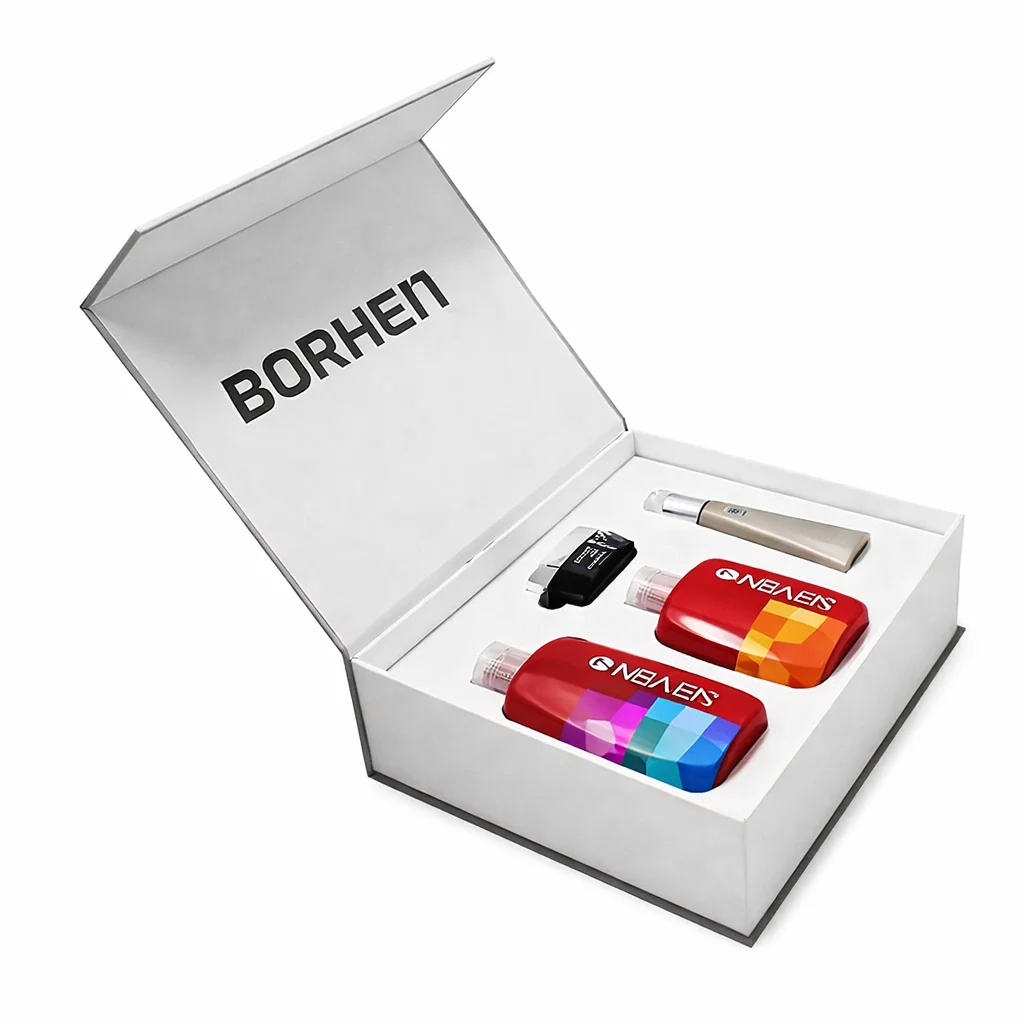
Magnetic Closure Cosmetic Gift Boxes

Build Custom Cosmetic Packaging Boxes That Support Your Brand — Not Just Your Products
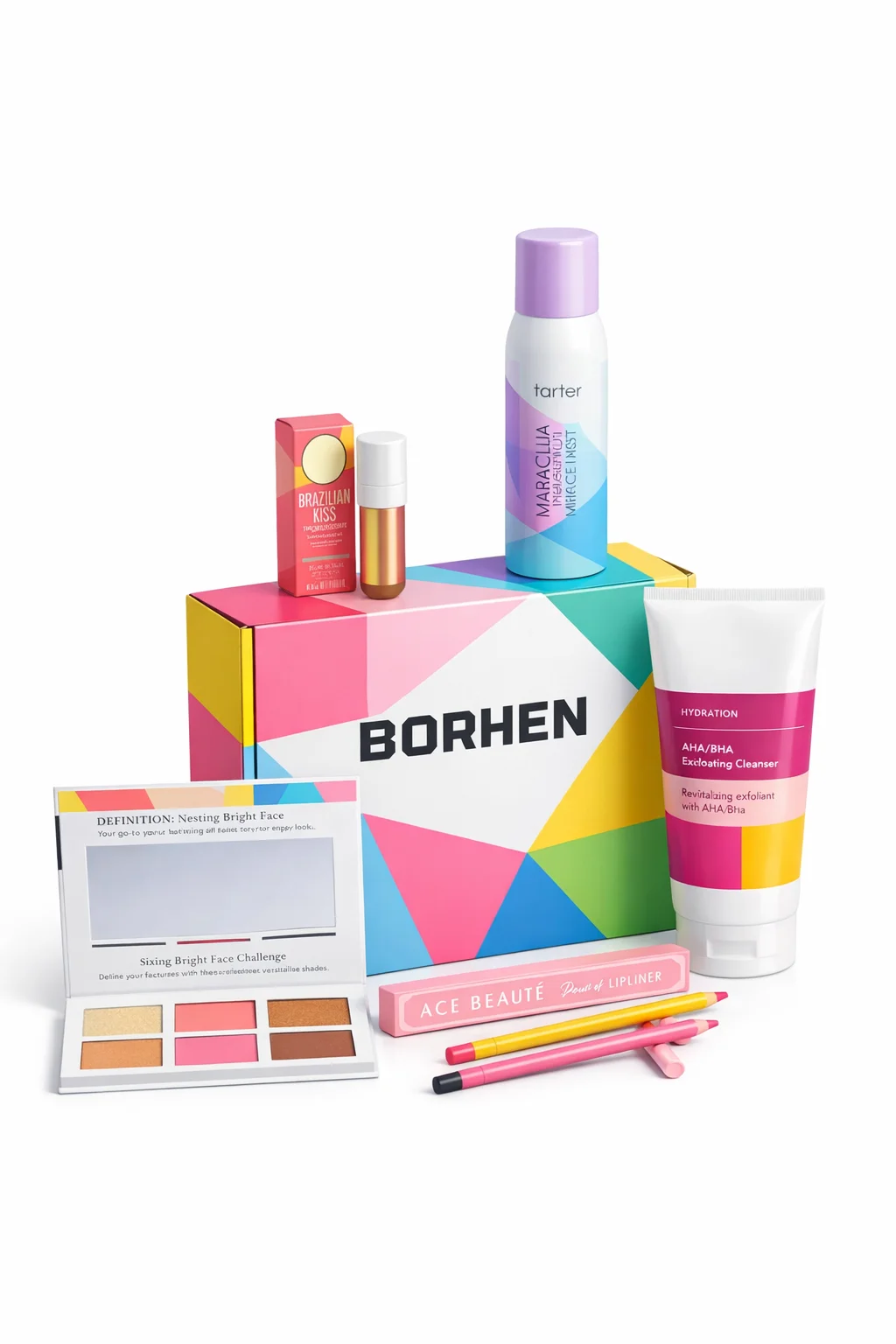
At Borhen Pack, we don’t see custom cosmetic packaging boxes as simple printed cartons. For us, they’re part of how your brand is presented, protected, and consistently delivered to your customers. The structure of the box, the accuracy of the dieline, the print alignment, and even how the carton folds or closes all affect how professional your product feels when someone first picks it up. That’s why we approach cosmetic packaging as a long-term supply solution, not just a one-time box order.
 
We work with startup cosmetic brand founders, e-commerce beauty operators, product development managers from established brands, and packaging distributors who need packaging that performs well in real-world use. Some clients are preparing their first product launch and want packaging that looks premium without creating unnecessary complexity. Others are scaling an existing cosmetic line and need packaging that stays consistent across repeat orders. From tuck-end cosmetic boxes for serums and creams, to sleeve-style packaging, drawer boxes for premium products, and magnetic gift boxes for cosmetic sets, we focus on structures that balance brand presentation, product protection, and production stability.
As your packaging supplier, our role is to help translate your packaging concept into a solution that works smoothly in practice. We guide structure selection, material choices, printing finishes, and production details so your cosmetic packaging boxes are easy to approve, consistent in large production runs, and reliable to reorder when your product line grows. Whether you’re launching a new skincare product, expanding an e-commerce beauty brand, managing packaging development for an established cosmetic company, or sourcing boxes for multiple clients, our goal is the same — to ensure your packaging supports your brand image and scales without unnecessary complications.
 
Our Most Requested Custom Cosmetic Packaging Box Types
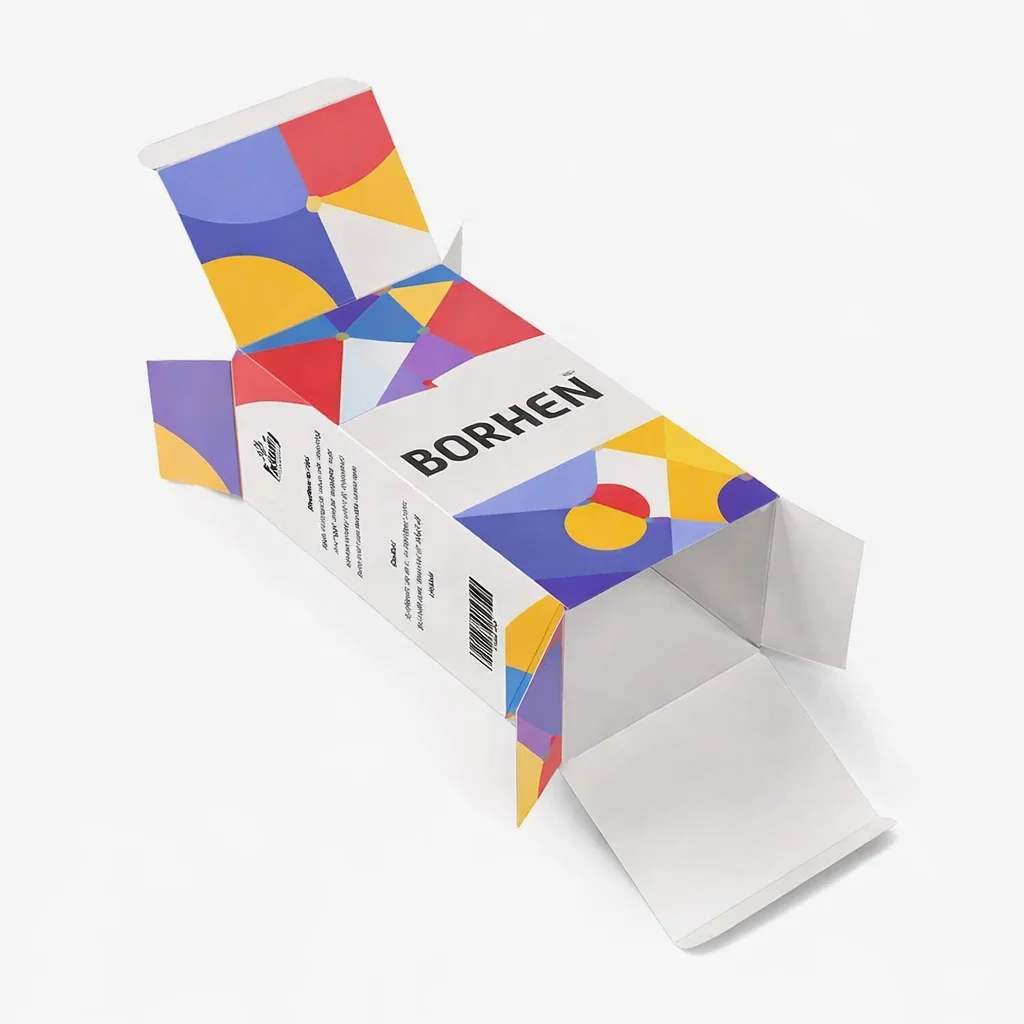
Custom Tuck End Cosmetic Boxes Widely used for skincare bottles, serums, and cosmetic products, offering a clean branded appearance with efficient production and easy assembly.
Custom Sleeve Cosmetic Packaging A modern packaging format where a printed sleeve slides over the product or inner tray, creating a minimalist and refined brand presentation.
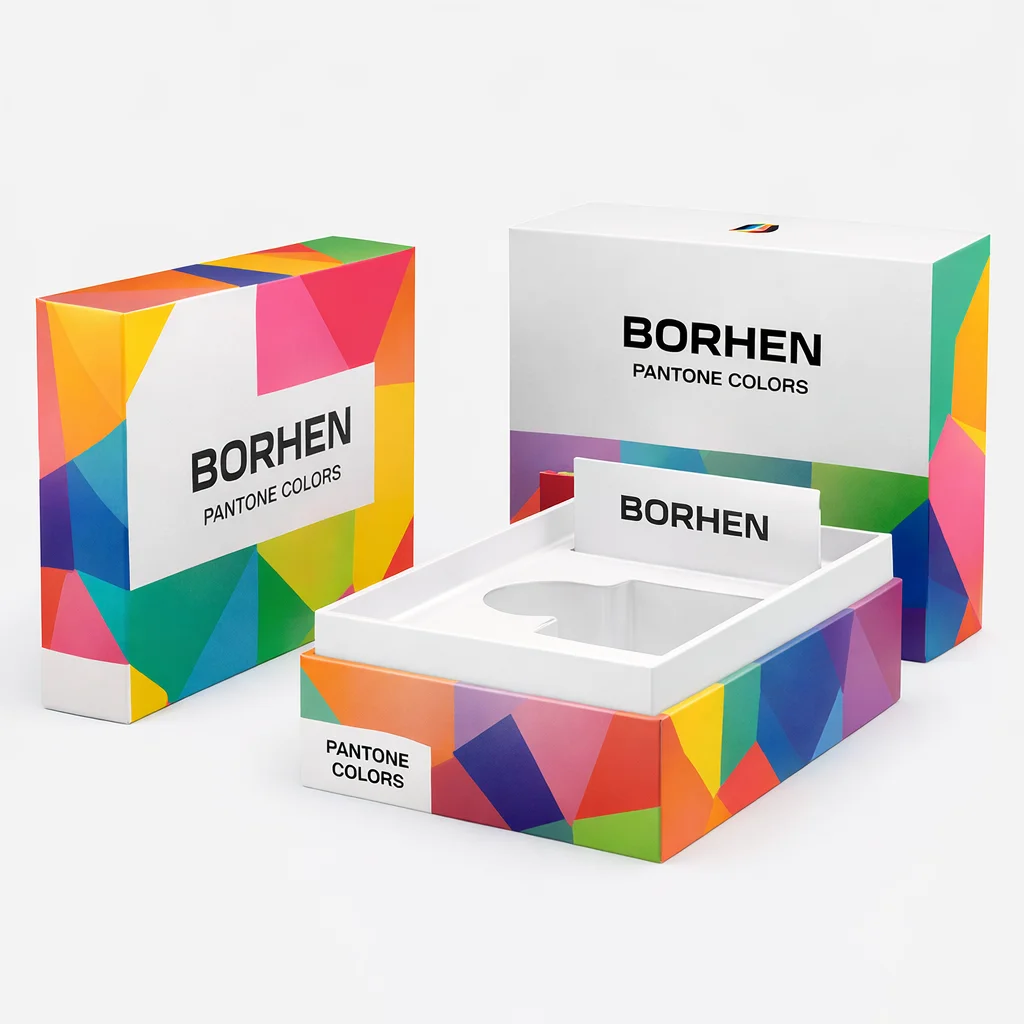
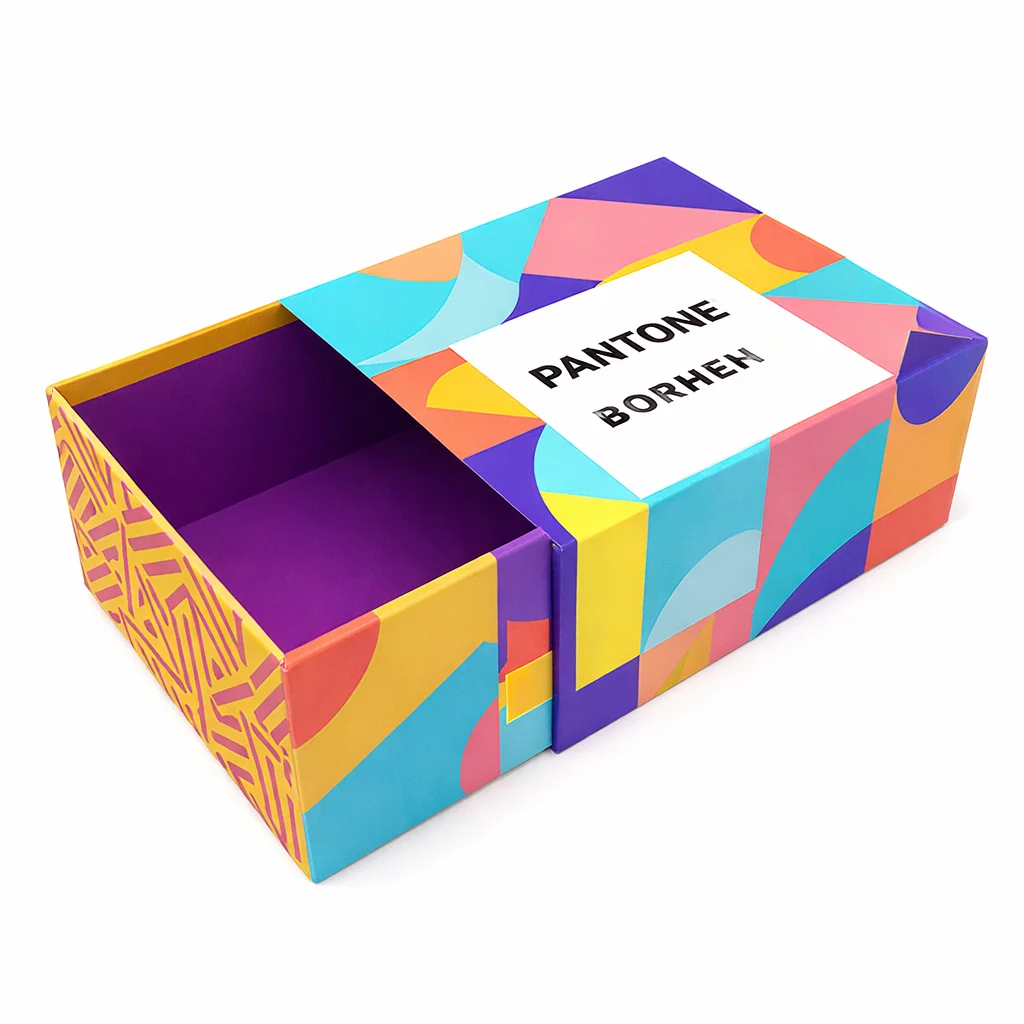
Custom Drawer Cosmetic Boxes Slide-out style packaging often used for premium skincare products, designed to enhance the unboxing experience while protecting delicate containers.
Custom Magnetic Cosmetic Gift Boxes Rigid magnetic closure boxes designed for luxury cosmetic sets, PR kits, and promotional launches where presentation and structure both matter.
 
MOQ & Customization Options — Designed for Brands at Different Growth Stages
At Borhen Pack, we understand that cosmetic brands operate at different stages of growth. Our standard MOQ typically starts at around 500 pieces, making it realistic for new product launches, small production runs, or packaging testing before scaling. For more complex structures, specialty materials, or premium finishing techniques, higher MOQs may apply to maintain production stability and cost efficiency.
Every packaging project includes support with structure selection, dieline coordination, material recommendations, printing and finishing guidance, and sampling verification. Our goal is to ensure your custom cosmetic packaging boxes remain consistent across repeat orders, easy to reorder as demand grows, and practical for long-term supply. Whether you are launching a new cosmetic product line or managing ongoing packaging supply for an established brand, we help make the process clear, predictable, and scalable.

More Than Just a Custom Cosmetic Packaging Boxes Supplier
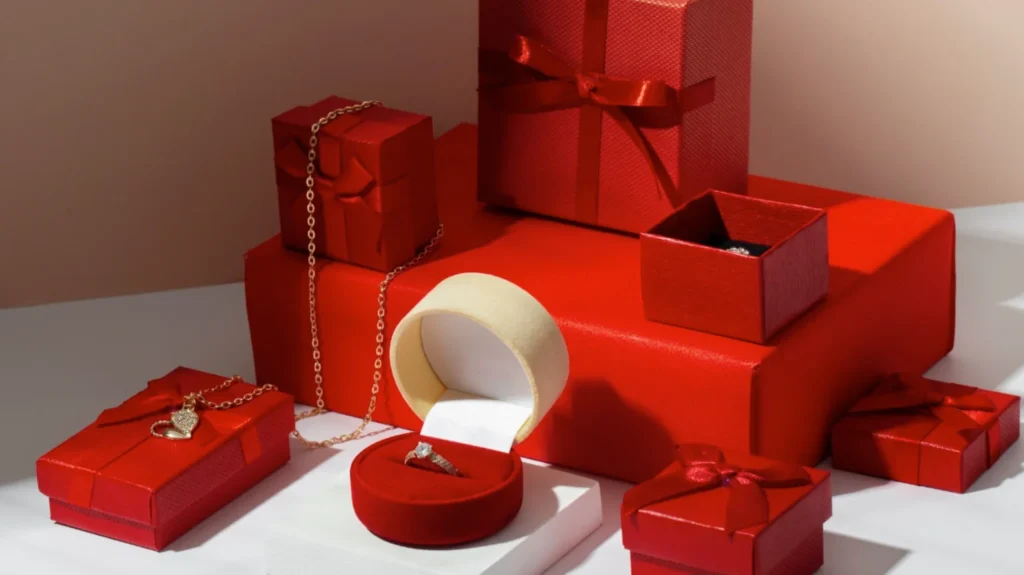
At Borhen Pack, we don’t treat custom Cosmetic Packaging Boxes as a one-time packaging order. We see them as part of how your brand actually operates over time. Once packaging moves beyond a single production run, details like box structure accuracy, material stability, color consistency, and how easily boxes assemble all start to matter just as much as the visual design. That’s why we focus on how cosmetic packaging performs in real supply situations — sampling, bulk production, shipping, and repeat orders — not just how the box looks in the first prototype.

✅ Built Around How Shipping Programs Really Work
We support cosmetic brands and packaging buyers who need packaging that works smoothly in real product launches and ongoing supply programs. That means focusing on practical details like clean folds, accurate dielines, reliable closures, and structures that protect bottles, jars, and cosmetic containers during shipping. What you approve during sampling should move into mass production without unexpected adjustments or structural issues when volume increases.

✅ Practical MOQs That Support Testing and Growth
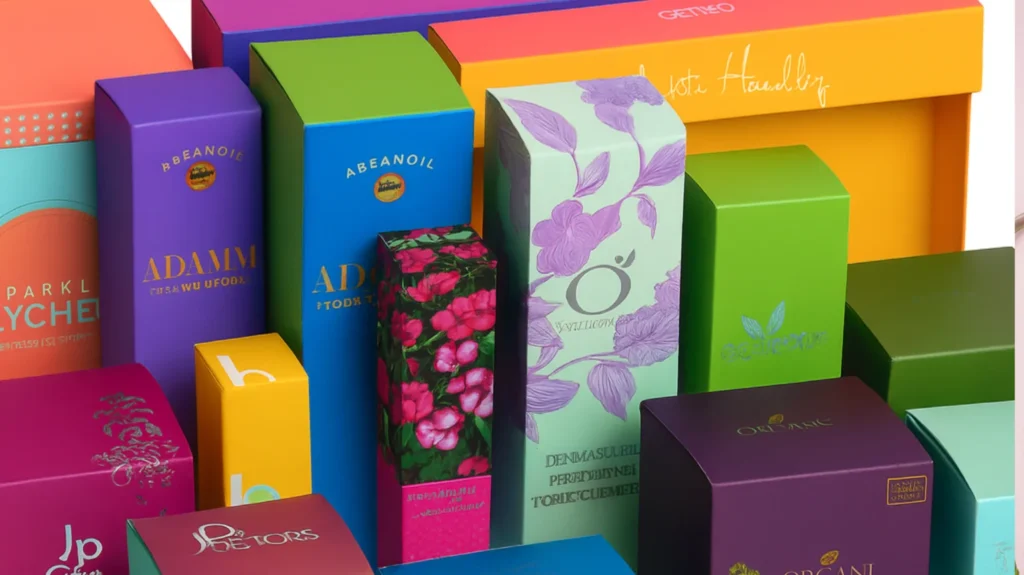
We understand that cosmetic packaging needs vary depending on your stage of growth. Our typical starting MOQ is around 500 pieces, which works well for startup cosmetic brands testing a new product launch or e-commerce beauty brands introducing a new SKU. For more complex packaging structures, premium materials, or advanced printing finishes, higher MOQs may be necessary to maintain production stability. We explain these requirements clearly so you can plan packaging decisions with confidence.

✅ Consistency You Can Rely On for Repeat Orders

For cosmetic brands and distributors, packaging consistency is critical. Color variations, structural differences, or finishing inconsistencies can affect how your brand appears on the shelf or online. We focus on controlling materials, print output, structural tolerances, and finishing details so every production run stays aligned. When you reorder cosmetic packaging boxes, the process should feel predictable and repeatable, not uncertain.

✅ Export-Ready Manufacturing for Cross-Border Supply

Many of the brands we support sell products across borders through e-commerce, retail distribution, or international wholesale programs. From carton durability and packing methods to load efficiency and transit protection, we prepare cosmetic packaging with global logistics in mind. The result is packaging that travels well, arrives clean, and supports stable long-term supply relationships for cosmetic brands, product teams, and packaging distributors.

Build Custom Cosmetic Packaging Boxes That Support Growth — Not Just Design
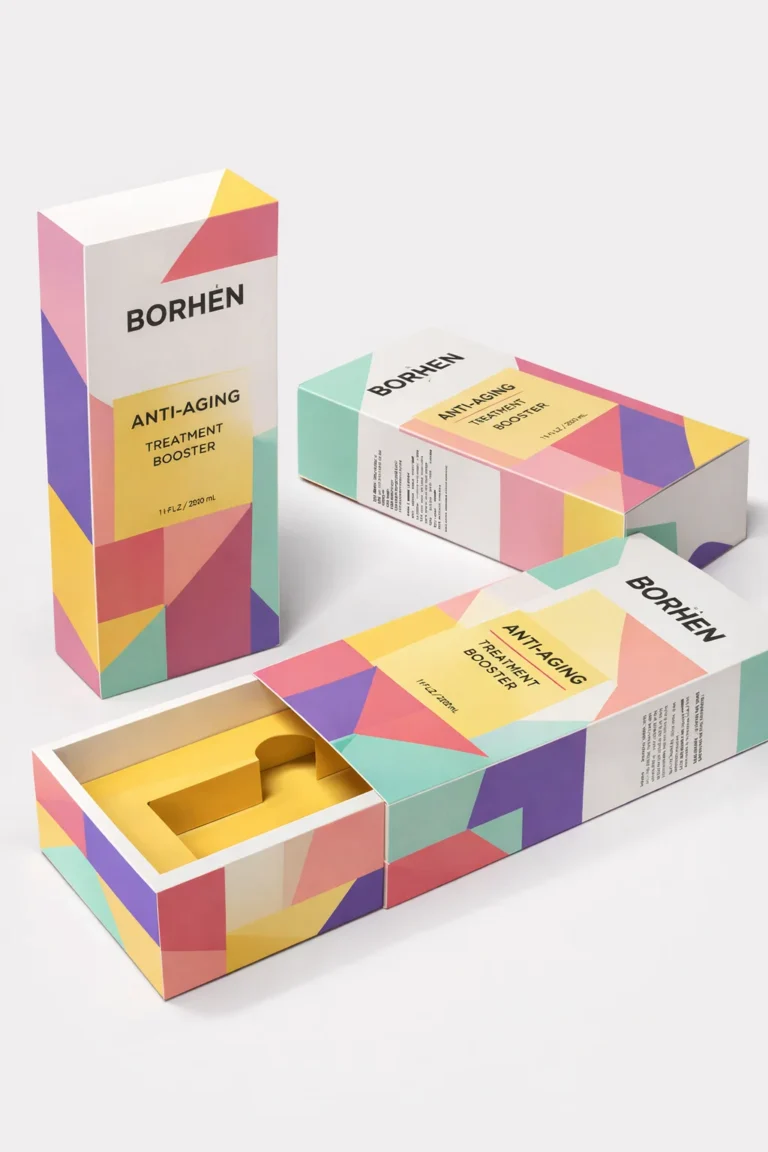
When you work with Borhen Pack, you’re not simply choosing a custom Cosmetic Packaging Boxes supplier. You’re working with a team that understands what happens to packaging once it enters real product launches and supply programs. Cosmetic packaging isn’t only about appearance — it affects how confidently you can launch a product, how consistently your brand looks across SKUs, and how smoothly packaging can be reordered as your business grows. Our focus is straightforward: provide cosmetic packaging boxes that present your products professionally, protect them reliably, and remain consistent as volumes scale.
 
Whether you’re preparing a first cosmetic launch, upgrading packaging for an e-commerce beauty brand, managing packaging development for an established cosmetics line, or sourcing boxes for multiple clients, we approach every project with real execution in mind. From tuck-end cartons for serums and creams to sleeve packaging, drawer boxes for premium cosmetics, and magnetic gift boxes for cosmetic sets, we prioritize structures that balance brand presentation, product protection, and supply reliability.
Structures Designed for Real Cosmetic Packaging Needs
We don’t treat cosmetic packaging boxes as one-size-fits-all. Every project begins with understanding how your product is displayed, shipped, and handled. Cosmetic packaging must fit bottles, droppers, pumps, or jars precisely while still allowing space for branding, labeling, and protective structure. We start with proven carton structures and then refine dimensions, board thickness, closure styles, and internal fit to match real product use.
If there’s a practical way to improve product protection, enhance shelf presentation, or simplify packing, we explain the options clearly. The goal is cosmetic packaging boxes that perform consistently across repeat orders — not samples that only look good in photos but become difficult to reproduce later.
 
Packaging That’s Practical to Launch — and Ready to Scale
We believe cosmetic packaging should be realistic for brands at different growth stages. Many projects can start from around 500 pieces, making it possible for startup cosmetic brands to launch new products without unnecessary risk. As product demand grows, scaling production to larger quantities, upgraded materials, or premium finishes becomes straightforward.
When a design involves more complex structures or specialty materials, we explain the production requirements early so expectations stay aligned. Growth should feel structured and predictable — not disruptive to your packaging supply.
 
A Supply Process Focused on Consistency
Reliable packaging supply requires more than just printing capability. Our process is built around clarity and consistency, from structure confirmation and dieline development to sampling, printing, finishing, and quality checks. We keep communication transparent so that what you approve during sampling is what you receive during production.
For cosmetic brands and distributors, this consistency is essential. Packaging should look the same across batches, maintain color accuracy, and preserve structural integrity over time. When it’s time to reorder, the process should feel familiar and dependable rather than uncertain.
 
Built for Ongoing Cosmetic Packaging Programs
We measure success by how well your cosmetic packaging boxes perform over time, not just during the first production run. Stable structures, controlled materials, reliable printing output, and packaging that travels well across international shipping conditions are all part of that reliability.
Whether your cosmetic packaging is used for direct-to-consumer shipping, retail display, influencer kits, or international distribution, our goal is to support packaging that works smoothly in real use. The result is packaging that maintains your brand presentation, protects your products, and supports long-term growth — not just for one order, but for every reorder that follows.

FAQs Cosmetic Packaging Boxes

For your convenience, we’ve gathered the most commonly asked questions about our Cosmetic Packaging Boxes . However, should you have any further queries, please don’t hesitate to reach out to us.
1. What types of custom cosmetic packaging boxes can you supply?
We supply a wide range of custom cosmetic packaging boxes, including tuck-end folding cartons for skincare bottles, sleeve boxes, drawer-style boxes, and magnetic closure gift boxes.
These structures are commonly used for products like serums, creams, essential oils, cosmetics, and skincare sets. Some clients need simple folding cartons for everyday products, while others prefer premium rigid boxes for luxury launches or gift collections.
Our role is to help you choose the structure that fits both your product and your brand positioning.
Yes — and in many projects, this is where we add the most value.
Most brand owners know their product well, but they don’t always know which paper box structure will protect it best or present it properly on shelves.
We usually start by understanding your product type, container size, and brand positioning, then recommend structures that balance presentation, protection, and production practicality.
Most projects typically start from around 500 pieces, depending on the box structure, materials, and printing finishes.
For highly customized packaging — such as special paper materials, unique finishes, or complex structures — the MOQ may increase to maintain stable production quality and reasonable costs.
We always explain these details clearly so you can choose a starting quantity that works for your launch or production plan.
Yes, and many of our clients take exactly this approach.
Startup cosmetic brands and new product launches often begin with a controlled initial order to test packaging in the market. Once sales grow, scaling to larger production quantities becomes straightforward.
When we design the packaging structure, we always keep future reorders and volume increases in mind, so you don’t need to redesign everything later.
In most cases, sampling takes around 2–3 weeks, depending on the box structure and finishing details.
After the sample is approved, mass production usually takes about 20–30 days.
If your packaging is tied to a product launch, promotional campaign, or seasonal release, it’s helpful to discuss timelines early so we can plan production realistically.
Yes. Color accuracy and brand consistency are critical for cosmetic packaging.
We support Pantone color matching and a variety of finishing techniques such as hot foil stamping, embossing, debossing, spot UV, and specialty coatings.
During the sampling stage, we confirm materials and finishes so the final production run matches the look and feel you approved.
Yes. Many cosmetic brands today are actively looking for sustainable packaging solutions, and we support that direction.
We offer options such as FSC-certified paper, recyclable carton materials, and plastic-free packaging structures.
If sustainability is part of your brand message, we can help you balance environmental considerations with durability, appearance, and cost control.
Yes. Even though cosmetic packaging is primarily for presentation, it still needs to protect products during transportation.
We consider factors like board thickness, structural stability, and outer carton packing methods so the packaging performs well during shipping and storage.
This is especially important for brands selling through e-commerce or international distribution channels.
Yes, we regularly work with design studios, brand creative teams, and packaging agencies.
If you already have finished artwork, we review it to ensure the design works properly for printing and production. If needed, we also help with dielines, layout adjustments, and print setup so the final packaging matches your original concept.
Yes, most of our projects involve international clients.
We regularly support cosmetic brands, sourcing managers, and packaging distributors across North America, Europe, and other global markets.
Our process includes export-ready packaging, shipping coordination, and clear communication throughout production, so the entire project remains predictable and easy to manage.

Borhen Pack in Numbers

Happy Clients
0 +
Million-dollar Buyers
0 +
Formulation
0 +
Professional Staffs
0 +

Your Ultimate Guide to Shipping Boxes

If you’re searching for custom cosmetic packaging boxes, chances are you’re not just looking for someone to print a box. You’re trying to figure out how to package your products in a way that actually works for your brand — something that protects your cosmetics, presents them professionally, and can be reordered consistently as your business grows. Cosmetic packaging sits at the intersection of branding, logistics, and manufacturing. The structure of the box, the paper material, the printing accuracy, and even how easily the box assembles can influence everything from product perception to packing efficiency and shipping reliability.

Over the years at Borhen Pack, we’ve worked with many different types of clients building cosmetic packaging programs. Some are startup founders launching their first skincare or makeup product and trying to understand how packaging fits into their brand identity. Others are e-commerce beauty operators who need packaging that looks clean in product photos but is also efficient to ship. We also support product development managers at established cosmetic brands who require stable packaging specifications across multiple SKUs, as well as distributors who need packaging that can be reordered reliably across different markets. In each case, cosmetic packaging boxes involve more strategic thinking than most people expect at the beginning.

This guide is based on what we’ve learned while supporting those packaging programs behind the scenes. We’ve seen how small structural decisions affect packing speed and logistics costs, how material choices influence the perceived quality of a product, and how printing consistency becomes critical once a cosmetic line begins scaling across multiple production runs. Cosmetic packaging may look simple from the outside, but designing it properly requires balancing brand presentation, product protection, manufacturing practicality, and long-term supply stability.
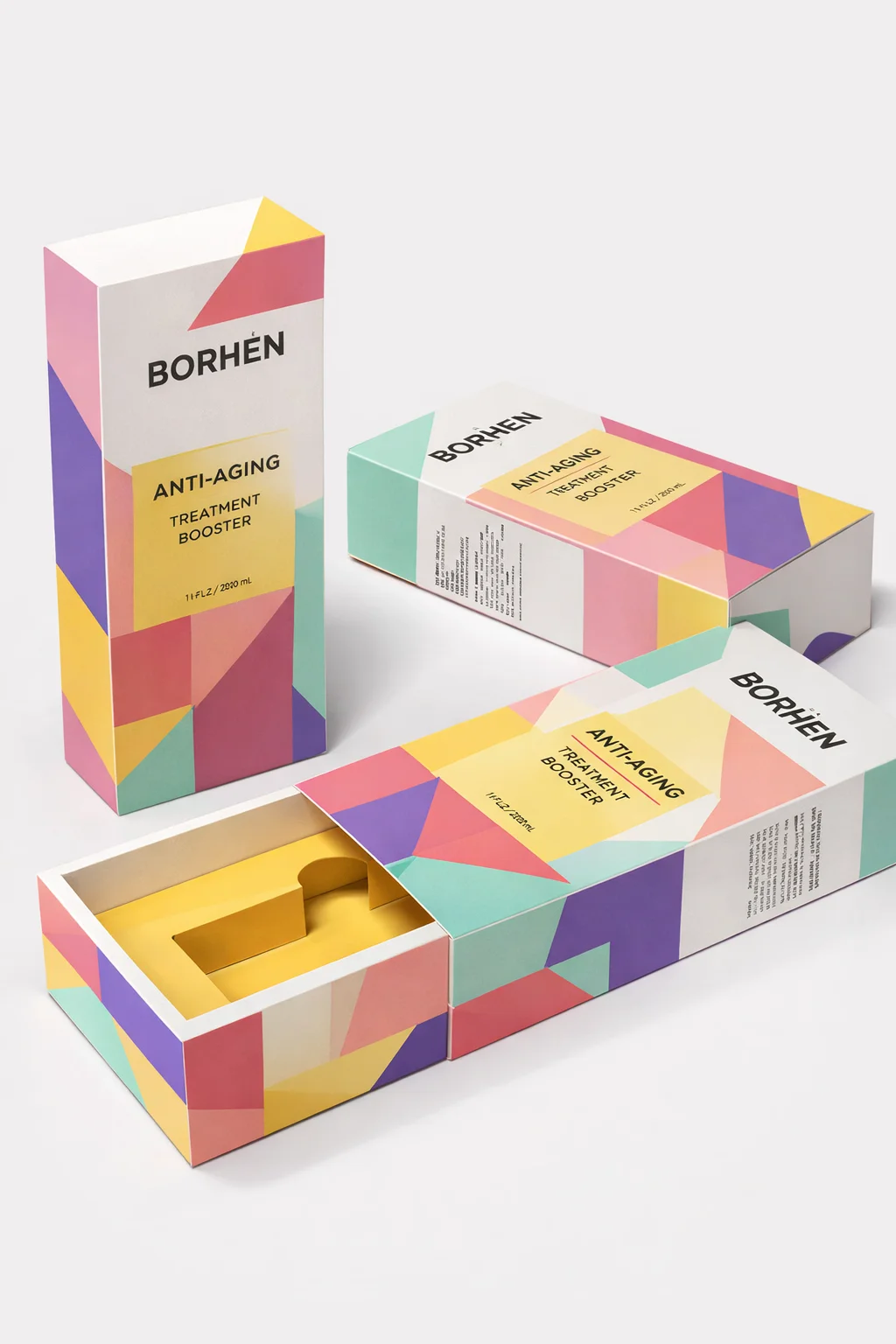
Table of Contents

What Types of Custom Cosmetic Packaging Boxes Can I Supply?

When clients reach out to me about custom cosmetic packaging boxes, they are usually already thinking beyond basic packaging. Most of the brands and sourcing teams I work with are preparing for a product launch, redesigning their packaging system, or searching for a supplier who can support them over multiple production runs. Because of that, the conversation rarely starts with simply choosing a box. It usually begins with questions about how the packaging will protect the product, how it will look in the customer’s hands, and whether it can remain consistent as the brand grows. In my experience, cosmetic packaging is not just about structure or printing. It sits at the intersection of branding, product protection, logistics, and long-term supply planning. That is why when someone asks me what types of cosmetic packaging boxes I can supply, I usually explain that the structures themselves are only the starting point. What matters more is choosing the structure that fits the product, the brand story, and the operational realities behind the scenes.
 
Tuck-End Folding Cartons for Everyday Cosmetic Products
The structure I recommend most frequently, especially for skincare and everyday cosmetic products, is the tuck-end folding carton. This format has become the standard in the beauty industry for good reason. It offers an excellent balance between cost control, structural reliability, and visual flexibility. I often see tuck-end cartons used for products such as serums, facial oils, creams, lotions, and cosmetic bottles because the structure is simple, efficient, and compatible with high-volume production. From a brand perspective, the flat panels of the carton provide generous space for design elements, product descriptions, and ingredient information, which is particularly important in the cosmetic industry where regulatory labeling and storytelling both play a role. When I work with startup founders or e-commerce beauty brands, this structure often becomes the most practical starting point because it protects the product while allowing the brand identity to remain clear and professional.
 
Sleeve Boxes for Clean and Contemporary Cosmetic Branding
Another structure I frequently discuss with clients is the sleeve box. This design uses a printed paper sleeve that slides over the product container or an inner tray, creating a presentation that feels modern and understated. I have noticed that many contemporary skincare brands prefer this approach because it aligns well with minimalist design trends that dominate today’s beauty market. The simplicity of the sleeve allows the design, typography, and materials to speak more clearly, which often results in packaging that feels refined without becoming overly complex. From a practical standpoint, sleeve packaging can also be useful when brands want to update packaging designs without completely changing the internal product structure. By adjusting the sleeve design while keeping the inner packaging consistent, brands can maintain flexibility in their packaging system while still refreshing their visual identity.
 
Drawer-Style Boxes for Premium Cosmetic Presentation
When brands are preparing a premium product launch or building a more luxurious customer experience, I often recommend drawer-style cosmetic boxes. This structure combines an outer sleeve with an inner tray that slides open, which immediately creates a more deliberate and tactile unboxing moment. I have seen this format used effectively for high-end skincare lines, curated beauty kits, and cosmetic gift sets where presentation becomes an important part of the product experience. The drawer structure also allows space for carefully designed inserts that hold bottles or jars securely in place, preventing movement during transportation while maintaining an organized presentation. From my perspective, this type of packaging works particularly well when a brand wants the act of opening the box to feel like a small ritual rather than just a functional step.
 
Magnetic Closure Boxes for Luxury Cosmetic Collections
For luxury cosmetic brands or promotional packaging programs, magnetic closure boxes often become the preferred structure. These boxes are typically produced using rigid board and include a hidden magnetic flap that allows the lid to close with a smooth, controlled motion. The result is a packaging experience that feels substantial and intentional. I often see magnetic boxes used for premium skincare collections, influencer kits, seasonal gift sets, and limited product releases where packaging plays a strong role in shaping customer perception. Because these boxes are more robust than folding cartons, they naturally communicate a higher level of value. At the same time, they provide excellent protection for fragile cosmetic containers such as glass bottles or specialty applicators.
 
Choosing the Structure That Aligns with the Brand
Although I can supply several types of cosmetic packaging boxes, I always emphasize that the most successful packaging decisions come from understanding the brand first. A startup skincare brand selling primarily through e-commerce may benefit from efficient folding cartons that keep production flexible and scalable. A luxury beauty brand launching a flagship product might prefer drawer boxes or magnetic packaging that emphasizes presentation and experience. The structure itself is important, but the context around it is even more important. My role in the process is to help clients connect these pieces together so the final packaging does more than simply hold the product. When the structure, materials, and design all align with the brand’s identity and operational needs, cosmetic packaging becomes something much more valuable. It becomes a tool that supports brand perception, protects the product, and remains reliable as the business grows over time.

The Most Common Structures Used in Cosmetic Packaging Boxes

When I speak with cosmetic brands about packaging for the first time, one misconception appears quite often. Many people assume cosmetic packaging is endlessly complex and that every brand must create a completely unique structure from scratch. In reality, most cosmetic packaging boxes are built around a small number of proven structures that have been refined over years of manufacturing and market use. These structures exist because they balance several practical needs at once. They must present the product attractively, protect delicate containers, remain efficient to manufacture, and allow brands to reorder packaging consistently as their business grows. When I help clients evaluate cosmetic packaging options, I usually start by explaining these core structures because understanding them makes the decision process much clearer. Once brands understand how these formats work, it becomes easier to choose packaging that supports both the product and the long-term supply plan.
 
Tuck-End Folding Cartons as the Foundation of Cosmetic Packaging
Among all cosmetic packaging structures, the tuck-end folding carton is the one I see used most frequently. In many ways, it has become the backbone of the cosmetic packaging industry because it offers a reliable balance between efficiency, flexibility, and visual presentation. When brands launch products such as facial serums, creams, essential oils, or cosmetic treatments, this type of box often becomes the natural starting point. From a manufacturing perspective, tuck-end cartons are efficient to produce and easy to assemble, which makes them well suited for both small launches and larger production runs. From a branding perspective, they provide generous space for printed design, allowing brands to communicate product benefits, ingredient transparency, and brand identity clearly on the packaging surface.
What I appreciate most about this structure is how adaptable it is. A simple tuck-end carton can be designed with a clean minimalist look for a modern skincare brand, or it can be enhanced with specialty finishes such as foil stamping, embossing, or textured paper to create a more premium appearance. Because the structure is so widely used across the beauty industry, it also integrates easily into automated packing lines and large-scale production systems. For many brands, especially those launching their first cosmetic products, tuck-end cartons provide a stable foundation that allows packaging to grow alongside the product line.
 
Sleeve Boxes for Minimalist and Modern Cosmetic Branding
Another structure I often recommend when working with cosmetic brands is the sleeve box. In this format, a printed sleeve slides over the product container or an internal tray, creating a packaging experience that feels clean, modern, and visually controlled. I have noticed that sleeve packaging has become particularly popular among skincare brands that emphasize minimalism, sustainability, or clinical-style aesthetics. The structure itself is simple, but that simplicity allows the materials and design details to stand out more clearly.
What makes sleeve boxes appealing is the flexibility they offer in presentation. A brand can use a smooth matte paper for a soft, understated look, or a textured specialty paper to create a more tactile experience. The sleeve format also allows the internal packaging to remain consistent while the outer design evolves. I often see brands refresh their product line visually by updating the sleeve design without changing the internal tray or container structure. This approach can be extremely useful when brands want to introduce seasonal editions, limited releases, or subtle brand updates while maintaining production efficiency.
 
Drawer-Style Boxes for Elevated Cosmetic Product Experiences
When brands want packaging that feels more experiential, I usually introduce the idea of drawer-style cosmetic boxes. This structure combines an outer sleeve with an inner tray that slides open, creating a sense of anticipation when the box is opened. I have seen many premium skincare brands choose this format because it transforms the act of opening the packaging into a more memorable moment for the customer. The sliding motion feels deliberate and refined, which naturally reinforces the perception that the product inside is something special.
Another advantage of drawer-style packaging is the ability to incorporate internal inserts that hold cosmetic products securely in place. When dealing with delicate containers such as glass serum bottles or carefully designed skincare jars, these inserts provide stability during shipping and handling. At the same time, they help maintain a neat and organized presentation when the box is opened. For curated skincare routines, beauty kits, or limited-edition cosmetic sets, drawer boxes often provide the right balance between protection and presentation.
 
Magnetic Closure Rigid Boxes for Luxury Cosmetic Collections
For brands operating in the luxury segment of the beauty market, magnetic closure rigid boxes are often the structure that best supports their brand image. These boxes are constructed using rigid board rather than folding carton materials, which immediately gives them a more substantial feel. The concealed magnetic closure allows the lid to open and close smoothly, creating an elegant and controlled interaction between the customer and the packaging.
I frequently see magnetic boxes used for high-end skincare collections, influencer gift kits, and premium product launches where packaging plays an important role in shaping the overall brand experience. The rigid structure protects the product extremely well while also delivering a sense of weight and durability that communicates quality. In luxury cosmetic programs, the packaging often becomes part of the product story itself. When customers open a magnetic box and feel the resistance of the closure and the sturdiness of the materials, the packaging reinforces the perception that the brand is thoughtful and refined.
 
How I Help Brands Choose the Right Packaging Structure
Although these cosmetic packaging structures are widely used, choosing the right one is never simply a matter of selecting the most visually impressive design. When I guide clients through packaging decisions, I focus first on understanding the product itself. Factors such as the size and weight of the cosmetic container, the fragility of the packaging components, and the conditions under which the product will be shipped all influence which structure will work best. At the same time, I also consider how the brand wants customers to perceive the product. A skincare brand focused on accessibility and everyday use may benefit from efficient folding cartons, while a premium skincare brand might require drawer packaging or magnetic gift boxes to communicate luxury.
Ultimately, the goal of cosmetic packaging is not just to create a beautiful box but to build a packaging system that supports the product throughout its entire lifecycle. When the structure, materials, and design choices all align with the brand’s positioning and operational needs, the packaging becomes more than a protective container. It becomes a reliable and repeatable system that helps the brand maintain consistency, protect its products, and deliver a strong customer experience every time a box is opened.

How Cosmetic Packaging Supports Brand Positioning

When I talk with cosmetic founders, brand directors, or product development managers about packaging, one idea always becomes clear very quickly. In the beauty industry, packaging is never neutral. Every design choice communicates something about the brand before the product is even touched. The texture of the paper, the precision of the printing, the structure of the box, and even the way it opens all influence how customers interpret the product inside. I often remind clients that packaging is the first silent conversation a brand has with its customer. Long before someone experiences the formula, they are already forming opinions about quality, credibility, and value based on the packaging they see. Because of this, cosmetic packaging boxes are not simply logistical containers. They are strategic tools that shape how a brand positions itself within a competitive market.
 
How Packaging Visually Signals the Brand’s Identity
Whenever I begin a cosmetic packaging project, I first try to understand how the brand wants to be perceived. Some beauty brands aim for a clean and minimal aesthetic that communicates clarity, transparency, and modern simplicity. In those cases, I often recommend packaging built around matte paperboard surfaces, restrained color palettes, and carefully spaced typography. When these elements come together correctly, the packaging feels calm and sophisticated without appearing overly decorative. Customers who are drawn to minimalist skincare often interpret this style as honest and trustworthy, which strengthens the brand message.
Other brands want their products to appear more luxurious or indulgent. When that is the case, the packaging approach changes significantly. Instead of relying purely on printed graphics, I may introduce more tactile finishing elements such as embossing, foil stamping, or soft-touch coatings. Rigid structures and magnetic closures can also reinforce the sense of quality because the physical experience of opening the box becomes part of the product story. What I find fascinating is how quickly customers interpret these signals. Without reading a single word on the packaging, they instinctively recognize whether the brand is positioned as clinical, premium, natural, or minimalist.
 
How Packaging Helps Emerging Cosmetic Brands Stand Out
For startup founders entering the beauty market, packaging often becomes one of the most powerful tools for differentiation. The cosmetic industry is highly competitive, and many new brands launch products that share similar ingredients or functional claims. What often separates these brands in the eyes of customers is how clearly their identity is communicated through packaging. When I work with early-stage beauty founders, I encourage them to think about packaging not just as protection for the product but as a storytelling medium.
For example, a skincare brand that positions itself around dermatological science may benefit from packaging that looks precise and structured, using neutral colors, controlled layouts, and minimal decoration. In contrast, a botanical skincare brand that focuses on natural ingredients may choose textured papers, softer tones, and more organic visual elements. These choices help customers immediately understand the brand philosophy without needing extensive explanation. I have seen many cases where thoughtful packaging design allowed a new brand to feel credible and established even during its first product launch.
 
How Packaging Influences Customer Perception and Experience
Another aspect that I often emphasize when discussing cosmetic packaging is the emotional experience it creates. Packaging is not only seen, it is also touched and opened. The physical interaction with a box can reinforce or weaken the brand perception created by the design. When a box feels sturdy and well-constructed, customers subconsciously associate that quality with the product itself. When printing is precise and materials feel intentional, the entire experience becomes more memorable.
In many cosmetic programs, the moment of opening the box becomes an extension of the brand narrative. Luxury skincare brands often design packaging so that the opening process feels deliberate and refined, creating a sense of anticipation before the product is revealed. Even in simpler packaging systems, thoughtful structural design can improve the user experience by ensuring that the product sits securely and presents itself neatly when the box is opened. These subtle details may seem small, but they significantly influence how customers remember the brand.
 
Balancing Creative Brand Expression with Production Reality
While creative packaging design is essential for strong brand positioning, I always remind clients that cosmetic packaging must also function reliably in production. A design that looks beautiful on a computer screen may encounter challenges once it enters real manufacturing processes. Materials must remain consistent across production batches, printing colors must reproduce accurately, and structural tolerances must remain stable so that packaging fits the product perfectly.
For this reason, I approach cosmetic packaging as a balance between visual storytelling and production practicality. The most successful packaging systems are those where design ambition aligns with manufacturing reality. When materials are selected carefully, structures are tested thoroughly, and finishing techniques are planned with production in mind, the result is packaging that maintains its quality over time. This consistency is particularly important for brands that plan to grow, because packaging must be reproducible across multiple orders and increasing production volumes.
 
Why Thoughtful Packaging Becomes a Long-Term Brand Asset
Over time, I have come to see cosmetic packaging as much more than a temporary container for a product. When designed thoughtfully, it becomes an essential part of the brand’s identity and a reliable component of its operational system. Packaging that aligns with the brand’s visual language, protects the product effectively, and remains consistent across production runs helps build long-term customer trust. Customers begin to recognize the brand through its packaging, and that recognition becomes a powerful competitive advantage.
This is why I always encourage cosmetic brands to view packaging as an investment rather than a simple cost. When the structure, materials, and design all reinforce the brand’s positioning, the packaging continues to deliver value long after the product is launched. It strengthens perception, improves customer experience, and supports the brand as it expands into new markets or introduces additional products. In the beauty industry, where perception and experience matter deeply, cosmetic packaging boxes often become one of the most visible and influential expressions of the brand itself.

Key Materials Used in Cosmetic Packaging Boxes

When I begin working with a cosmetic brand on packaging development, one of the first topics I explore in depth is material selection. Many people initially focus on the visual design of the box, but in my experience the materials used in cosmetic packaging boxes influence far more than appearance. The paperboard you choose affects durability, printing performance, shipping reliability, and how customers perceive the product the moment they touch the box. In the beauty industry, packaging must balance elegance with functionality. It must protect fragile containers, support brand storytelling, and remain consistent across repeated production runs. Because of this, I always guide clients through the main paperboard materials used in cosmetic packaging and explain how each one contributes to both brand presentation and operational practicality.
 
Coated Paperboard as the Industry Standard for Cosmetic Packaging
The material I encounter most frequently in cosmetic packaging projects is coated paperboard. This paperboard has a smooth coated surface that allows printing inks to sit evenly on the material, producing crisp graphics and vibrant colors. When brands want their packaging design to look sharp and consistent across thousands of boxes, coated paperboard usually becomes the foundation I recommend. The smooth surface ensures that typography, brand colors, and product imagery remain clear and precise.
I often see coated paperboard used for packaging skincare products such as serums, creams, facial oils, and cosmetic treatments. These products require packaging that communicates professionalism and clarity while still remaining practical for mass production. Because coated paperboard supports a wide range of finishing techniques, it also allows brands to enhance the packaging with elements like foil stamping, embossing, spot UV coating, or soft-touch lamination. In many cosmetic packaging programs, this material becomes the most reliable option because it delivers both visual quality and structural stability across repeat orders.
 
Kraft Paperboard for Natural and Eco-Focused Cosmetic Brands
Another material that frequently appears in cosmetic packaging conversations is kraft paperboard. Unlike coated paperboard, kraft paper retains its natural fiber appearance, which creates a more organic and earthy visual style. Whenever I work with brands that emphasize natural ingredients, botanical formulations, or eco-conscious brand values, kraft paperboard often becomes a strong candidate for their packaging.
The visual character of kraft material communicates a sense of authenticity that resonates with many modern skincare consumers. Even with minimal printing, the material itself suggests environmental awareness and simplicity. I have seen many clean beauty brands choose kraft packaging because it aligns naturally with their message about sustainability and transparency. From a practical standpoint, kraft paperboard also provides reliable structural strength, which means the packaging can still protect cosmetic containers effectively while maintaining a distinctive natural aesthetic.
 
Specialty Papers for Premium Cosmetic Packaging Experiences
For brands positioned in the premium or luxury segment of the beauty industry, I often recommend considering specialty paper materials. These papers are designed to create a tactile experience that goes beyond standard packaging surfaces. Specialty papers may include subtle textures, fabric-like finishes, or unique visual patterns that immediately make the packaging feel more sophisticated when handled.
Whenever I hold a cosmetic box made with textured specialty paper, the difference is noticeable instantly. The surface feels richer and more deliberate, which helps reinforce the perception that the product inside is high quality. I frequently see specialty papers used in luxury skincare collections, limited edition product launches, and curated beauty gift sets. In these cases, the packaging becomes part of the overall brand experience. When customers open a textured cosmetic box combined with embossing or foil stamping, the packaging itself tells a story about craftsmanship and attention to detail.
 
The Importance of Paperboard Thickness and Structural Strength
While the type of paperboard receives a lot of attention, I always remind clients that thickness and structural strength are equally important. Cosmetic packaging boxes must protect products that are often fragile, especially when the containers are made from glass or include delicate applicators. If the board material is too thin, the box may deform during shipping or storage, which can damage the product and weaken the brand’s perceived quality.
In my experience, selecting the right paperboard thickness requires understanding how the product will move through the supply chain. A lightweight cosmetic product might require only moderate board strength, while heavier glass jars or multi-product skincare kits may require thicker paperboard to maintain structural integrity. I often work closely with clients to determine the optimal balance between protection, cost efficiency, and shipping practicality. When this balance is achieved correctly, the packaging remains strong without becoming unnecessarily bulky.
 
Sustainability and the Growing Demand for Responsible Packaging
Over the past several years, sustainability has become one of the most important considerations in cosmetic packaging. Many brands I work with now actively seek materials that align with environmental responsibility while still maintaining packaging quality. One of the most common solutions is the use of FSC-certified paperboard, which ensures that the raw materials originate from responsibly managed forests.
FSC certification allows cosmetic brands to communicate environmental accountability while maintaining reliable packaging performance. In addition to certified paper sourcing, many packaging programs now emphasize recyclability and material efficiency. I frequently help brands design packaging structures that minimize unnecessary material use while still protecting the product effectively. In this way, sustainable packaging choices do not require sacrificing durability or visual presentation.
 
Selecting Materials That Align With Brand Identity and Long-Term Supply
When I guide cosmetic brands through packaging development, I always emphasize that material selection should reflect both the brand’s identity and its operational needs. A minimalist skincare brand may benefit from coated paperboard with a clean matte finish that highlights typography and color clarity. A natural cosmetics brand might choose kraft paperboard to reinforce its environmental message. A luxury beauty brand may select textured specialty papers to elevate the tactile experience of the packaging.
The key is ensuring that the chosen materials can be produced consistently and scaled as the brand grows. Packaging materials should support long-term production stability, reliable reorders, and consistent quality across multiple batches. When the material selection aligns with both the brand story and the realities of manufacturing, cosmetic packaging becomes far more than a protective shell. It becomes an integral part of the brand’s identity and a dependable element of its long-term supply strategy.

Printing and Finishing Techniques That Elevate Cosmetic Packaging

When I work with cosmetic brands on packaging projects, I often explain that the visual impact of a box rarely comes from the structure alone. Structure provides the foundation, materials provide the surface, but printing and finishing techniques are what ultimately transform packaging into a powerful branding tool. In the beauty industry, where presentation plays a central role in how products are perceived, these techniques become incredibly important. Customers often encounter the packaging before they interact with the product itself, and the visual and tactile details of the box can influence their expectations immediately. Over time I have learned that brands who invest thoughtful attention into printing quality and finishing details are often able to elevate even relatively simple packaging structures into something that feels distinctive, intentional, and premium.
 
Printing as the Core Visual Language of Cosmetic Packaging
Whenever I start a packaging project with a client, printing is the first technical layer I focus on because it defines how the brand identity will appear on the physical packaging. In cosmetic packaging, printing is responsible for translating the brand’s visual language into a format that can be reproduced accurately across thousands of boxes. Logos, product descriptions, ingredient information, and brand color systems all depend on reliable printing processes to remain consistent from one production run to the next.
I often remind brands that printing consistency is not simply about aesthetics. It also plays an operational role in maintaining brand recognition. When customers see a cosmetic product on a shelf or in an online image, they rely on color and typography to identify the brand instantly. If those elements shift slightly across batches, the packaging may appear inconsistent or less professional. For brands that manage multiple SKUs or seasonal releases, accurate printing becomes the backbone of the entire packaging system. Maintaining color control and sharp graphic reproduction helps ensure that every product in the lineup feels part of the same brand family.
 
How Finishing Techniques Add Dimension Beyond Printed Graphics
Once the printing stage establishes the core design, finishing techniques allow the packaging to gain depth and personality. I often describe finishing as the layer that transforms packaging from something purely visual into something more experiential. While printing communicates information and design, finishing techniques add subtle contrasts, highlights, and textures that create visual interest.
Hot foil stamping is one finishing technique that I frequently see used in cosmetic packaging. By applying a thin layer of metallic foil to specific design elements, the packaging gains a reflective highlight that naturally draws the eye. Brands often use this technique to emphasize their logo or key graphic elements because it introduces a sense of refinement without requiring complex structural changes. Embossing and debossing work differently but achieve a similar goal of elevating visual presentation. Instead of using reflective materials, these processes alter the surface of the paper by raising or pressing design elements into the material. When customers run their fingers across the packaging, they can feel these details, which creates a tactile connection between the brand and the product.
 
Creating Visual Contrast Through Selective Coatings
Another finishing technique that I often recommend when brands want to create a subtle yet sophisticated effect is spot UV coating. This process involves applying a glossy coating to selected areas of the packaging surface while leaving the rest of the box matte. The contrast between the glossy and matte surfaces creates a visual highlight that can emphasize logos, patterns, or typography.
In many cosmetic packaging designs, this selective contrast helps guide the viewer’s attention naturally across the packaging. Rather than overwhelming the design with too many decorative elements, spot UV allows the brand to highlight specific areas with precision. When used carefully, the technique can make packaging appear more refined and intentional while maintaining a clean overall aesthetic. I have seen many skincare brands use this method to enhance minimalist designs without compromising their visual simplicity.
 
Enhancing the Tactile Experience With Surface Finishes
In cosmetic packaging, visual design is only part of the experience. Customers also interact with packaging physically, and the surface texture of the box can significantly influence how the product is perceived. One finishing technique that addresses this tactile dimension is soft-touch coating. This finish creates a smooth, velvety surface that feels noticeably different from standard packaging coatings.
Whenever I hand a client a sample with soft-touch coating, the reaction is almost immediate. The surface feels warm and smooth, which subtly communicates quality and sophistication. In the beauty industry, where products are often associated with self-care and personal rituals, this tactile element can enhance the emotional connection between the customer and the brand. Even before the product is used, the packaging itself contributes to the perception that the brand is thoughtful and premium.
 
Transforming Simple Cartons Into Premium Brand Experiences
One of the most fascinating aspects of cosmetic packaging design is how relatively simple structural formats can be transformed through thoughtful printing and finishing techniques. A standard folding carton may appear quite basic at first glance, but when combined with carefully selected finishes such as embossing, foil accents, and textured coatings, the result can feel remarkably sophisticated.
I often encourage brands to think of these finishing techniques not as decorative extras but as tools that help reinforce their brand identity. A clinical skincare brand might use precise typography combined with subtle embossing to emphasize clarity and professionalism. A luxury beauty brand might combine metallic foils with textured papers to create a more indulgent visual and tactile experience. In both cases, the finishing techniques become part of the brand narrative, helping customers understand what the brand represents.
 
Balancing Creative Expression With Manufacturing Practicality
While the creative possibilities of printing and finishing are extensive, I always approach them with manufacturing practicality in mind. Cosmetic packaging must perform reliably across large production runs and multiple reorder cycles. Some finishing techniques require precise alignment and specialized equipment, which means they must be planned carefully during the early stages of packaging development.
When I guide brands through these decisions, I focus on selecting finishing techniques that not only enhance the design but also remain stable and repeatable in production. The goal is to create packaging that maintains its visual quality from the first batch to the last. When printing precision and finishing techniques are balanced with production realities, cosmetic packaging becomes far more than a protective container. It becomes a carefully crafted expression of the brand that remains consistent as the business grows and evolves.

How Cosmetic Packaging Boxes Are Designed for Product Protection

When people talk about cosmetic packaging, the conversation often starts with visual design, branding, and shelf appeal. While those aspects are undeniably important, I always remind clients that packaging has another responsibility that is equally critical. Cosmetic packaging boxes must protect the product inside from the moment it leaves the production line until the moment a customer opens it. In the beauty industry, many products are packaged in delicate containers such as glass serum bottles, droppers, ampoules, or skincare jars. These containers look elegant and premium, but they also require thoughtful packaging engineering to ensure they arrive intact. For this reason, when I design cosmetic packaging solutions, I treat product protection as a fundamental part of the packaging strategy rather than an afterthought. Good packaging should create confidence not only in how the product looks but also in how reliably it travels through storage, logistics, and distribution.
 
Understanding the Fragility of Cosmetic Containers
The first step I usually take when designing protective cosmetic packaging is to understand the physical characteristics of the product itself. Many cosmetic formulations are stored in glass containers because glass preserves ingredients well and communicates quality to customers. However, glass containers introduce certain risks during transportation. Even minor shocks or pressure from stacked cartons can cause cracks, leaks, or breakage if the packaging structure does not support the product properly.
Because of this, I pay close attention to how the packaging interacts with the container. The internal space of the cosmetic packaging box must be carefully sized so that the container fits securely without excessive movement. When a product shifts inside the box during transportation, even small movements can gradually weaken the container or damage the packaging structure. By designing packaging that holds the product firmly in place, I help reduce the impact of external forces that occur during shipping and handling.
 
Designing Precise Box Dimensions for Stability
One detail that many people underestimate is the importance of box dimensions. In cosmetic packaging design, even a few millimeters of difference can affect how well the product remains stable inside the box. If the box is too large relative to the container, the product may move during transit. If the box is too tight, the packaging may become difficult to assemble or cause unnecessary pressure on the container.
When I develop packaging dimensions, I usually start by analyzing the product container carefully. I measure the height, width, and shape of the bottle or jar, and then determine how the container should sit inside the packaging. The goal is to create a balanced fit where the product is supported from multiple sides without feeling compressed. This precise fit allows the packaging to absorb small shocks during transportation while preventing the container from sliding around.
 
Selecting Paperboard Thickness for Structural Strength
Another key factor in protective packaging is the thickness and strength of the paperboard used to construct the box. Cosmetic packaging boxes may look simple from the outside, but the choice of material plays a significant role in how well they perform during shipping and storage. If the paperboard is too thin, the box may deform when cartons are stacked during transportation. Once the structure loses its shape, the container inside becomes more vulnerable to damage.
Whenever I evaluate material thickness, I consider the weight of the cosmetic product as well as the logistics conditions it will encounter. Lightweight cosmetic items such as small serum bottles may only require moderate board thickness. However, heavier products like glass cream jars or multi-product skincare sets often require stronger paperboard to maintain structural stability. Choosing the correct board thickness ensures that the packaging protects the product while still remaining efficient in terms of material use and shipping weight.
 
Using Internal Supports to Secure the Product
In many cosmetic packaging systems, the outer box alone is not sufficient to fully stabilize the product. This is where internal supports or inserts become essential. Inserts are designed to hold the container in a fixed position inside the box, preventing movement and distributing pressure evenly during transport. When a product is properly supported internally, the packaging can absorb external forces more effectively without transferring those forces directly to the container.
I often design internal inserts that cradle the product securely while still presenting it neatly when the box is opened. These inserts may be constructed from folded paperboard or other supportive materials depending on the product’s size and fragility. In addition to improving protection, inserts also enhance the visual presentation. When customers open the packaging and see the product perfectly positioned within the box, the experience feels more deliberate and refined.
 
Adapting Packaging Design for E-Commerce Distribution
One of the most significant changes in cosmetic packaging over the past decade has been the rapid growth of e-commerce. Products sold through online stores travel through complex logistics networks before reaching the customer. They may be transported across multiple warehouses, loaded into delivery vehicles, and handled repeatedly by sorting systems. Because of this, packaging designed for retail shelves alone may not always perform well in e-commerce environments.
When I design packaging for e-commerce beauty brands, I always consider how the product will move through the shipping process. The packaging must be strong enough to protect the product during transportation while still remaining efficient for shipping. Oversized packaging increases shipping costs and reduces logistics efficiency, which can quickly become a challenge for growing brands. My goal is to design packaging that protects the product without adding unnecessary bulk or weight.
 
Balancing Protection With the Customer Experience
While product protection is essential, cosmetic packaging must still preserve the brand experience that customers expect. One of the challenges I enjoy most in packaging design is balancing structural protection with visual elegance. A well-designed cosmetic packaging box should feel beautiful and refined when the customer opens it, yet strong enough to withstand the practical demands of shipping and storage.
When the structure, dimensions, materials, and internal supports are carefully aligned, the packaging performs both roles seamlessly. The product arrives safely, the packaging retains its shape, and the customer’s first interaction with the brand remains positive. In my experience, this balance between engineering and aesthetics is what defines truly successful cosmetic packaging. It ensures that the box not only protects the product but also strengthens the brand’s reputation every time a customer receives and opens it.

MOQ and Production Considerations for Cosmetic Packaging

When cosmetic brands begin planning their packaging supply, one of the first practical questions that usually comes up in our conversations is minimum order quantity, commonly known as MOQ. Many founders and sourcing managers initially assume MOQ is simply a fixed requirement set by a factory, but in reality it is closely tied to how packaging is manufactured. From my experience working with cosmetic brands, MOQ is influenced by several factors including the complexity of the packaging structure, the type of printing and finishing techniques involved, and the materials chosen for the box. These elements all influence how efficiently packaging can move through production. Understanding these relationships early helps brands avoid unnecessary surprises and build a packaging strategy that supports both their product launch and long-term growth.
 
How Box Structure Affects Production Quantities
One of the first elements I evaluate when discussing MOQ with a client is the structure of the cosmetic packaging box itself. Some structures are naturally more production-friendly than others. Standard folding cartons, especially tuck-end cartons used for serums, creams, and cosmetic bottles, can usually be produced in relatively moderate quantities because the manufacturing process is streamlined and widely used across the packaging industry.
However, when a brand chooses more complex structures such as drawer boxes, rigid magnetic boxes, or packaging that includes multiple internal components, the production process becomes more specialized. These structures often require additional tooling, manual assembly steps, or more precise alignment during production. Because of these additional processes, production runs must typically reach a certain scale before they become efficient. Whenever I guide clients through structural decisions, I always explain how the complexity of the packaging directly influences the most practical starting quantity.
 
The Influence of Printing and Finishing Requirements
Another important factor that affects MOQ is the printing and finishing approach chosen for the packaging. Cosmetic packaging frequently involves detailed brand elements such as Pantone color matching, metallic foil stamping, embossing, or spot UV highlights. Each of these techniques requires preparation before the actual production run begins. Printing plates must be prepared, machines must be calibrated, and finishing equipment must be aligned precisely with the printed design.
Because of these preparation steps, production becomes more efficient when packaging is manufactured in larger quantities. I often advise cosmetic brands to think carefully about which finishing details are essential for their initial product launch. In some cases, a well-executed printing design without extensive finishing techniques can still create a strong visual impact. Once the brand begins scaling and larger production volumes become viable, additional finishing layers can be introduced to elevate the packaging further.
 
Material Selection and Supply Efficiency
Material selection is another factor that quietly influences production quantities. Standard paperboard materials used in cosmetic packaging are widely available and relatively easy to source, which makes them suitable for smaller production runs. However, specialty materials such as textured papers, custom-colored boards, or unique coatings often require larger procurement quantities to maintain consistency.
When I guide brands through packaging material decisions, I always explain that certain materials work best when produced at scale. Choosing commonly available paperboard options allows brands to start with smaller quantities while still maintaining high-quality packaging. As the product line grows and demand becomes more predictable, the brand can explore more specialized materials that add visual distinction without disrupting supply stability.
 
Why Many Cosmetic Packaging Projects Begin With Moderate Quantities
In many cosmetic packaging projects, particularly those involving new product launches, the initial production quantities often fall within the range of five hundred to one thousand pieces. I frequently recommend this range because it provides a practical balance between cost efficiency and flexibility. Producing a moderate quantity allows brands to test their packaging design in real market conditions without committing to excessive inventory.
Launching with this type of controlled production run also creates an opportunity to observe how the packaging performs once the product enters distribution channels. Sometimes small adjustments are needed after the first run, whether related to structural fit, printing alignment, or logistical handling. Starting with manageable quantities gives brands the flexibility to refine their packaging system before scaling production.
 
Scaling Production as the Brand Expands
As cosmetic brands gain market traction and product sales begin to grow, packaging production often scales accordingly. Larger production runs usually lead to lower unit costs because printing and manufacturing processes become more efficient when repeated across higher volumes. For brands that are planning long-term product lines, this transition from moderate to larger packaging quantities can significantly improve operational efficiency.
When I help brands prepare for this transition, I focus on maintaining consistency across production cycles. Packaging specifications must remain clearly documented so that reorders produce the same visual and structural results as the original run. When this consistency is maintained, brands can increase production volumes confidently without worrying about variations in packaging quality.
 
Building a Packaging Strategy That Supports Long-Term Growth
Ultimately, MOQ and production considerations are not just technical details; they are part of a broader strategy that shapes how cosmetic brands manage their packaging supply. Packaging must support the early stages of a product launch while also remaining adaptable as the brand expands into larger markets. By understanding how structure complexity, printing requirements, and material selection affect production quantities, brands can plan their packaging programs more intelligently.
In my experience, brands that take time to understand these dynamics early tend to build more stable and scalable packaging systems. They avoid unnecessary redesigns, maintain consistent brand presentation, and ensure their packaging supply remains predictable as their product line grows. When MOQ and production planning are approached thoughtfully, cosmetic packaging becomes a reliable foundation for both operational efficiency and long-term brand development.

How to Choose the Right Cosmetic Packaging Boxes Supplier

When cosmetic brands begin searching for a packaging supplier, the process often starts with a simple comparison of prices. I understand why this happens. Packaging is part of the product cost structure, and controlling costs is important for any brand. However, after working with many cosmetic companies over the years, I have learned that the real value of a packaging supplier cannot be measured by price alone. Packaging plays a direct role in brand perception, product protection, and supply chain stability. If the supplier cannot maintain consistent quality or reliable communication, even small issues can quickly turn into larger operational problems. For this reason, when I help clients evaluate cosmetic packaging suppliers, I always encourage them to look beyond quotations and focus on factors that determine whether the partnership will remain dependable over time.
 
Looking Beyond Price to Understand True Packaging Value
Whenever I discuss supplier selection with cosmetic founders or procurement managers, I often begin by reframing how value should be evaluated. Price is visible and easy to compare, but many other factors influence the true cost of a packaging program. A supplier who provides a slightly lower price but lacks experience or operational stability may introduce delays, inconsistent printing, or structural issues during production. These problems can create far greater costs later when packaging must be corrected or reproduced.
In contrast, a supplier who understands cosmetic packaging deeply often contributes value long before production begins. They review artwork for feasibility, confirm that the chosen materials work well with the selected finishing techniques, and identify potential structural challenges early in the process. When this kind of expertise is present, many problems are prevented before they ever appear in production. From my perspective, the right supplier helps brands avoid costly surprises by ensuring that packaging design, materials, and production processes align from the beginning.
 
Evaluating Production Consistency and Quality Control
Another factor I always emphasize when choosing a cosmetic packaging supplier is production consistency. Cosmetic brands rely heavily on visual identity, and packaging plays a central role in maintaining that identity across multiple product launches and reorder cycles. If the packaging from one production run looks different from the next, customers may notice the difference immediately. Slight variations in color, printing alignment, or material quality can weaken the brand image and reduce consumer trust.
This is why I encourage brands to examine how a supplier manages quality control. Reliable suppliers establish clear production standards and monitor the manufacturing process carefully. They ensure that printing colors remain accurate, structural dimensions remain consistent, and finishing techniques are applied with precision. When these systems are in place, packaging remains visually consistent even as production volumes grow. This stability becomes particularly important for brands that operate internationally or manage multiple cosmetic SKUs within a single product family.
 
The Role of Communication in Successful Packaging Projects
One element that is often underestimated when selecting a supplier is communication. Cosmetic packaging development involves many small decisions, including adjustments to box structure, printing specifications, finishing details, and production timelines. Without clear communication between the brand and the supplier, misunderstandings can easily occur.
From my experience, the most successful packaging projects happen when communication is transparent and proactive. A reliable supplier takes the time to explain technical considerations in a way that brand teams can understand. They provide feedback during the design stage and clarify production requirements before manufacturing begins. This open dialogue helps ensure that both sides share the same expectations regarding materials, colors, timelines, and quality standards. When communication is clear, packaging development becomes a collaborative process rather than a series of isolated transactions.
 
Why Packaging Expertise Matters for Cosmetic Products
Cosmetic packaging requires a level of expertise that goes beyond general printing knowledge. Beauty products often use fragile containers such as glass bottles, droppers, or airless pumps, which means packaging must protect these components while still presenting the brand elegantly. A supplier who understands cosmetic packaging can help brands balance these two requirements effectively.
In many projects I have worked on, small structural adjustments have made a significant difference in packaging performance. Slight changes in box dimensions can improve how a product sits inside the packaging, while selecting the right board thickness can strengthen the carton without increasing material costs unnecessarily. A supplier with strong technical knowledge can guide brands through these decisions, ensuring that the packaging works well both visually and structurally.
 
Reliability and Predictability for Long-Term Reorders
For product development managers and packaging distributors in particular, the long-term reliability of a supplier is often the most important factor. Cosmetic packaging is rarely produced only once. Once a product is successfully launched, packaging must be reordered regularly to support ongoing sales. If the supplier cannot maintain consistency across these reorder cycles, the brand may face unnecessary disruptions.
Reliable suppliers document production specifications carefully so that future orders match the original packaging. Materials remain consistent, printing colors stay aligned with the brand palette, and structural dimensions remain unchanged. This predictability allows brands to manage their packaging supply confidently, knowing that each reorder will deliver the same quality and appearance as the original production.
 
Building a Partnership That Supports Brand Growth
Ultimately, selecting the right cosmetic packaging boxes supplier is about more than completing a single transaction. It is about establishing a relationship that supports the brand’s development over time. Packaging evolves alongside the product line, and the supplier plays an important role in that evolution. When the supplier understands the brand’s identity, product requirements, and operational needs, they can contribute valuable insights that help improve packaging with each new production cycle.
In my experience, brands that invest time in choosing the right supplier often build partnerships that last for many years. These relationships create stability in the packaging supply chain and allow brands to focus on growing their product line and expanding into new markets. When a supplier provides consistent quality, clear communication, and practical expertise, cosmetic packaging becomes a reliable asset rather than a recurring challenge.

Sustainability Trends in Cosmetic Packaging

When I speak with cosmetic founders, brand directors, or sourcing managers today, sustainability is almost always part of the packaging conversation. A decade ago, most discussions focused on appearance, cost, and logistics. Packaging needed to look attractive on the shelf and protect the product during transportation. Today, those priorities still matter, but environmental responsibility has become equally important. Consumers are paying closer attention to the materials brands use and how those materials affect the environment after the product is purchased. Because of this shift, cosmetic packaging is no longer evaluated only by how it looks or how efficiently it can be produced. It is also judged by how responsibly it is designed. Over the years I have seen more brands treat packaging sustainability as a strategic decision that reflects their values and strengthens trust with their customers.
 
Why Sustainability Has Become a Strategic Priority in Cosmetic Packaging
One reason sustainability has become so central to cosmetic packaging is the growing awareness among consumers about environmental impact. Beauty products are often purchased frequently, which means packaging waste can accumulate quickly if materials are not recyclable or responsibly sourced. When I work with cosmetic brands that are developing new product lines, many of them want their packaging to demonstrate that the brand is thoughtful about environmental responsibility.
At the same time, I have noticed that regulatory expectations in many markets are gradually evolving. Governments and retail platforms are increasingly encouraging the use of recyclable materials and discouraging excessive packaging. For cosmetic brands that plan to expand internationally, adopting sustainable packaging practices early can make it easier to meet these expectations later. From my perspective, sustainability is not simply a marketing message. It has become part of the operational framework that cosmetic brands must consider when designing their packaging systems.
 
Recyclable Paper Materials as the Foundation of Sustainable Packaging
One of the most practical ways cosmetic brands can reduce environmental impact is by using recyclable paper-based packaging materials. Paperboard has long been the primary material used in cosmetic packaging boxes, and its recyclability makes it particularly suitable for brands that want to improve sustainability without compromising packaging performance.
When I help brands select materials for cosmetic packaging, I often explain how well-designed paperboard packaging can achieve several goals simultaneously. Paperboard cartons can protect fragile cosmetic containers, support high-quality printing for brand presentation, and remain compatible with recycling systems in many countries. This combination of functional performance and environmental responsibility has made paperboard one of the most widely adopted materials in sustainable packaging programs within the beauty industry.
 
Moving Toward Plastic-Free Cosmetic Packaging Structures
Another sustainability trend I see frequently is the effort to eliminate plastic components from cosmetic packaging systems. In the past, many cosmetic boxes used molded plastic trays or inserts to stabilize bottles and jars. While these inserts provided structural support, they also created recycling challenges because the plastic components had to be separated from the paper packaging.
In recent years, many brands have begun redesigning their packaging structures to remove these plastic elements. Instead of using molded plastic trays, I often help brands explore folded paperboard inserts or structural supports made entirely from recyclable materials. These alternatives can still hold cosmetic containers securely while allowing the entire packaging system to remain paper-based. By designing packaging structures more intelligently, brands can maintain product protection while reducing their reliance on mixed materials.
 
Reducing Material Usage Through Smarter Packaging Design
Sustainability is not only about the type of material used in packaging. It is also about how efficiently that material is used. Over the years I have seen many cosmetic brands reconsider how much packaging they actually need. Excessively large boxes, multiple layers of packaging, and unnecessary decorative elements can increase material consumption without adding real value for the customer.
When I evaluate packaging designs with clients, I often look for opportunities to simplify the structure without sacrificing protection or presentation. For example, adjusting the internal dimensions of the box so that it fits the product more precisely can reduce wasted space and material. Simplifying internal components can also make the packaging easier to recycle. These adjustments may seem small individually, but collectively they can significantly reduce the environmental footprint of the packaging program.
 
FSC-Certified Paper and Responsible Material Sourcing
Another important element of sustainable cosmetic packaging involves the origin of the materials themselves. Many brands I work with specifically request FSC-certified paperboard for their packaging. FSC certification ensures that the paper used in the packaging comes from forests that are managed responsibly and sustainably.
When cosmetic brands use FSC-certified paper, they demonstrate that their packaging materials are sourced in a way that protects forest ecosystems and supports responsible forestry practices. I have noticed that this certification is becoming increasingly important for brands that want to communicate environmental accountability clearly to their customers. Including FSC-certified materials in cosmetic packaging allows brands to align their packaging strategy with broader sustainability commitments while maintaining reliable production quality.
 
Integrating Sustainability With Brand Identity
One of the most important lessons I have learned about sustainable cosmetic packaging is that it works best when it feels authentic to the brand. Sustainability should not appear as an isolated feature added to packaging purely for marketing purposes. Instead, it should be integrated naturally into the brand’s identity and long-term strategy.
Some cosmetic brands focus heavily on natural ingredients and environmentally conscious formulations. For these brands, sustainable packaging becomes a natural extension of their philosophy. Other brands may begin incorporating sustainability gradually by selecting recyclable materials, reducing plastic components, or optimizing packaging structures. Regardless of the starting point, the key is ensuring that packaging decisions remain consistent with the brand’s values.
When sustainability is approached thoughtfully, cosmetic packaging becomes more than a protective container. It becomes a visible reflection of how the brand approaches responsibility, design, and long-term growth. From my perspective, brands that integrate sustainability into their packaging strategy early often find that it strengthens both their operational resilience and their relationship with customers who care deeply about environmental impact.

Preparing Cosmetic Packaging for Long-Term Supply

When I speak with cosmetic founders, sourcing managers, or product development teams about packaging, the conversation often begins with design, materials, and the launch timeline. Those elements are certainly important, but over the years I have learned that the real challenge of cosmetic packaging rarely appears during the first production run. It appears later, when the product becomes successful and packaging must be reordered repeatedly across multiple batches. At that stage, the packaging is no longer simply a design project. It becomes part of the brand’s operational infrastructure. Cosmetic packaging must remain visually consistent, structurally reliable, and easy to reproduce over time. Preparing packaging with long-term supply in mind requires thinking beyond the first order and building a system that remains stable as production volumes grow.
 
Designing Packaging Structures That Can Be Reproduced Reliably
When I begin working on a cosmetic packaging project, one of my first priorities is ensuring that the structure of the box can be reproduced reliably in future production runs. Many packaging designs look impressive during the sampling stage, but if the structure is overly complex or difficult to manufacture consistently, problems can appear once the packaging enters larger production cycles.
For that reason, I always examine the dieline, folding structure, and material behavior carefully during the early design phase. Cosmetic packaging structures must assemble cleanly, maintain their shape during storage, and remain stable when packed with the product. If the structural tolerances are not clearly defined, small variations during manufacturing can cause boxes to fit inconsistently around the product. Over time these variations can create packing inefficiencies or even product damage. By refining the structure early and documenting every dimension precisely, I help ensure that the packaging performs the same way not only during the first order but across many future reorders.
 
Establishing Stable Material Specifications
Another factor that plays a major role in long-term packaging supply is material stability. Cosmetic packaging boxes are usually produced using paperboard materials, but even within paperboard there are many variations in thickness, coating, and structural strength. If the material specifications are not clearly defined, later production runs may unintentionally use slightly different materials, which can affect both the appearance and performance of the packaging.
Whenever I guide brands through packaging development, I take time to document the exact board grade, thickness, and surface treatment used in the packaging. These specifications become part of the production reference for future orders. By keeping the material consistent, the packaging maintains the same tactile feel, structural strength, and printing quality over time. This stability becomes especially important for brands whose products are sold internationally, where packaging must travel long distances through various logistics systems.
 
Maintaining Color Accuracy and Printing Consistency
From a brand perspective, one of the most visible challenges in long-term packaging supply is maintaining printing consistency. Cosmetic brands invest significant effort in developing their visual identity, and packaging plays a major role in expressing that identity. If the packaging colors shift slightly between production runs, the difference can be noticeable to customers, especially when products from different batches appear side by side on store shelves or in online product images.
To prevent this issue, I always recommend establishing strict printing standards from the beginning. Pantone color references, ink densities, finishing placements, and artwork alignment must all be documented clearly. These specifications serve as a technical reference for every production run that follows. When printing standards are maintained carefully, the packaging produced months or even years later will continue to match the original brand presentation. For cosmetic brands that rely heavily on visual consistency, this level of control is essential.
 
Aligning Packaging With Logistics and Fulfillment Systems
Another dimension of long-term packaging supply involves logistics and distribution. Cosmetic products rarely move directly from the manufacturer to the end consumer. Instead, they often travel through warehouses, fulfillment centers, and distribution hubs before reaching the customer. Packaging that works well during the sampling stage may not always perform equally well within these operational environments.
When evaluating packaging designs, I always consider how the boxes will behave during real logistics processes. The packaging must stack efficiently, resist compression during transportation, and maintain structural stability inside shipping cartons. Packaging dimensions should also align with warehouse storage systems and fulfillment processes. When these operational factors are considered early in the design phase, the packaging becomes much easier to manage as order volumes increase.
 
Creating Documentation That Supports Repeat Orders
One aspect of packaging development that I consider extremely important is production documentation. Every successful packaging program eventually relies on repeat orders, and those reorders must follow the same specifications as the original production. Without clear documentation, it becomes difficult to reproduce packaging accurately over time.
During packaging development, I ensure that every technical detail is recorded clearly. This includes dieline drawings, material specifications, printing references, finishing techniques, and assembly instructions. These documents act as a blueprint for future production runs. When a reorder is placed months later, the production team can refer to the same documentation and reproduce the packaging with confidence. This reduces the risk of inconsistencies and ensures that each batch of packaging aligns with the brand’s original design.
 
Supporting Packaging Programs That Scale With Brand Growth
As cosmetic brands grow, their packaging requirements often evolve as well. What begins as a modest launch run may eventually expand into large-scale production that supports international distribution. At this stage, packaging must remain reliable even as volumes increase significantly.
When I design packaging systems for cosmetic brands, I try to anticipate this growth. The structures must remain practical to manufacture at larger volumes, the materials must remain available through stable supply channels, and the printing processes must remain scalable. Packaging that meets these conditions can grow alongside the brand without requiring constant redesign. Instead of creating operational complications, the packaging becomes a dependable part of the brand’s supply chain.
 
Building Packaging Systems That Remain Stable Over Time
Ultimately, preparing cosmetic packaging for long-term supply means building stability into every stage of the packaging process. The structure must remain consistent, the materials must remain reliable, the printing must remain accurate, and the logistics performance must remain predictable. When these elements are carefully planned and documented, the packaging system becomes repeatable and scalable.
From my experience working with cosmetic brands, the companies that approach packaging with this long-term mindset often avoid many of the operational challenges that appear later in the product lifecycle. Their packaging remains consistent across production batches, integrates smoothly into logistics systems, and continues to reflect the brand identity clearly. Instead of being a recurring problem to solve, the packaging becomes a reliable foundation that supports the brand’s growth year after year.

Why Partner With Borhen Pack for Your Custom Cosmetic Packaging Boxes Program?

When I talk with cosmetic founders, product development managers, or packaging distributors about building a packaging program, I often notice that the conversation begins with structure, materials, and printing finishes. Those elements are important, but they represent only part of the bigger picture. Cosmetic packaging is not just about producing boxes. It is about creating a packaging system that works reliably throughout the life cycle of a product. That means the packaging must support the brand’s visual identity, protect the product during transportation, and remain consistent across multiple production runs as the brand grows. From my perspective, the value of a packaging partner lies in their ability to support all of these requirements simultaneously. When I work with brands through Borhen Pack, the goal is not simply to manufacture packaging. The goal is to build packaging programs that remain stable, repeatable, and scalable over time.
 
Understanding the Real Role of Cosmetic Packaging in Brand Development
One of the first things I always explain to cosmetic brands is that packaging plays a far more important role than many people initially expect. Cosmetic packaging boxes are often the first physical interaction a customer has with the product. Before the customer even tries the serum, cream, or cosmetic treatment inside, the packaging already communicates something about the brand. The weight of the paperboard, the precision of the printing, the way the box opens, and the overall presentation all contribute to how the brand is perceived.
Because of this, I approach cosmetic packaging from a brand perspective rather than purely from a production perspective. I spend time understanding how the brand wants to position its products in the market. Some brands prefer a clinical and minimalist appearance that communicates scientific credibility. Others focus on a luxurious presentation with textured papers and metallic finishes. There are also brands that emphasize natural ingredients and prefer packaging that feels environmentally responsible and understated. By understanding these positioning goals early in the process, I can help translate the brand identity into packaging structures and materials that express the same message visually.
 
Translating Creative Packaging Ideas Into Practical Production
Another reason many brands choose to work with Borhen Pack is our focus on turning creative packaging concepts into structures that can actually be produced reliably. Packaging designs often begin as visual concepts created by brand designers or creative agencies. These concepts can look impressive in digital mockups, but not every design translates easily into mass production.
When I evaluate a packaging concept, I look at it through the lens of production feasibility. I examine how the dieline will fold, how the board material will behave during assembly, and how the printing and finishing processes will interact with the surface of the packaging. If there are areas where the design could cause production challenges, I explain them early so adjustments can be made before sampling begins. This collaborative approach helps ensure that the final packaging remains faithful to the original design while still functioning smoothly during manufacturing.
 
Creating Packaging Structures That Protect Cosmetic Products
Cosmetic products often require packaging that balances visual presentation with product protection. Many skincare and beauty products are packaged in glass bottles, droppers, or jars that can be fragile during transportation. If the packaging structure is not designed carefully, the product may shift inside the box or become vulnerable to damage during shipping.
When I develop cosmetic packaging boxes, I pay close attention to how the product fits inside the packaging. The internal dimensions must hold the product securely without excessive movement. The board thickness must be strong enough to maintain structural integrity during stacking and transportation. In some cases, internal inserts or structural supports may be added to improve stability. These details may seem small, but they play a major role in ensuring the product arrives safely in the customer’s hands.
 
Maintaining Consistency Across Production and Reorders
One of the most important qualities of a successful packaging program is consistency. Cosmetic brands rely heavily on visual identity, and customers expect the packaging to look identical every time they purchase the product. Even small variations in printing color, material texture, or structural alignment can disrupt the brand presentation.
To maintain this consistency, I focus heavily on documenting packaging specifications during the development stage. Every detail, including the paperboard grade, Pantone color references, finishing techniques, and structural dimensions, is recorded clearly. These specifications become the reference point for all future production runs. When reorders occur months later, the production team can reproduce the packaging according to the same standards. This ensures the packaging remains visually and structurally consistent as the brand grows.
 
Supporting Packaging Programs That Can Scale Over Time
Many cosmetic brands begin their packaging journey with relatively small production quantities. This is especially common for startup founders who are launching their first product line or testing a new concept in the market. At this stage, flexibility is important because the brand is still learning how customers respond to the product.
However, if the product succeeds, the packaging program must quickly adapt to higher production volumes. This is where scalability becomes important. When I help brands develop packaging systems, I always consider how the packaging will perform when production volumes increase. The structures must remain practical to manufacture at larger quantities, the materials must remain consistently available, and the printing processes must remain efficient at scale. When these elements are planned carefully, the packaging program can grow alongside the brand without major redesigns.
 
Aligning Packaging With Logistics and Distribution Systems
Another dimension of cosmetic packaging that I always consider is how the packaging interacts with logistics systems. Cosmetic products often move through complex distribution networks before reaching the customer. They may pass through warehouses, fulfillment centers, and international shipping routes.
For packaging to perform well in these environments, it must be structurally stable and dimensionally efficient. Boxes should stack well during storage, resist compression during transportation, and fit efficiently within shipping cartons. When packaging structures are designed with these operational factors in mind, they help reduce damage risks and improve logistics efficiency. This attention to practical details ensures that the packaging supports the brand not only visually but operationally as well.
 
Building Long-Term Packaging Partnerships
In my experience, the most successful cosmetic packaging programs are built on long-term partnerships rather than one-time transactions. Packaging needs evolve as brands grow, introduce new products, and expand into different markets. When a packaging partner understands the brand’s product strategy and operational needs, they can provide valuable guidance throughout these changes.
This is the philosophy behind how I approach packaging projects at Borhen Pack. Instead of focusing only on the immediate order, I think about how the packaging system will function over the long term. By establishing clear specifications, reliable production processes, and open communication, I aim to build packaging programs that remain dependable as the brand evolves.
Ultimately, partnering with Borhen Pack means working with a team that understands cosmetic packaging not only as a product but as a system that supports brand development. When packaging structures are thoughtfully designed, production standards are clearly defined, and logistics considerations are addressed early, the result is packaging that continues to perform reliably across every reorder. For cosmetic brands navigating the fast-moving beauty industry, this kind of stability allows them to focus on innovation and growth while knowing their packaging supply remains consistent and dependable.

Looking for a Reliable Box Manufacturer?​

🔒 Borhen Pack takes your privacy seriously. All information is strictly confidential and used only for technical and commercial communication.
Tell us about your product and volume.
We help brands source structured, bulk-ready packaging with clear quotes and timelines.

Request a Quote for
Your Packaging Project

Tell us about your product and estimated volume.
We typically support projects with MOQ 1,000+ units and ongoing production needs.

🔒Your information is kept strictly confidential and used only for project evaluation and communication.