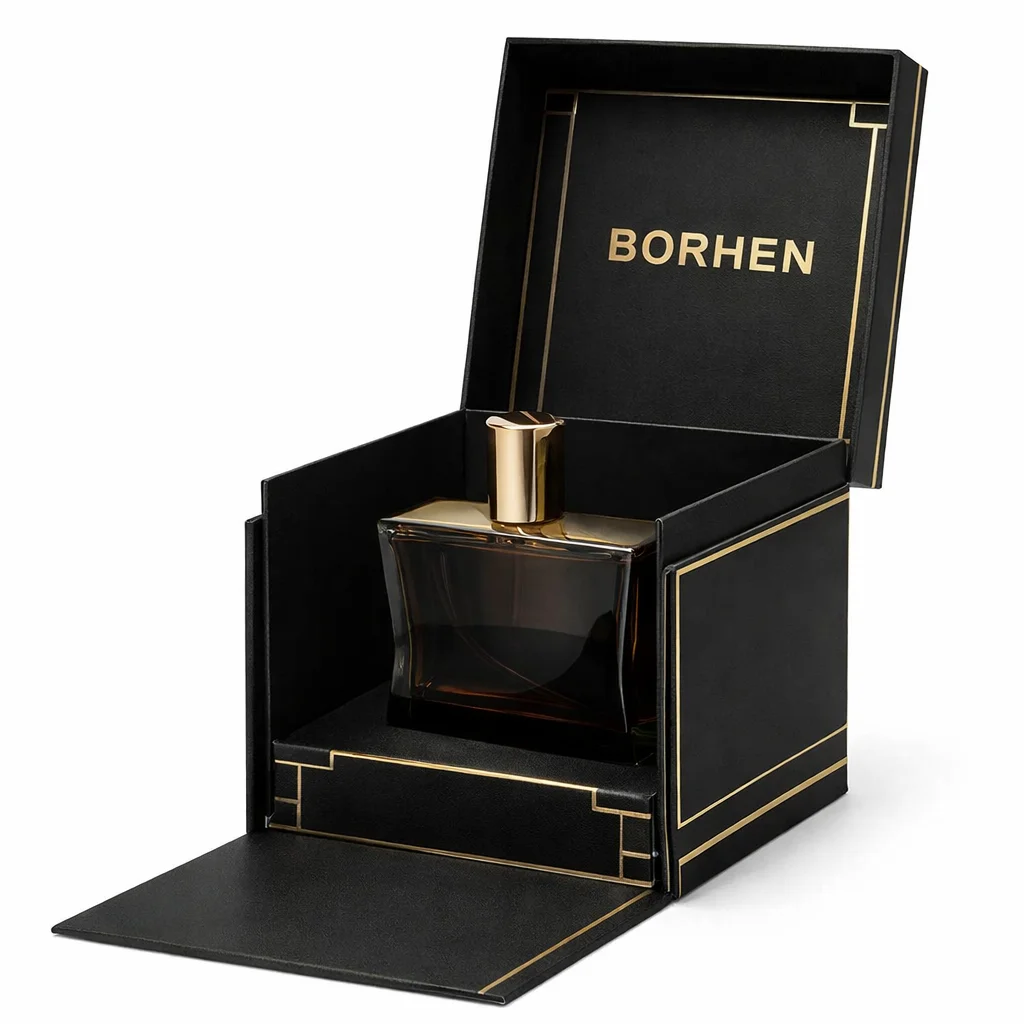
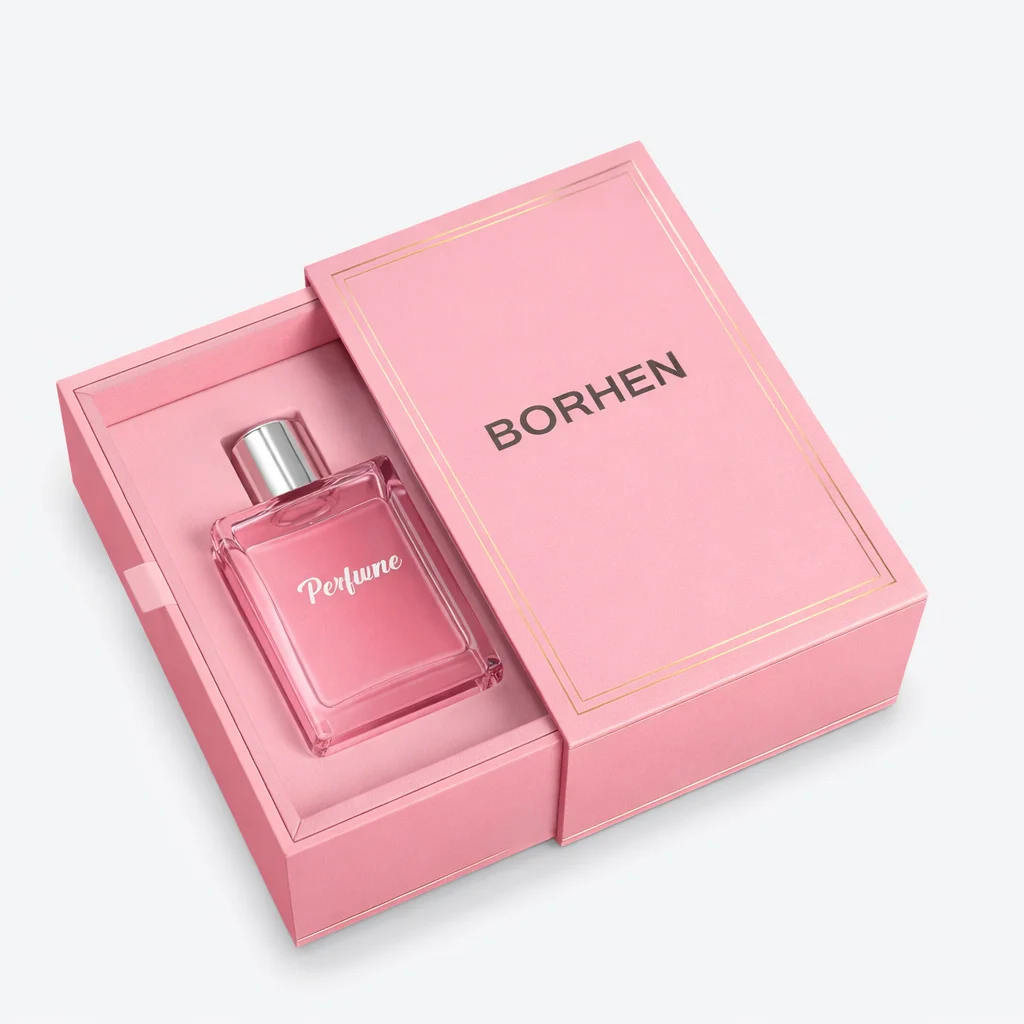
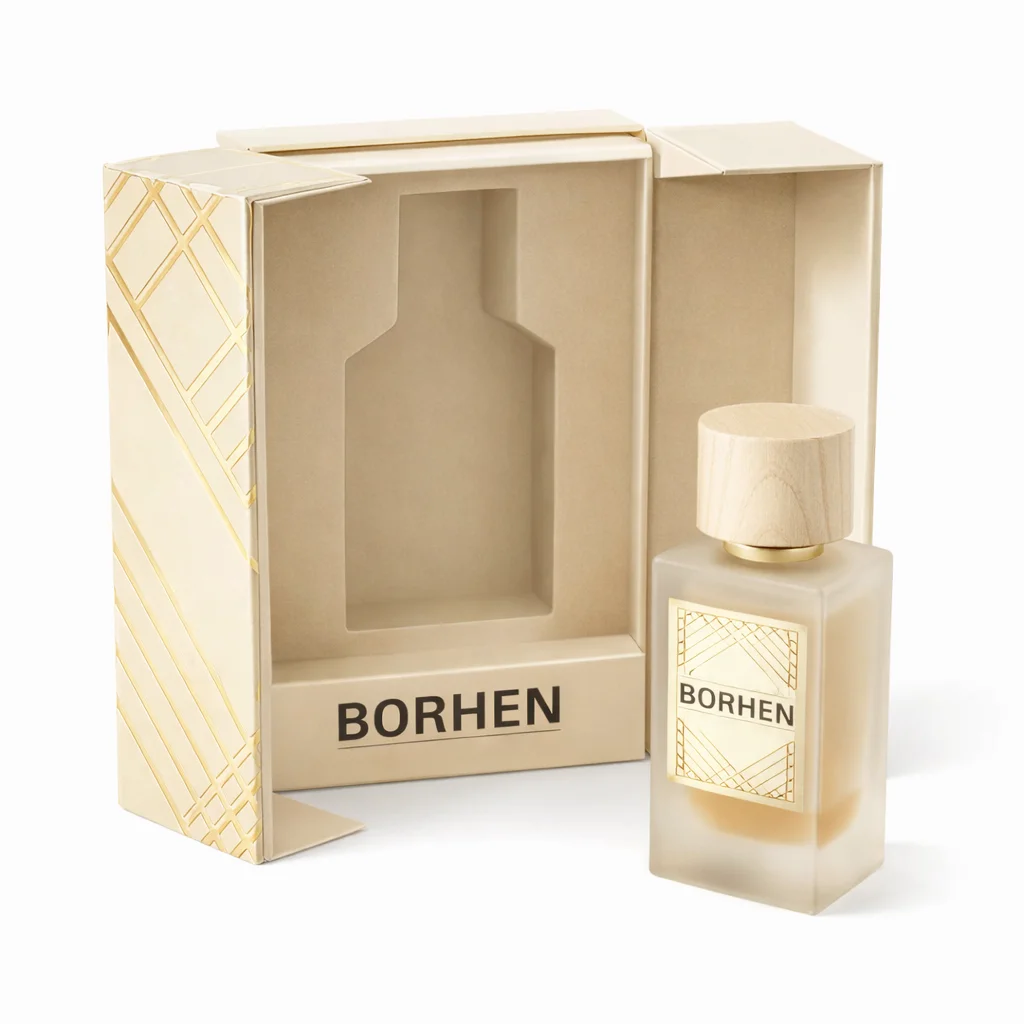
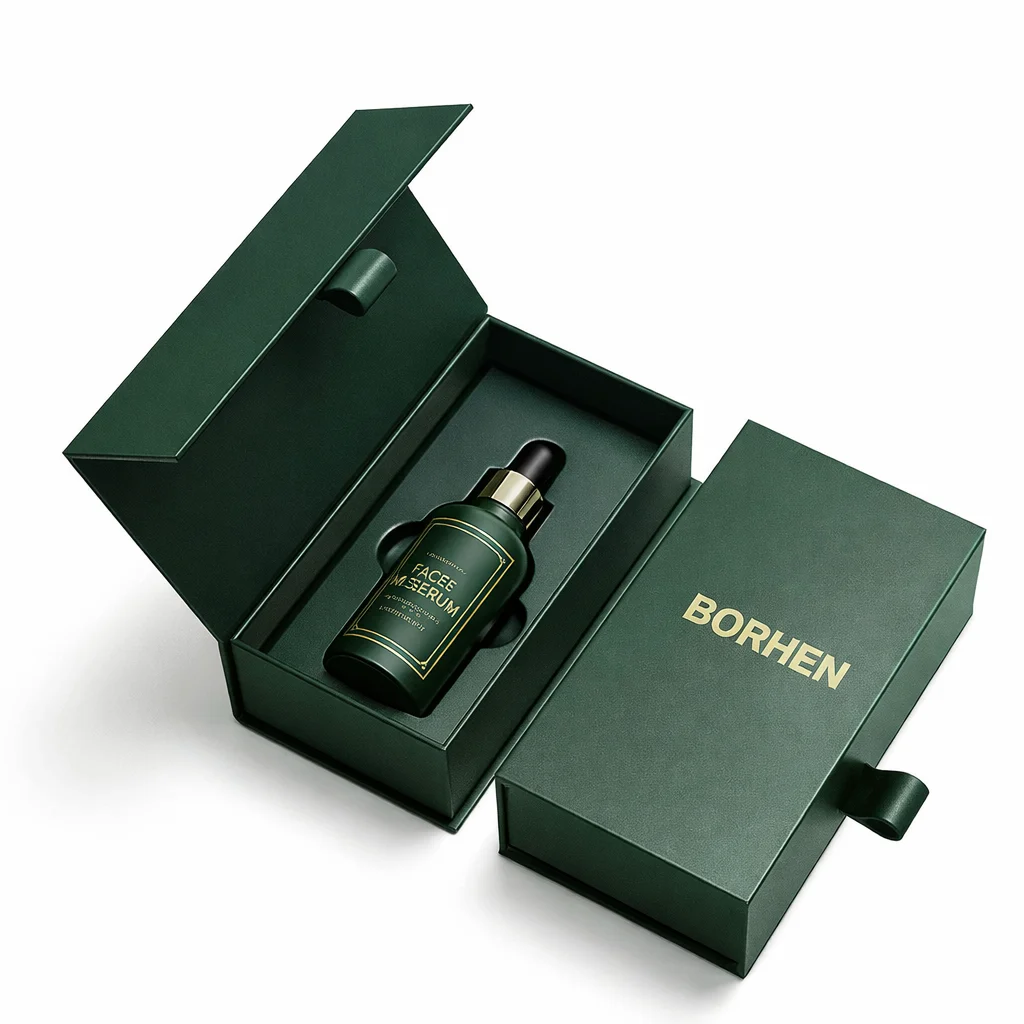
Your Trusted Perfume Box Manufacturer
We help you launch with confidence, start lean with flexible MOQs, and elevate your brand through fully customized Perfume Box—engineered for protection, presentation, and consistent quality as your business scales.

Custom Perfume Box
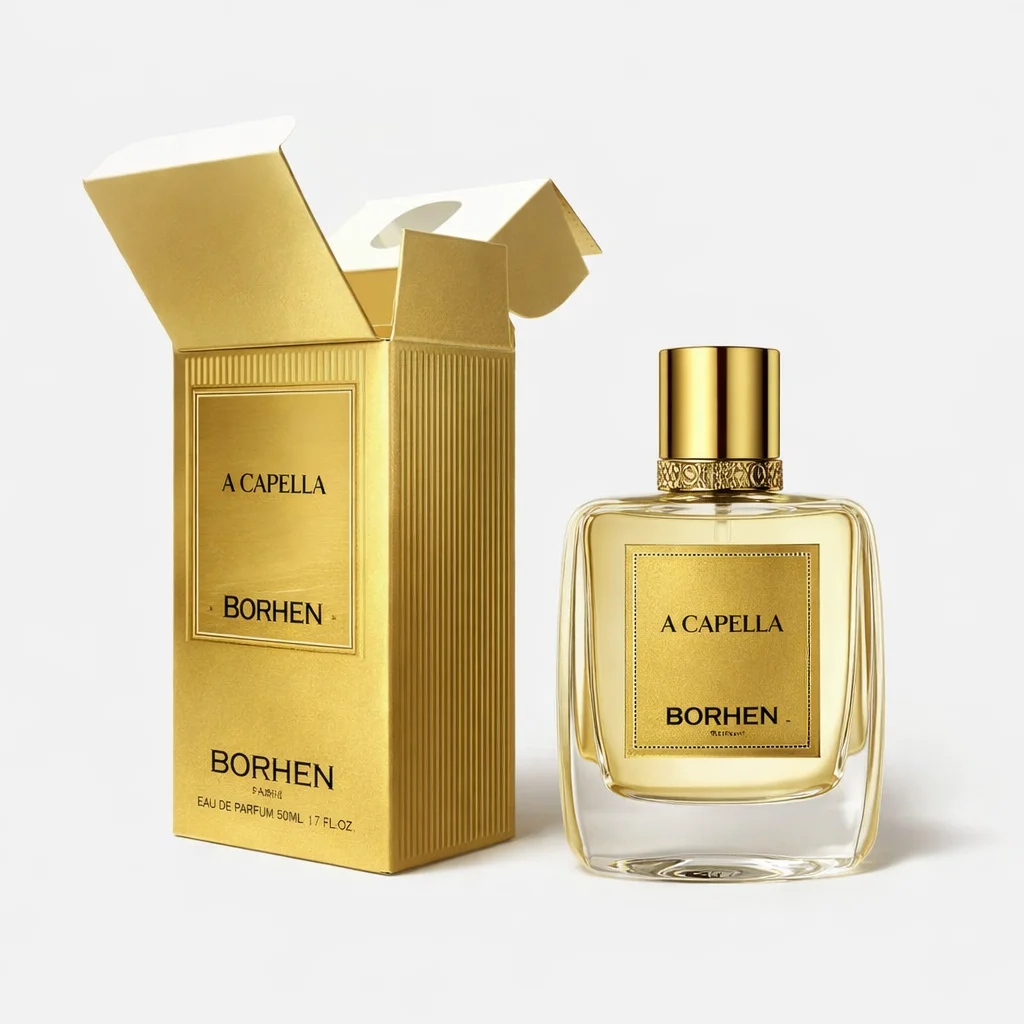
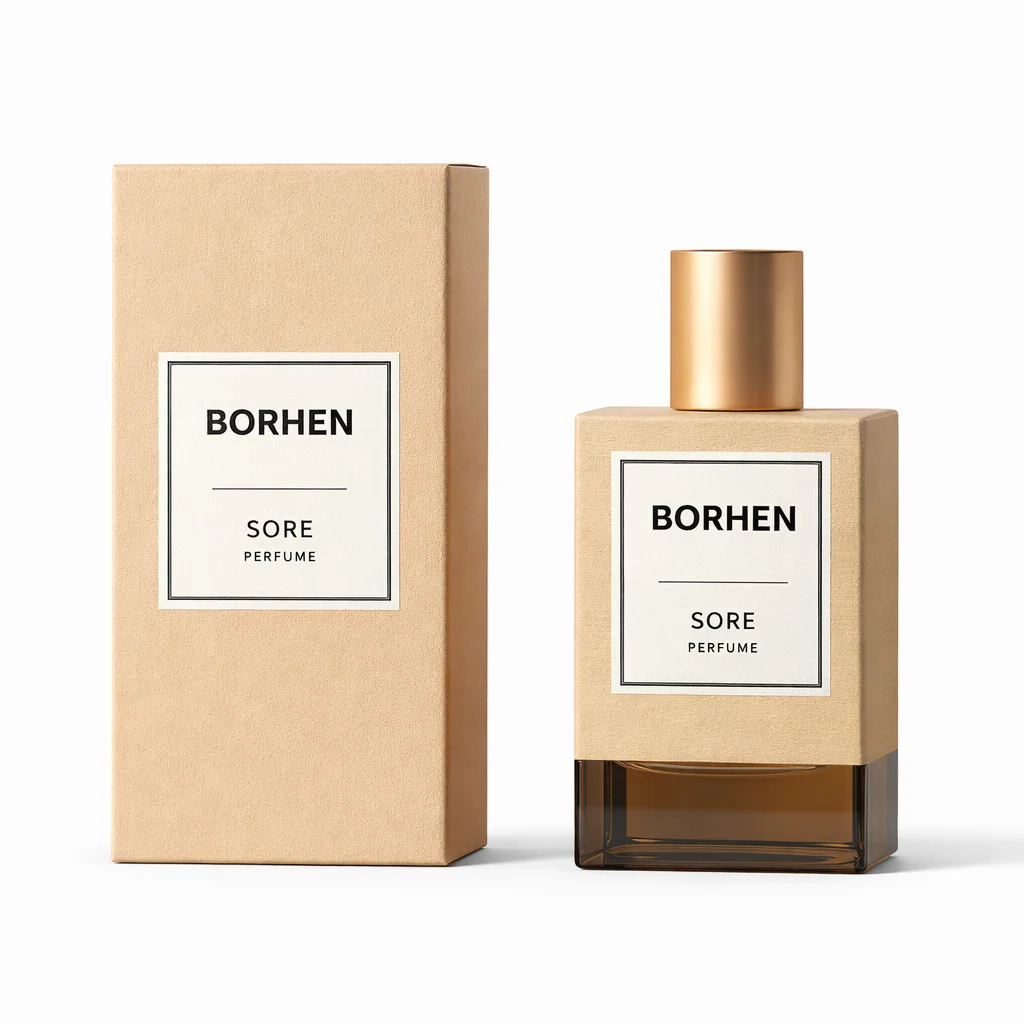
At Borhen Pack, we know that a custom perfume box is more than just outer packaging — it’s the first physical touchpoint between your fragrance and your customer. The way the box feels in hand, how the bottle sits inside, how smoothly it opens, and how solid it feels all influence whether your perfume is perceived as premium, refined, and worth remembering. That’s why we approach custom perfume box manufacturing from both a brand and production perspective, not simply as a printing job.
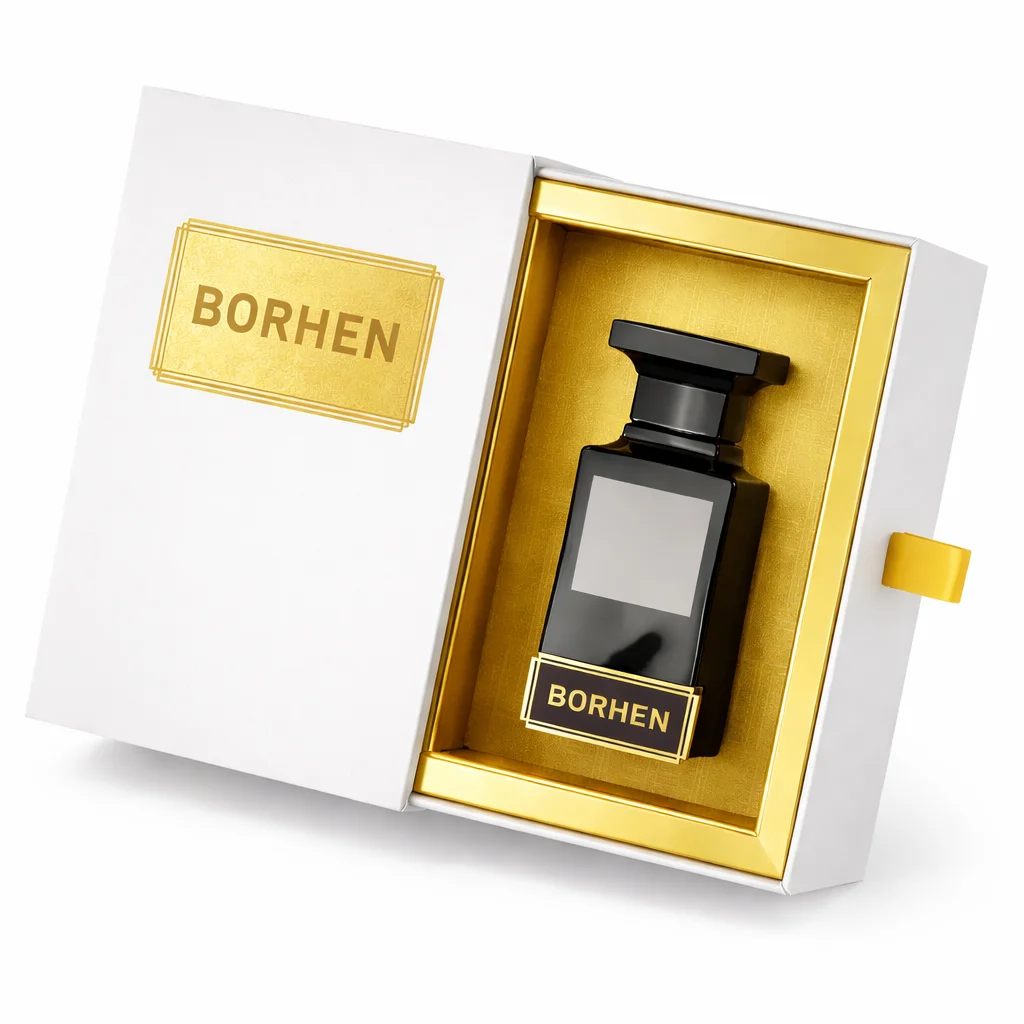
We work with perfume brand owners, DTC sellers, design studios, and sourcing teams who need packaging that looks sophisticated, protects fragile glass bottles, and stays consistent across repeat orders. From rigid perfume boxes with custom inserts, to magnetic closure boxes, drawer-style designs, folding cartons, and eco-friendly paper solutions, we manufacture perfume packaging that fits how fragrances are actually sold today — online, in retail, and as gifts. Every structure we produce is based on real use cases, production feasibility, and market expectations.
As your perfume box manufacturing partner, we don’t just “make boxes.” We help you turn your bottle design and brand positioning into a packaging solution that can be produced reliably, shipped safely, and reordered without surprises. Whether you’re launching a new fragrance with a lower MOQ or upgrading to a more premium presentation, we’ll guide you through materials, inserts, finishes, and production details — so your perfume boxes protect your product, elevate your brand image, and support long-term growth.
Rigid Perfume Boxes (Hardcover Boxes)
Folding Carton Perfume Boxes
Magnetic Closure Perfume Boxes
Drawer-Style Perfume Boxes (Slide Boxes)
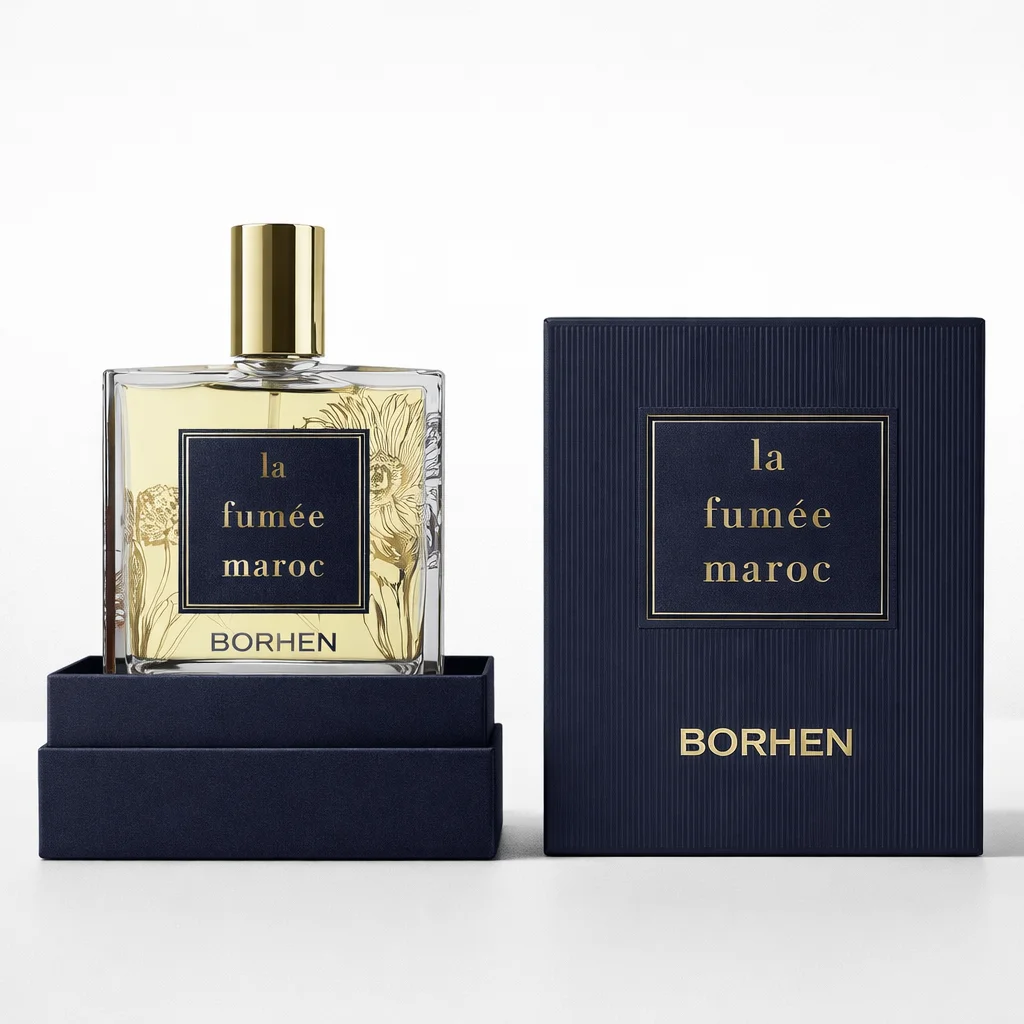
Two-Piece Perfume Boxes (Lid & Base)
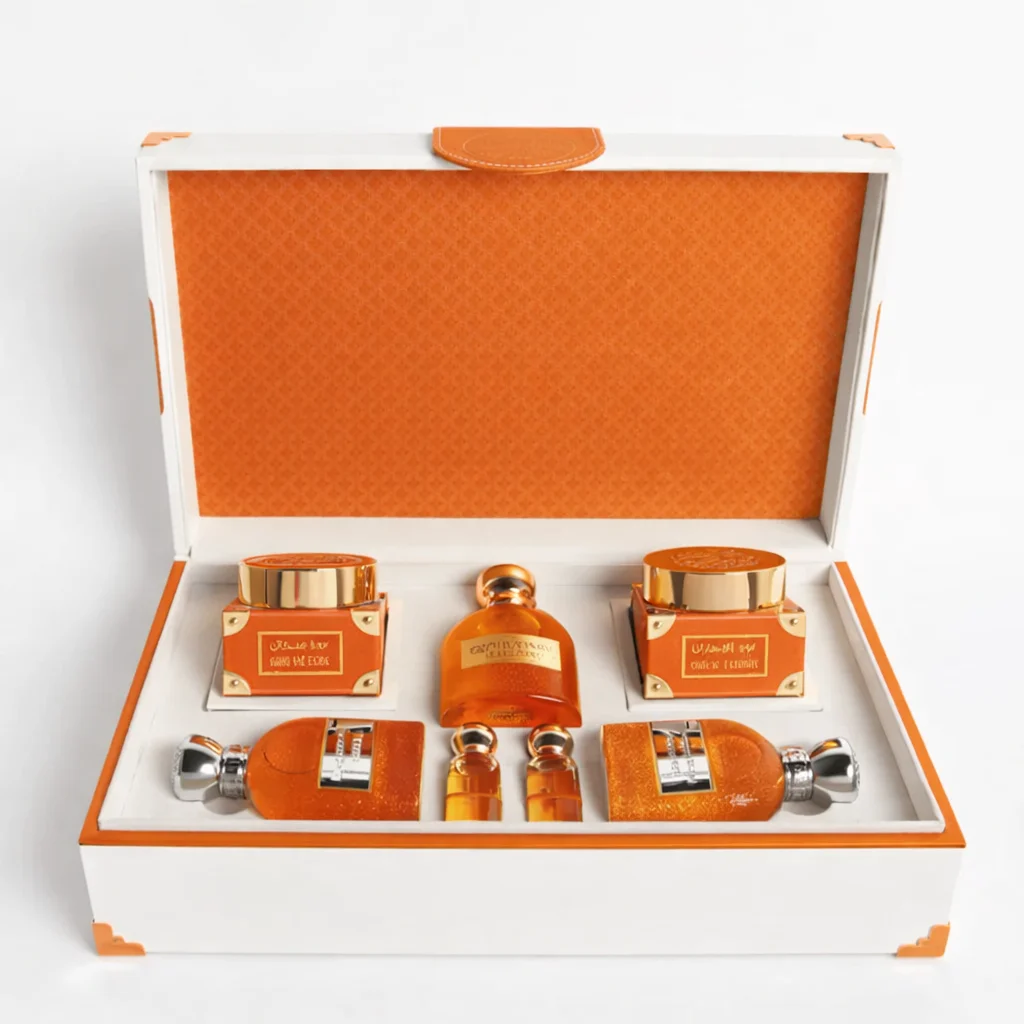
Perfume Gift Set Boxes
Eco-Friendly Perfume Boxes
Custom Insert Perfume Boxes
Build a Custom Perfume Box That Reflects Your Fragrance Brand
At Borhen Pack, we understand that a custom perfume box is not just packaging — it’s part of how your fragrance is experienced and remembered. From the weight of the box in hand, to how securely the bottle sits inside, to the way the lid opens and closes, every detail affects whether your perfume feels premium, trustworthy, and worth keeping. Today’s fragrance buyers expect more than a generic box. They expect thoughtful structure, refined materials, precise inserts, and an unboxing experience that feels deliberate and aligned with the brand.
Whether you’re launching a new DTC fragrance brand, upgrading from standard packaging, or preparing a premium perfume gift line, we help you create boxes that look right, feel right, and perform reliably at scale. We work closely with perfume brands, design studios, and sourcing teams to turn concepts into packaging that can actually be produced consistently — without unexpected issues in fit, color, or finish. Our approach is based on real market usage, retail presentation needs, and what fragrance brands successfully reorder over time, not just what looks good in a visual mockup.
We also make sure your custom perfume boxes are production-ready and export-friendly. From bottle protection and insert accuracy to structural strength and shipping efficiency, we help you test, launch, and scale your packaging with confidence — knowing your perfume boxes are stable, repeatable, and built to support long-term brand growth.
 Our Most In-Demand Custom Perfume Box Types Rigid Perfume Boxes – Premium, sturdy boxes designed to protect glass bottles and elevate luxury positioning. Drawer-Style Perfume Boxes – Sliding drawer structures that create a refined, modern unboxing experience. Magnetic Closure Perfume Boxes – Gift-ready boxes with clean lines and smooth open-close functionality. Folding Carton Perfume Boxes – Cost-efficient paper boxes ideal for DTC brands and high-volume production. Two-Piece Perfume Boxes (Lid & Base) – Classic premium structure with flexible sizing and a timeless retail look. Perfume Gift Set Boxes – Multi-item boxes for collections, holidays, and limited-edition launches. Eco-Friendly Perfume Boxes – FSC-certified paper, recyclable boards, and plastic-free packaging solutions. Custom Insert Perfume Boxes – EVA foam, paper pulp, or molded trays tailored to your bottle shape and drop-protection needs. MOQ & Customization Options (Designed for Real Fragrance Brands)
At Borhen Pack, we keep custom perfume box projects practical and brand-focused:
Product MOQ Most custom perfume boxes start from 500–1,000 pieces, depending on structure and materials.
Fully Customized Printing & Materials Custom colors, logo finishes, and specialty papers typically start from 2,000–3,000 pieces.
Customization Options Available
- Box structures (rigid, drawer, magnetic, folding)
- Insert materials (EVA foam, paper pulp, cardboard, molded trays)
- Logo finishes (hot stamping, embossing, debossing, UV coating)
- Paper types, textured wraps, and specialty surface materials
Included Support Every project includes structural guidance, insert fitting advice, material recommendations, sampling coordination, and production consistency checks — so your perfume boxes protect your bottles, present your fragrance correctly, and can be reordered smoothly as your brand grows.

More Than Just a Custom Perfume Box Manufacturer
At Borhen Pack, we don’t just manufacture perfume boxes — we help shape how your fragrance is experienced from the very first moment. Every rigid box, drawer box, magnetic box, or custom insert we produce is designed to protect delicate glass bottles, reinforce your brand image, and deliver an unboxing experience that feels intentional and premium across e-commerce, retail shelves, and gifting scenarios.

✅ Build Perfume Packaging the Market Already Accepts
We design custom perfume boxes based on real brand usage, not assumptions.
By working closely with fragrance brands, designers, and sourcing teams, we understand what actually performs in the market — from box structures that ship safely, to insert designs that secure bottles, to finishes customers associate with quality and authenticity. Whether it’s DTC fragrance launches, boutique retail packaging, or gift-ready perfume collections, we help you create boxes that fit how perfumes are bought, displayed, and reordered today.
✅ Low MOQ That Supports Brand Growth
We make it easier to start smart and scale without friction.
Many of our custom perfume box projects begin from 500–1,000 pieces, allowing brands to test new fragrances or upgrade packaging without heavy inventory risk. As demand grows, moving to 2,000–3,000+ pieces with fully customized materials, colors, and finishes is straightforward — without changing structures, suppliers, or production logic. The goal is simple: packaging that grows with your brand, not against it.
✅ Quality & Consistency You Can Reorder With Confidence
Perfume packaging isn’t a one-time decision — it’s a long-term commitment.
That’s why we focus on consistency from the first production run. We control materials, structural tolerances, insert fitting, and finishing details so your perfume boxes look and feel the same across repeat orders. This reduces damage risk, protects your fragrance bottles, and maintains brand consistency as you scale across SKUs, launches, and markets.

✅ Export-Ready Production for Global Fragrance Brands
We build custom perfume boxes with international shipping in mind.
From structural strength and material durability to packing methods and volume efficiency, we help ensure your boxes are suitable for global transport and fulfillment. Whether you’re selling in the US, Europe, the Middle East, or through cross-border e-commerce, we help you avoid packaging issues that lead to damage, delays, or unexpected costs
✨ Build Custom Perfume Boxes That Elevate Your Fragrance Brand
When you work with Borhen Pack, you’re partnering with a custom perfume box manufacturer that understands packaging is part of the fragrance experience — not an afterthought. We help turn perfume packaging ideas into boxes that protect delicate glass bottles, look refined on shelves, and are ready for global shipping. Our focus is on protection, presentation, and consistency, so your perfume feels premium the moment the box is opened.
Whether you’re launching a new DTC fragrance brand, upgrading from standard cartons, or preparing a premium perfume gift line, we design every perfume box with intention. From rigid perfume boxes and drawer-style designs to magnetic closures and custom inserts, our solutions are built to hold bottles securely, open smoothly, and create an unboxing experience customers recognize — and trust.
🧱 Custom Structures That Support Real Brand Value
We don’t push one-size-fits-all perfume box designs.
Every custom perfume box starts with how your bottle is used, displayed, and shipped. We work with proven structures and refine them to fit your brand — adjusting box depth, opening style, insert layout, and materials to properly support glass bottles of different shapes and weights.
Our team guides you through insert options such as EVA foam, molded paper pulp, cardboard, or eco-friendly solutions, balancing protection, cost, and presentation. If there’s a better way to improve bottle stability, reduce movement, enhance durability, or elevate the unboxing feel, we explain it clearly and help you choose the right direction. This practical, collaborative process helps your packaging stand apart from generic boxes and supports long-term brand credibility.
📦 Packaging That Grows With Your Brand
We believe great perfume packaging should be launch-friendly and scalable. You can start with 500–1,000 pieces using flexible materials and standard structures to test the market or support a new fragrance launch. As demand grows, scaling to 2,000–3,000+ pieces with fully customized papers, finishes, colors, and logo techniques is seamless — without redesigning everything from scratch.
Packaging Notes
- Standard custom perfume boxes: starting from 500–1,000 pcs
- Fully customized materials, colors, or finishes: typically from 2,000–3,000 pcs
- Custom inserts: matched to bottle shape, weight, and protection needs
We coordinate structures, inserts, logo finishes, and outer cartons — so your packaging stays cohesive, retail-ready, and consistent across repeat orders.
⚙️ A Clear, Reliable Production Process
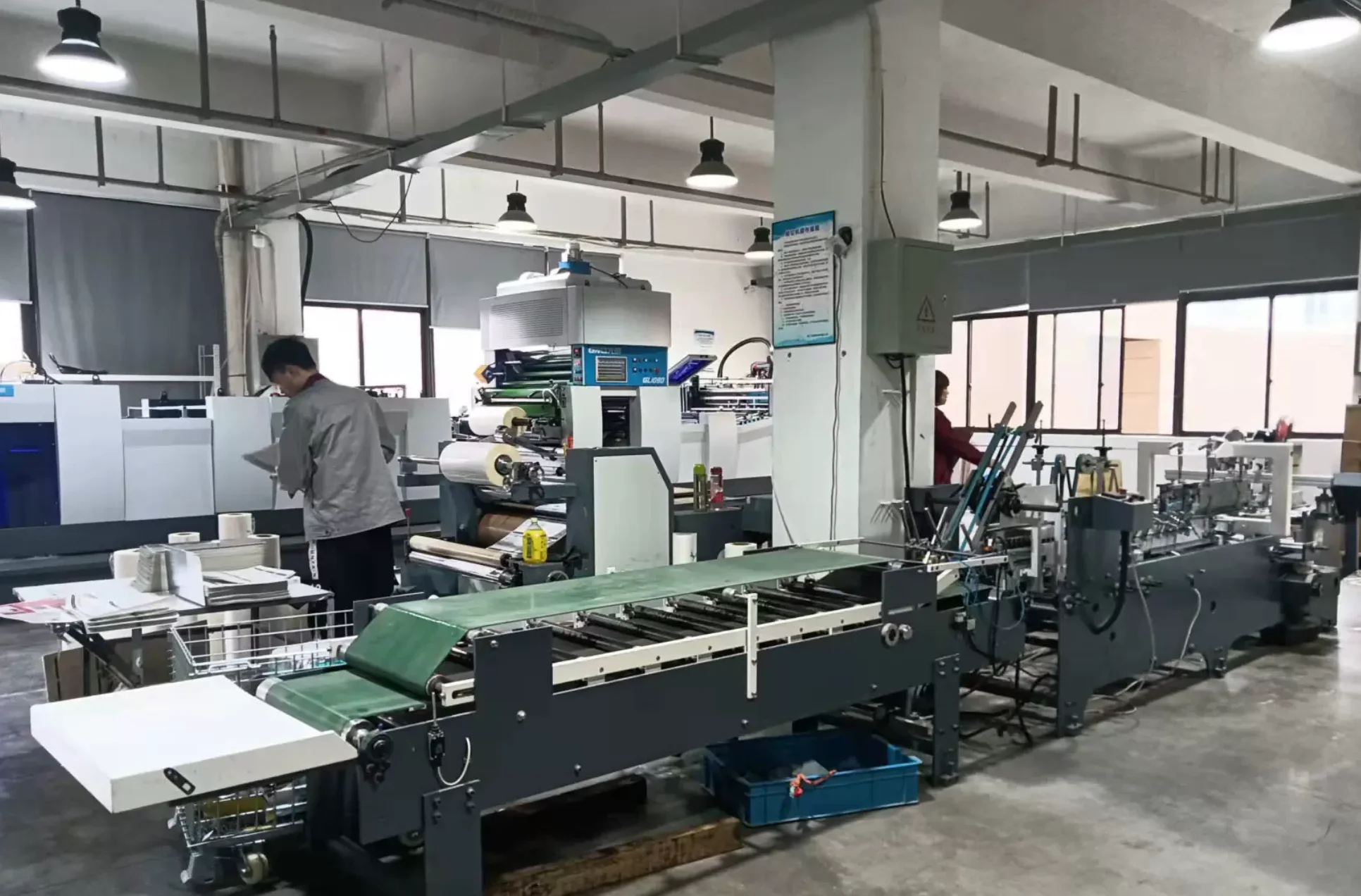
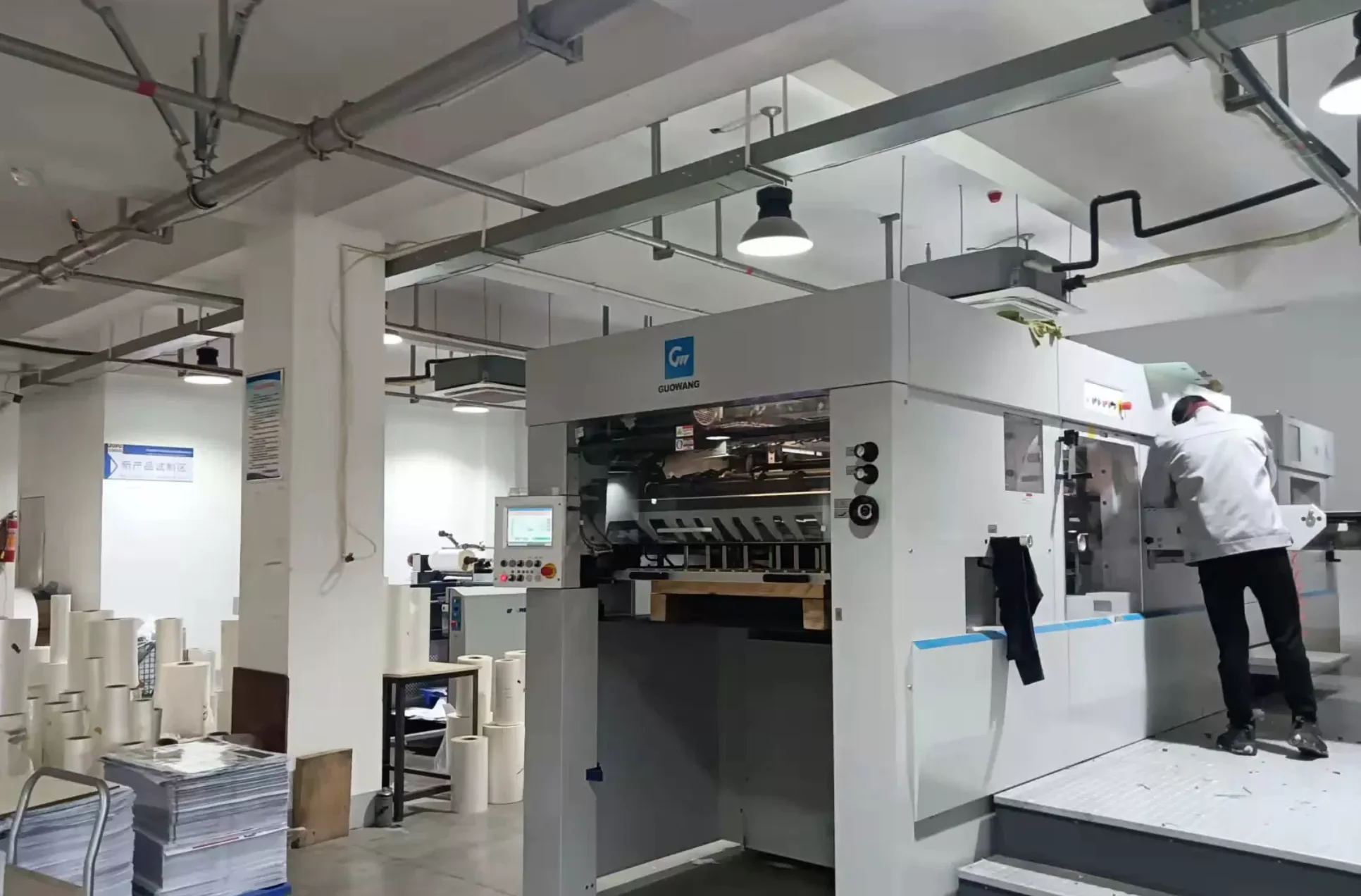
Everything is handled through a clear, coordinated workflow — from structure confirmation and sampling to material approval, mass production, and quality checks. We communicate openly, flag risks early, and keep timelines realistic. Many of our clients see us not just as a supplier, but as an extension of their operations team, helping them avoid costly packaging mistakes.
🌿 Built for Long-Term Growth, Not One-Off Orders
We measure success by how well your perfume packaging performs over time.
That’s why we focus on stable structures, repeatable materials, flexible MOQs, and production consistency that supports reorders as your brand grows. Whether you sell through e-commerce, boutiques, international distributors, or gift channels, we help you build perfume packaging that scales smoothly and protects your brand reputation.
With Borhen Pack, your custom perfume boxes are designed to launch smoothly, feel premium, and grow confidently with your business — not just for one project, but for the long run.

Who We Work With (And Why They Choose Us)
We work with startup founders, DTC sellers, and small creative brands who want to move fast — without worrying about complex supply chains.

For New Brands & First-Time Founders
You’re launching something new — and every dollar matters.
We make packaging simple, low-risk, and ready to test.
- MOQ from 500 units — ideal for first production runs
- Standard structures + custom branding — save time and design cost
- Free material samples — check quality before committing
💡 Why it works: lower upfront cost, faster approval, and clear next steps.
For DTC & E-Commerce Brands
You already know what sells — you just need packaging that fits your fulfillment flow.
- Fast sampling (7–10 days) for quick product drops
- Custom dieline & structural optimization to reduce shipping costs
- FSC-certified luxury finish options for better unboxing experiences
💡 We help you launch faster and look better online.
For Boutique & Established Teams
When you need precision and reliability for your repeat orders.
- Color-controlled reorders to maintain brand consistency
- QC + AQL reports for compliance and documentation
- Dedicated account manager for ongoing coordination
💡 We make sure every batch looks and feels exactly right.
FAQs Perfume Box
For your convenience, we’ve gathered the most commonly asked questions about our Perfume Box. However, should you have any further queries, please don’t hesitate to reach out to us.
1. What types of custom perfume boxes can you manufacture?
We manufacture a full range of custom perfume boxes, including rigid perfume boxes, drawer-style boxes, magnetic closure boxes, folding cartons, two-piece (lid & base) boxes, and perfume gift set boxes. We also specialize in custom insert perfume boxes designed to secure glass bottles of different shapes and weights. Whether you need a cost-efficient DTC box or a premium fragrance gift box, we can build it.
2. Can you help us choose the right box structure and insert for our bottle?
Yes — this is a key part of how we work.
You don’t need to be an expert in box structures or inserts. We’ll guide you through options like EVA foam, molded paper pulp, cardboard, or eco-friendly inserts, and recommend structures based on bottle protection, presentation, shipping safety, and cost. Our goal is to make sure your perfume bottle fits securely and looks right when the box is opened.
3. What’s your minimum order quantity (MOQ) for custom perfume boxes?
Most custom perfume box projects start from 500–1,000 pieces, depending on the structure, materials, and level of customization. For fully customized papers, colors, or special finishes, the MOQ is typically 2,000–3,000 pieces. We’ll always explain these numbers clearly and help you choose a realistic starting point based on your launch plan.
4. Can we start with a small order and scale up later?
Absolutely. Many fragrance brands start with smaller quantities to test a new scent or upgrade their packaging. We design box structures and inserts that can scale smoothly — so when you reorder at higher volumes, you don’t need to change suppliers or redesign everything from scratch.
5. How long does it take from design to production?
Sampling usually takes 2–3 weeks, depending on the structure, inserts, and materials involved. Mass production typically takes 20–30 days after sample approval. If you’re working toward a launch date, campaign, or seasonal deadline, let us know early — we’ll help plan the timeline realistically.
6. Can you match our brand colors and logo finishes accurately?
Yes. We support Pantone color matching and a wide range of logo techniques, including hot stamping, embossing, debossing, UV spot, and specialty finishes. All materials and finishes are confirmed during sampling so you can review color accuracy and surface effects before mass production.
7. Do you offer eco-friendly or sustainable perfume box options?
Yes. We support Pantone color matching and a wide range of logo techniques, including hot stamping, embossing, debossing, UV spot, and specialty finishes. All materials and finishes are confirmed during sampling so you can review color accuracy and surface effects before mass production.
8. Will the boxes be strong enough for international shipping?
Yes — we design perfume boxes with shipping in mind.
This includes structural strength, insert stability, outer carton packing, and volume efficiency. Whether you’re shipping to the U.S., Europe, the Middle East, or other regions, we help reduce damage risk and avoid packaging-related issues during transport.
9. Do you work with design agencies or clients who already have artwork?
Yes. We work with both design agencies and brand owners. If you already have finished artwork, we’ll review it for production feasibility. If you need help with dielines, layout adjustments, or print setup, we’ll guide you so your design translates accurately into the final box.
10. Do you ship globally and support international buyers?
Yes. We work with clients worldwide, including brand owners, distributors, and sourcing agents. We support export-ready packaging, documentation coordination, and international shipping arrangements. Our goal is to make the process clear, predictable, and easy to manage across borders.
What impressed us most was how clearly Borhen Pack explained every step of the perfume box development process. From choosing the right structure to fitting the inserts and confirming production timelines, everything was handled with transparency. The final boxes protected our glass bottles well and looked exactly as expected. Reordering has been smooth and reliable.
Daniel Rodriguez, Product Development Managerfrom United States
We were transitioning from stock packaging to fully custom perfume boxes, and Borhen Pack made the process easy to understand. They helped us balance cost, protection, and presentation without overcomplicating things. The boxes feel premium, the inserts fit perfectly, and the overall quality has been consistent across multiple orders.
Emily Thompson, Brand Operations Leadfrom United Kingdom
Borhen Pack stood out for their attention to detail and production consistency. They reviewed our artwork carefully, suggested improvements for bottle protection, and delivered samples that matched the final production very closely. This level of control gave us confidence to scale our orders without worrying about quality changes.
Luca Bianchi, Sourcing & Procurement Managerfrom Italy
We appreciated Borhen Pack’s practical approach to perfume packaging. They didn’t just focus on appearance, but also on shipping strength and export readiness. The boxes arrived well-packed, with no damage issues, and the materials and finishes were consistent across batches. Communication was clear and professional throughout.
Sophie Müller, Packaging & Supply Chain Managerfrom Germany
As a growing fragrance brand, we needed a supplier who could support low MOQs and still deliver a premium result. Borhen Pack guided us through materials, inserts, and finishes in a very straightforward way. The final perfume boxes elevated our product presentation and allowed us to scale packaging smoothly as demand increased.
Michael Anderson, Co-Founder & Product Leadfrom Canada
Borhen Pack in Numbers
Happy Clients
0 +
Million-dollar Buyers
0 +
Formulation
0 +
Professional Staffs
0 +
Your Ultimate Guide to Perfume Box
If you’re planning to develop or upgrade your perfume packaging—whether for a new fragrance launch, a private label project, or an existing brand refresh—you’re not just choosing a box. You’re making decisions that directly affect product protection, brand perception, shipping performance, and long-term scalability. In the fragrance category, packaging is never just visual. It plays a critical role in how customers judge quality, justify price, and trust the brand from the very first interaction.
We’ve seen the perfume box category evolve far beyond simple folding cartons. Today’s brands operate across e-commerce, retail, gifting, and international distribution, and each channel places different demands on structure, materials, inserts, and sustainability. Over the years, we’ve worked alongside startup founders launching their first fragrance, DTC and Amazon brands optimizing for logistics and reviews, design studios translating concepts into production-ready packaging, and overseas distributors who need consistency and reliability across markets. And in every case, perfume boxes involve far more strategy than most people expect.
This guide is built from what we’ve learned behind the scenes—what actually causes breakage and returns, why some box structures scale smoothly while others don’t, how inserts quietly determine shipping success, and how decisions around MOQ, materials, sustainability, and channels shape both cost and brand credibility. It’s not about trends or inspiration alone. It’s about understanding the real business logic behind perfume packaging.
Table of Contents
What Problems Does a Perfume Box Actually Solve?
When I talk with perfume brand owners or sourcing managers, I often notice that the perfume box is still seen as a visual layer added at the end of product development. In reality, from my experience, the perfume box solves several core business problems long before it becomes a design decision. It plays a role in protection, pricing logic, logistics stability, brand trust, and long-term customer behavior. Once you see it this way, packaging stops being decoration and starts becoming part of your commercial strategy.
Protecting Glass Bottles Beyond Basic Safety
Perfume bottles are almost always made of glass, and glass brings a specific set of challenges that many brands underestimate early on. I’ve seen bottles that look solid but crack under repeated vibration, pressure from stacking, or minor drops during fulfillment. A perfume box is not only there to surround the bottle, but to control how that bottle behaves inside the package. When the structure and insert are designed correctly, the bottle doesn’t shift, tilt, or absorb shock directly. This reduces breakage, but more importantly, it reduces the hidden costs that show up later in the form of replacements, refunds, and customer service issues.
Translating Brand Value Into Something Customers Can Feel
One thing I’ve learned is that customers judge a fragrance long before they spray it. The box is often the first physical signal of whether a brand feels credible at its price point. If the packaging feels light, unstable, or poorly finished, customers subconsciously question the value of what’s inside. A well-designed perfume box supports price justification by aligning weight, texture, structure, and opening experience with the brand’s positioning. Even for mid-range or entry-level brands, packaging helps explain why the product costs what it does.
Helping a Product Compete in Crowded Retail and Online Spaces
Shelf differentiation is a challenge that doesn’t get enough attention during packaging planning. In physical retail, perfumes are often displayed close together, and the difference between being noticed or ignored can come down to proportion, structure, and visual balance. Online, the box still matters because unboxing photos, reviews, and repeat impressions shape brand memory. From what I’ve seen, a perfume box doesn’t need to be loud or complex to stand out. It needs to feel intentional and recognizable, so customers remember it after the first interaction.
Reducing Shipping Damage and Operational Risk
Shipping is where many packaging problems reveal themselves. I’ve worked with brands that designed beautiful boxes but didn’t consider how they would perform in long-distance or cross-border shipping. A perfume box that isn’t structurally sound can increase damage rates, slow fulfillment, and create unexpected logistics costs. When packaging is designed with transport in mind, including internal support and outer carton compatibility, brands gain predictability. That predictability matters, especially when scaling into new markets or managing overseas distribution.
Supporting Customer Trust and Repeat Purchases Over Time
Trust is built through consistency, and packaging plays a role in that consistency more than many people realize. When customers receive a perfume that arrives intact, looks the same across multiple orders, and feels premium every time, they develop confidence in the brand. I’ve seen how even small packaging inconsistencies can weaken that trust. Over time, a reliable perfume box becomes part of the brand promise, helping customers feel comfortable reordering without hesitation.
Why These Problems Matter From a Commercial Perspective
All of these elements connect directly to business outcomes. Packaging decisions affect margins, return rates, logistics efficiency, brand perception, and customer loyalty. When a perfume box is designed to solve these problems from the beginning, brands avoid costly corrections later. From my perspective, this is why packaging should never be treated as a purely visual exercise. It is a practical business tool that supports growth, stability, and long-term brand credibility.
Common Mistakes Brands Make When Designing Perfume Boxes
When brands ask me what usually goes wrong in perfume box projects, the answer is rarely about printing quality or factory capability. Most problems start much earlier, during the design stage, when decisions are made without enough technical or commercial context. I’ve worked on projects where everything looked perfect on screen, yet failed once the boxes entered production, shipping, or reordering. These mistakes are common, but they are also preventable if you understand where the real risks lie before it’s too late.
Choosing a Box Structure Before Understanding Bottle Weight and Balance
One of the earliest and most damaging mistakes I see is selecting a box structure before fully understanding the bottle itself. Perfume bottles may share similar dimensions, but their weight distribution can be dramatically different. Thick glass bases, metal caps, or asymmetrical designs shift the center of gravity in ways that are easy to overlook at the concept stage. When structure is chosen first, brands often discover during sampling that the box feels unstable or top-heavy. At that point, fixes usually involve thicker boards, deeper inserts, or additional support layers, all of which increase cost and complexity. From my experience, the bottle should always dictate the structure, not the other way around.
Ignoring Insert Tolerance and the Reality of Manufacturing Variation
Insert design is often treated as a simple visual element, but in reality it is one of the most technical parts of perfume packaging. I’ve seen many cases where inserts look precise in CAD files, yet fail once produced in real materials. Manufacturing always involves tolerances, and even small variations in foam density, paper compression, or cutting accuracy can affect fit. When insert tolerance is ignored, bottles either move too freely or fit too tightly, causing damage, friction, or poor user experience. These issues usually surface only after shipping begins, when it is far more expensive to correct. Proper insert planning requires testing, adjustment, and a clear understanding of material behavior, not just measurements on paper.
Overdesigning Finishes Without Considering Long-Term Scalability
Another mistake I frequently encounter is overdesigning finishes in an attempt to make a strong first impression. I understand the temptation, especially for new brands that want to look premium from day one. However, finishes that look stunning in small runs often become problematic when scaling. Multiple foil layers, deep embossing, specialty coatings, or complex paper combinations can introduce color inconsistency, longer lead times, and higher minimums. I’ve worked with brands that had to redesign their packaging entirely because their original finish choices were too difficult or costly to maintain across repeat orders. From my perspective, good design is not about maximum decoration, but about choosing finishes that can be repeated reliably as the brand grows.
Designing for Visual Impact Without Accounting for Logistics
A perfume box does not live in a showroom. It moves through warehouses, shipping cartons, pallets, and fulfillment centers before reaching the customer. One of the most costly mistakes I see is designing packaging purely for aesthetics, without considering how it will be packed, stacked, and shipped. Boxes that are too tall, too delicate, or inefficient in carton layout increase shipping volume and damage risk. These problems often remain invisible until large orders are shipped, at which point logistics costs rise and damage rates increase. In my experience, the most successful perfume boxes are designed with logistics in mind from the very beginning, not treated as an afterthought.
Underestimating How Early Decisions Affect Reordering and Consistency
What makes these mistakes especially dangerous is how deeply they affect reordering. Once a box structure, insert, or finish is locked in, changing it later can disrupt consistency and confuse customers. I’ve seen brands struggle to match colors, textures, or fit across repeat orders simply because the original design did not account for long-term production realities. These inconsistencies can weaken brand trust and create internal headaches for sourcing and operations teams. When early decisions are made with reorders in mind, packaging becomes a stable asset rather than a recurring problem.
Avoiding These Mistakes Before It’s Too Late
When people ask me what they should avoid before designing perfume boxes, I always emphasize this point. Avoid making decisions in isolation. Avoid finalizing designs before understanding bottle behavior, material tolerances, logistics constraints, and future volume plans. From my experience, the brands that succeed long-term are not the ones with the most complex packaging, but the ones that make informed, disciplined decisions early. That discipline is what turns packaging from a risk into a reliable foundation for growth.
What to Consider Before Starting Perfume Box Design
Before any perfume box design begins, I always remind brands that this stage is not about creativity yet. It is about clarity. From my experience, most packaging problems do not come from bad design, but from unanswered questions at the very beginning. When these fundamentals are unclear, design decisions become assumptions, and assumptions almost always show up later as cost overruns, delays, or compromises.
Understanding Bottle Dimensions Is Only the Starting Point
When brands tell me their bottle size, I always ask more questions. Dimensions alone rarely tell the full story. I look at how thick the glass is, where the weight is concentrated, and how the cap affects balance. A tall bottle with a heavy base behaves very differently from a lighter bottle of the same height. I’ve seen boxes designed perfectly to size but fail because the bottle leaned inside or stressed one side of the structure during shipping. Understanding the physical behavior of the bottle early allows packaging to be designed around stability, not guesswork.
Why Bottle Weight Changes Structural Decisions
Weight affects more than protection. It influences board thickness, insert material choice, and even how the box feels in a customer’s hand. In my experience, heavier bottles require packaging that communicates confidence and control. When weight is ignored, brands often end up compensating later with thicker inserts or reinforced structures, which increases cost and complicates production. Thinking about weight from the beginning leads to cleaner design and more predictable results.
Clarifying Sales Channels Before Design Saves Time and Cost
One of the most common issues I see is brands trying to design one perfume box for every scenario. E-commerce, retail shelves, and gifting environments each place different demands on packaging. Online sales require stronger protection and efficient shipping, while retail packaging needs visual clarity and shelf presence. Gift packaging prioritizes opening experience and presentation. When brands are not clear about their primary sales channel, design decisions pull in different directions, and the final result often feels compromised. Clear channel definition allows packaging to serve its real purpose instead of trying to please every scenario at once.
How Sales Channels Affect Packaging Expectations
Customers interact with packaging differently depending on where they buy. From my experience, an e-commerce customer expects the box to arrive intact and feel secure, while a retail customer evaluates the brand visually before touching the product. Gift buyers focus on how the box opens and how it feels as an object. When these expectations are understood early, packaging can be designed intentionally instead of reacting to feedback after launch.
Aligning Packaging With the Target Price Point
Price positioning is another area where early clarity makes a huge difference. I’ve worked with brands whose packaging felt too luxurious for their price, creating suspicion instead of excitement, and others whose boxes felt underwhelming for a premium fragrance. Packaging should support the price, not contradict it. When the target price point is clear, decisions around structure, materials, and finishes become easier. From my perspective, the best packaging quietly reinforces value without drawing attention to itself.
Thinking Beyond the First Order Volume
Many brands focus only on their initial order size, especially during launch. I always encourage them to think beyond that first run. A box that works well at a small volume may become inefficient or expensive at higher quantities. At the same time, designing only for large-scale production can make early testing unrealistic. In my experience, the smartest approach is designing packaging that can start small and scale smoothly without redesign. This requires honest discussion about growth expectations before design begins.
Considering Shipping Destinations Early Prevents Costly Surprises
Shipping destinations are often discussed too late in the process. Domestic shipping and international shipping introduce very different risks. Longer transit times, more handling points, and different storage conditions all affect packaging performance. I’ve seen perfume boxes that performed perfectly in local delivery fail once shipped overseas. When shipping destinations are known early, structure and insert design can account for these conditions, reducing damage and avoiding emergency fixes after launch.
Why This Preparation Changes the Entire Design Process
When brands take the time to clarify these points before starting design, the entire process becomes more controlled. Conversations with designers and manufacturers become more productive, samples are closer to final expectations, and fewer revisions are needed. From my experience, this preparation stage is where successful perfume packaging is truly built. It transforms packaging from a reactive task into a strategic asset that supports the product from launch through long-term growth.
Choosing the Right Perfume Box Structure Based on Business Needs
When sourcing teams ask me how to choose a perfume box structure, I usually slow the conversation down. From my experience, structure decisions made too quickly often come back as cost pressure, logistics problems, or reordering limitations later. A box structure is not just a form factor. It is a long-term operational decision that affects protection, pricing logic, fulfillment efficiency, and how easily the packaging can scale as demand grows.
Understanding Why Rigid Boxes Signal Stability and Control
I tend to recommend rigid boxes when a brand needs maximum control over bottle protection and a strong premium signal at the same time. Rigid structures perform well with heavier glass bottles because they resist deformation and provide consistent support across the entire box. From a sourcing perspective, rigid boxes also allow more flexibility in insert engineering, which makes it easier to fine-tune bottle stability. However, I always make it clear that this stability comes with trade-offs. Rigid boxes increase material usage, assembly labor, and shipping volume. They work best when margins are healthy and when the brand expects to keep the same structure for multiple reorders without frequent adjustments.
Why Folding Cartons Often Win on Cost and Scalability
Folding cartons are frequently chosen when cost control and scalability matter more than heavy presentation. In my experience, they are one of the most practical options for brands planning growth or managing multiple SKUs. Folding cartons ship flat, reduce storage space, and adapt well to automated packing. When paired with well-designed inserts, they can still offer reliable protection for many perfume bottles. Procurement teams often favor folding cartons because they provide flexibility. They allow brands to test markets, adjust quantities, and scale volume without redesigning the entire packaging system.
When Magnetic Boxes Add Value Beyond Appearance
Magnetic boxes are usually selected for their opening experience, but I always encourage teams to think beyond the initial impression. A magnetic closure slows down the unboxing moment and communicates intention, which can be valuable for gifting or high-end presentation. From a business standpoint, magnetic boxes increase cost through additional components and manual assembly. I’ve seen them work well when the packaging itself is part of the perceived product value, but struggle in programs where efficiency and repeatability are critical. They make sense when the brand story justifies the extra cost and operational complexity.
How Drawer Boxes Balance Presentation and Structure
Drawer boxes offer a controlled reveal that works well for brands focused on storytelling and modern presentation. I often see them used when a brand wants something more engaging than a simple box, but without the bulk of more complex rigid designs. From a sourcing perspective, drawer boxes require tighter dimensional control between the inner tray and outer sleeve. At small volumes this is manageable, but at scale it demands disciplined production control. When executed properly, drawer boxes can be both elegant and repeatable, but they should be chosen with an understanding of their tolerance sensitivity.
Why Gift Set Boxes Are a Strategic, Not Decorative, Choice
Gift set boxes serve a different business function altogether. I usually see them introduced when brands want to increase average order value or create seasonal offerings. Structurally, gift set boxes are more complex because they must hold multiple items securely while still presenting them clearly. From my experience, the biggest mistake is designing gift sets too early or too elaborately. Overcomplicated internal layouts often lead to higher costs and fragile reordering. When gift set structures are designed with modularity and repeatability in mind, they become a scalable sales tool rather than a one-time project.
How Business Priorities Should Drive Structure Decisions
What I’ve learned over time is that structure selection only works when business priorities are clearly defined. If protection and consistency are critical, more robust structures make sense. If cost efficiency and scalability are the priority, simpler structures often outperform more complex ones over time. Branding goals matter, but they should be grounded in how the product is sold, shipped, and reordered. When structure decisions are made this way, packaging supports operations instead of creating friction.
Making Structure Choices That Still Work After the First Launch
For procurement and sourcing teams, the most important test of a box structure is not how it looks in the first production run, but how it behaves after repeated orders. I always encourage teams to imagine the third or fourth reorder, when volumes increase and timelines tighten. Structures that can absorb growth without redesign save time, reduce risk, and simplify supplier relationships. From my experience, choosing the right perfume box structure early is one of the most effective ways to protect both budget and brand credibility over the long term.
How Custom Inserts Solve Breakage and Quality Issues
When overseas buyers talk to me about quality problems in perfume packaging, the issue is rarely obvious at first glance. Boxes arrive looking intact, outer cartons seem fine, yet bottles inside are cracked, leaking, or damaged. From my experience, this is where most people realize too late that the real problem was never the box itself. It was the insert. Inserts are the hidden control system of perfume packaging, and they often matter more than the outer box when it comes to breakage, returns, and long-term quality stability.
Why the Insert Controls Bottle Behavior More Than the Box
A perfume box can be thick, rigid, and visually impressive, but if the bottle inside is free to move, the structure loses its purpose. I’ve seen many cases where brands invested heavily in premium outer boxes while using generic or loosely fitted inserts. During transport, vibration and repeated micro-impacts cause the bottle to shift, creating stress points that eventually lead to cracks. From a logistics perspective, the insert is the component that fixes the bottle in place and manages energy transfer during movement. Without proper insert control, even the strongest box becomes unreliable.
How Insert Design Directly Affects Shipping Outcomes
Shipping conditions are far harsher than most people expect. Packages are stacked, dropped, compressed, and exposed to vibration for long periods. In my experience, inserts are what determine whether a bottle absorbs that stress or transfers it directly to fragile areas like the neck or base. Poorly designed inserts often fail not because they look wrong, but because they allow gradual movement over time. That slow movement creates internal damage that may not be visible until the customer opens the box, which is exactly when trust is lost.
Understanding Insert Materials Through Real Use, Not Theory
Different insert materials behave very differently once they leave the factory. EVA foam offers strong shock absorption and consistency, which is why it is often used for heavier bottles or long-distance shipping. However, it increases cost and raises sustainability concerns in some markets. Molded pulp and paper-based inserts are attractive for eco-conscious brands, but from my experience they require very tight tolerances and careful structural design to avoid looseness or collapse. Cardboard inserts are cost-effective, yet they are unforgiving if measurements are slightly off. Choosing insert material without considering real transport conditions often leads to false confidence early and problems later.
How Small Tolerance Errors Become Big Problems at Scale
One of the most underestimated issues in insert design is tolerance. Even a few millimeters of extra space can allow movement that becomes destructive during long transit. I’ve worked with distributors who saw damage rates increase only after scaling volume, even though early shipments looked fine. This happens because small flaws compound over time and distance. Insert tolerance must account for material compression, production variation, and handling stress. When this is ignored, quality issues appear slowly and are much harder to trace back to their source.
The Hidden Cost of Returns Caused by Insert Failure
From a financial perspective, insert-related failures are one of the most expensive problems in perfume packaging. The cost is not limited to replacing a bottle. It includes reverse logistics, customer service labor, damaged brand reputation, and in some cases distributor disputes. I’ve seen overseas buyers absorb these losses quietly because fixing packaging midstream feels too disruptive. Over time, these hidden costs often exceed what proper insert engineering would have cost in the first place.
Balancing Protection, Cost, and Sustainability in Insert Decisions
Insert design is always a balancing act. I understand why buyers hesitate to invest heavily here, especially when margins are tight. However, from my experience, the cheapest insert is often the most expensive decision long-term. The goal is not maximum protection at any cost, but the right level of protection for the bottle, shipping distance, and market expectations. Sustainability can be part of this equation, but only when performance is not compromised. Eco-friendly inserts must be designed with the same discipline as traditional materials, or they create more waste through damage and replacement.
Why Overseas Shipping Makes Insert Design Non-Negotiable
International logistics amplify every weakness in packaging design. Longer transit times, more handling points, and unpredictable storage conditions all increase stress on the product. I’ve seen perfume boxes perform well domestically and fail completely once exported. For overseas buyers and distributors, inserts are not optional enhancements. They are a critical risk management tool. When insert design is done correctly, damage rates drop, disputes decrease, and operations become far more predictable.
Treating Inserts as a Strategic Quality Investment
From my perspective, inserts should never be treated as an afterthought or a cost-saving target. They are one of the few packaging components that directly protect revenue, reputation, and customer trust at the same time. When inserts are engineered thoughtfully, they quietly do their job across thousands of shipments. When they are overlooked, they become one of the biggest hidden costs in perfume packaging. Understanding this early allows buyers to make smarter decisions before those costs appear.
MOQ Explained: How Order Quantity Affects Design and Cost
Whenever I speak with startup founders or private-label buyers, MOQ is almost always the most misunderstood part of packaging. Many people assume MOQ is simply a factory preference or a negotiation point. From my experience, MOQ is actually a reflection of how packaging production works at a physical and financial level. It influences not only cost per unit, but also what kind of design decisions are realistic, sustainable, and repeatable over time.
Why MOQs Exist and Why They Are Not Arbitrary
I’ve learned that MOQs exist because packaging production involves fixed costs that do not scale down easily. Printing setup, cutting dies, material sourcing, machine calibration, and labor preparation all require time and resources regardless of quantity. When order volume is low, those fixed costs are distributed across fewer boxes, making each unit more expensive and less stable in quality. From a planning perspective, MOQ is not designed to limit small brands, but to ensure that production can actually be executed with consistency and control.
How Low Order Quantities Shape Early Design Decisions
When quantities are small, design freedom is naturally limited. I’ve seen many early-stage brands design packaging as if they were producing at scale, only to discover that their quantities do not support those choices. At low volumes, it is far more practical to focus on structure, proportion, and fit rather than specialty materials or complex surface effects. In my experience, brands that accept these constraints early avoid costly redesigns and delays once production realities become clear.
The Impact of MOQ on Paper Choice and Material Availability
Paper selection is one of the first areas where MOQ limitations become visible. Many specialty papers, textures, and custom colors are produced in large batches by paper mills and suppliers. When quantities are low, these materials may be unavailable or priced disproportionately high. I’ve worked with brands that became emotionally attached to a specific paper during the design phase, only to find out later that it required a much higher order volume. Choosing commonly available materials at low MOQ allows brands to move faster and remain flexible as demand evolves.
Why Color Accuracy and Finishes Depend on Volume
Color matching and finishing processes are far more sensitive to order quantity than most people expect. Precise Pantone matching, foil stamping, embossing, and specialty coatings all require setup, testing, and consistent production conditions. At low volumes, these processes are harder to stabilize, which increases the risk of color variation and finish inconsistency. From my experience, higher volumes allow these details to be controlled more tightly because production runs become more efficient and predictable. This is why many brands introduce advanced finishes later in their growth cycle rather than at launch.
Understanding the True Cost of Overdesigning at Low MOQ
One of the most common mistakes I see is overdesigning packaging too early. The intent is understandable, especially for brands trying to stand out. However, complex designs at low MOQ often create a trap. They increase cost, extend lead times, and make future scaling more difficult. I’ve seen brands forced to simplify or redesign packaging shortly after launch because their initial design could not adapt to higher volumes. Designing with restraint at low MOQ protects both budget and brand consistency.
Planning Packaging That Can Grow Without Structural Changes
From my perspective, the smartest packaging strategies treat MOQ as a temporary stage, not a permanent limitation. Even if the first order is small, the box structure, insert layout, and overall dimensions should be designed to scale. When this is done correctly, future upgrades happen through material changes, finish improvements, or printing enhancements rather than structural redesign. This approach allows brands to maintain visual continuity while improving perceived value over time.
How MOQ Affects Cash Flow and Inventory Risk
MOQ decisions are also closely tied to cash flow. Ordering too many boxes too early ties up capital and increases inventory risk, while ordering too few with overly complex design increases unit cost and operational stress. I’ve seen brands struggle not because their product failed, but because their packaging strategy was misaligned with their financial reality. Understanding how MOQ interacts with budget and inventory planning helps brands make packaging decisions that support growth instead of restricting it.
Using MOQ as a Strategic Planning Tool
Over time, I’ve come to see MOQ as a strategic tool rather than a limitation. Brands that plan their packaging roadmap around MOQ transitions tend to scale more smoothly. They launch with practical, production-friendly packaging, then layer in more advanced materials and finishes as volume grows. This approach builds confidence with suppliers, improves quality consistency, and reduces surprises. When MOQ is understood and planned for, packaging becomes a stable foundation instead of a recurring source of frustration.
How to Evaluate a Perfume Box Manufacturer (Before You Commit)
When sourcing managers or distributors ask me how to properly evaluate a perfume box manufacturer, I usually tell them this decision will matter far longer than the first order. From my experience, most packaging failures do not come from bad intentions or even lack of skill, but from choosing a supplier without fully understanding how they operate once production pressure begins. Evaluating a manufacturer before committing is about reducing uncertainty, not just comparing samples or prices.
Why Experience With Perfume Packaging Is Fundamentally Different
The first thing I always examine is whether the manufacturer truly understands perfume packaging as its own category. Perfume boxes are not the same as general paper packaging. They involve heavy and fragile glass bottles, precise insert engineering, and higher expectations for surface finishes and consistency. I’ve seen manufacturers with strong general packaging experience struggle badly once perfume-specific challenges appear. Real experience shows itself in how they talk about bottle weight, balance, insert tolerance, and long-distance shipping risks. If a supplier cannot clearly explain these issues early, problems tend to surface later in production.
Using the Sampling Process as a Reality Check
I treat the sampling stage as a stress test rather than a formality. From my experience, sampling reveals how a manufacturer translates ideas into physical results under real constraints. I pay attention to how long sampling takes, how closely samples match the final expectation, and how feedback is handled. When a supplier responds defensively or vaguely to sample revisions, it often signals future friction. A disciplined sampling process usually means the manufacturer understands risk control and values consistency, which is far more important than speed alone.
Looking Beneath the Surface of Quality Control Claims
Every manufacturer claims to have quality control, but I’ve learned to look at how it actually works in practice. I want to understand where checks happen, how often they occur, and what happens when issues are found. From my experience, manufacturers who rely mainly on final inspection often miss structural or material inconsistencies that only appear after reorders. Strong quality control is integrated throughout production, not applied at the end. This is especially important for perfume boxes, where small variations in fit or finish can create noticeable differences across batches.
Why Communication Style Predicts Long-Term Reliability
Communication is one of the most reliable indicators of future performance. I pay close attention to how clearly a manufacturer explains limitations, timelines, and potential risks. Overly optimistic communication may sound reassuring at first, but it often leads to disappointment later. From my experience, reliable manufacturers are transparent about what can and cannot be done, especially under tight schedules or changing requirements. Clear communication builds trust and reduces misunderstandings that become costly once production is underway.
Evaluating Reorder Consistency Before the First Order
Many buyers focus heavily on the first production run, but I’ve learned that reorders reveal a manufacturer’s true capability. I always consider whether a supplier has systems in place to maintain material consistency, color accuracy, and insert fit across multiple orders. Inconsistent reorders create brand confusion and operational stress, especially for distributors serving multiple markets. From my experience, manufacturers who plan for reorders from the beginning are far more reliable long-term partners than those who treat each order as a separate project.
Understanding How Manufacturers Handle Pressure and Change
The real test of a manufacturer is not when everything goes according to plan, but when it doesn’t. I always try to understand how suppliers respond to changes, delays, or unexpected issues. Do they communicate early, or wait until problems escalate? Do they offer practical solutions, or shift responsibility? From my experience, manufacturers who manage pressure calmly and systematically are the ones who can support growing brands and complex supply chains.
Why Price Alone Is a Dangerous Evaluation Metric
Price is always part of the conversation, but I’ve seen too many sourcing decisions fail because cost was treated as the primary criterion. Lower pricing often hides higher long-term costs in the form of delays, quality issues, or replacements. From my perspective, evaluating a manufacturer means looking at total operational impact, not just unit cost. A slightly higher price can be justified if it reduces uncertainty and supports stable, repeatable production.
Making a Commitment That Supports Long-Term Supply Stability
When I evaluate a perfume box manufacturer, I always ask myself whether this partnership will still make sense a year from now. Will this supplier be able to support growth, new SKUs, and changing market requirements without constant renegotiation or redesign? From my experience, manufacturers who invest in process discipline, communication clarity, and long-term consistency are the ones who help brands grow with confidence. Choosing a supplier this way turns packaging from a recurring risk into a stable foundation for expansion.
Designing Perfume Packaging for Different Sales Channels
When brands tell me they want “one perfume box that works everywhere,” I usually pause the conversation. From my experience, this expectation is one of the biggest reasons packaging starts to fail once a brand grows beyond a single channel. Perfume packaging is not just about holding a product. It is about supporting how that product is sold, shipped, displayed, and experienced. Each sales channel applies pressure in a different way, and ignoring those differences almost always leads to compromises that show up later as higher costs, damage, or brand inconsistency.
How E-Commerce Shipping Redefines Packaging Priorities
E-commerce is where packaging faces the most physical stress and the least forgiveness. From my experience, boxes designed for online sales must survive long shipping distances, automated sorting systems, and repeated handling without the benefit of careful retail staff. Customers only see the packaging after it has completed this journey, so any damage immediately feels like a brand failure. In e-commerce, I’ve learned that internal stability matters more than visual complexity. Inserts, structure, and carton efficiency determine whether a box arrives intact. Designs that look refined in a studio often struggle when exposed to real shipping conditions, which is why packaging for e-commerce must be engineered first and styled second.
Why Retail Shelves Demand Visual Discipline and Durability
Retail packaging lives in a completely different environment. On shelves, the box must communicate brand positioning before anyone touches it. From my experience, proportions, surface finishes, and visual clarity are critical in retail settings where customers compare multiple products side by side. At the same time, retail boxes are handled frequently, opened by staff, and exposed to lighting and friction over long periods. I’ve seen retail packaging degrade quickly when materials scuff easily or lose shape. Designing for retail means choosing structures and finishes that maintain their appearance over time while still protecting the bottle inside.
Gift Campaigns Change the Emotional Role of Packaging
Gift-focused packaging shifts the role of the box from protection to presentation. When someone buys a perfume as a gift, the box becomes part of the emotional value. From my experience, gift buyers notice details such as how the box opens, how heavy it feels, and how the product is revealed inside. This often justifies more elaborate structures or premium finishes, but it also introduces higher cost and more complex assembly. I’ve seen gift packaging succeed when it is designed intentionally for seasonal or limited campaigns and struggle when brands try to use the same design year-round across all channels.
Subscription Boxes and the Challenge of Repeated Exposure
Subscription channels introduce a very different challenge that is often overlooked. From my experience, packaging in a subscription model must perform well not once, but repeatedly. Customers receive the product again and again, which changes how they perceive packaging value. Overly complex boxes can feel wasteful or excessive over time, while overly simple packaging can slowly weaken brand perception. Subscription packaging must balance durability, cost efficiency, and consistent brand experience across repeated deliveries. This balance is difficult to achieve if packaging is designed only for one-time impact.
Why a Single Box Design Rarely Survives Multi-Channel Expansion
One of the most common patterns I’ve observed is a box designed perfectly for the launch channel becoming a liability during expansion. A structure that works well for retail may fail in e-commerce shipping. A gift box may be too expensive or inefficient for subscriptions. From my experience, trying to force one design to serve every channel usually results in compromises that satisfy none of them fully. Understanding this early allows brands to plan variations instead of reacting under pressure later.
Maintaining Brand Consistency Across Different Packaging Structures
The most successful brands I’ve worked with treat packaging as a system rather than a single object. They maintain consistent brand cues such as proportions, color language, typography, and material feel, while adapting structure and protection to different channels. From my experience, this approach allows brands to scale without confusing customers or inflating costs. Channel-specific adjustments become deliberate decisions instead of emergency fixes.
Making Channel Strategy Part of Early Packaging Planning
When channel strategy is considered from the very beginning, packaging decisions become far more intentional. Conversations with designers, manufacturers, and distributors become clearer, and trade-offs are easier to manage. From my perspective, designing perfume packaging for different sales channels is not about complexity for its own sake. It is about acknowledging reality, reducing risk, and ensuring that packaging supports how the product is actually sold, not just how it looks in isolation.
Sustainable Perfume Boxes: What Actually Works in Practice
Sustainable materials often carry higher or less predictable costs. FSC papers, recycled boards, and plastic-free inserts can require tighter production control, which increases labor and waste if not planned properly. I have worked with brands that underestimated these costs and had to compromise quality to stay within budget. From my experience, sustainability decisions work best when cost implications are acknowledged early and factored into pricing strategy, rather than treated as an afterthought.
Durability Is the Most Overlooked Sustainability Metric
Durability rarely appears in sustainability marketing, yet it is one of the most important factors. A perfume box that scuffs easily, loses shape, or cannot survive storage creates additional waste through replacements and reprints. I have seen brands promote sustainable packaging that had to be redesigned within months because it did not hold up in real use. From my perspective, durable packaging is inherently more sustainable because it reduces repetition, waste, and operational disruption.
EU Buyer Expectations Go Beyond Materials
European buyers tend to evaluate sustainability more critically than many brands expect. From my experience, EU partners look not only at materials, but at consistency between claims and performance. Packaging that fails in shipping or requires frequent replacement quickly undermines sustainability messaging. In EU markets, credibility is built when packaging quietly performs as promised, not when sustainability is overemphasized without operational proof.
Avoiding Greenwashing Through Honest Design Choices
Greenwashing often happens unintentionally when brands prioritize messaging over mechanics. I have found that the most credible sustainable perfume boxes are rarely the most extreme. They use FSC papers that perform well, recyclable materials supported by smart structure, and plastic-free inserts only where protection is proven. These choices may not sound dramatic, but they work consistently. Sustainability that works in practice does not need to be loudly explained. It is demonstrated through reliability.
What Sustainable Perfume Packaging Looks Like When It Truly Works
When sustainable perfume packaging is done correctly, it feels balanced and dependable. The box holds its shape, the insert protects the bottle, and the materials align with environmental goals without sacrificing performance. From my experience, these solutions reduce damage, stabilize costs, and strengthen brand trust over time. True sustainability in perfume packaging is not about achieving perfection. It is about making disciplined, informed decisions that hold up under real-world conditions.
Perfume Box Trends for 2026: Design, Materials, and Structure
When I think about perfume box trends for 2026, I don’t think in terms of colors or shapes first. I think about pressure. Pressure from rising costs, pressure from logistics complexity, pressure from sustainability scrutiny, and pressure from brands needing to grow without losing credibility. From my experience, trends that survive are never just visual. They are responses to real constraints, and in 2026 those constraints are shaping packaging decisions more strongly than ever.
Minimalist Luxury Becomes a Signal of Brand Confidence
In 2026, minimalist luxury is no longer about removing decoration for the sake of style. It becomes a signal of confidence and control. From what I’ve seen, brands are learning that fewer elements create fewer risks. Cleaner layouts reduce printing variables. Simpler finishes improve consistency across batches. When proportions are right and materials feel intentional, minimalism communicates value without explanation. This trend aligns closely with cost control and brand trust, because customers increasingly associate restraint with maturity rather than lack of investment.
Structural Simplicity Is a Direct Response to Scaling Pressure
One of the strongest shifts I observe is toward structural simplicity. Complex box constructions often perform well in small runs but struggle once volumes increase. In 2026, brands are prioritizing structures that assemble easily, travel efficiently, and repeat consistently. From my experience, simpler structures reduce assembly errors, shorten lead times, and stabilize quality across reorders. This trend is not about lowering standards. It is about designing packaging that respects how production and logistics actually work at scale.
Texture-Driven Materials Replace Heavy Graphic Storytelling
As graphics and finishes are simplified, material texture takes on a larger role. In 2026, I see brands relying more on how packaging feels rather than how much it shows. Subtle textures, natural fibers, and tactile surfaces communicate quality without requiring complex printing processes. From my experience, texture-driven materials also age better over time and are easier to keep consistent across production runs. This approach supports both cost efficiency and sustainability, because it reduces reliance on coatings and mixed-material treatments.
Modular Gift Sets Reflect More Flexible Business Models
Gift packaging is not disappearing, but it is becoming more modular. In 2026, brands are designing gift sets that can adapt across campaigns, regions, and product combinations. From a structural perspective, this means fewer fully custom components and more reusable layouts. From a business perspective, modularity reduces inventory risk and allows faster response to seasonal demand. I’ve seen brands struggle when gift packaging is designed as a one-time concept. Modular systems survive longer because they support change without redesign.
Sustainability-Led Design Moves Into Structural Decisions
By 2026, sustainability is no longer credible when it exists only at the material level. From my experience, sustainability-led design now means adjusting structure, volume, and protection strategy. Brands are simplifying boxes to reduce material use, choosing papers that are recyclable yet durable, and designing inserts that are plastic-free without sacrificing stability. The key shift I see is that sustainability is evaluated through performance. Packaging that reduces damage, reprints, and replacements is considered more sustainable than packaging that simply looks eco-friendly.
Logistics Reality Shapes Design More Than Visual Trends
Logistics pressure continues to shape what works and what fails. In 2026, packaging that ships compactly, stacks efficiently, and survives automated handling gains preference. I’ve seen visually impressive designs fail simply because they increased shipping volume or damage rates. Trends that align with logistics efficiency tend to spread quietly but quickly, because they reduce operational friction. From my perspective, logistics is no longer a constraint that design reacts to. It is one of the main forces driving design direction.
Cost Discipline Becomes a Design Principle
One of the most noticeable shifts I see is that cost discipline becomes part of design thinking, not an afterthought. In 2026, brands are designing packaging with a clear understanding of unit economics, reorder pricing, and long-term margins. From my experience, designs that ignore cost realities rarely survive beyond the first year. Trends that support predictable costs and stable reorders are favored over those that require constant negotiation or adjustment.
Brand Positioning Determines How Trends Are Applied
Not every trend fits every brand, and this becomes more obvious in 2026. I always remind teams that trends should reinforce brand positioning, not override it. Minimalist structures support premium and niche brands well, but may not suit expressive or artistic identities. Modular systems work for scalable brands, but may conflict with exclusivity-focused strategies. From my experience, successful brands apply trends selectively, adapting them to strengthen their identity rather than following them wholesale.
Designing for 2026 Means Designing for the Years After
The brands that benefit most from 2026 trends are the ones designing beyond 2026. They choose structures that can be reused, materials that can evolve, and visual systems that allow refinement rather than reinvention. From my experience, packaging designed with longevity in mind reduces redesign cycles and protects brand equity. Trends should guide direction, but long-term thinking determines success.
What These Trends Mean in Real Packaging Decisions
When I look at perfume packaging moving into 2026, the direction is consistent across markets. Less visual noise and more intentional design. Fewer components and stronger control. Materials that communicate quality through touch rather than excess decoration. Structures that support logistics instead of fighting them. Sustainability that proves itself through performance rather than claims. These trends are not about following fashion. They are about building packaging systems that support growth, credibility, and resilience in an increasingly demanding market.
Why Partner with Borhen Pack for Your Custom Perfume Box Program?
Entering a High-Impact, High-Expectation Packaging Category
If you’re planning to develop custom perfume boxes for your brand—whether for a new fragrance launch, a packaging upgrade, or a more scalable supply setup—you’re operating in one of the most demanding categories in packaging. Perfume boxes are not just containers. They protect fragile glass bottles, shape first impressions, and strongly influence how customers perceive quality and price before the fragrance is even tested. In fragrance, packaging is highly emotional. Customers expect precision, balance, and a sense of refinement, and they notice immediately when packaging feels misaligned with the product inside.
Real-World Experience Across Brands, Channels, and Markets
Over the years, we’ve worked with fragrance startup founders launching their first hero SKU, DTC and Amazon brands optimizing for shipping performance and reviews, design studios translating creative concepts into production-ready packaging, and distributors sourcing perfume boxes for multiple markets. Across all these scenarios, one reality is consistent: perfume boxes may look simple, but success depends on many interconnected decisions involving structure, inserts, materials, printing accuracy, logistics, and long-term repeatability.
Built from What We See Behind the Scenes
This guide is built from what we see every day inside real perfume box production workflows, not from theory or inspiration boards. We focus on what actually works in custom perfume box manufacturing, where problems tend to appear, and how brands can avoid costly trial-and-error. From box structures that protect heavy glass bottles during shipping, to insert designs that prevent movement and breakage, to material choices that remain consistent across repeat orders, our goal is to help brands make informed decisions before mistakes become expensive.
Developing Perfume Packaging Customers Instantly Trust
We don’t rely on assumptions when developing perfume packaging. Our approach is grounded in how fragrances are actually sold, shipped, stored, and unboxed across e-commerce, retail, gifting, and international distribution. By understanding how customers interact with perfume boxes—and how fulfillment systems handle them—we focus on solutions that perform reliably, feel intentional, and reinforce brand credibility rather than undermine it.
Custom Box Solutions That Reflect Your Brand Positioning
There is no single “best” perfume box. Every fragrance brand has a different audience, price point, and aesthetic direction. That’s why we tailor box structure, insert layout, materials, surface finishes, and printing details to match each brand’s positioning. Whether the goal is minimalist luxury, premium weight and tactility, or scalable efficiency for growing volumes, every perfume box is developed with long-term consistency and production reality in mind, not just first-order appearance.
Production Control That Protects Quality and Timelines
Custom perfume boxes involve more variables than most brands expect. Small changes in board quality, insert tolerance, or finishing technique can create significant differences in outcome. We manage these variables through clear specifications, controlled sampling, and realistic production planning. This helps reduce surprises during mass production and prevents last-minute changes that can affect timelines or cost.
Packaging Designed for Shipping, Storage, and Fulfillment
A perfume box that looks good but ships poorly quickly becomes an operational problem. We design packaging with real logistics in mind, including bottle stability, insert fit, outer carton packing, stacking behavior, and volume efficiency. By addressing these factors early, we help brands reduce damage rates, control fulfillment costs, and maintain consistent presentation from factory to final customer.
Flexible MOQs That Support Real Growth Paths
Most fragrance brands don’t start at large volumes. They launch with limited SKUs and scale over time. We support that reality with flexible MOQs that allow market testing without locking brands into unnecessary inventory. As demand grows, we focus on maintaining structural consistency, material continuity, and production stability so scaling does not introduce quality risk.
A Long-Term Custom Perfume Box Manufacturing Partner
Working with Borhen Pack means partnering with a team that understands perfume packaging as a system, not just a box. We combine structural engineering, material knowledge, printing accuracy, logistics awareness, and production control to help brands build perfume packaging that performs in the real world. Many of our clients begin with a single perfume box project and continue working with us as their fragrance lines, sales channels, and markets expand.
At Borhen Pack, we don’t just manufacture custom perfume boxes. We help brands create packaging that protects fragile products, elevates perceived value, ships reliably, and scales smoothly over time. Our role is to ensure your perfume boxes are not only ready for launch, but built for long-term consistency and growth.
Ready to Start Your Custom Packaging Project?
🔒 Borhen Pack takes your privacy seriously. All information is strictly confidential and used only for technical and commercial communication.